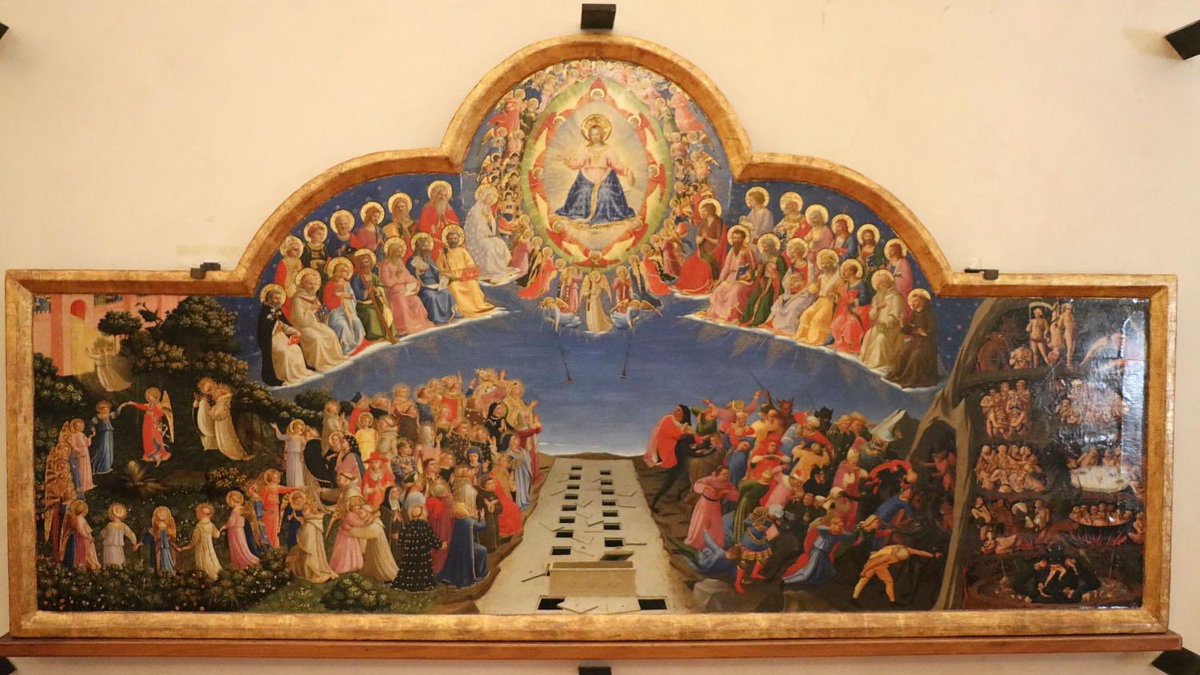
“No one will have any other desire in heaven than what God wills; and the desire of one will be the desire of all; and the desire of all and of each one will also be the desire of God.”
-St. Anselm
"Of fear and love, I fear not that I will die, but all that I have come to love- the birds, and the things that are not birds- will perish with me."
-Android 16
I once spent a week in a very austere retreat run by Catholic Nuns. I read the gospel of Matthew over and over alone in a cell. One of the most powerful experiences I’ve ever had with the Gospel. In the evening they would leave simple child like meals outside of your cell. I would walk up a stone Hill barefoot, two times a day for some of the most beautiful Daily office prayers I’ve ever heard. One of the meals that they gave me was Dino chicken nuggets, a few spoonfuls of corn and a bit of greens. It made me feel like a little kid. I’ll never look at Dino chicken nuggets the same way again.
🧵 Pt 1
The Six Sins Against the Holy Ghost
●○○○
"This man casts out demons only by Beelzebul the prince of demons." (Mt 12:24)
To this Christ replied:
"Every sin and blasphemy will be forgiven men, but the blasphemy against the Spirit will not be forgiven." (Mt 12:31)
Regarding this passage, St. Thomas Aquinas writes:
"The Jews began by speaking blasphemy against the Son of Man, when they said (Matthew 11:19) that He was 'a glutton ... a wine drinker,' and a 'friend of publicans': but afterwards they blasphemed against the Holy Ghost, when they ascribed to the prince of devils those works which Christ did by the power of His own Divine Nature and by the operation of the Holy Ghost."
— ST II-II, q.14, a.1
Aquinas does not reduce the sin against the Holy Ghost to the particular historical circumstances of Matthew 12. Rather, he seeks the formal principle that rendered the Pharisees' blasphemy so grave. In knowingly attributing the works of God to the devil, they manifested contempt for the divine operation itself. From this principle he proceeds to examine those acts whereby a man rejects the effects of grace through which the Holy Ghost ordinarily withdraws him from sin, illumines the intellect with truth, moves the will toward repentance, and disposes the soul toward pardon.
Thus he writes:
"Now all these things which prevent the choosing of sin are effects of the Holy Ghost in us; so that, in this sense, to sin through malice is to sin against the Holy Ghost."
— ST II-II, q.14, a.1
It is according to this principle that Aquinas explains the six species traditionally associated with the sin against the Holy Ghost:
"The above species are fittingly assigned to the sin against the Holy Ghost taken in the third sense, because they are distinguished in respect of the removal or contempt of those things whereby a man can be prevented from sinning through choice."
— ST II-II, q.14, a.2
These species are distinguished according to the various ways in which a man rejects the divine helps through which God ordinarily recalls him from sin and restores him to grace.
●●○○
★☆☆
On the Part of God's Judgment
1. Despair (desperatio)
"Hope, arising from the consideration of the mercy that pardons sins and rewards good deeds, which hope is removed by 'despair'."
— ST II-II, q.14, a.2
"Having no hope and without God in the world." (Eph 2:12)
Despair rejects the divine mercy by which the sinner is drawn to repentance and pardon.
2. Presumption (praesumptio)
"Fear, arising from the consideration of the Divine justice that punishes sins, which fear is removed by 'presumption,' when, namely, a man presumes that he can obtain glory without merits, or pardon without repentance."
— ST II-II, q.14, a.2
"Are we to continue in sin that grace may abound? By no means!" (Rom 6:1-2)
Presumption expects forgiveness while refusing the repentance God requires.
★★☆
On the Part of God's Gifts
3. Resistance of the Known Truth (impugnatio veritatis agnitae)
"One is the acknowledgment of the truth, against which there is the 'resistance of the known truth,' when, namely, a man resists the truth which he has acknowledged, in order to sin more freely."
— ST II-II, q.14, a.2
"Men loved darkness rather than light, because their deeds were evil." (Jn 3:19)
4. Envy of a Brother's Spiritual Good (invidentia fraternae gratiae)
"The other is the assistance of inward grace, against which there is 'envy of a brother's spiritual good,' when, namely, a man is envious not only of his brother's person, but also of the increase of Divine grace in the world."
— ST II-II, q.14, a.2»
"Let us have no self-conceit, no provoking of one another, no envy of one another." (Gal 5:26)
@Catholic_bro Catholic Wario is fun to imagine
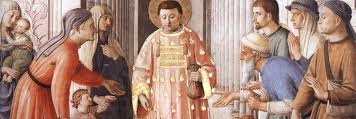
St. Laurentius ora pro nobis
Lawrence had all the treasures of the church and when asked to fork them over he cooked Emperor Valerian and was cooked in turn and while cooking mogged the Emperor and converted Rome to the Church
In the light of #Easter, let us allow ourselves to be amazed by Christ! Let us allow our hearts to be transformed by his immense love for us! Let those who have weapons lay them down! Let those who have the power to unleash wars choose peace! Not a peace imposed by force, but through dialogue! Not with the desire to dominate others, but to encounter them!