This #GUTRecentAdvancesInBasicScience review synthesises emerging evidence linking the microbiome to cardiovascular disease, highlighting shared inflammatory and metabolic pathways.
Fusco et al. present “Gut microbiota and atherosclerosis” - access it via https://t.co/QYAOjcjFWM
#GUTMicrobiota #Atherosclerosis @GiovanniCammar9@gianluca1aniro
🧬CroCoDeEL is a new tool for detecting cross-sample contamination in metagenomic data.🐊🦠
The idea behind CroCoDeEL is simple and elegant. Imagine different cocktails poured into a row of glasses. If a drop from a Bloody Mary splashes into a Moscow Mule, the second glass gets a small, diluted but still recognizable trace of the first cocktail. CroCoDeEL looks for these suspicious “drops” in metagenomic profiles.
In many ways, modern bioinformatics is the art of quality control. Samples from relatives — for example, a mother and her child — may naturally end up in neighboring wells on a plate. In that case, cross-contamination can be mistaken for microbiome heritability.
The authors applied the tool to published datasets and found previously unnoticed contamination. In infant microbiome studies, some bacteria interpreted as possible mother-to-child transmission were likely contamination from maternal samples. This matters because such findings affect how we understand early microbiome development.
Another example is the TwinsUK cohort, where CroCoDeEL identified 202 contaminated samples. Many shared the same sources, had higher species richness, and were more similar to each other than expected.
https://t.co/A6k44og1DP
#Microbiome #Metagenomics #Contamination #QC
See a brief review summarizing the use of synthetic microbial communities (SynComs) for revealing the ecology of specialized metabolites
[my holiday break writing exercise]
https://t.co/IxGnChD3T9
[1/3]
Gut microbial diversity and inferred capacity to produce short-chain fatty acids are associated with acute stress reactivity in healthy adults
The findings underscore the microbiota's potential to flexibly modulate human psychophysiology in stress:
https://t.co/LLJcFJBVAO
Prasad et al. present “Indole-3-propionic acid links gut dysfunction to diabetic retinopathy: a biomarker and novel therapeutic approach” via https://t.co/KVlM9ByzBY
This work identifies a microbial metabolite linking intestinal dysfunction to retinal disease, offering both a biomarker and a potential therapeutic target.
#DiabeticRetinopathy #Microbiota
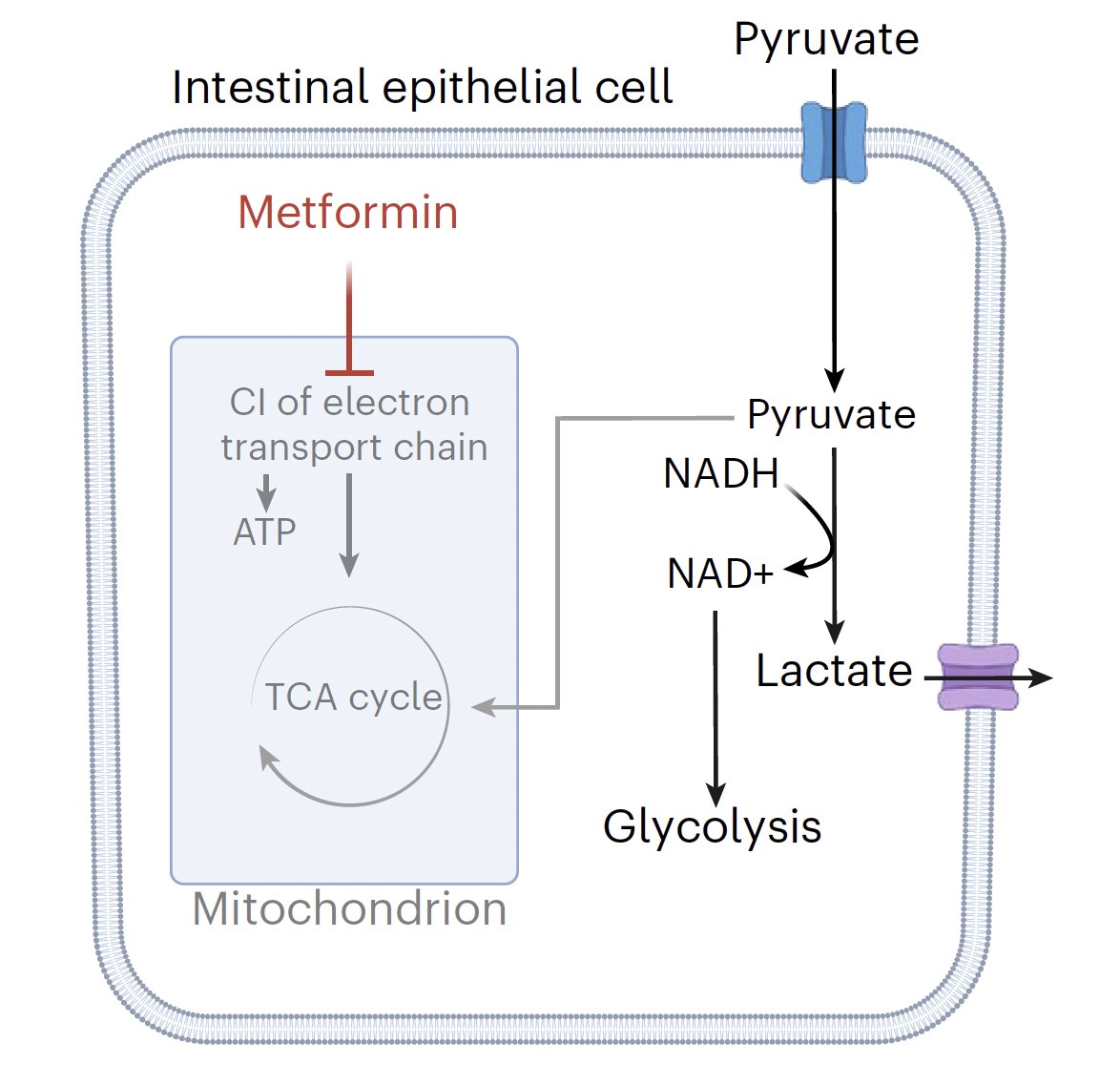
Metformin, one of the most commonly prescribed drugs, was thought to work via the liver. Check that. It's primarily through the gut. @NatMetabolism
https://t.co/i2CpZip61B
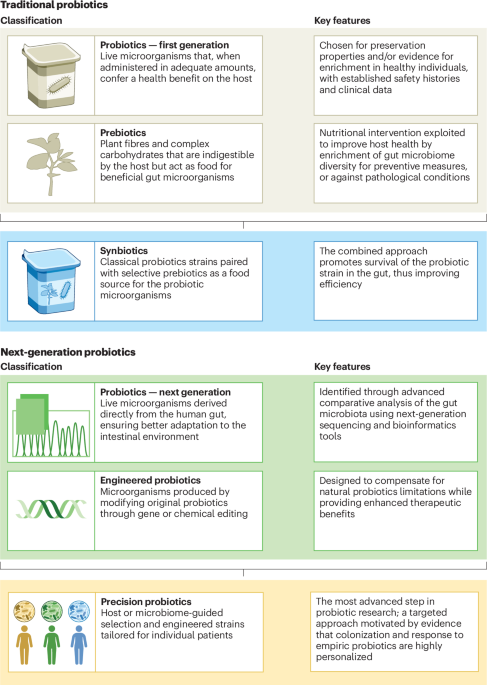
Is it time to include AI-based methods and approaches informed by the gut microbiome?
@Elinav_Lab & colleagues update advances and opportunities
@NatMetabolism
https://t.co/V6mvCCwgrY
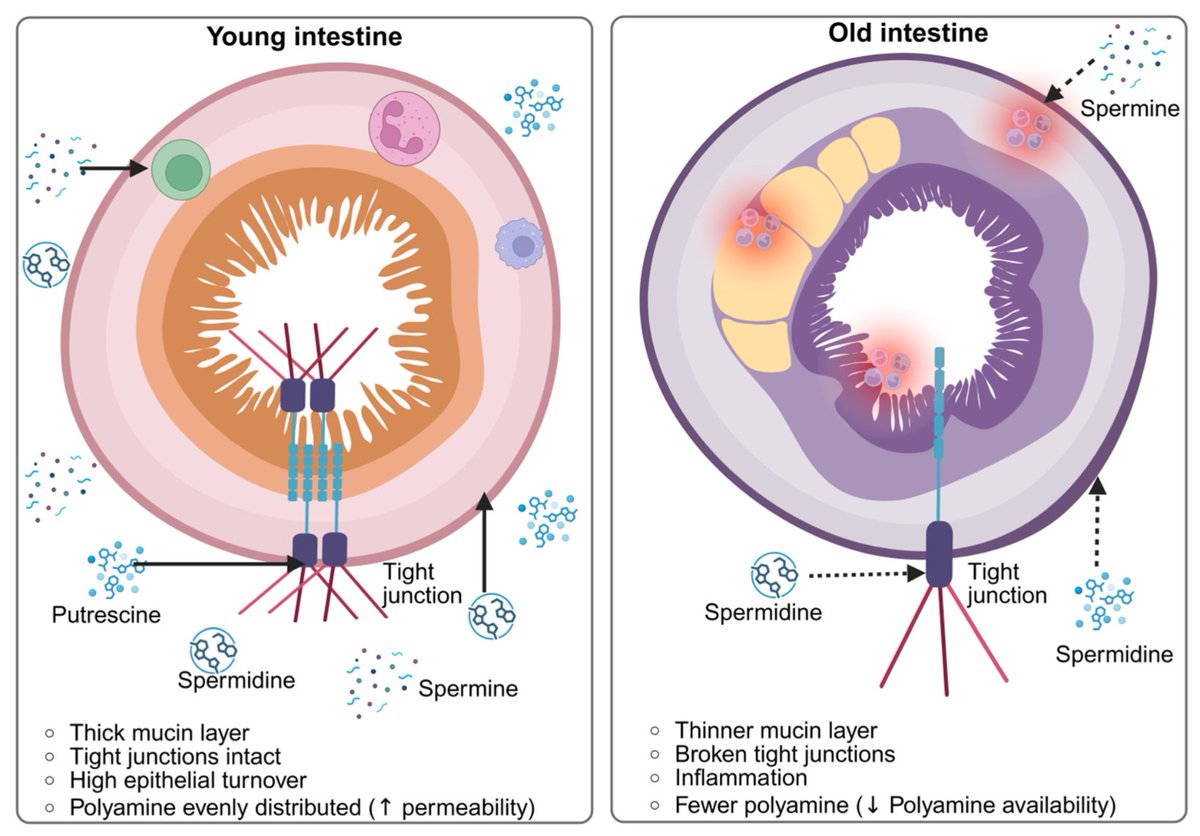
What happens to undigested protein in the gut?
Super review of protein handling in the gut, and in particular in the colon.
Read the full paper by @RobVBryant@Alice_APD
https://t.co/M4y87sVXGO
Dysbiosis in the skin microbiome is linked to dermatological diseases. This #ClinMicroRev article summarizes advances in understanding the composition and functions of the skin microbiome, its interaction with host immunity and impact on skin health. https://t.co/Cur9S7KznY
A global group of 13 scientists and clinicians updates a consensus definition of gut health and implications from bench to bedside:
https://t.co/qGKJtF5AU2
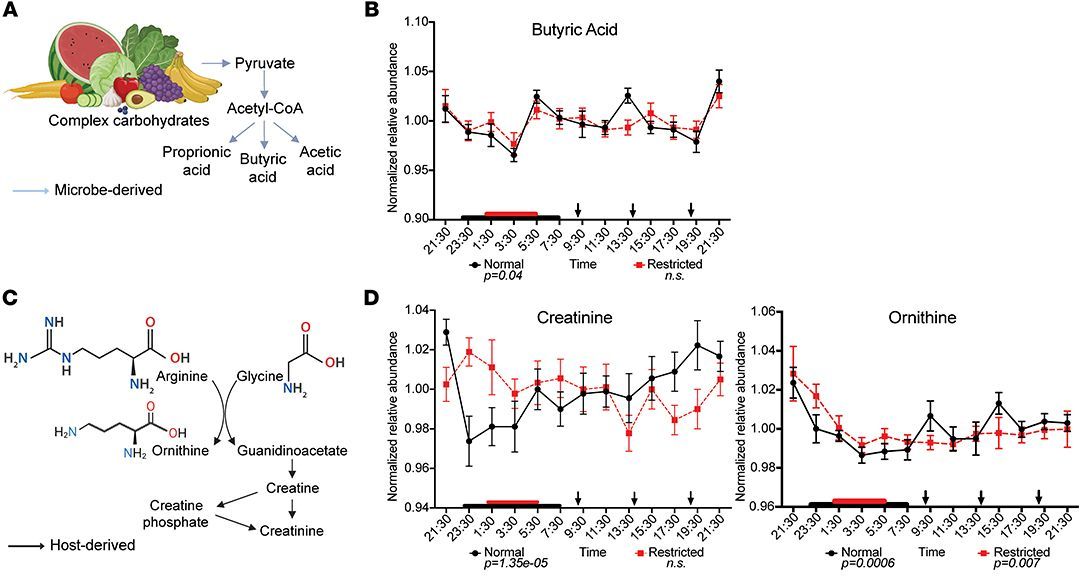
Could microbial metabolites be potential biomarkers of sleep loss–associated health risks?
Short-term sleep restriction in healthy humans alters 24-hour rhythmic profiles of microbially derived metabolites butyric acid and tryptophan
@jclinicalinvest
https://t.co/u67nO0K7n8
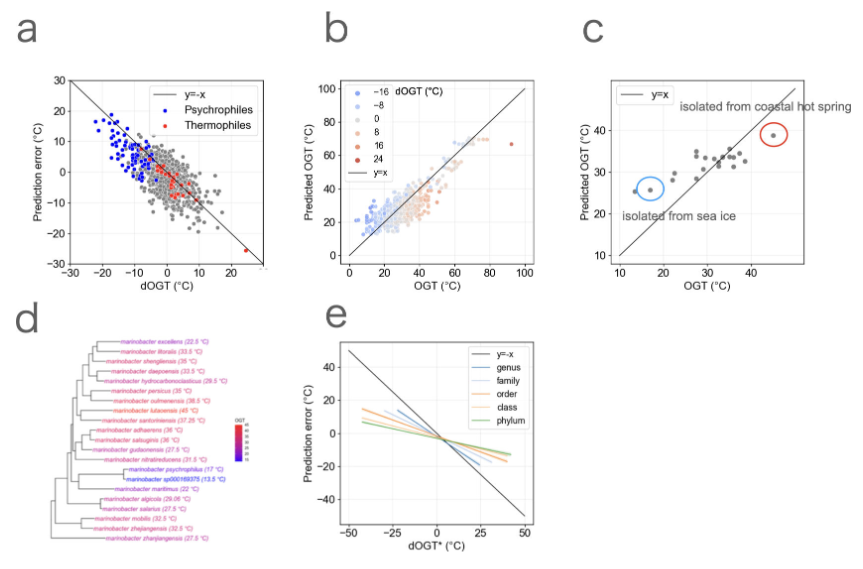
Prediction of optimal growth temperature (OGT) from genomic data allows for characterizing uncultivated microbes. This #mSystems study developed a novel OGT prediction model by curating OGT and genomic data of 2,869 bacterial species. https://t.co/fsvdnhkC9e
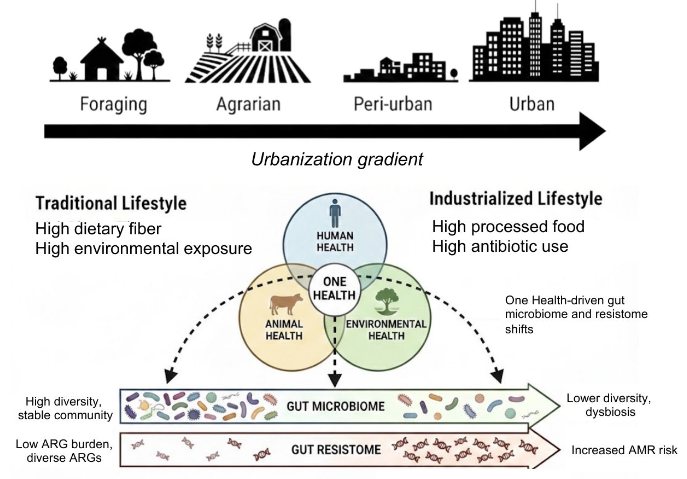
#MicrobiologyMonday: The human gut harbors AMR genes, and lifestyle factors tied to urbanization influence how they spread. Understanding how everyday exposures shape the gut resistome is key to tackling AMR from a #OneHealth perspective. #mSystems: https://t.co/rZmAkThvLZ




![EvolvedBiofilm's tweet photo. See a brief review summarizing the use of synthetic microbial communities (SynComs) for revealing the ecology of specialized metabolites
[my holiday break writing exercise]
https://t.co/IxGnChD3T9
[1/3] https://t.co/5xZWjxZnSB](https://pbs.twimg.com/media/HIBWQaOXsAE_7Ee.jpg)