The brain doesn't change simply because you decide to change.
Neuroplasticity is shaped by experience and repetition.
Old habits feel automatic because they've been practiced. New ones take time.
Small, consistent actions can gradually reshape how we think and behave.
this is what happens inside your brain when you finally decide to change.
a neuron reaches out and connects with another. a new neural pathway begins to form. that's how change starts at the cellular level.
you think change is just a decision. but it's more than that. it's literally physical.
when you decide to do something differently, your neurons begin forming new connections.
at first, that connection is weak. the old pathways are still stronger and more established. without repeated use, the new connection may weaken over time.
deciding to change isn't enough. you have to repeat the new behavior. every day. that's how you strengthen new neural pathways and make different habits feel more automatic.
Overthinking has a strange way of disguising itself as problem-solving.
You call it being prepared.
You call it being careful.
You call it thinking ahead.
But sometimes, you're just rehearsing problems that haven't happened.
Notice the pattern.
ThirdVoice: https://t.co/GyAXDHJtTO
We talk a lot about leaving domestic abuse, but rarely about what comes after.
Years later, even when you’re safe, your body can still react as though the danger is present.
Surviving is one thing. Teaching your body that it’s safe again is another.
#TraumaRecovery
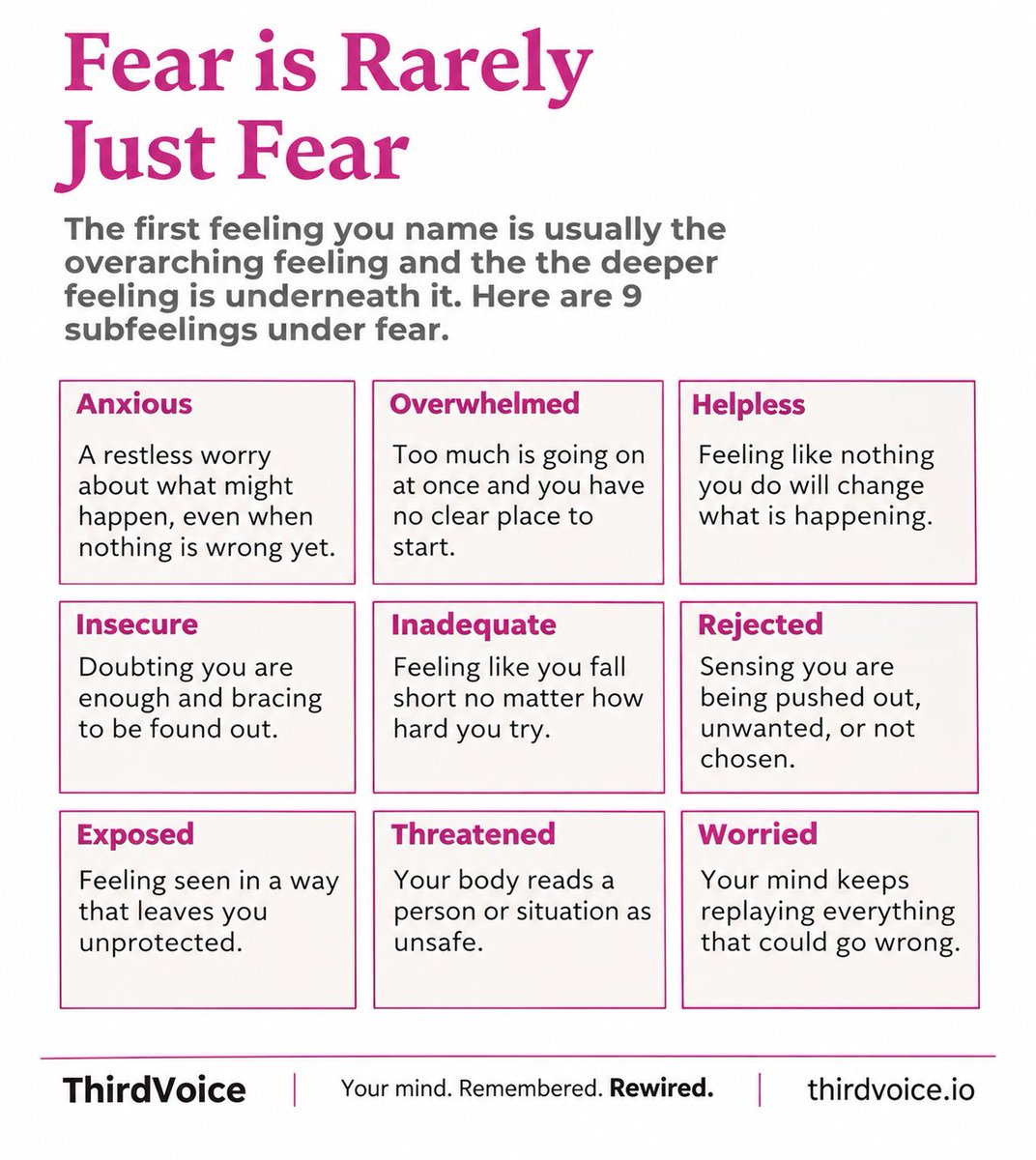
Sometimes, fear is hiding a feeling you haven't quite named yet.
It might be insecurity, rejection, helplessness, or simply feeling overwhelmed.
The more clearly you understand what you're feeling, the easier it becomes to respond instead of react.
Start understanding your emotional patterns with ThirdVoice.
https://t.co/GyAXDHJtTO
Ever stared at your to-do list like it personally offended you? 🫠
Sometimes you're not lazy. You're just running on 2% battery with 47 tabs open in your brain.
Before you push harder, ask what's draining you.
Rest isn't a productivity crime. 🧡
#Burnout#Overthinking #ThirdVoice
Ever stared at your to-do list like it personally offended you? 🫠
Sometimes you're not lazy. You're just running on 2% battery with 47 tabs open in your brain.
Before you push harder, ask what's draining you.
Rest isn't a productivity crime. 🧡
#Burnout#Overthinking #ThirdVoice
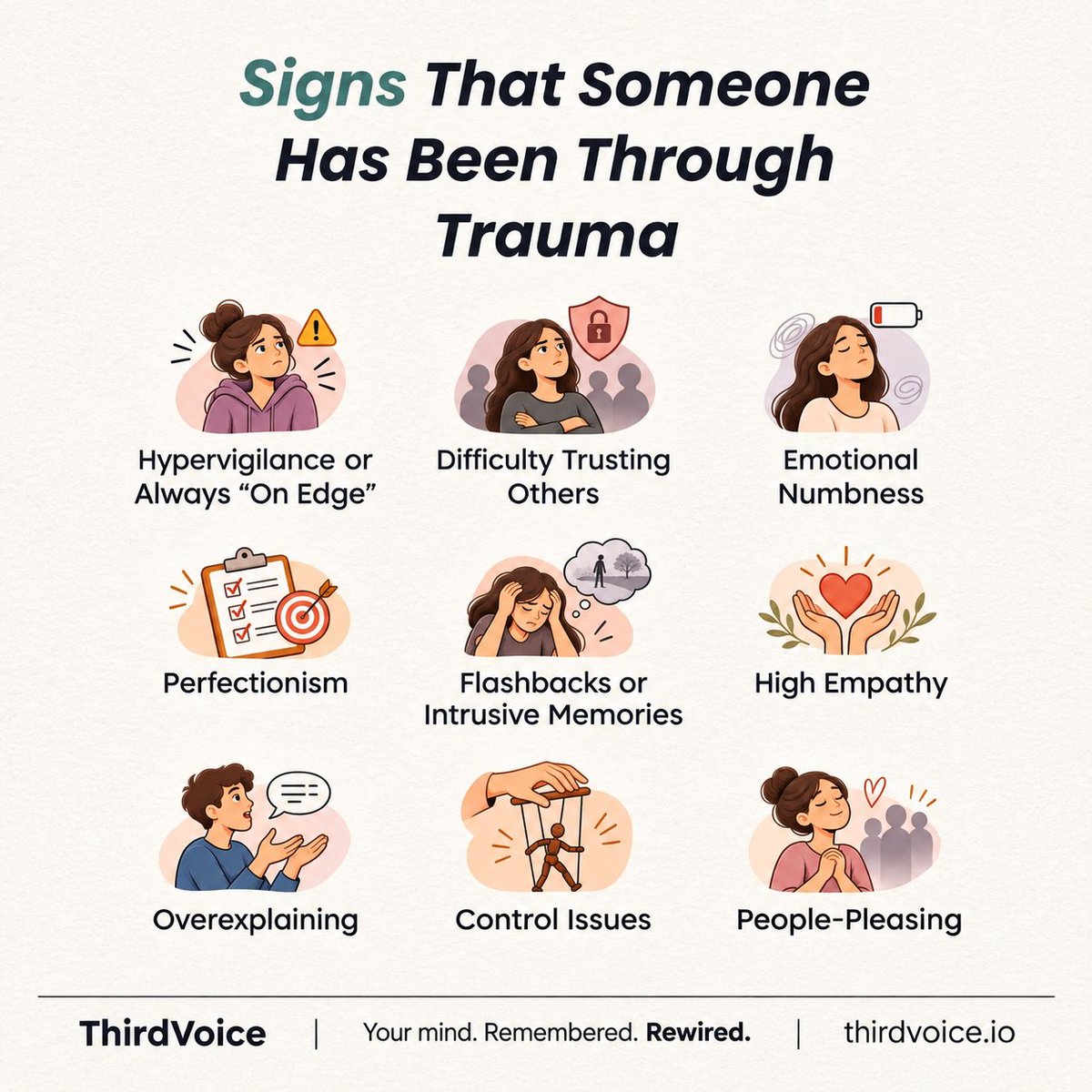
Trauma doesn't always look like someone falling apart.
Sometimes it looks like:
• Overexplaining everything.
• Struggling to trust people.
• Always expecting something to go wrong.
• People-pleasing to avoid conflict.
• Feeling emotionally disconnected.
These patterns can have many causes, but sometimes they're ways people learned to protect themselves.
Be curious, not judgmental.
Understand your emotional patterns with ThirdVoice.
https://t.co/dc58NNmY7u
To every man who's struggling silently, grieving, feeling overwhelmed, or learning to ask for help.
You don't have to be strong all the time.
Your feelings matter. Your mental health matters. And you deserve support, too.
Happy International Men's Day.
Overthinking doesn't always look like worrying.
Sometimes it's rereading texts, second-guessing decisions, seeking reassurance, or expecting the worst.
Your mind can be exhausted even when you've done nothing physically.
Start noticing the patterns.
https://t.co/u1KI19160D
Overthinking often starts with one simple thought: "What if?"
1. Something feels uncertain.
2. Your mind starts searching for answers.
3. You imagine every possible outcome.
4. You seek reassurance.
5. The relief fades, and the cycle repeats.
Not every question needs an immediate answer.
Learn to recognize your patterns: https://t.co/GyAXDHJtTO
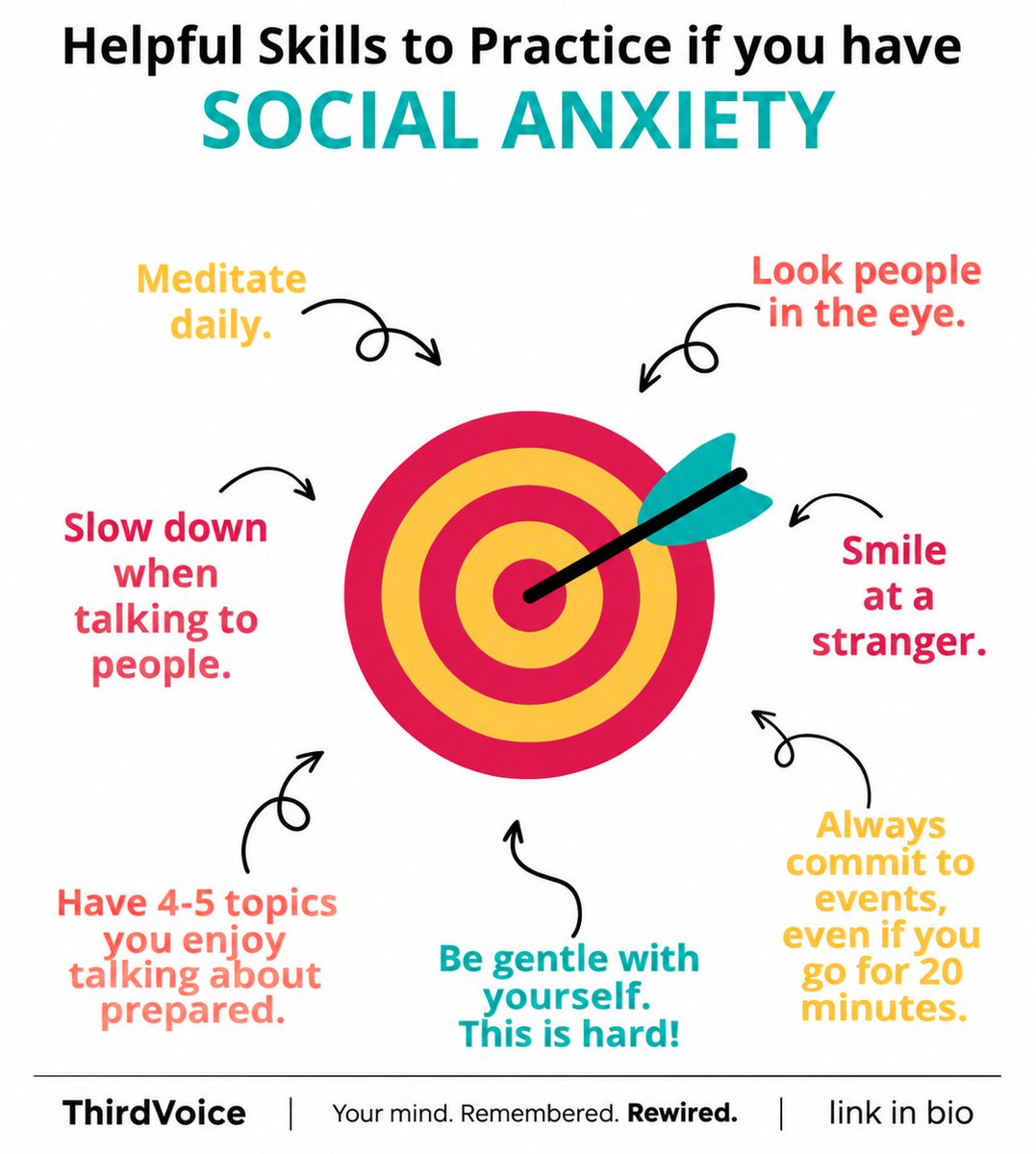
Social anxiety can make even simple conversations feel overwhelming.
A few small things that may help:
1. Start with short conversations.
2. Speak at your own pace.
3. Prepare a few topics beforehand.
4. Take small steps outside your comfort zone.
5. Stop expecting every interaction to be perfect.
6. Be patient with yourself.
Confidence grows through practice, not perfection.
Understand your patterns with ThirdVoice: https://t.co/GyAXDHJtTO
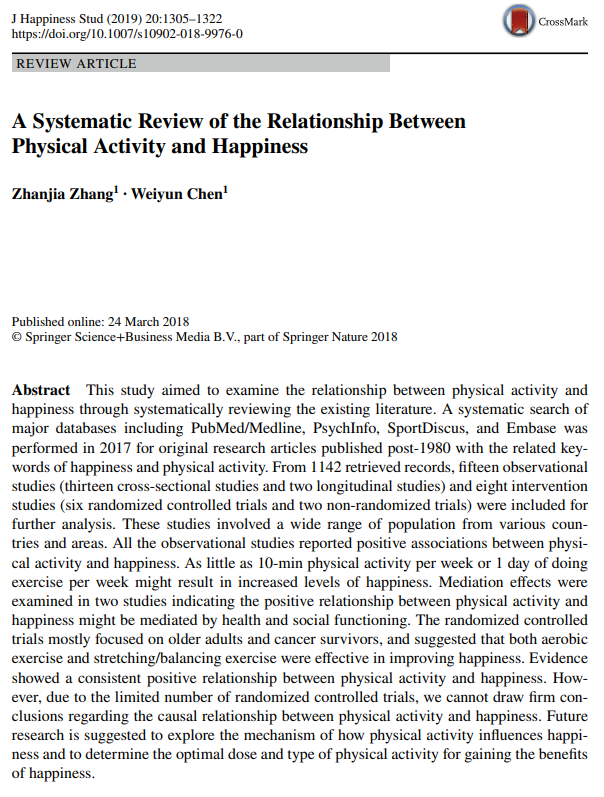
Engaging in just 10 minutes of physical activity or having a 10-minute chat with a loved one can significantly impact your mental state. Even a simple 2-minute smile exchange can have a profound effect.
OCD recovery isn't about making every uncomfortable thought disappear.
It's about learning that you don't have to respond to every urge.
Notice the thought.
Resist the compulsion.
Allow uncertainty.
Return to what matters.
A thought doesn't always need an answer.
Understand your patterns → https://t.co/GyAXDHJtTO
Don’t: focus on the negative and enter a state of paranoia.
Do: focus on the positive and enter a state of pronoia.
Pronoia is the belief that universe is secretly conspiring to help you or do you good.
Anxiety can make even ordinary moments feel overwhelming.
When your mind won't slow down, try this:
1. Breathe slowly.
2. Relax your muscles.
3. Write down your thoughts.
4. Move your body.
5. Talk to someone you trust.
6. Let the feeling pass without fighting it.
You don't have to solve everything right now.
Understand your patterns → https://t.co/GyAXDHJtTO