The University of Salford (UK), in collaboration with CSIR-Institute of Genomics and Integrative Biology (CSIR-IGIB) and the Organization for Rare Diseases India (ORDI), hosted a national workshop titled “Towards Equitable and Early Genetic Care for Glaucoma” at @IGIBSocial on Monday, 30th June, 2025. The event brought together leading clinicians, scientists, genetic counsellors, policy advocates, non-profit charities and media representatives to spotlight the urgent need for early genetic diagnosis in managing inherited forms of glaucoma in India.
@souvik_csir@CSIR_HRDG@CSIR_IND@thisisarijit@ShroffEyeCentre@SalfordUni@PremasLifeSc
@arpan_parichha Mental health remains one of the least concerns of academia especially in India. Small institutional support groups by younger faculty can provide the much needed support.
Have a look at this DLS/UoS PhD studentship opportunity in my group @SalfordPGRs and Matthijs A. van Spronsen and Georg Held @DiamondLightSou , https://t.co/ckSI6AkyTd.
Only UK students. Apply here https://t.co/ghSLqwPl6I
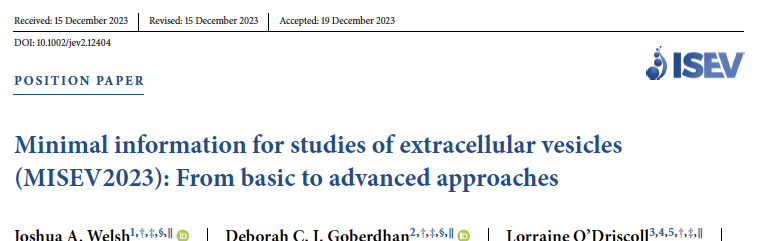
Someone pinch me...did I just sign the licensing agreement for #MISEV?? Huge thanks to Josh Welsh, Deborah Goberdhan, Lorraine O'Driscoll, Clotilde Théry, the ISEV board past and present, and of course all of you zany EV enthusiasts for getting us *this close* to publication!
#ExtracellularVesicles #ISEV #MISEV20xx @IsevOrg @IsevComms @ISEV_Journals@LabWitwer
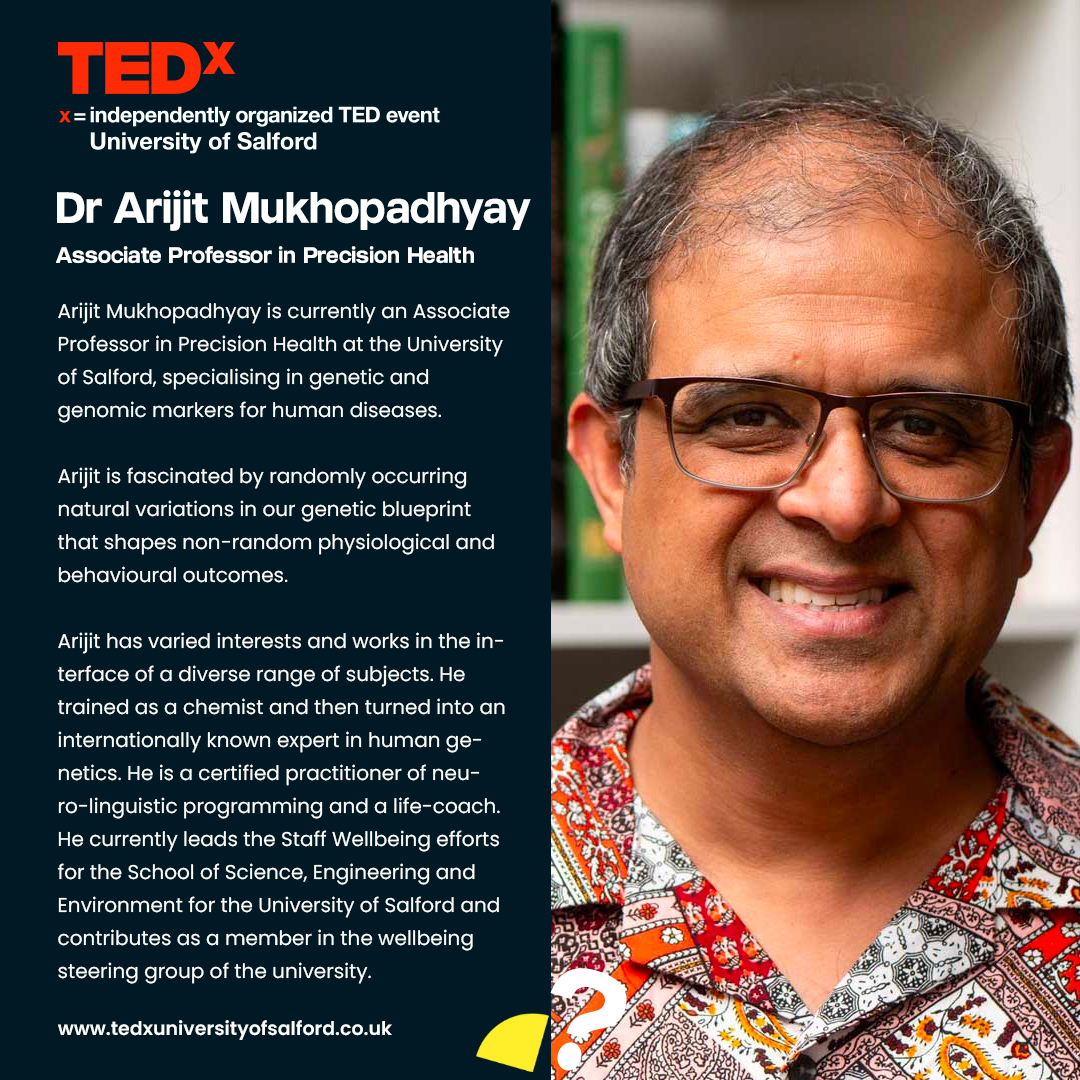
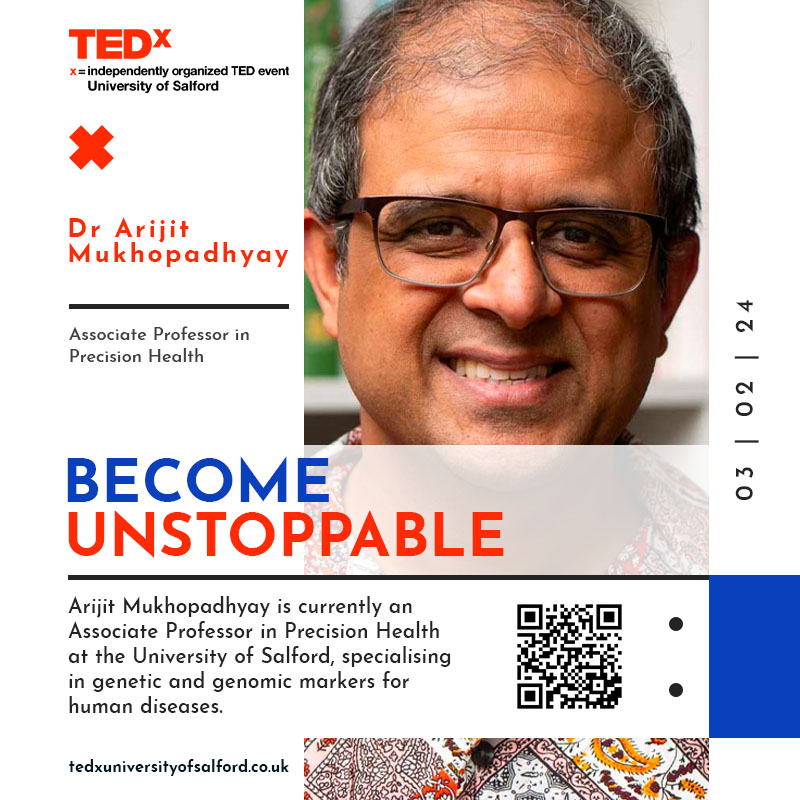
Excited to be a speaker at this TEDxSalford event. Its next Saturday (3rd February 2024)!!! You can watch it online, free from anywhere.
Please register. People around greater Manchester might be able to attend in person (mostly sold out).
https://t.co/ylS8qxga1D
Can't agree more. Academic publishing is the only 'business' where the content creators pay, instead of getting paid. Content creators also act as reviewers, which is unpaid as well. Acceptable for society journals but not for others - including CNS!
Nothing new here, but scientific publishing needs fixing. We pay "open access charges" or APCs of USD 3-5k (sometimes more) for a publisher to put a PDF on the internet and not charge people to read it. But we also pay up to thousands extra for "color printing". This does not mean physical printing (which might make sense). It's an extra charge to keep your figures in the pdf the way you submitted them. Publishers will actually do extra work to convert color figures to grayscale (thus disrupting the figure/text concordance and the sense of the paper) just to force you to pay these extra charges (or re-graph/re-write in grayscale yourself). This is done by "reputable" publishers but in my view should be classified as a #PredatoryPublishing practice.
@vinodscaria True. What I meant was there needs to be an integrated plan from the parliament (informed by science) before embarking on million genome sequencing. As you know very well, it is easy to get lost in the data unless the study design is robust
@vinodscaria@jshethad1 For people to get the benefit of the technology you need buying in from the same ignorant politicians. Otherwise, it will mostly benefit the NGS and IT companies.
@vinodscaria For India, a million genome is about the same proportion what UK has done. Using the UK example, if this is not integrated and spearheaded by the ministry of health, it will not be useful. Read Genome Generation from NHS published in 2016. At this moment, I vote NO.
Hey guys, I’m so excited to finally announce the first episode of the society’s podcast: Biomedically Speaking! @thisisarijit
Part 1: https://t.co/ibFNU1jJyt
Part 2: https://t.co/f6aRSbLxH6
Part 3: https://t.co/BFHyLqbS25
Part 4: https://t.co/KeLdji8GSX
Hey guys 👋🏼I’m so excited to share the trailer of the new Biomedicine Society podcast: Biomedically Speaking🎙️🧬
Make sure you tune in on the 11th of November‼️‼️@thisisarijit