@drealgboran@omoyebraids Yes because she’s a lady
She stole, she didn’t kill anyone. If she eventually did kill someone what did would’ve been her punishment?
Today in History: The Aba Women’s Protest!
On November 18, 1929, Madam Nwanyeruwa of Oloko, in present-day Abia State, helped spark a historic uprising against British colonial rule.
Thousands of Igbo women mobilised, using palm leaves to rally neighbouring communities. They protested the threat of taxation, colonial oppression and the abuses of British-appointed warrant chiefs.
The movement spread across the Owerri and Calabar provinces, with women demanding an end to oppressive colonial practices.
The British colonial authorities labelled it the “Aba Women’s Riots”, a term that diminished the women’s organised resistance against colonial oppression. It is rightly remembered as the Aba Women’s Protest.
It is regarded as the largest women-led anti-colonial uprising in African history.
More than 50 women were killed by colonial forces, while many others were injured.
Retweet to educate someone
Follow @IgboHistoFacts for more history.
Don’t be bothered by Wike’s constant attacks and vituperations against the two prominent opposition candidates. He is the most scared of all Tinubu’s appointees of what’s coming.
What you’re seeing is not bravery, it’s fear clothed in bold face.
Wike is scared
If you don't like someone's story, write your own.
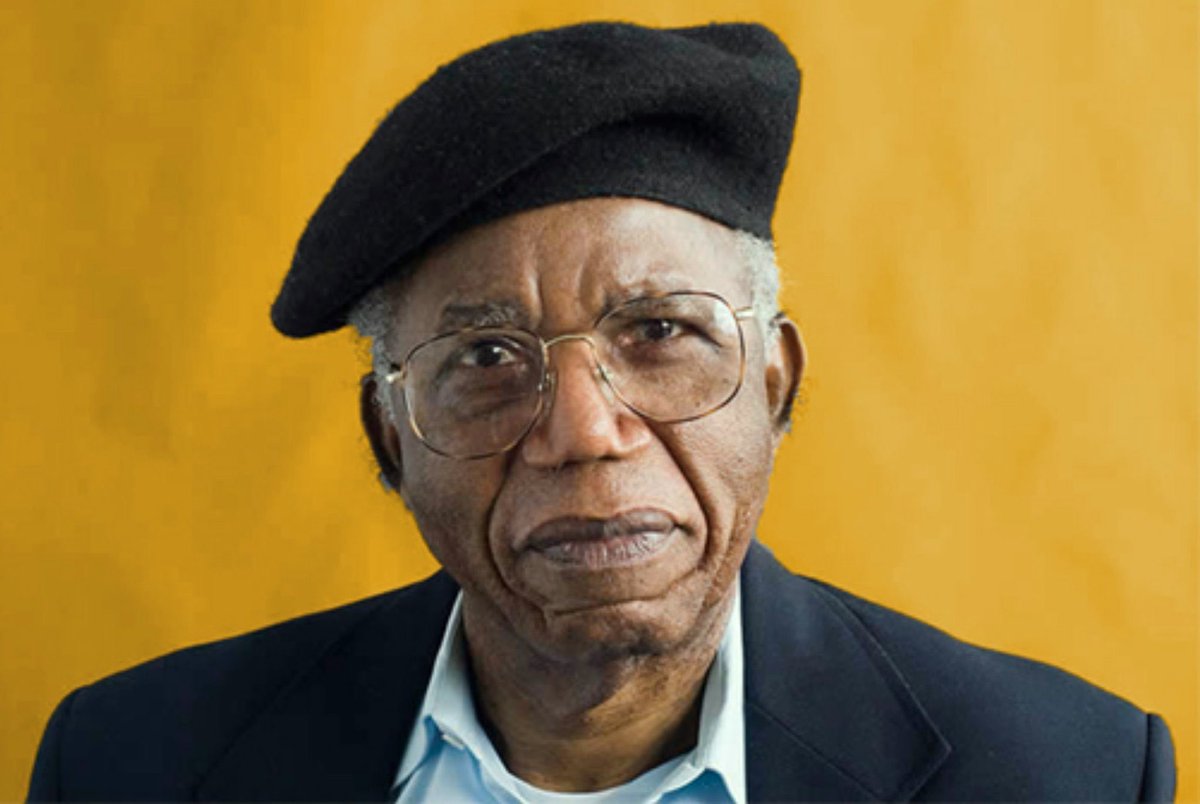
Chinua Achebe (16 Nov 1930 – 21 Mar 2013) Nigerian novelist, poet, and critic; a dominant figure of modern African literature, born 96 years ago today. #Nigeria#ChinuaAchebe
https://t.co/Z2vM2KOoXc
“One of the truest tests of integrity is its blunt refusal to be compromised.”
Chinua Achebe — the great writer was born on a day like this 16 November in 1930, in Ogidi Anambra State