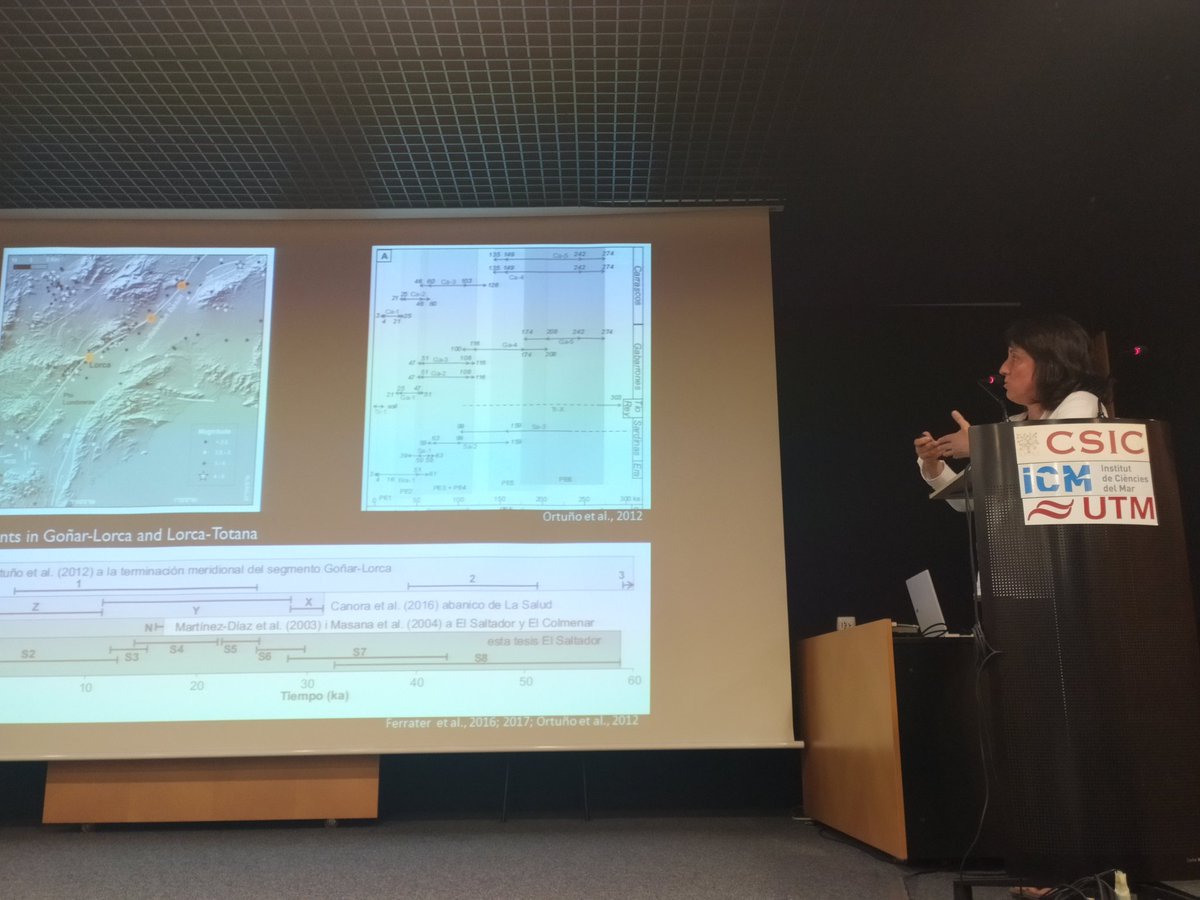
Our paper about fault-based PSHA in SE Spain has just been accepted. You can check the abstract here: https://t.co/KrkDNS5x0K
Full text available soon😁
Did you get your PhD recently? Do you work on PSHA? Do you know the OQ Engine? Are you interested in working at the intersection of research and application? If so, take a look at this job-ad! https://t.co/7sRaEg1qMy
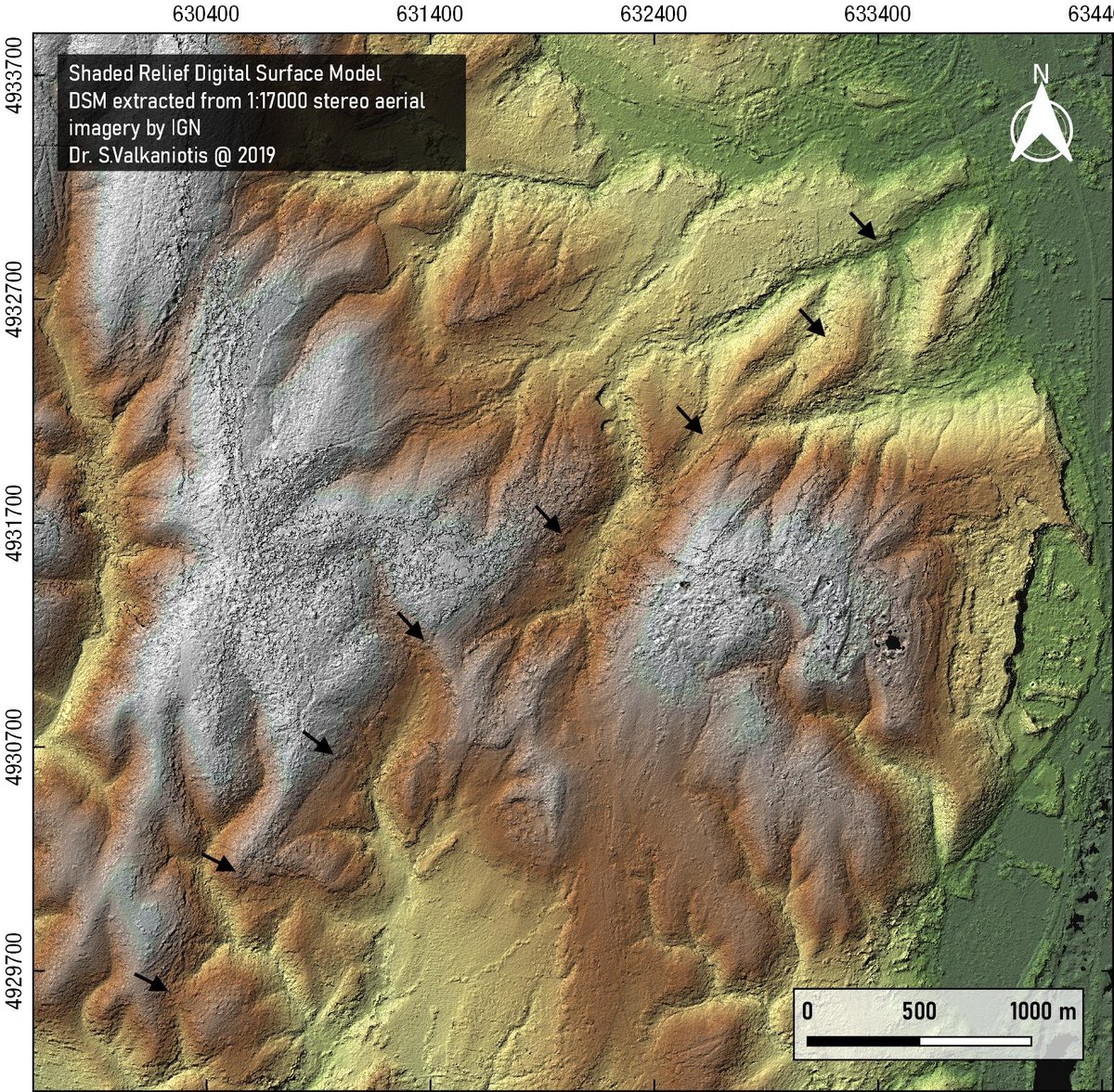
@esa_gep Due to the lack of an available high-res digital elevation model reference for the Mw 4.9 rupture area, here's a shaded relief (resolution 1.2m) I prepared made using scanned IGN historical stereo aerial images (1:17.000). Arrows trace the Nov11 fault rupture.
⚠️ Séisme | Un séisme de magnitude légèrement supérieure à 5 a secoué la vallée du Rhône juste avant midi ce lundi. Souvent peu de conséquences comme des meubles qui bougent ou des lustres qui oscillent mais localement des dégâts et un blessé.
📷 zaki et ime à Montélimar (26)
Interested in modeling earthquake rates in fault systems?
Check out our paper : "SHERIFS: Open‐Source Code for Computing Earthquake Rates in Fault Systems and Constructing Hazard Models"
https://t.co/nXXn4W5W7H
The SHERIFS code is available!
https://t.co/iIU5YvPnmg
Mars, I hear you. I’ve detected some quiet but distinct shaking on #Mars. The faint rumbles appear to have come from the inside of the planet, and are still being studied by my team. Take a listen.👂https://t.co/GxR1xdRx1F