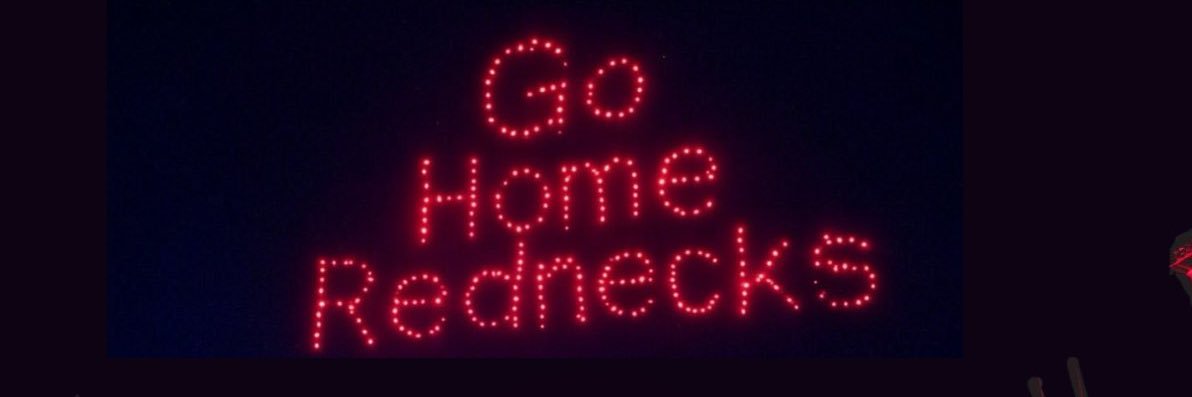
@BeauBishop The hype around being a playmaker in unimportant games is too heavy. We need him in CFP. Not saying none of it, just obvious slide first first downs.
I watch this every year and you should too.
On the day that exposed the very worst of our world, we also saw the very best of our great country.
RIP Welles Crowther. Never forget.
And thank you again and forever to all the heroes of 9/11. 🇺🇸🇺🇸🇺🇸
@MrKrabstheMan@JomorrieB@JuckOnBucks Not all of those things are related. Day saw what a strong offensive live can do and he also saw what the Miami Dline did. OSU just invested in both. Nothing to do with what the Dline for OSU did in that game. Miami only lost by 6 points in the natty with that formula.
@MrKrabstheMan@JuckOnBucks OSU has tended to take specific learnings from their last game of the year losses. Miami invested heavily in O/D-Lines in NIL. OSU is now doing that as well.
One of the most remembered and talked-about moments in alpine skiing history happened in 2005 in Bormio, Italy, and involved American skier Bode Miller. The venue was already famous for hosting extremely technical and dangerous races, especially on the legendary Stelvio course—widely regarded as one of the toughest on the World Cup circuit. Even so, what unfolded there exceeded all expectations.
During the 2005 Alpine Skiing World Championships, Miller arrived after a dominant season and was among the top favorites. He won gold in both the downhill and super-G, events that demand not only extreme speed but total control and fearlessness. But it was in the combined event that an unforgettable moment was born.
At the very start of the downhill run, Miller lost one of his skis—usually an instant disqualification. Instead of stopping, he made an extraordinary choice: he continued down the mountain on a single ski, holding his balance at high speed through one of the steepest and most technical sections of the Stelvio. For nearly two minutes, Miller defied the sport’s logic, relying on sheer technique, strength, and instinct to stay upright, reaching speeds that still impress experts.
His run ended with a fall just meters from the finish line, brought on by sheer exhaustion. Officially, he did not complete the race and did not win a medal in that moment. Still, the image of Miller racing down alone, battling gravity and the limits of the human body, became a lasting symbol of alpine skiing’s competitive spirit.