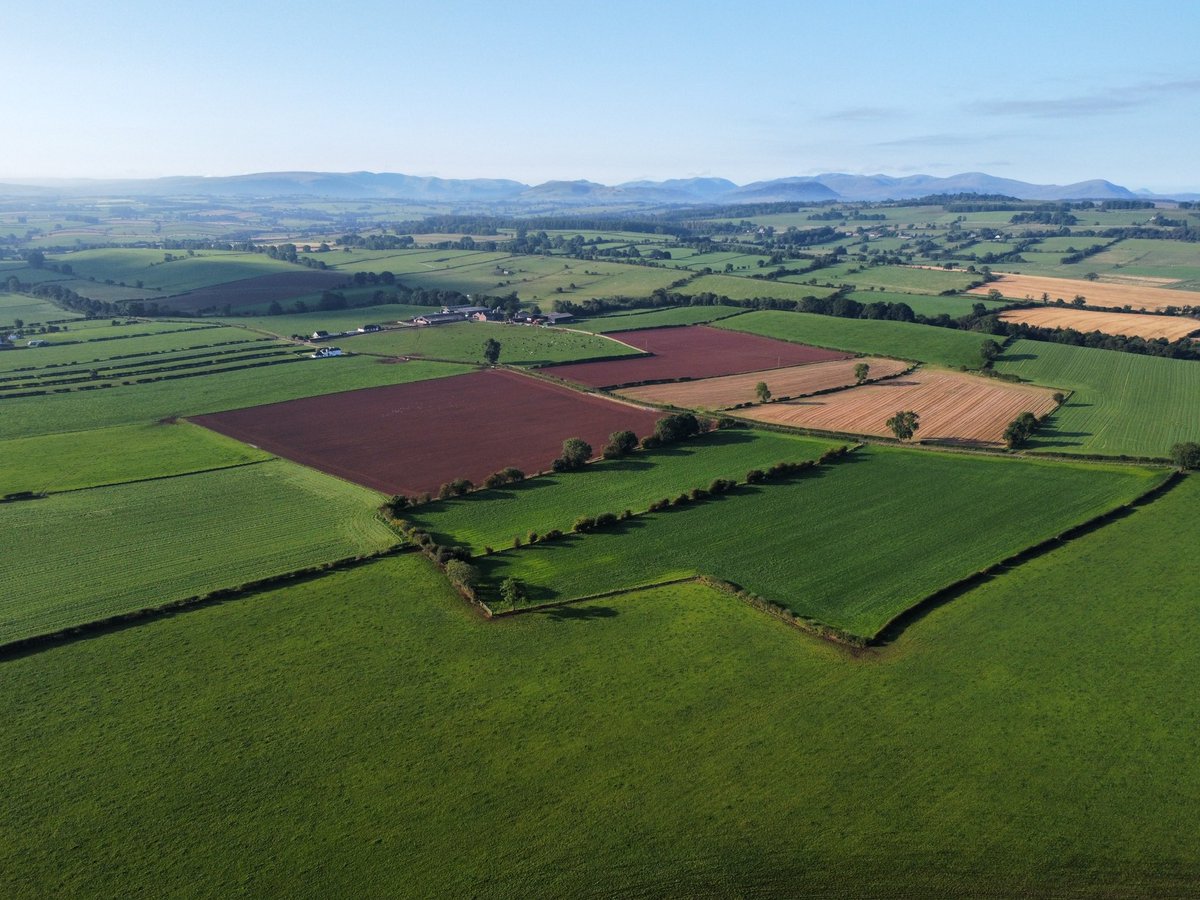
It's getting easier to be green 🌱
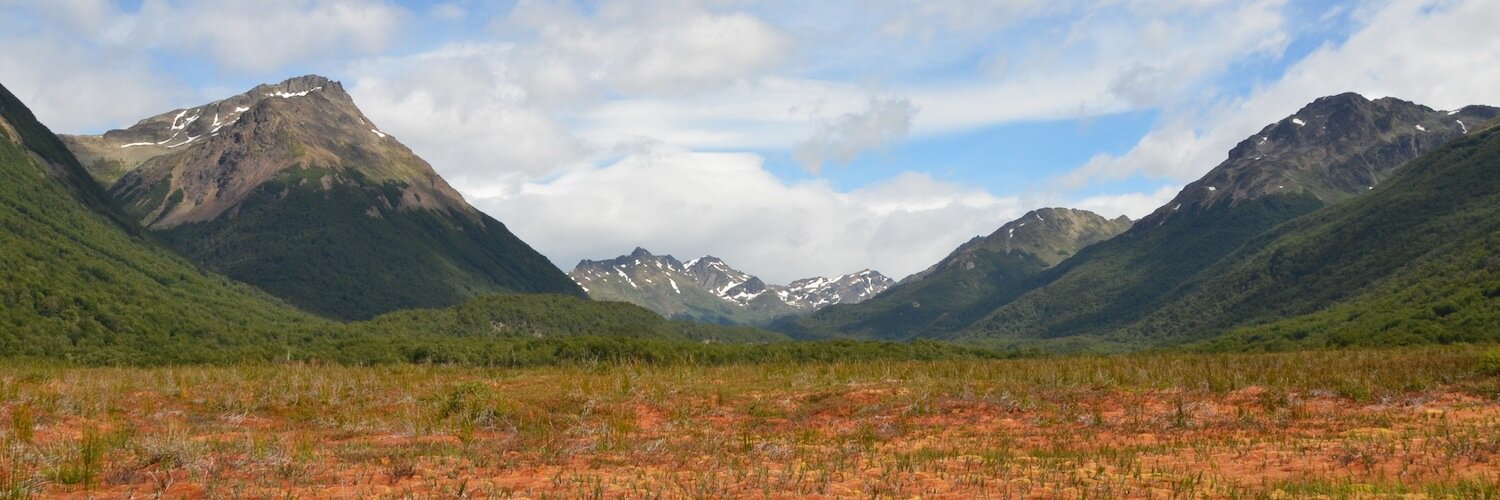
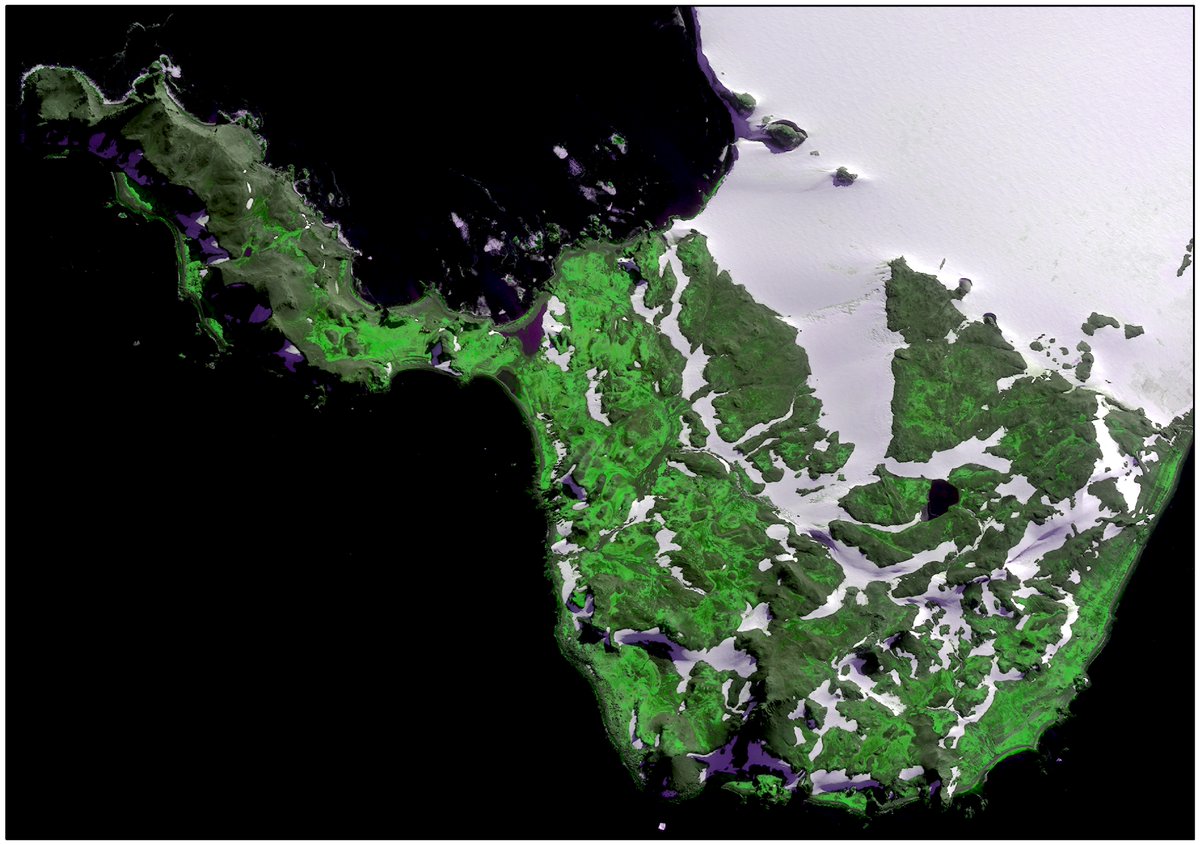
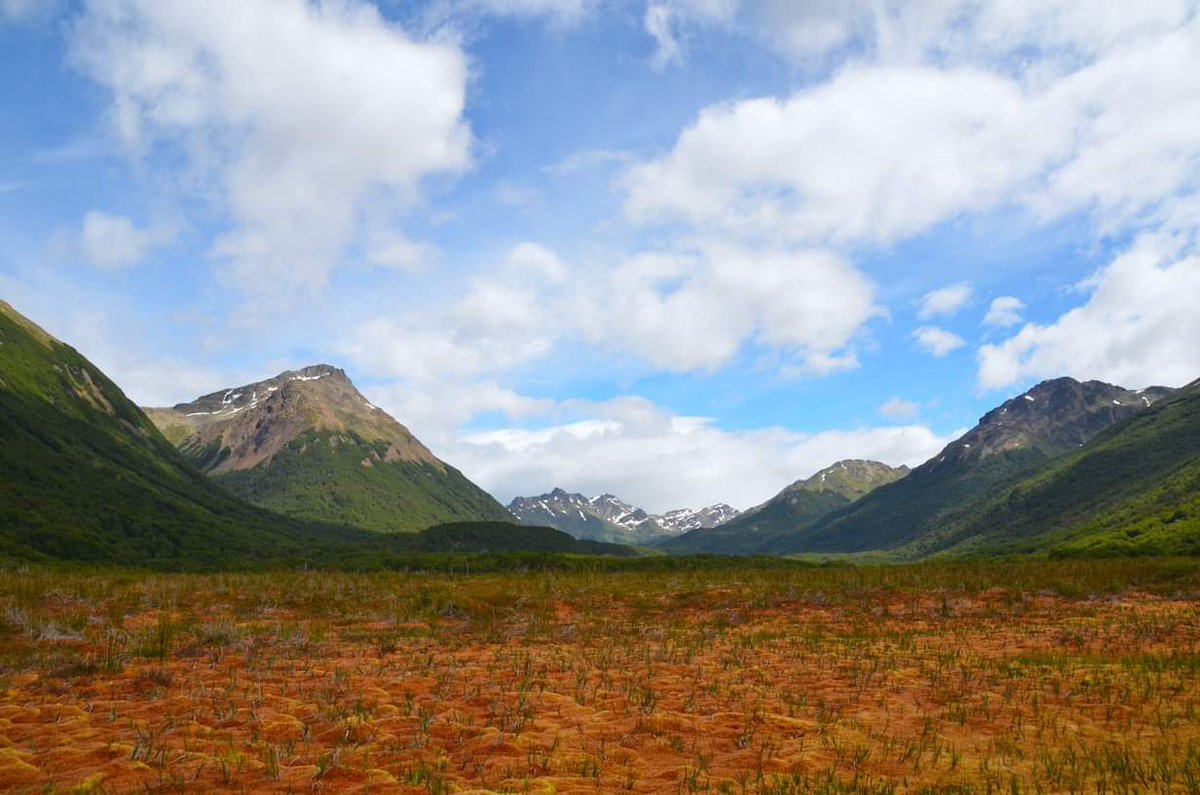
🐸 While Kermit may have decided green was all he wanted to be, 🧑🔬 scientists warn that a greening trend across the #AntarcticPeninsula is underway & accelerating due to #climatechange.
From our team at @UniofExeter ⤵️
https://t.co/ArUNqK2VGU
These numbers are shocking and could have severe implications for biodiversity and ecological functioning in Antarctica. The continent’s environmental future is very much at risk. 🧵3/3
https://t.co/P1Vzq6FDfP
On Friday, our new @NatureGeosci paper, ‘Sustained greening of the Antarctic Peninsula observed from satellites’, was published.
We show, for the first time, that the ‘greening’ trend seen in the cold-climate ecosystems of the Arctic is mirrored on the Antarctic continent,🧵1/
We found that vegetation cover across the Antarctic Peninsula had increased nearly 14-fold between 1986 and 2021, with the rate of ‘greening’ increasing by over 30% in the last five years of the study.🧵2/
Fantastic internship for first and second year undergraduate students - working with my good friend @ScootJD at @PlymUni, using tree ring analysis to investigate the response of the UK's wet woodland to climate and human pressures. Deadline is 13th May. https://t.co/qYfjiDKqfP
🚨🌎New @Nature paper! Here, we suggest that the recent rejection of the 'Anthropocene' as a defined epoch creates opportunities for the concept's interpretation, critique and application across disciplines, cultures and world views.
https://t.co/ZpvytUvq44
Nouvelle opportunité de doctorat : « Évaluer l'importance relative des plus grands puits de carbone naturels de Patagonie ». Travailler avec les sédiments des fjords et des tourbières à @UniofExeter et @ParisSaclay.
https://t.co/TG3yZLtxpw
New PhD Opportunity: 'Evaluating the relative importance of the largest natural carbon sinks in Patagonia'. Working with fjord and peatland sediments at @UniofExeter and @ParisSaclay.
https://t.co/TG3yZLtxpw
@GraemeSwindles I did look out for it last time I was in Belfast but didn��t spot it, then again it was 20 years ago now.. so it might have closed. We’ll have to do a proper recce and see!
Very sad to hear this. Mike made me feel very welcome in Belfast on my first PhD fieldtrip. We had a tour of the local peatlands, saw Lough Neagh and some archaeology, before enjoying the best Chinese meal I’ve ever had, nr. Botanic Ave. A lovely guy and a fascinating scientist.
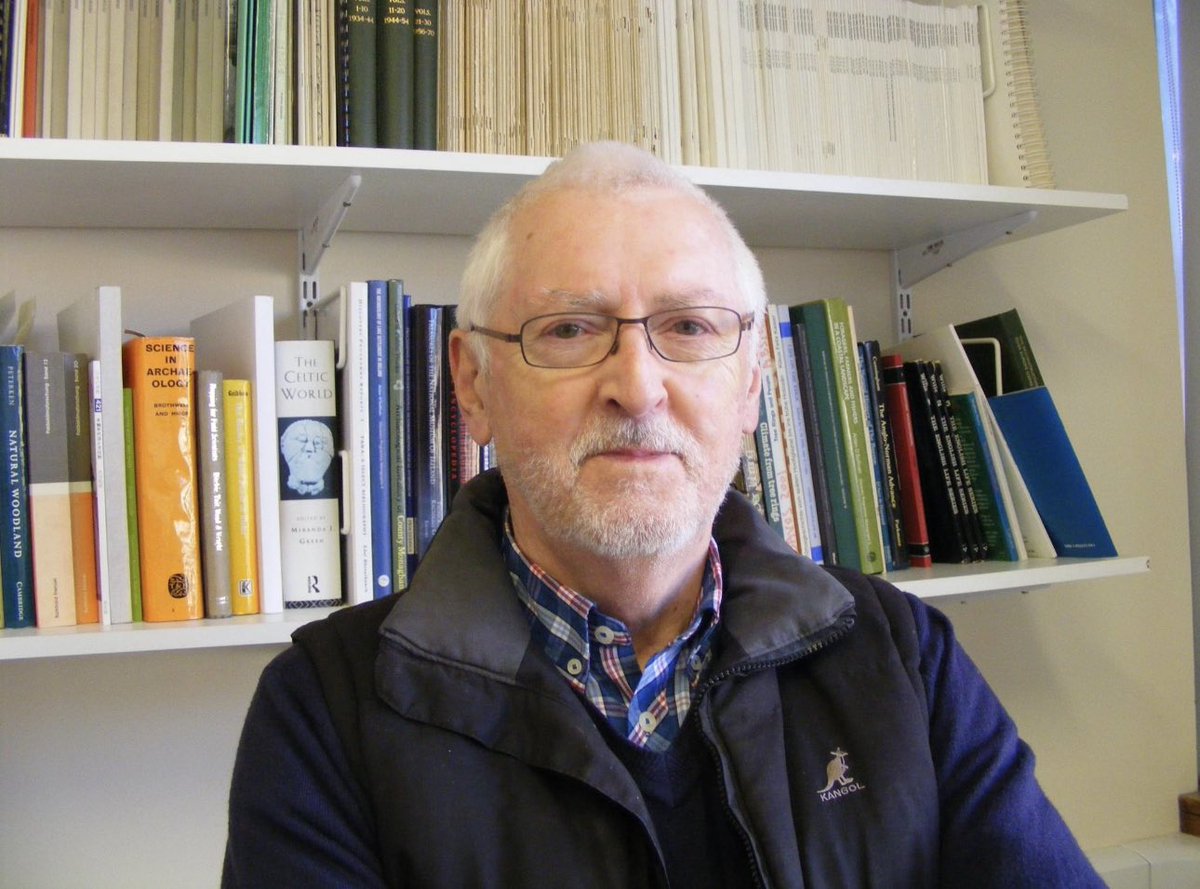
Mike first joined QUB Archaeology in 1968 when he was employed to work on the construction of an oak annual tree-ring chronology for the island. By the 1980s this became the Belfast oak chronology dating back c.7600 years and hugely important for radiocarbon dating calibration.
Second #PhDproject is investigating the impact of regenerative agriculture on lowland #peat soil characteristics and #GHG fluxes, led by Prof. Will Blake, with me, @jkrowan and Prof. Brian Reid (UoEastAnglia) https://t.co/1KTL1m7j2o (3/n)
First #PhDproject is looking at integrating modern and long-term ecology to inform UK #peatland#fire management led by @JessieW_Palaeo, with me, Prof. Ralph Fyfe and @garethdclay (UoManchester)! https://t.co/ANLhTxBpIR (2/n)
Our project works in partnership with @Bluemarinef and a host of other fantastic partners. Follow the links to find out more or get in contact with me or @richardktennant for additional info! 🧵3/3
@ExeterMarine @RewildingArg@ConvexIn
We are excited to be able to advertise two opportunities to join the @ConvexSeascape at @ExeterGeography. The first is for a fully-funded PhD (https://t.co/iz3Nh16Ck0) , and the second is for a postdoctoral research fellow (https://t.co/EfQxS8YI7G). Please share and RT!🧵1/3
Our part of the project will focus on tracing the origin of blue carbon in near-shore marine sediments using a multi-proxy suite of palaeoecological, geochemical, eDNA and geochronological techniques, with exciting fieldwork opportunities. 🧵2/3