#EarthquakeReport for M 6.0 #Terremoto#Sismo#Earthquake offshore of #Mexico
Right-lateral (?) strike-slip earthquake mechanism
Along Pacific-North America plate boundary
Tectonic setting in 2018 report
https://t.co/bwyYrgIYuJ
https://t.co/39tbckEY3B
Meta's Segment Anything Model (SAM) applied to characterizing fracture networks in NetworkGT! A promising start but still room for improvement/fine tuning...
MetaSAM👉 https://t.co/I97TrjBslI
NetworkGT 👉 https://t.co/XmiztA4URQ
#Structuralgeology#earthobservations#AI
Nice informative figure from “The Seven-Ages of Earth as Seen Through the Continental Lens” https://t.co/tOBzUOL2NI , showing ��schematic secular evolution of Earth since initial accretion from the solar nebula and intense early meteorite bombardment to today”
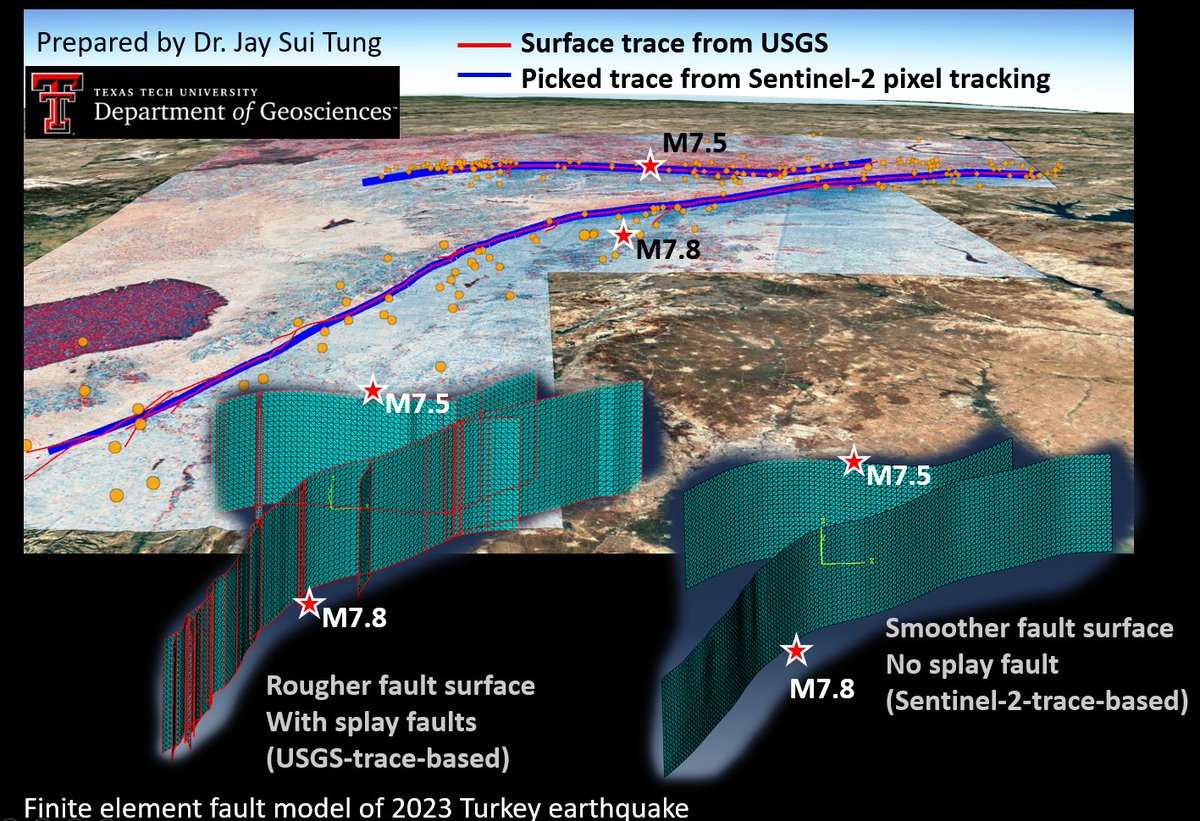
#TurkeyEarthquake How complex the fault geometry needs to be in the deformation model to explain the earthquake mechanism? Well, it might depend on the research questions and observational data we are looking at. @ttugeosciences#Finite_element_model#TexasTech
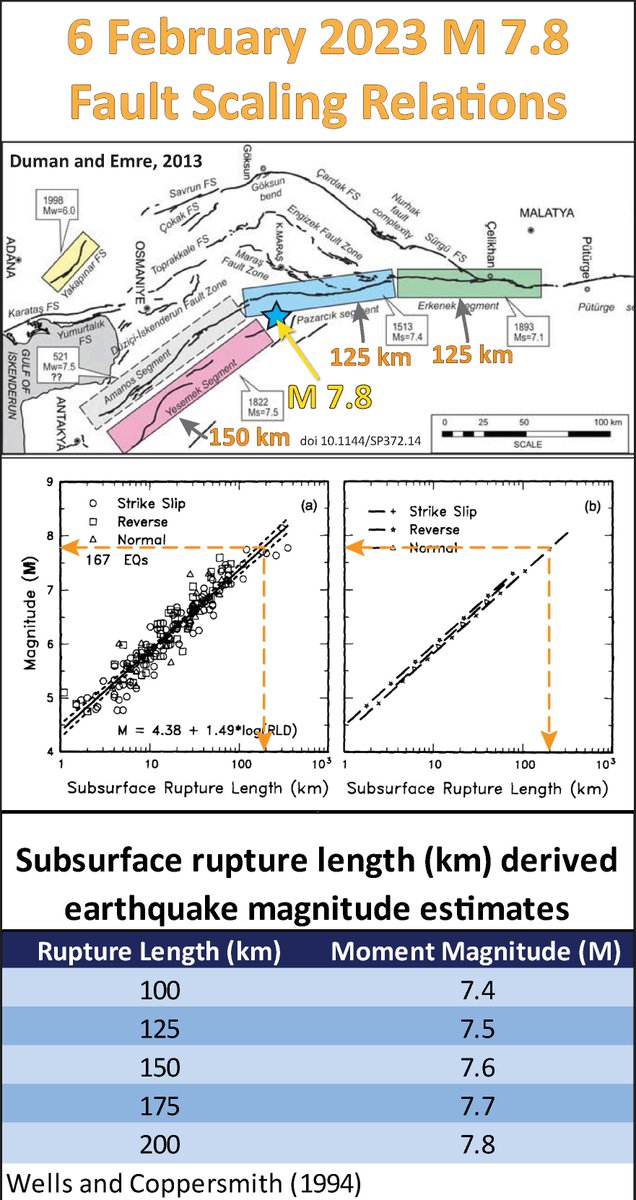
#EarthquakeReport for M7.8 #Deprem#Earthquake in #Turkey near #Syria
aftershocks suggest the 7.8 was on the Pazarcik segment of the E Anatolia fault
fault scaling relations fit this interpretation
more abt regional tectonics: https://t.co/3vFCChWOo9
https://t.co/g7OiqPRrKk
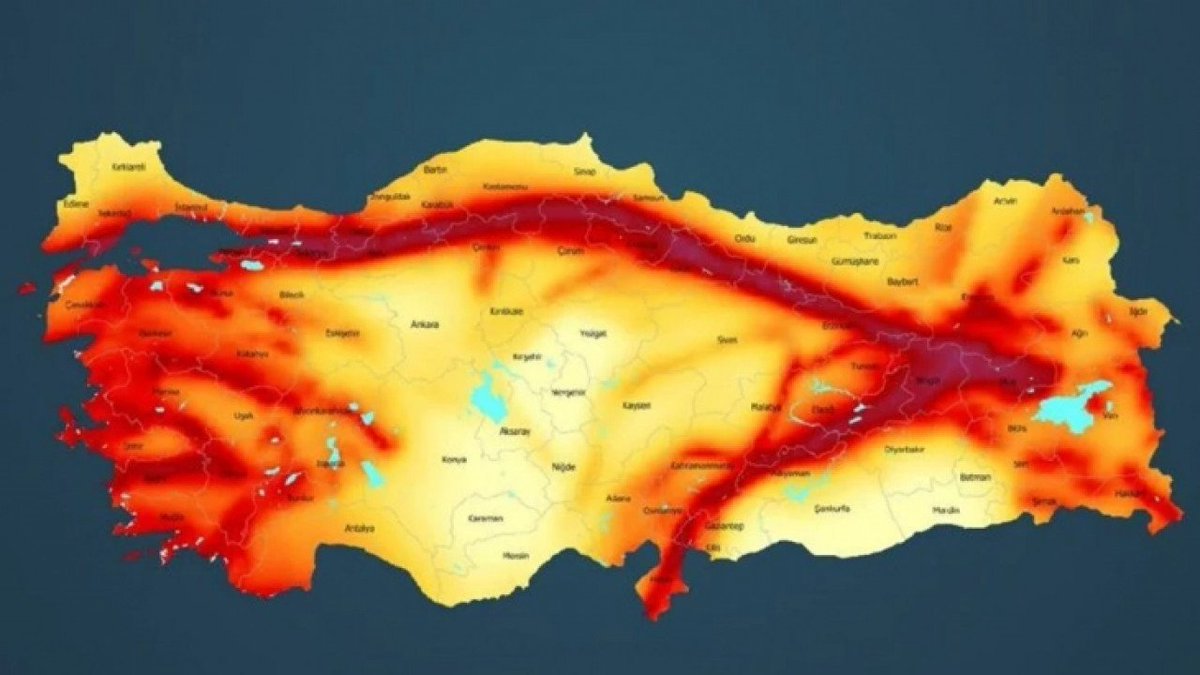
For those who don't know: This is Turkey's earthquake map. Today, unfortunately, a huge fault line broke between Kahramanmaraş and Malatya. This is the reason why such strong and frequent earthquakes occur. The last time such an earthquake occurred in the same region was in 1513.
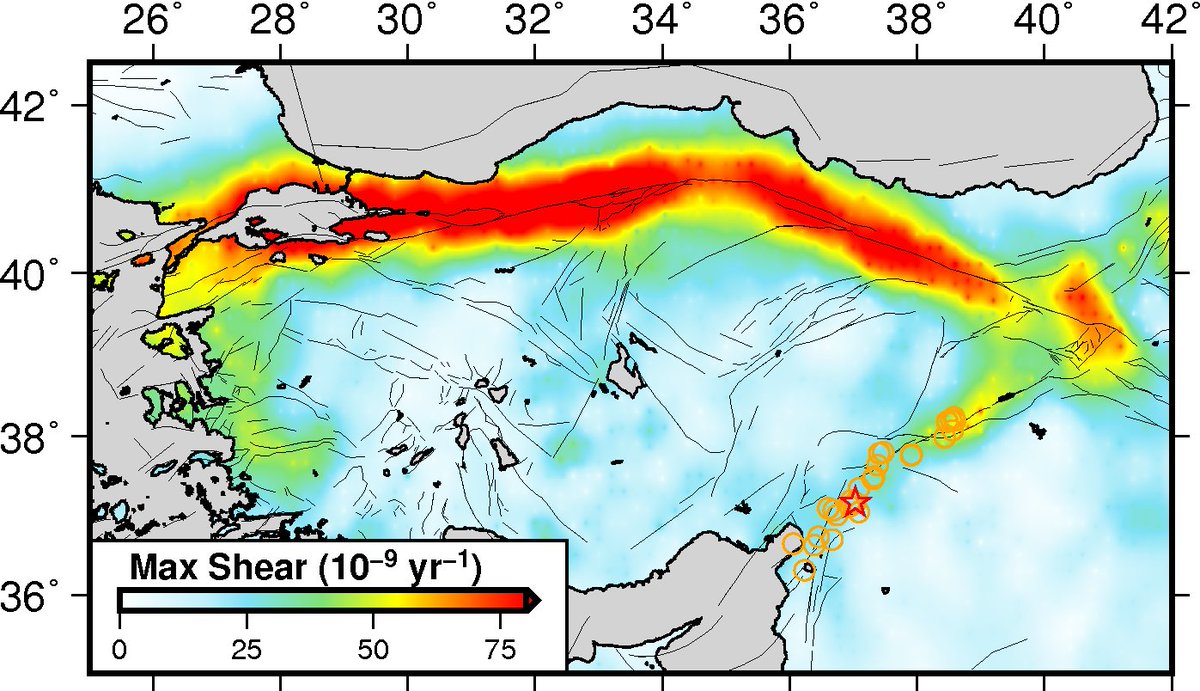
Today's devastating earthquake occurred in a region of elevated tectonic strain and seems to have ruptured the western half of the East Anatolian Fault zone.
The figure below shows strain rates updated from https://t.co/VVQUFHFP8f derived from GNSS and Sentinel-1 InSAR 1/n
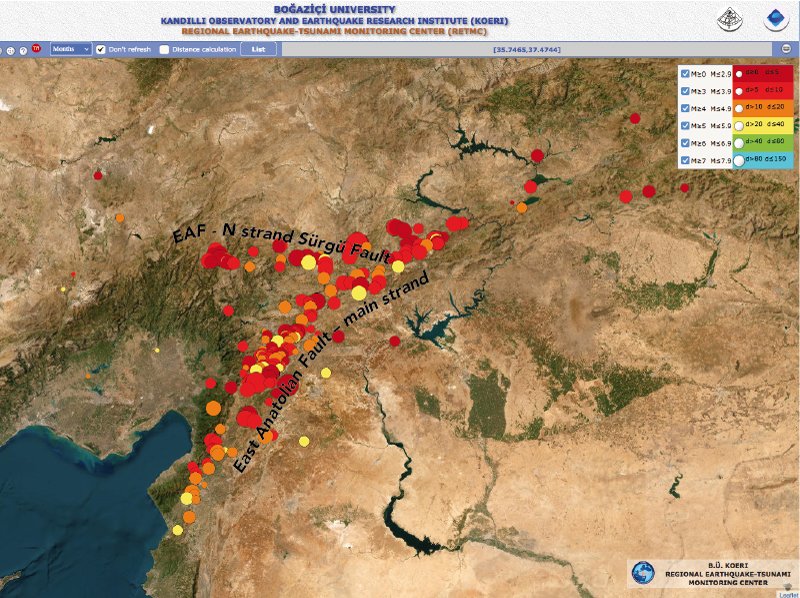
Two faults of the East Anatolian Fault (EAF) system ruptured today. First, a Mw7.8 #earthquake on EAF main strand probably breaking several segments. Second a Mw7.5 to 7.7 on Sürgü-Çartak Fault (EAF N strand). Both ruptured are outlined by aftershocks, and both are left-lateral.
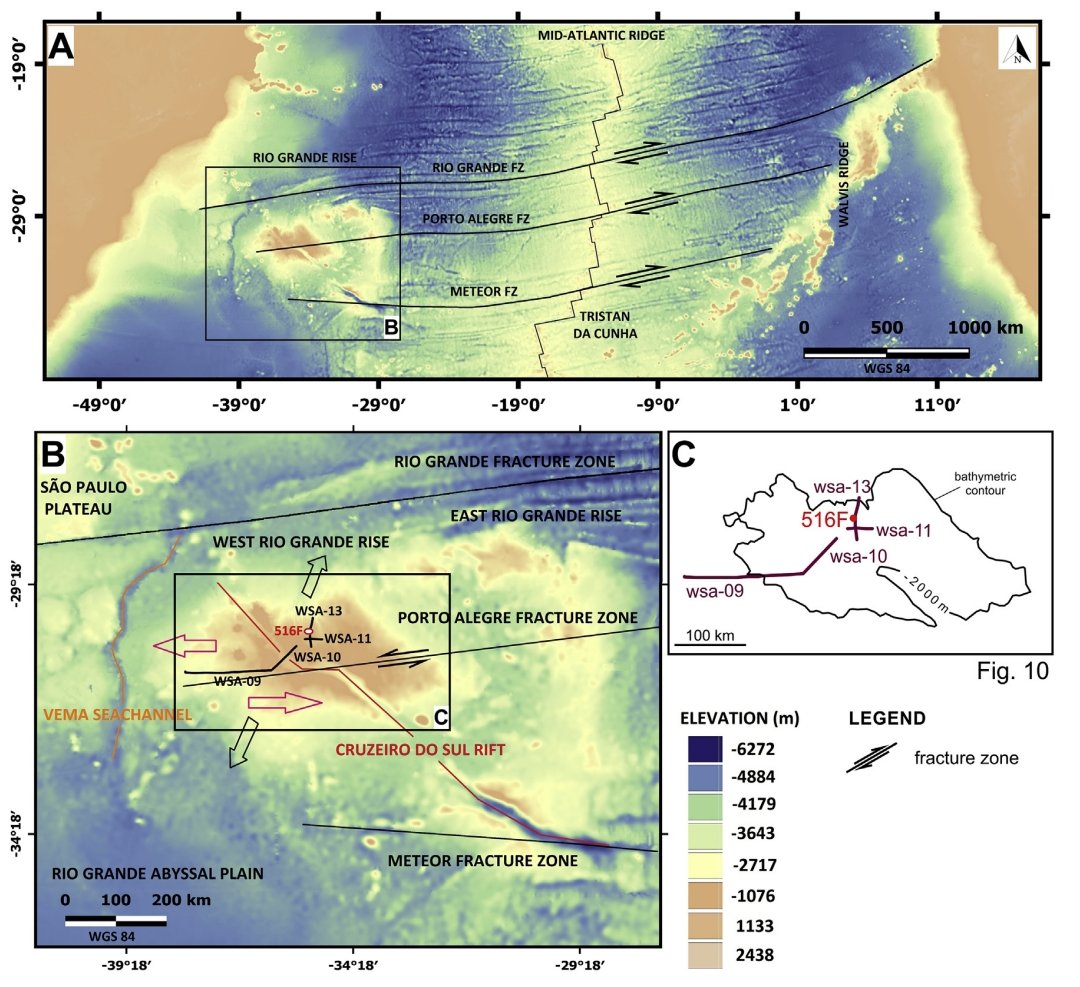
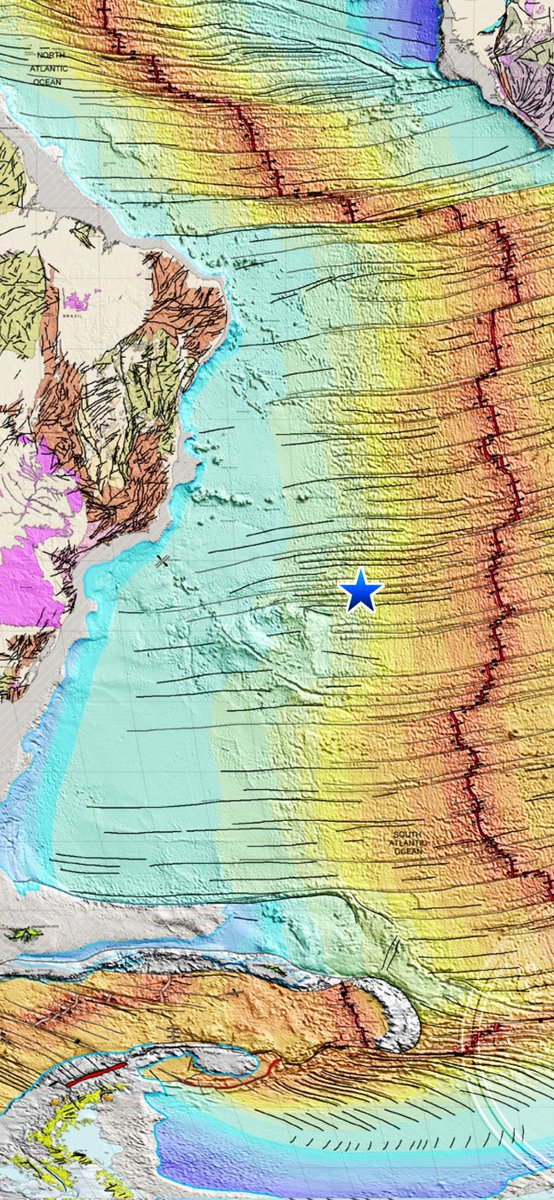
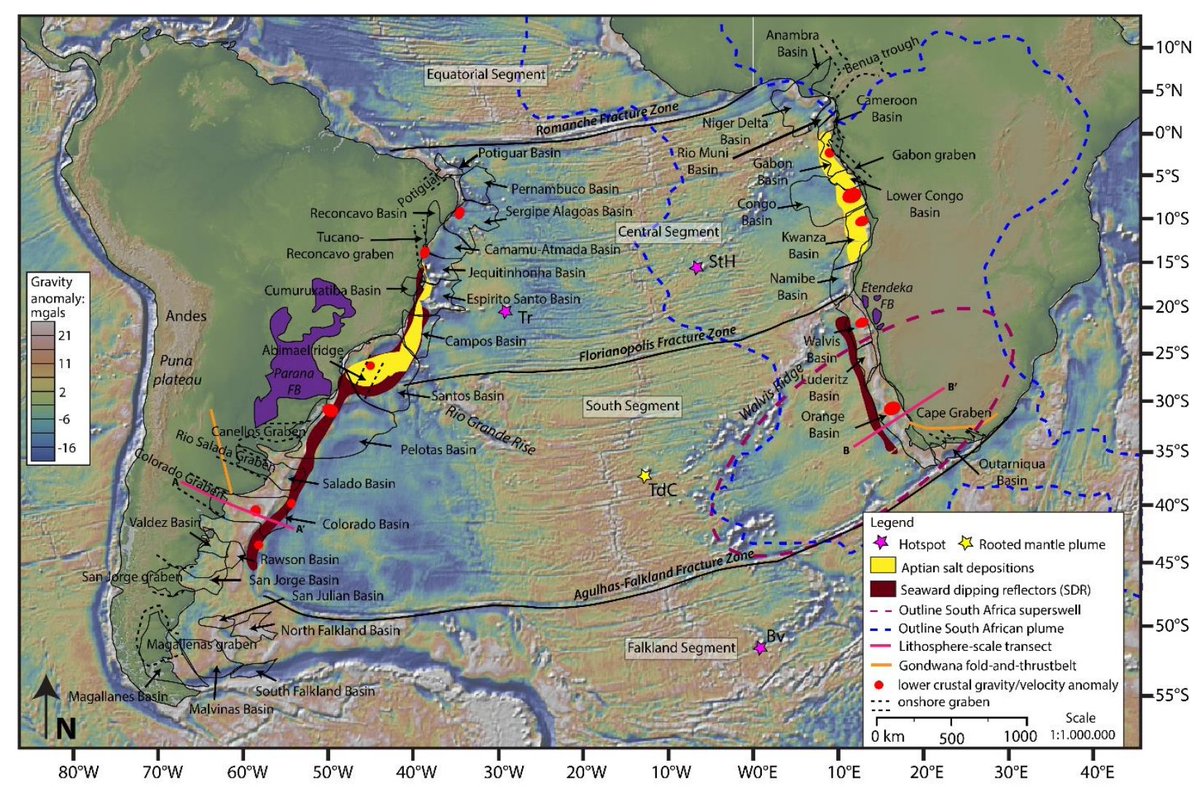
Recent intraplate 5.2 (#USGS) South Atlantic Ocean (offshore Brazil), could be associated to the reactivated oceanic fracture zone (Rio Grande/Florianopolis Fracture Zone?), triggers factors are the nearby MAR seafloor spreading and the Rio Grande Rise lithospheric loading.
One pretty cool geological fun fact is that the Scottish Highlands, the Appalachians, and the Atlas are the same mountain range, once connected as the Central Pangean Mountains
[source: https://t.co/u9taoxtSFe]
[read more: https://t.co/eFPLlBUQSv]
Multiple hotspots show periodic variations in their melt production through time. Could this be related to plumes pulsing at depth? Check out our recently
published article! w/ Eric Mittelstaedt @UIgeodynamics https://t.co/JtHetQH5JK #ASPECT#GJI
Researchers @uibgeo@UiB explain in this @NatureComms paper how exhumed mantle domes form at magma-poor continental margins & ultra-slow mid-oceanic spreading systems controlled by frictional shear zones 🌍
@ThomasTh777@UiBmatnat#geodynamics#Tectonics
https://t.co/yhS7xSXJi3
Relative continent - #MidOceanRidges elevation: A reference case for #isostasy in #geodynamics https://t.co/tNhEfuNCTA
Calibration of crustal and mantle densities consistent with geophysical observations and thermodynamic calculations using 2-D geodynamic modelling




![Rainmaker1973's tweet photo. One pretty cool geological fun fact is that the Scottish Highlands, the Appalachians, and the Atlas are the same mountain range, once connected as the Central Pangean Mountains
[source: https://t.co/u9taoxtSFe]
[read more: https://t.co/eFPLlBUQSv] https://t.co/u2LLFhfGRe](https://pbs.twimg.com/media/Fi0y6eBXEAAfAae.jpg)





