A cuenta de un dramático desahucio, gente quejándose de la aplicación de una ley socialista pidiendo que vuelva una ley franquista. Ya puedo dormirme. Buenas noches.
If you’re considering living in Japan, you’ll probably have to be independently wealthy to get permanent residency now — and you’ll also have to pass level two of the Japanese Language Proficiency Test.
Here are a few recommendations for Japanese study, though they depend on getting basic proficiency first. One is to start reading manga or books written for kids, since they include furigana that tell you how to pronounce the kanji. Another is to find audiobooks and read the actual book while listening along — that’s very helpful. There’s also a good app worth buying called Speechify, which lets you paste in large chunks of Japanese text and have it read aloud. It does a pretty good job.
The other thing, as boring as it sounds, is sentence pattern drills. You have to learn the grammatical structure, then plug in words, and keep doing it over and over until it becomes automatic. Start with basic building blocks like:
図書館で大きな声で話してはいけない。 図書館で携帯電話で話してはいけない。 図書館で音楽を鳴らしてはいけない。
That’s your “you can’t do this” or “you shouldn’t do this” sentence structure. Then maybe you stack a reason on top of it:
この場所はみんな勉強してるから大きな声で話してはいけない。 このルールだから図書館で話してはいけない。
You keep practicing these patterns until they come naturally — almost like drilling a martial art. That’s basically how I did it: the Soviet Union school of repetition and structure.
You’ll often see this kind of training called 文型練習 (bunkei renshu), but it works. You can also plug in vocabulary from your own interests as you drill the sentence structures — that’s a good way to remember words too.
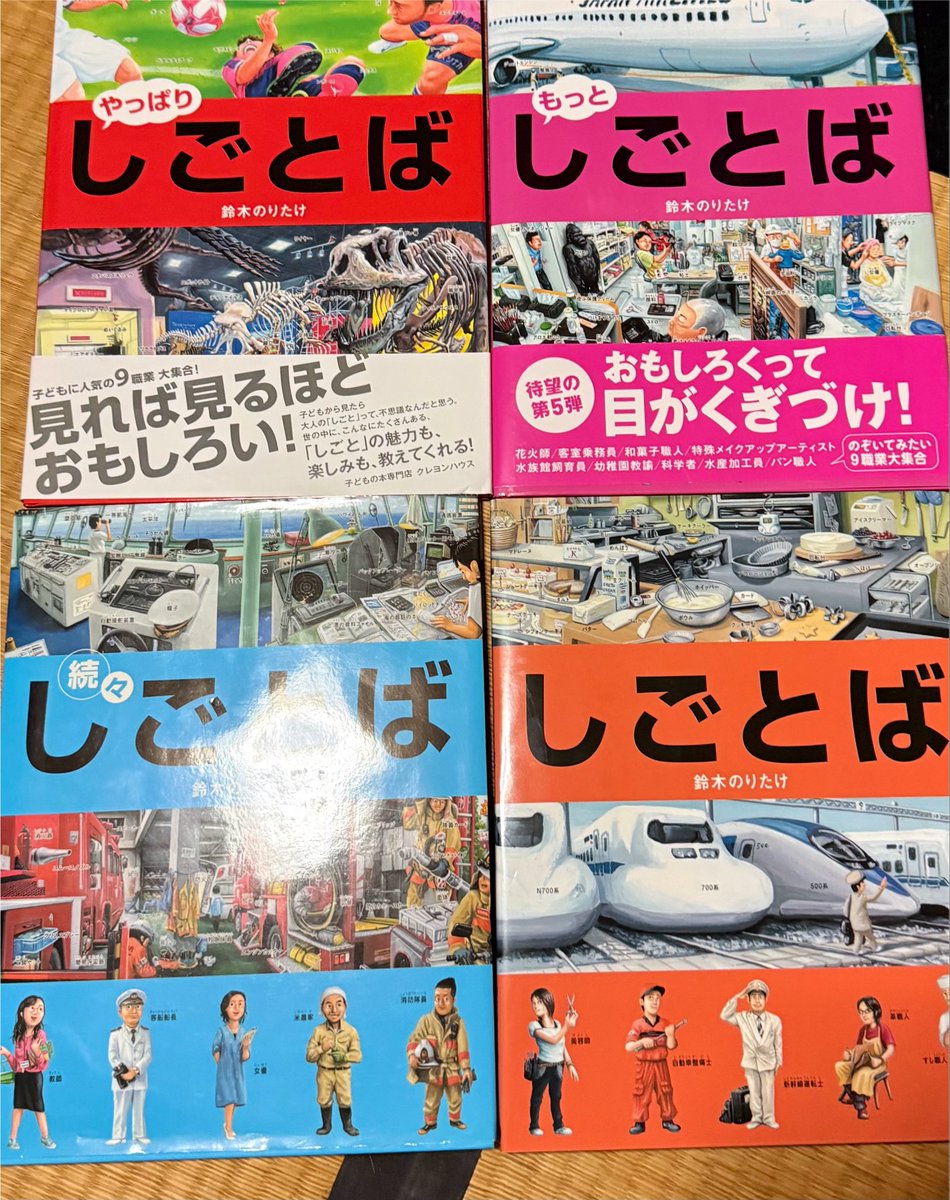
I’d also recommend that once you reach a certain proficiency, you read books written for children about different jobs. When you learn the jobs people do and the skills they need, you pick up the verbs tied to their working life. There’s one particular series that’s especially good — it has pictures, explanations, and the kind of vocabulary you’d actually pick up on the job.
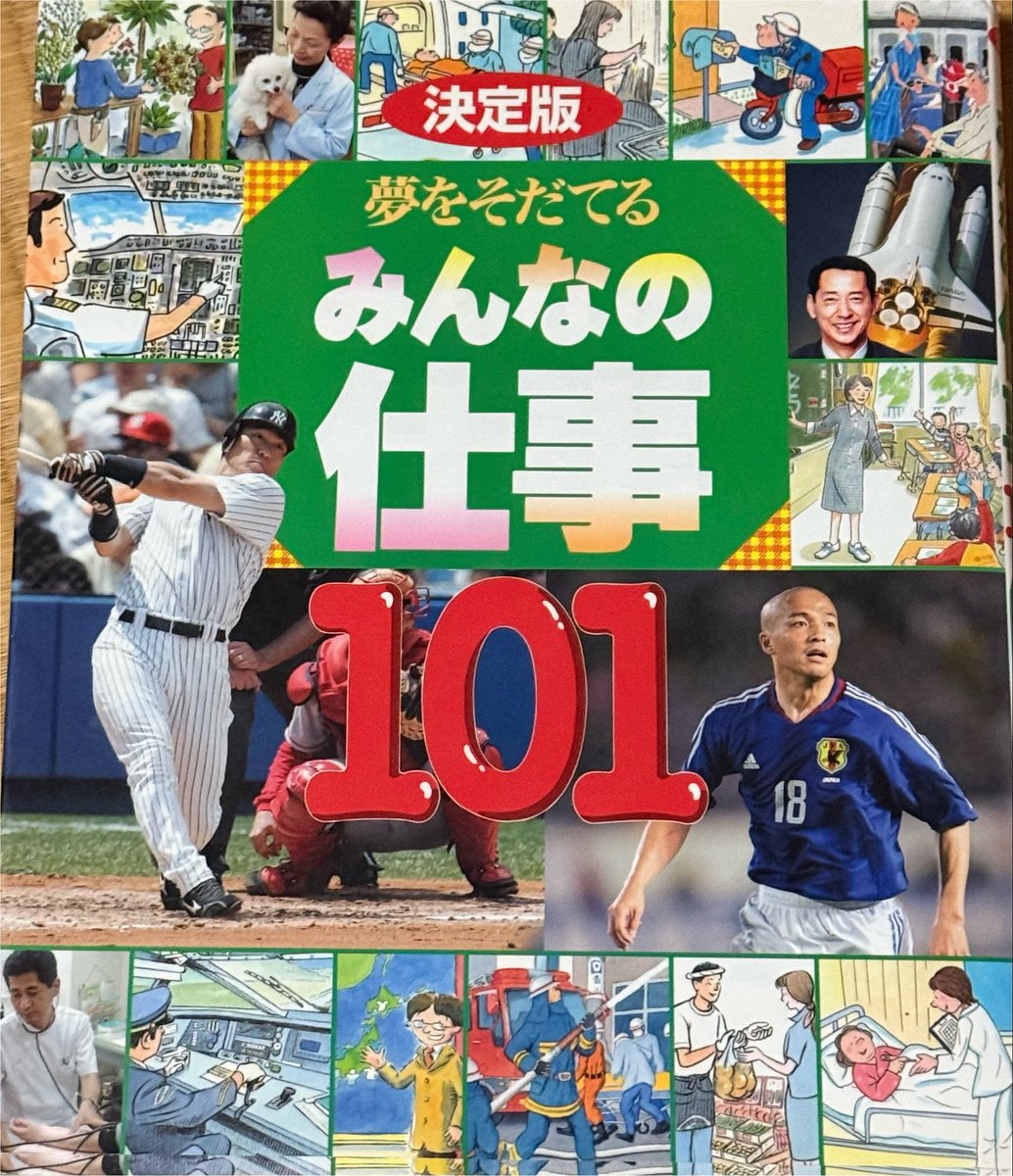
One more resource worth naming: the しごとば (“Shigotoba,” or “Workplaces”) series by illustrator Suzuki Noritake (鈴木のりたけ), which includes やっぱりしごとば (“Shigotoba After All”), もっとしごとば (“More Shigotoba”), and 続々しごとば (“Shigotoba, Continued”) — along with a related title, みんなの仕事101 (“Everyone’s Jobs 101”). These are illustrated cross-section books showing different workplaces in exhaustive, labeled detail, and they’re exactly the kind of children’s job books I mentioned — full of the on-the-job vocabulary you won’t find in a standard textbook. And for what it’s worth, having spent time in both a newsroom and training as a Zen priest, I can say the 新聞記者 (newspaper reporter) and 僧侶 (Buddhist priest) entries were dead on — right down to the clutter on the reporters’ desks and the daily rhythm of a priest’s chores.
@CarlosCortisol@ChakNorris93 El agua no actúa como un filtro seguro; el brillo del sol sigue siendo muy fuerte y daña el ojo al recibir la luz directa o reflejada sin protección adecuada.