Gabor Maté flipped the entire ADHD conversation on Joe Rogan:
He says ADHD is real, but it’s not a genetic disease like we’ve been told. It’s a coping mechanism. When a young child experiences stress (especially from parents) and can’t fight or escape, their developing brain learns to tune out. That pattern gets wired in. Years later we call it a “disorder” and reach for pills.
Maté’s take: The brain develops in relationship. Stressed, unavailable parents → stressed, distracted kids. Fix the environment and family dynamics, and the symptoms often improve dramatically.
We’ve spent decades treating ADHD as purely biological when the environment and early relationships might be playing a much bigger role than most doctors admit.
This one really made me think. I’ve seen kids (and adults) labeled with ADHD whose home life was chaotic. The idea that it could be a survival adaptation rather than just “broken wiring” feels like it explains a lot.
Do you see ADHD more as a genetic brain disease, a coping mechanism from early stress, or somewhere in between?
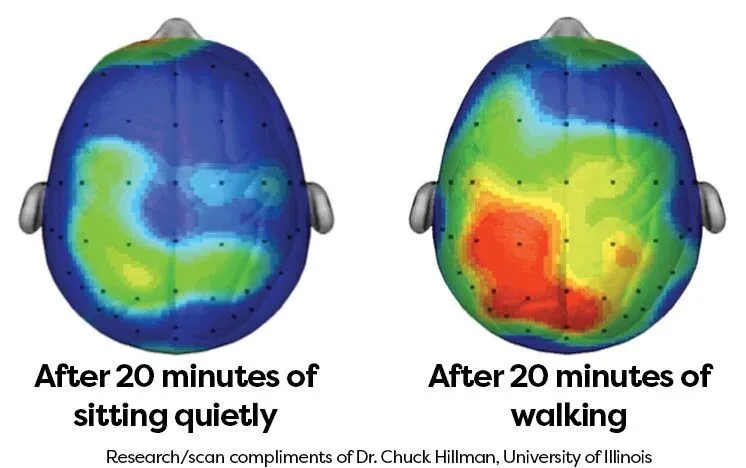
🚨Twenty minutes of walking triggers measurable brain rewiring.
That timeframe should terrify every person chained to a desk. Twenty minutes. Not twenty days, not twenty weeks. In the span of a single episode of a TV show, your brain begins physically restructuring itself at the cellular level.
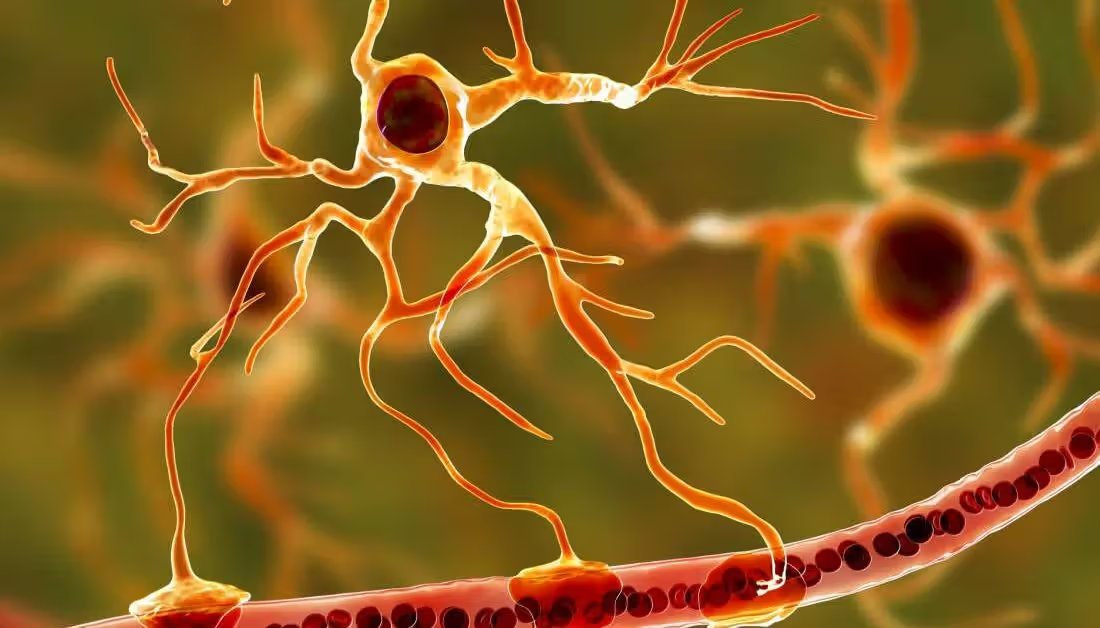
Neuroscience research reveals that this brief window of rhythmic movement activates gene expression patterns that had been dormant. Within those twenty minutes, your hippocampus starts manufacturing fresh neurons. Your prefrontal cortex begins strengthening synaptic connections. Blood flow to regions governing memory and executive function increases by 15 to 30 percent.
The implications destroy every excuse you've ever made about not having time.
Most people spend twenty minutes scrolling social media, watching random videos, or sitting in traffic. During that same period, they could literally be growing their brain. The opportunity cost is staggering. Every twenty minute block you remain sedentary is a twenty minute block your neural architecture remains static, aging, shrinking.
Researchers tracked office workers who took twenty minute walking breaks versus those who remained seated. The walkers showed immediate improvements in attention span, working memory, and creative problem solving that persisted for hours afterward. Their brains generated more alpha waves, the electrical patterns associated with calm focus and insight. The sitters showed declining cognitive performance throughout the day.
The twenty minute threshold reveals something profound about human neurobiology. Evolution wired our brains to expect regular movement. Our ancestors walked 5 to 10 miles daily while hunting, foraging, and traveling. The modern sedentary lifestyle represents a radical departure from the movement patterns that shaped our neural development over millions of years.
When you walk for twenty minutes, you're not just exercising. You're activating the biological programs that built human intelligence. The rhythmic gait pattern synchronizes brain waves across multiple regions. The increased oxygen delivery feeds neural tissue that's been starved by prolonged sitting. The gentle stress of movement triggers adaptive responses that make your brain more resilient.
Psychology studies reveal that twenty minute walks reduce cortisol levels more effectively than meditation apps, therapy sessions, or pharmaceutical interventions. Cortisol, the chronic stress hormone, shrinks the hippocampus and impairs memory formation. Walking doesn't just lower cortisol. It reverses the brain damage that elevated cortisol causes.
It's found that people who sit for more than 8 hours daily show brain patterns identical to patients with early stage dementia. Their hippocampi are visibly smaller. Their white matter is less organized. Their processing speed declines measurably with each passing year.
Twenty minutes of daily walking can prevent and reverse these changes.
The research suggests that sedentary behavior isn't just bad for your heart and muscles. It's a form of accelerated brain aging. Every hour you spend immobile, your cognitive capacity degrades in ways that compound over time. The good news is that those changes aren't permanent. The brain retains remarkable plasticity throughout life. But you have to activate that plasticity through movement.
Silicon Valley executives have started conducting meetings while walking. They report better decisions, more creative solutions, and clearer thinking. They've accidentally rediscovered what Aristotle knew 2,400 years ago: the best ideas emerge when the body moves and the mind follows.
Your brain evolved to think while moving. Sitting still for hours violates the fundamental architecture of human cognition. Every step you take sends electrical signals through your nervous system that say: stay sharp, build connections, generate insights.
Twenty minutes. That's all it takes to begin rewiring decades of neural stagnation.
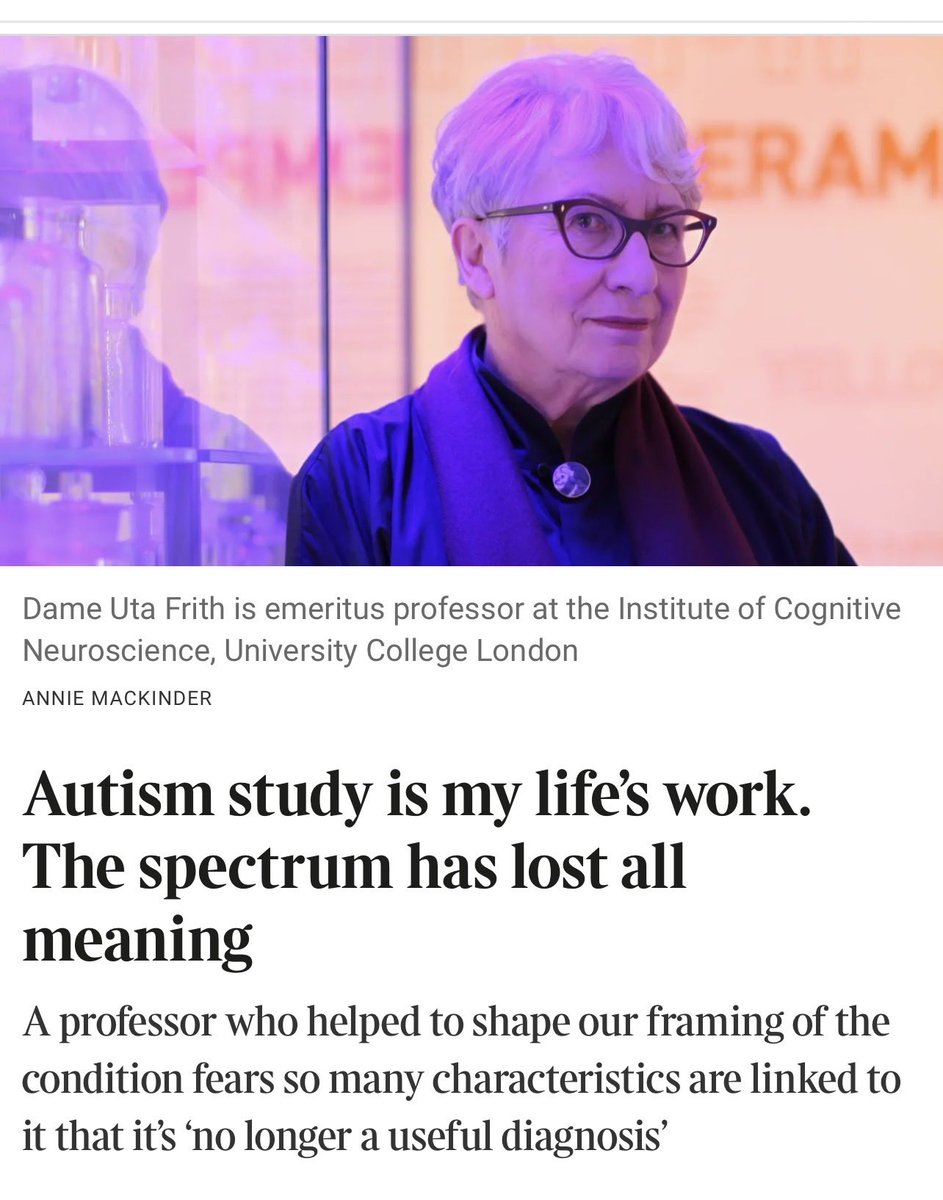
Autism:
“The spectrum has become so accommodating that I fear that it has now been stretched so far that it has become meaningless and is no longer useful as a medical diagnosis.”
Problem is that psychologists, and increasingly a flood of master’s level therapists have come to rely on the autism diagnosis to support their practice. Their livelihood. I suspect schools face a similar reliance on autism diagnoses for extra funding.
Furthermore: Parents love it because their child gets extra services. Students love it because it makes them special. Drug companies love it because they profit from drugs.
Psychologists are supposed to be the gatekeepers on diagnoses, but we are not doing very well at it.
Gabor Maté laid out the four non-negotiable needs every child has — and modern life is failing most of them.
In this 38-second clip he says children require:
- Strong, constant attachment to adults who are truly present
- To never have to “work” or perform to keep their parents’ love and approval
- Full permission to feel and express every emotion without shame or rejection
- Free, unstructured play in nature — no gadgets, no screens, no internet games
These aren’t nice-to-haves.
They’re essential for healthy human development.
When any of these is missing, the damage shows up later — anxiety, disconnection, emotional shutdown, addiction to screens as a substitute for real connection.
In 2026, with kids spending more time on devices than in free play, and parents often distracted or conditional in their presence, how many of these four needs are actually being met?
Which one do you think is being violated most in today’s world — and what are you doing (or planning) to protect it for the kids in your life?
These two clips have been available to every broadcast news outlet since Last Friday. They kill Anas Sarwar's smear campaign stone dead. Not one broadcaster has shown them. So, why aren't they being shown? Is pressure being applied?
Show these to your friends & family folks.
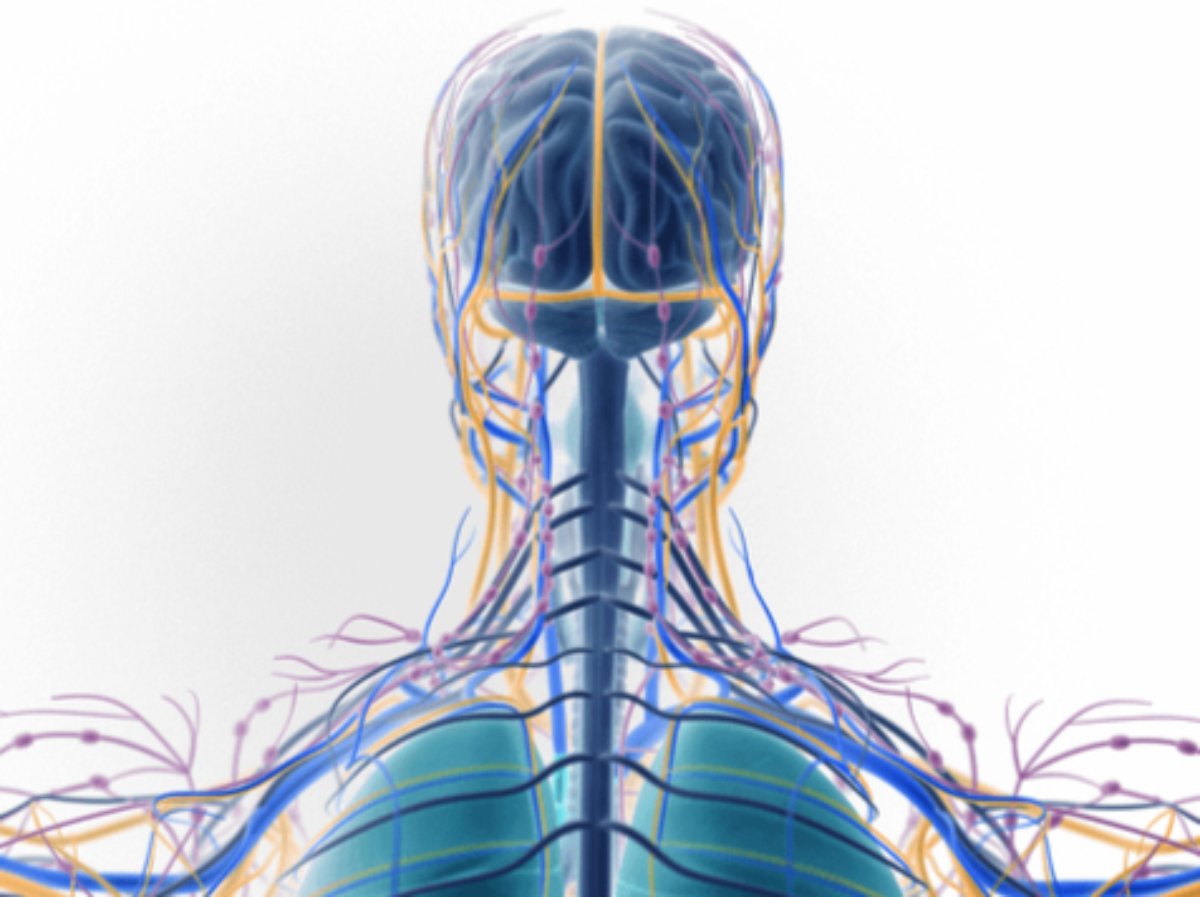
Your brain has a secret detox system that activates when you sleep:
The Glymphatic System.
When clogged, it traps toxins tied to Alzheimer's, brain fog & memory loss.
99% of people don't know it exists.
Here's how to activate it & protect your brain🧵
Dr. Gabor Maté reframes ADHD with profound compassion:
In stressed families, a highly sensitive child absorbs the tension → tunes out as a survival coping mechanism.
These kids often have deep empathy, warm hearts, and hidden talents — but crave emotional security above all.
Not "fix the behavior" — make them feel truly safe and understood.
48-sec clip hits the heart
Parents/anyone touched by ADHD — does this resonate?
Here’s a special clip for those who believe unregulated free market capitalism is the only answer.
It maybe the only answer for the top 1%, but what if I could prove that social democracy was more efficient, while at the same time delivering a more equitable society?
Thanks to Cultural Perspective for the clip.
Tid til at sige hej til mine danske venner og takke dem for deres støtte.
🎥 TikTok - https://t.co/FniNONzajT
Latest data shows there was an alarming rise in the number of children and young people referred to the government’s Prevent programme due to concerns they were susceptible to radicalisation. https://t.co/SXsdeZTgdi
BREAKING: A UN inquiry has concluded that Israel is committing genocide in Gaza.
This adds to the growing consensus among international legal scholars and human rights organisations.
All eyes are now on the UK Government who must stop indulging in genocide denial.
It must fulfil its legal and moral responsibility by taking immediate, decisive steps to prevent and punish genocide.
Denmark has taught empathy in schools since 1993, helping children aged 6–16 develop compassion and social awareness. This early focus on emotional education has reduced bullying and fostered one of the world’s kindest societies.