El modelo tradicional de evasión de EDR acaba de quedar obsoleto.
Antes, un operador de Red Team pasaba días ofuscando un payload manualmente, cruzando los dedos para que no saltara ninguna alerta al tocar memoria.
El creador de emp3r0r acaba de darle la vuelta a la mesa integrando un bucle de evasión autónomo impulsado por IA (adoptando el arnés de ARTEX y servidores MCP):
El sistema genera el payload, lo somete a prueba contra telemetría real y lo reescribe una y otra vez por sí solo hasta que el nivel de detección cae a cero. Sin intervención humana.
Esto ya no es solo un C2 multiplataforma para Linux y Windows con ejecución en memoria y malla P2P autorreparable. Es infraestructura ofensiva que aprende a esconderse sola.
Para los equipos de Blue Team: si siguen basando sus detecciones en firmas estáticas o patrones predecibles, van a llegar tarde.
El código ya es público y open source en GitHub , lo dejo en comentarios
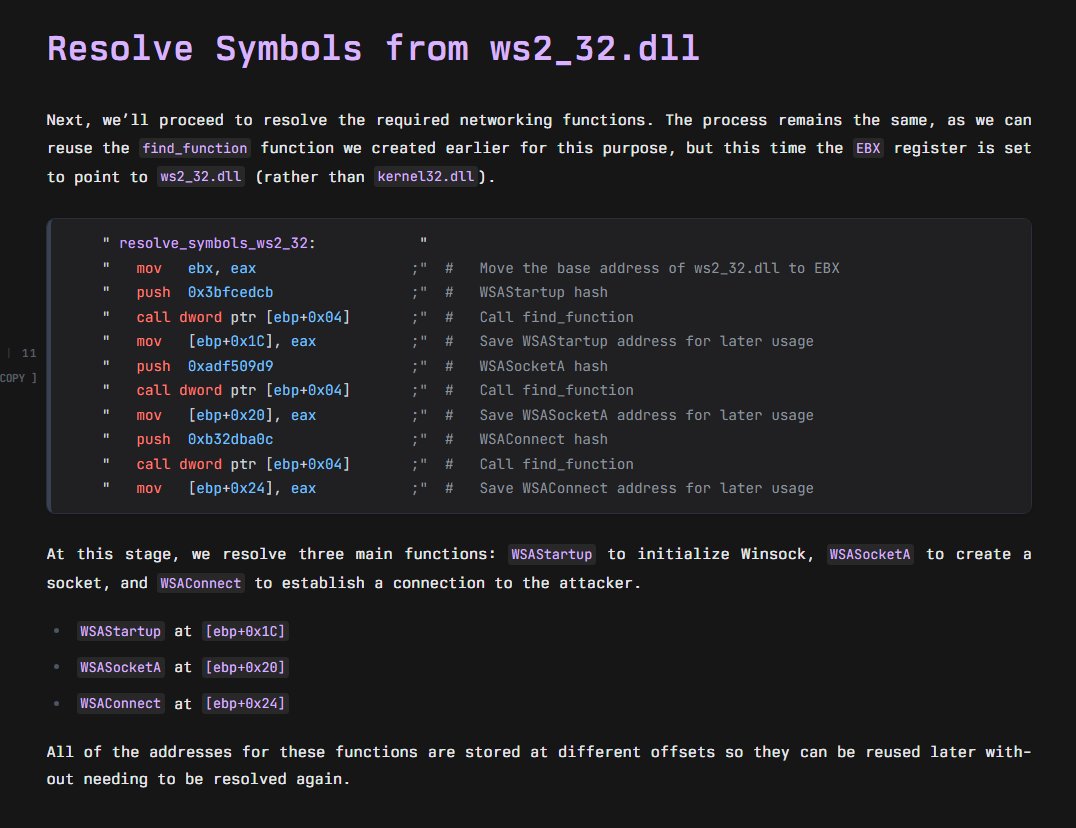
Windows User Mode Exploit Development memN0ps Series:-
Basics Pt 1: https://t.co/EltfALmcNr
SEH Part 2: https://t.co/74yeagnDTe
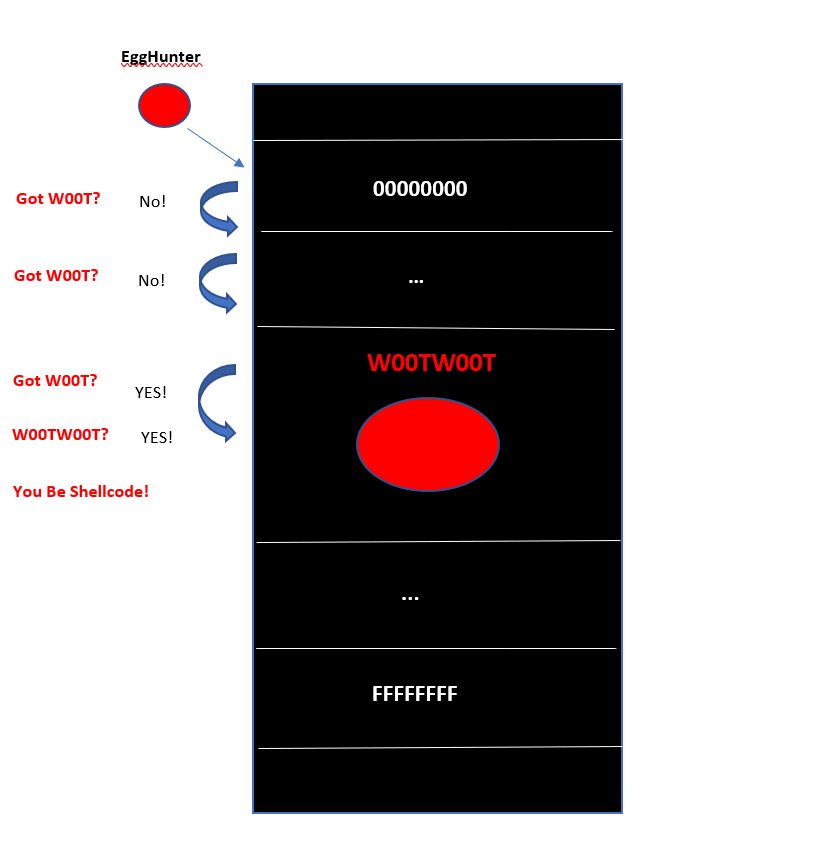
Egg Hunter Pt 3: https://t.co/24TywGftZY
DEP Part 4: https://t.co/OT514lUXhp
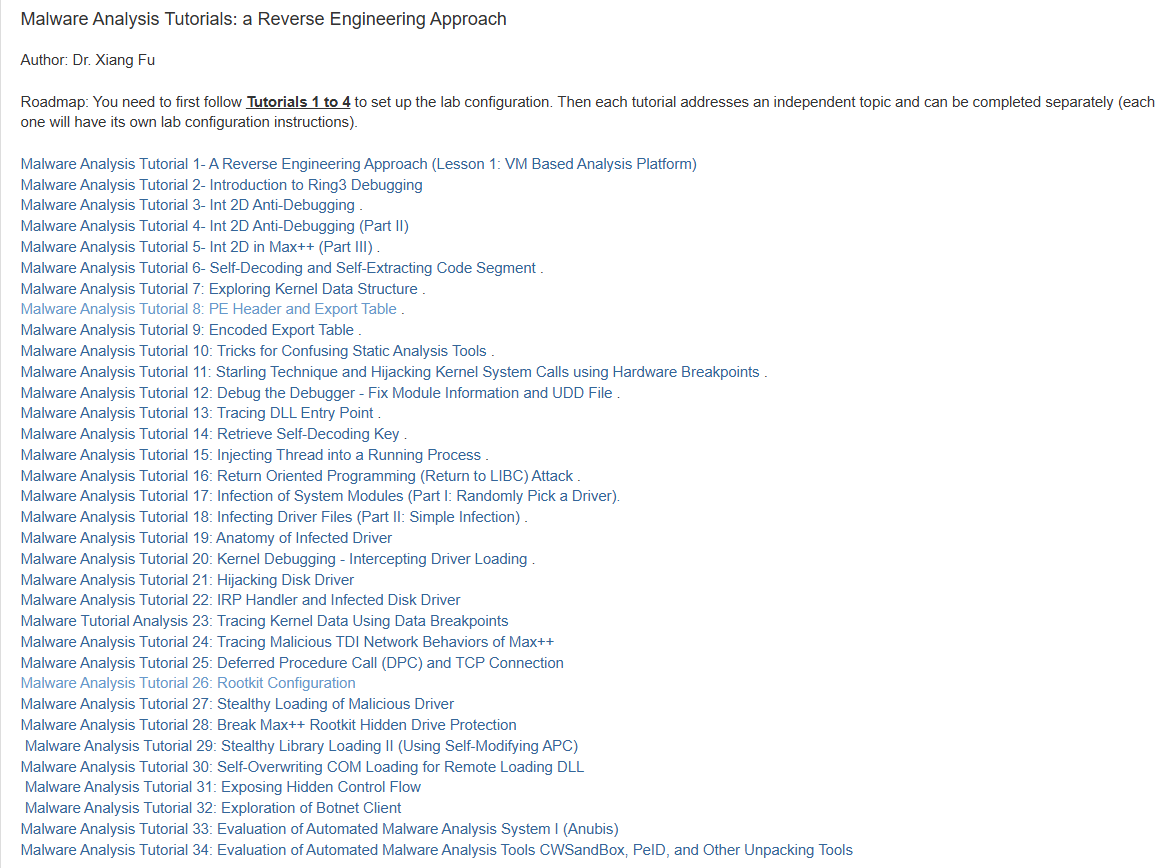
Do you know Google Flare team ( an elite reverse engineering and malware analysis unit ) has a crash course that explains and teaches malware analysis from basics to advanced step by step.
Link :- https://t.co/hWQoJP1Nwp
PHP Remote Code Execution (CVE-2026-109618 & CVE-2026-109619)
Information about two new remote code execution (RCE) vulnerabilities in PHP, tracked as CVE-2026-109618 and CVE-2026-109619 (CVSS v3.1 10 / 10), has leaked ahead of their coordinated disclosure, and security firm Watchtowr Labs confirmed that the flaws are real. Both vulnerabilities are due to be disclosed on Thursday, October 22, alongside patches. Until those advisories land, no fix is available, which leaves the flaws as zero-days in PHP installations everywhere.There is currently a scheduled release of an advisement and possible patch on Wednesday, October 21 2026 at 14:00 UTC.
Below is a video of a researcher, maybe the original researcher, showcasing the exploits.
#CTI #BlueTeam #ThreatIntel #CVE-2026-109618 #CVE-2026-109619
How to detect the Apple iOS/macOS recent 0-day CVE-2026-86950 in PDF files?
I developed a python tool for that, based on the PoC published two days ago.
https://t.co/TIlyHznHAJ
Huntress's Andrew Brandt writes about a less known RMM called Tiflux, which is being used in a growing number of attacks that aim to establish persistence, transmit screenshots, and run commands to collect system profiling information. https://t.co/d9rsbC56xO
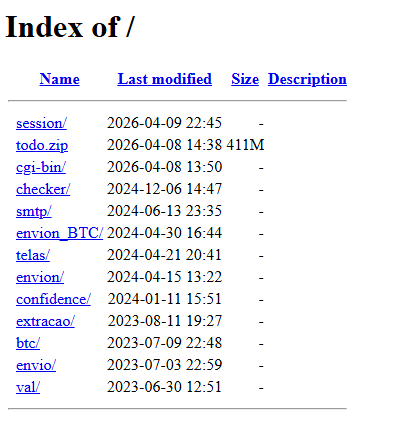
#Malware#Mispadu 🇧🇷
Se volvieron tan vagos que ya no esconden la infra de spam
Apuntando a 🇦🇷
Site opendir
hxxps://uglmkt.com/
Link mail (redirige a sitio que descarga Zip+hta)
hxxps://u.to/RmN7Ig
hxxps://u.to/YmN7Ig
hxxps://u.to/h2N7Ig
hxxps://u.to/xGN7Ig
hxxps://u.to/9GN7Ig
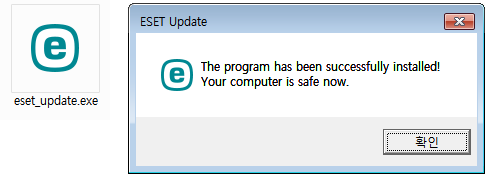
#APT#Kimsuky
Kimsuky distributed malware is disguised as ESET Update.
Mutex : GoogleUpdate_01
ae986dd436082fb9a7fec397c8b6e717
general-second.org-help[.]com
#VirusTotal has a special field for mutexes (mutexes_created) in their Yara plugin. You can basically hunt for mutex references in the malware behaviors. I have found this useful on several occasions.
Here is an example hunt for common Remcos mutexes:
REMnux based on Ubuntu 24.04 (Noble) is available now, along with a new, more resilient installer. Available as prebuilt VMs for VMware, Proxmox and VirtualBox, as well as a Docker container. Get your malware analysis toolkit from https://t.co/ztNfHgnq9O.
Checked out the new website (https://t.co/6mhn9Od1ni) for "Rootkits and Bootkits: Reversing Modern Malware and Next Generation Threats" by @vxradius , @sergeybratus and me.
The new book is in progress, stay tuned!
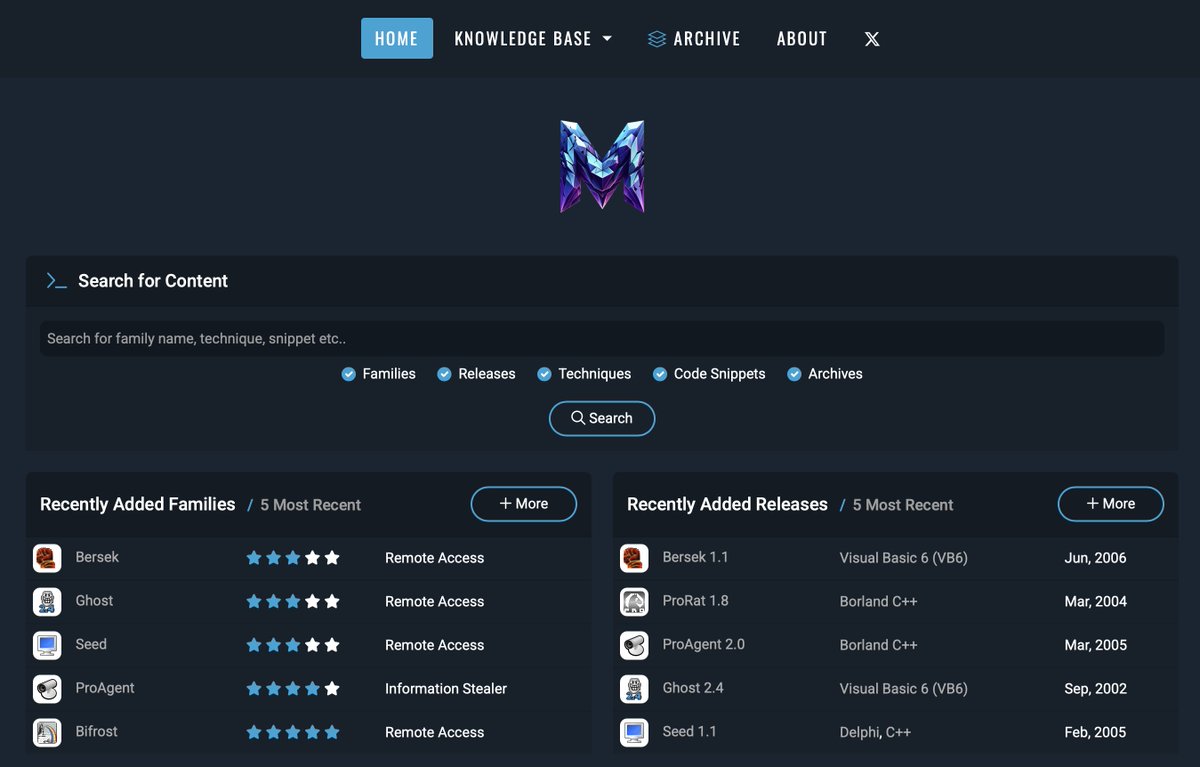
🚀You can now search for malware families, releases, techniques, and code snippets, including archives on Malware Gallery: https://t.co/GxON85HUXh
#InfoSec#Malware#DFIR