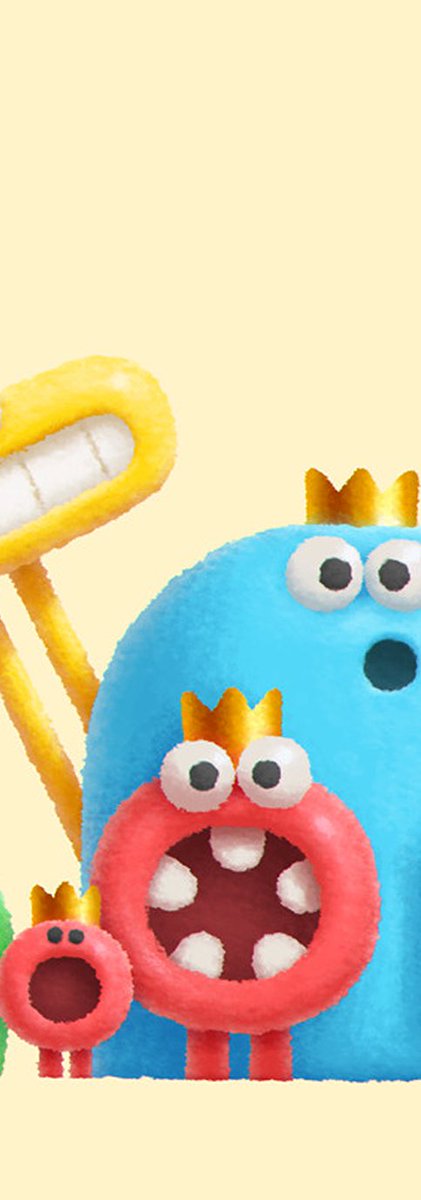
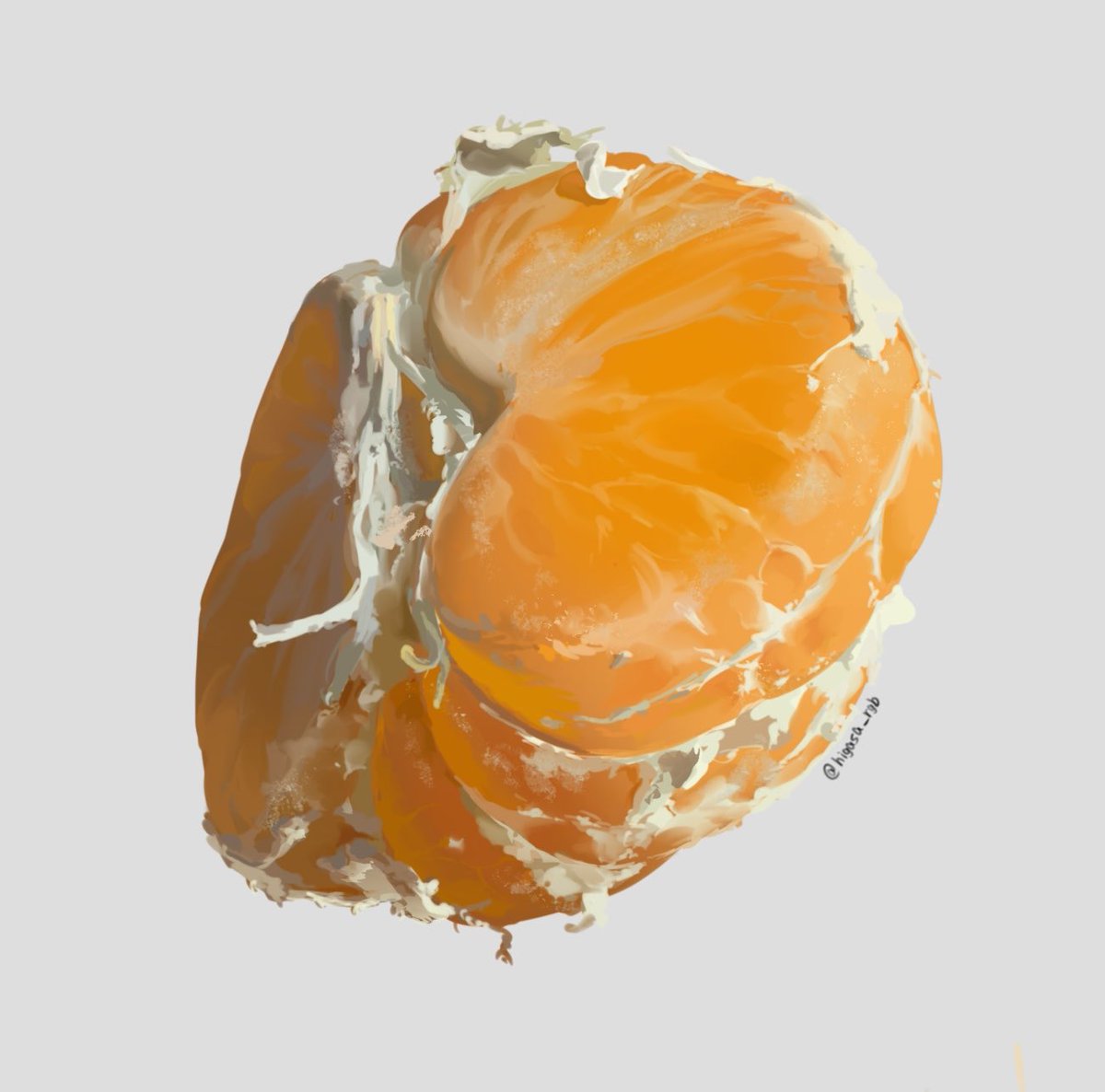
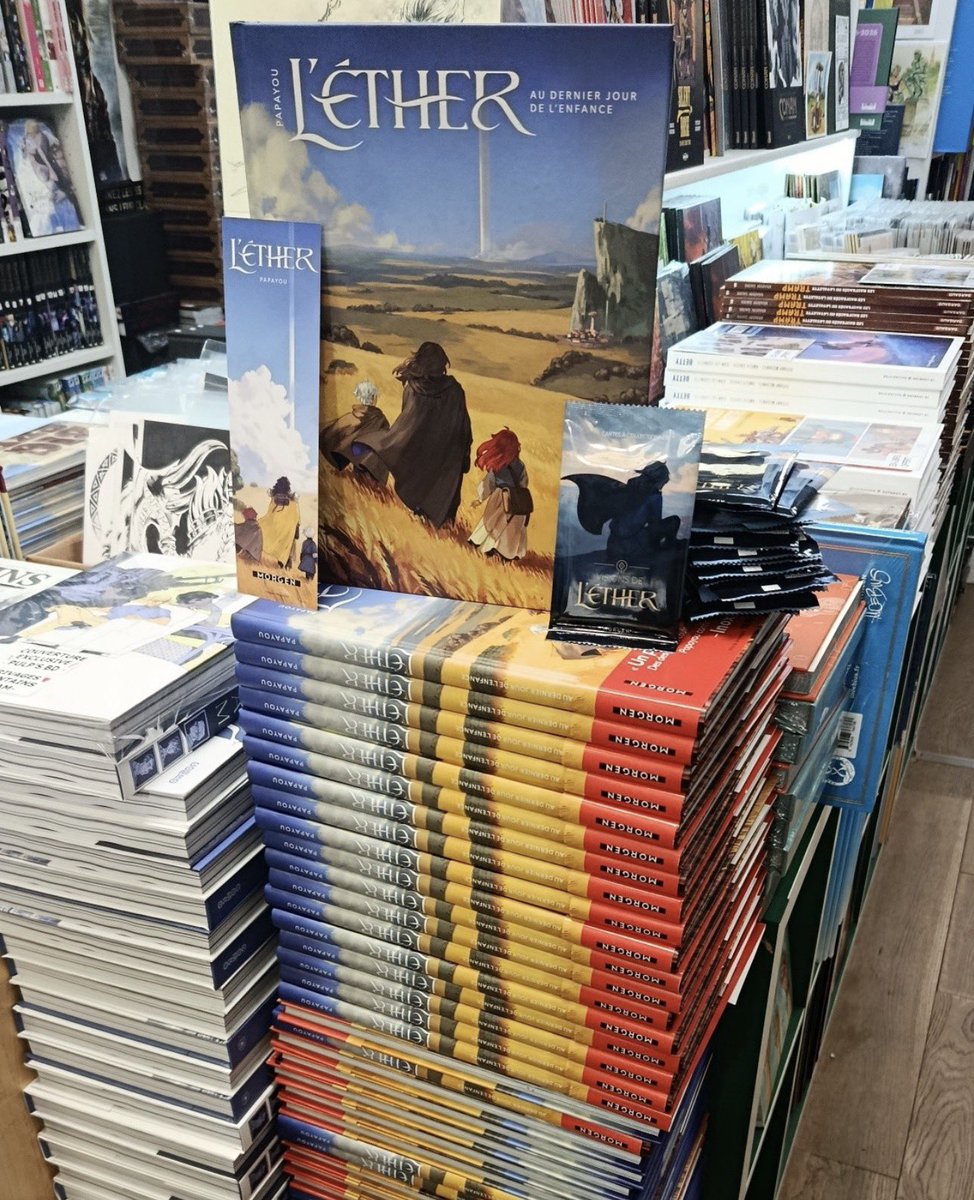
I had the chance to work on this poetic short film directed by @VincentJoubert4 : Fred - Les Contes du Rêve-Minuit. I have designed, modeled, textured and shaded the small insect you can see at the beginning of the movie.
https://t.co/9cA4h0xn5t
#zbrush#b3d#python
After almost a year in development, Ucupaint 3.0 is finally here! Cleaner UI, dedicated height/displacement channel, unified preview mode, adjustment layer, new decals, and much more! Biggest Ucupaint update yet! 🦣 https://t.co/mdYLg2d92z #ucupaint#b3d
@OliaSvetlanova Super encouraging! I guess you are planning to make a PR at some point too!
Really nice to see the progress and improvement! Thank you for that 🙂
#TexturePainter is really aimed at Akvis and similar tools but directly in #Blender. Drag and drop your images in the image editor and let it paint.
It can also paint on your PBR textures, multiple materials and your render passes in the compositor.
I'm gonna show this soon
Shoulder and chest deformation is notoriously one of the hardest problems to solve in character rigging.
Most technical artists rely on dozens of corrective blendshapes, heavy muscle systems, or complex deformers to prevent mesh collapse. But Matt Le-Fevre, Senior Technical Artist at Ninja Theory, tackled it using 100% joints attached to curves—with zero blendshapes required.
By letting poses drive authorable curves, the underlying joint skeleton handles non-linear movement, volume preservation, and twist offsets seamlessly.
Are you still relying on corrective blendshapes for shoulder rigs, or are you moving toward pose-driven curve and RBF joint setups?
Fresh off the GNM launch (https://t.co/ipjLFnYClm), here’s a closer look at what you can do with it!
GNM is fully open-source, meaning that you can build right on top of it. Here I’m using normalized vertex groups in Blender to mask different regions while randomizing identities.
And if you want to go beyond realism you can always push these settings further to create stylized characters.