Cognitive neuroscientist Julia Mossbridge, Ph.D, says these memories from the future could mean the notion of time might not be as linear as we imagine.
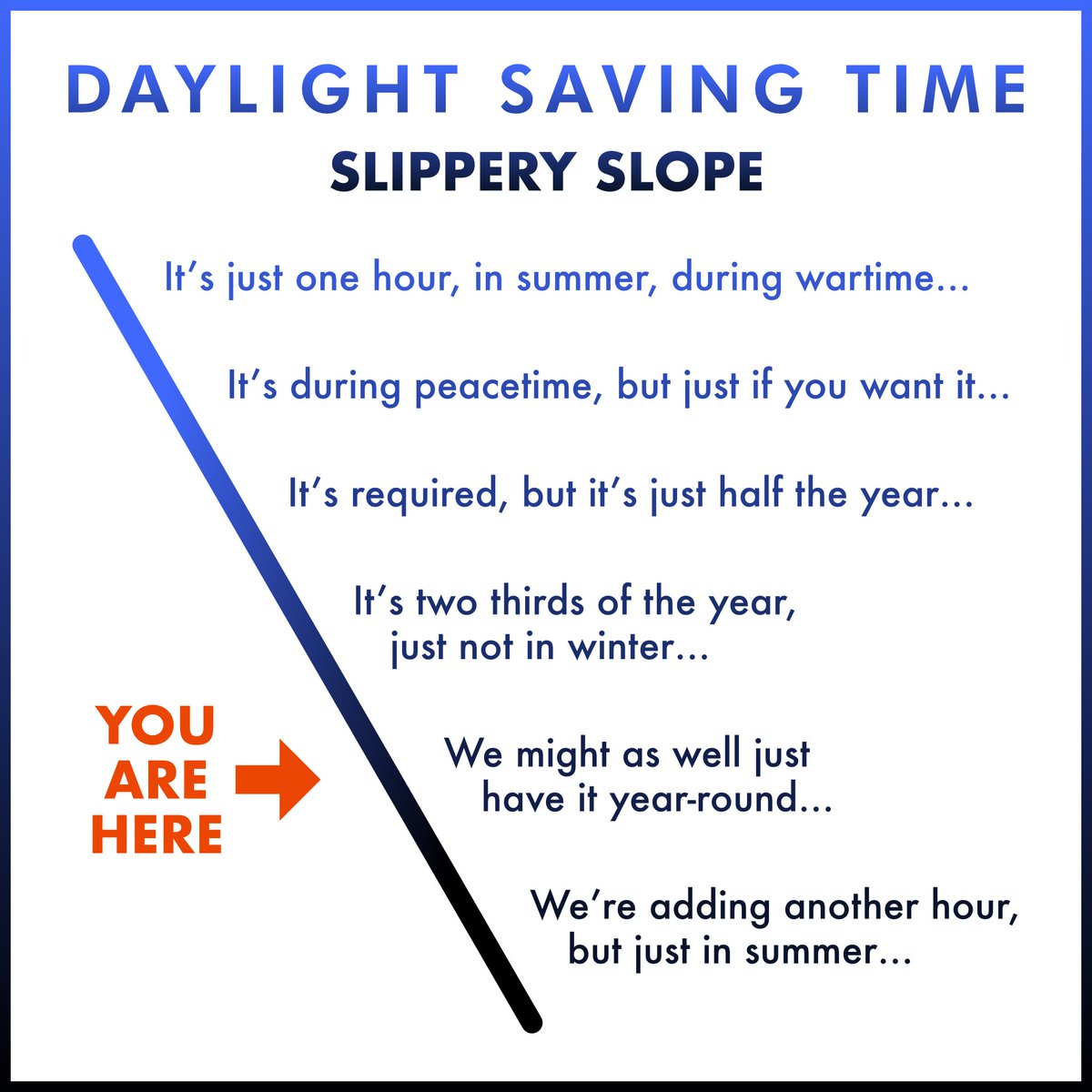
@SaveStandard This is such a good way, the graphic, of supporting the pro-Standard Time argument, what would the DST camp have to come up with to counteract it?
Longcase striking clock known as "Mamsellklocka," crafted from painted wood, originating from Österbotten, Finland, early 19th century AD. Currently housed in the National Museum of Finland.
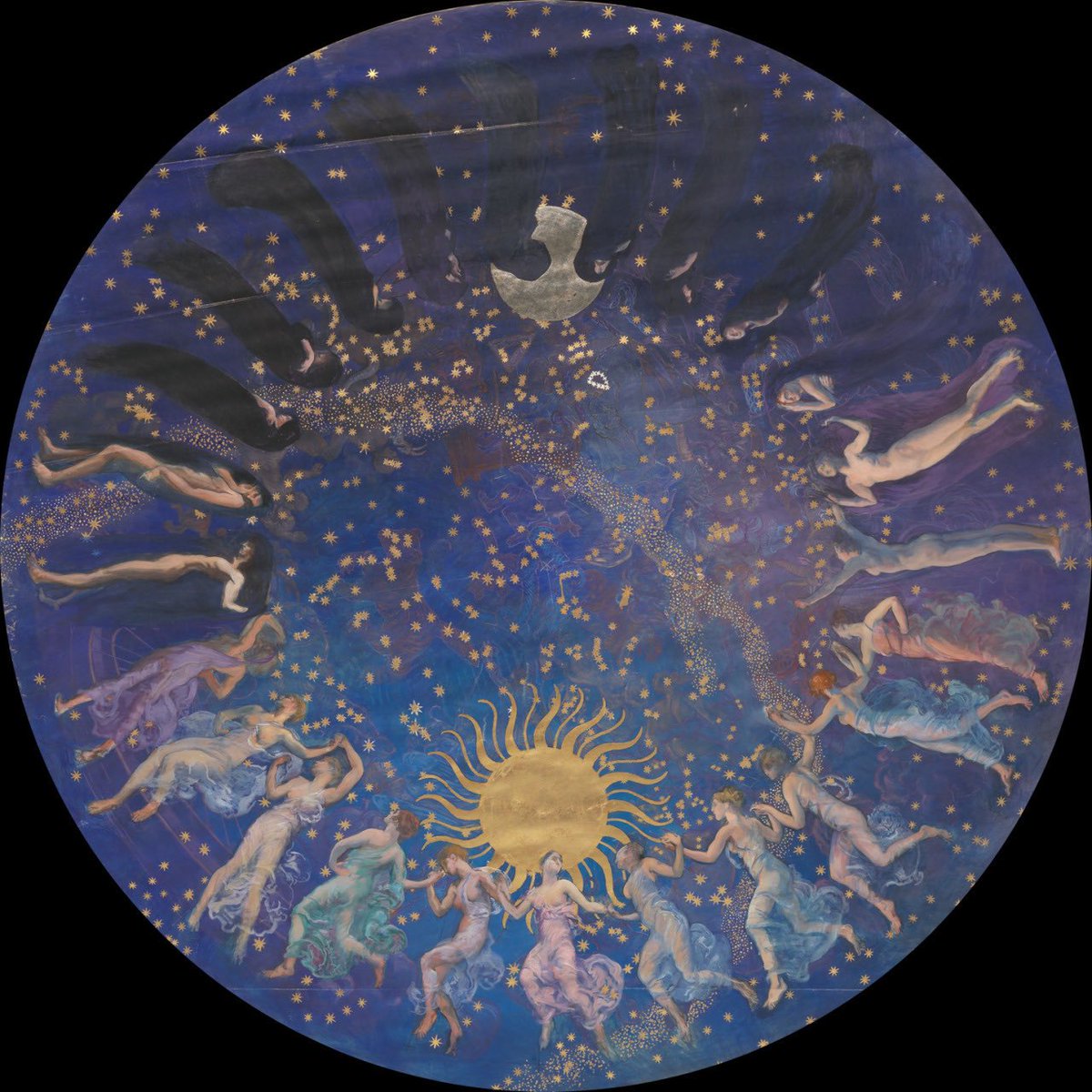
@SaveStandard I look at this image taken from ArtemisII, and to think some small minds down there tinkering with the clock believing it makes them the smart ones. We really need a major perspective adjustment.
The individuals you surround yourself with can literally reshape how your brain and body respond to stress through physiological changes in your nervous system.
Our autonomic nervous systems aren't solitary—they actively interconnect via a process called co-regulation, where one person's regulated state helps stabilize another's. During interactions, our physiological signals—such as heart rate variability, breathing rhythms, and stress hormone levels—begin to synchronize, a dynamic often described as limbic resonance (the attunement of emotional and limbic brain regions between people).
Spending time with calm, supportive people can reduce cortisol (the primary stress hormone), enhance vagal tone (improving parasympathetic recovery from stress via the vagus nerve), and foster a sense of safety. In contrast, prolonged exposure to negativity, criticism, or chaos can lock the body into a chronic sympathetic "fight-or-flight" mode, heightening hypervigilance, defensiveness, and overall stress reactivity.
Thanks to neuroplasticity, repeated social experiences literally rewire neural pathways over time. We don't merely "pick up" someone's mood—we unconsciously mirror their autonomic state through nonverbal cues, then reinforce it via ongoing biological feedback loops (drawing from concepts in polyvagal theory and interpersonal neurobiology).
This makes curating your social environment a biological imperative for mental and physical health: Prioritize relationships with reliable, grounding individuals who promote regulation, while establishing clear boundaries with those who consistently dysregulate you. These choices aren't optional preferences—they're essential strategies for cultivating resilience, emotional balance, and a secure internal state in an interconnected nervous system.
[Red Beard Somatic Therapy. (2023). The Power of Co-Regulation. Red Beard Somatic Therapy]
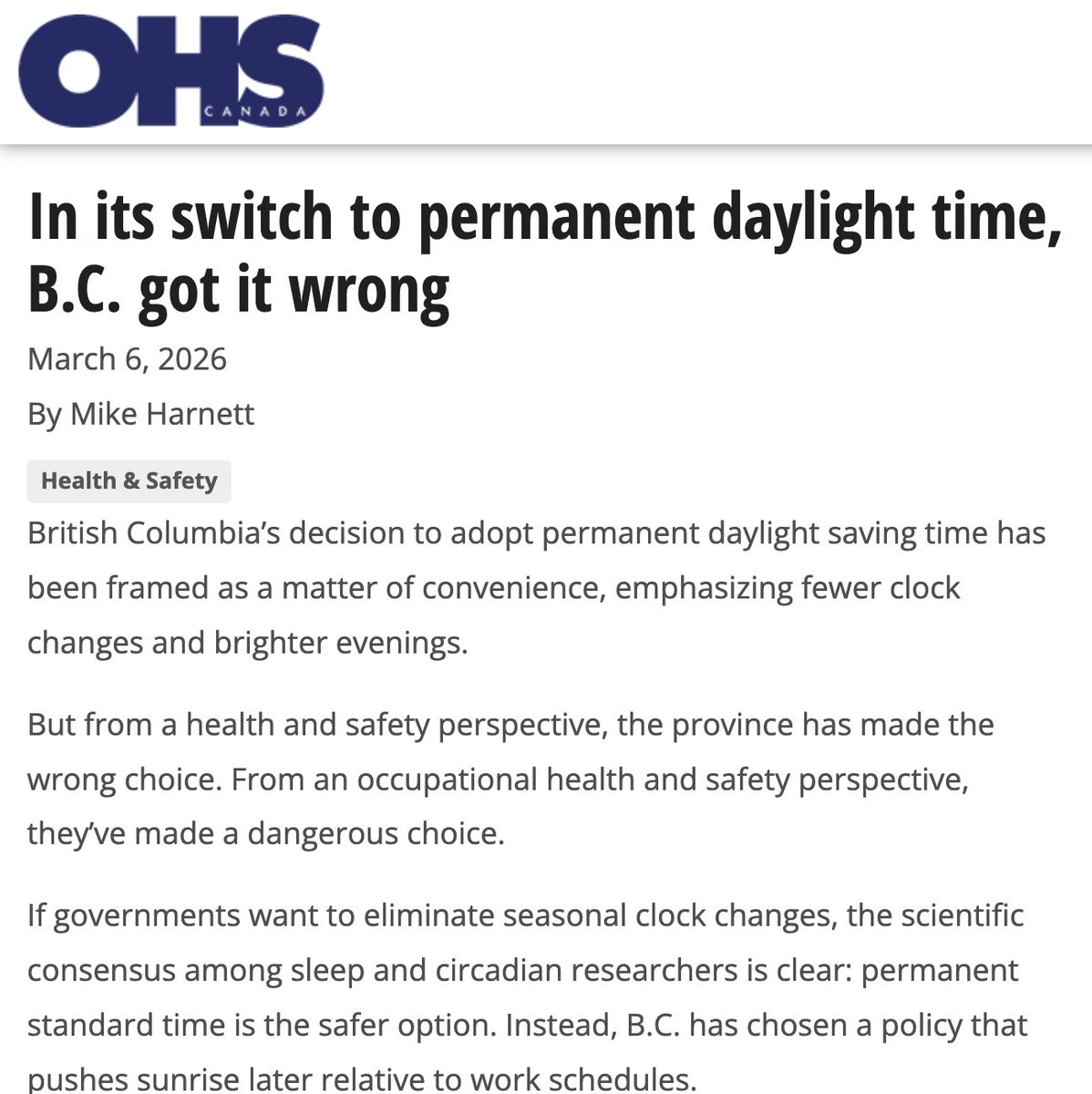
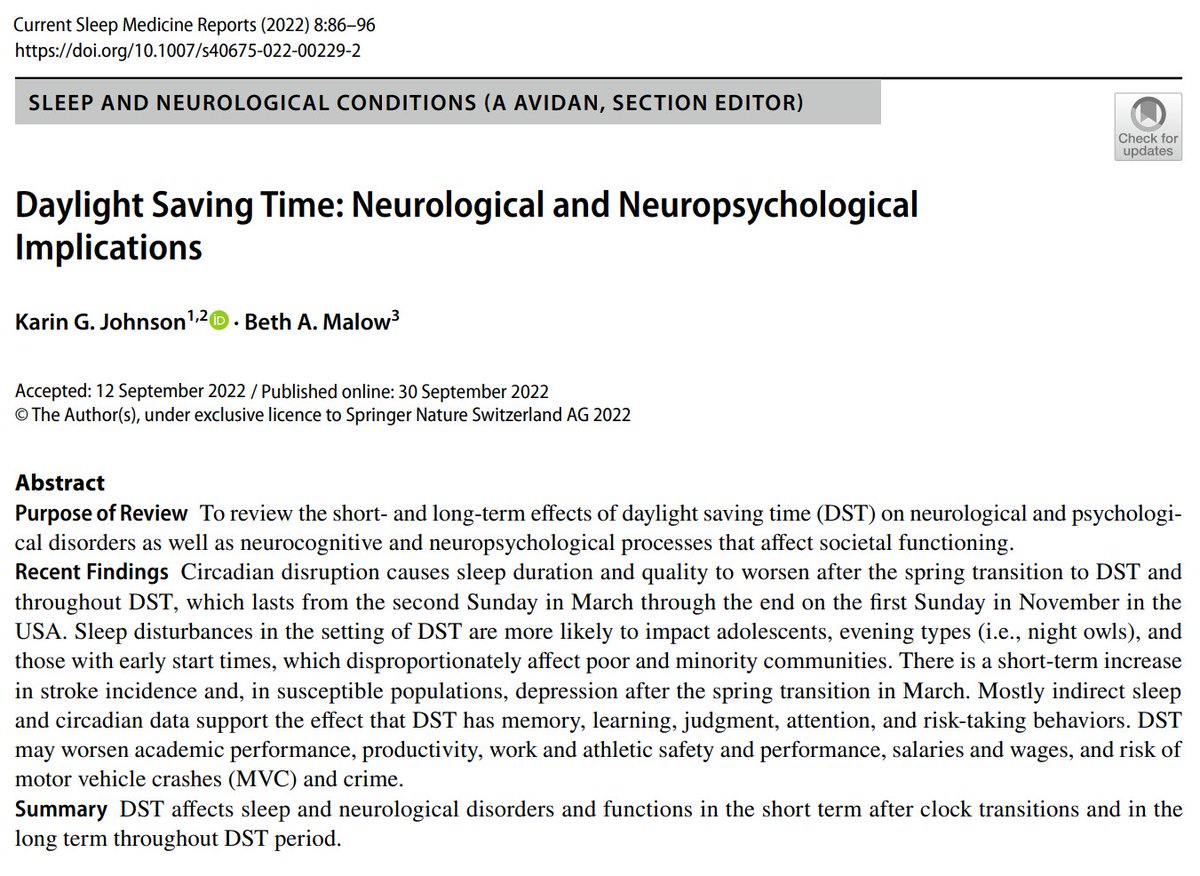
“Cognitive function is biologically tied to morning sunlight… Under permanent Daylight Saving Time, winter sunrise occurs after 9am… Artificial light cannot replicate the biological effect of morning sunlight…”
Apple spent a decade gluing batteries into $2,499 MacBook Pros. Then it shipped a $599 laptop you can take apart in six minutes.
The MacBook Neo teardown numbers are wild. Eight screws to open. Eighteen screws hold the battery, zero glue, zero tape. The USB-C ports, speakers, and headphone jack are all modular, meaning each one swaps individually. The speakers come out with four screws. An Australian repair channel disassembled most of the machine in under six minutes using standard Torx bits you can buy at any hardware store.
For context, the 2019 MacBook Pro scored 2 out of 10 on iFixit’s repairability scale. The 16-inch Pro got a 1 out of 10. Soldered RAM, soldered storage, glued battery, proprietary pentalobe screws, keyboard riveted to the top case. Apple’s own Self Service Repair program required you to rent a 79-pound repair kit shipped in two Pelican cases just to swap a battery.
The timing explains everything. The EU Right to Repair Directive takes effect July 31, 2026. Member states are transposing it into national law right now. Manufacturers must offer repair beyond warranty, provide spare parts within 5 to 10 working days for seven years, and publish repair manuals. In the US, over a quarter of Americans already live in states with enforceable Right to Repair laws. Oregon banned parts pairing. California’s act is in effect.
Apple read the regulatory calendar and realized the cheapest laptop in the lineup would face the most scrutiny. Millions of students and first-time buyers will own it. The volume will be enormous. And regulators love consumer-protection cases involving the most affordable products in a company’s portfolio.
So they built the Neo as the compliance flagship. Standard screws, modular ports, no adhesive, a battery that lifts out. Meanwhile the $1,099 MacBook Air still has soldered storage and a riveted keyboard. The $2,499 Pro still scores poorly on independent repairability scales.
The $599 laptop is the most repairable MacBook in over a decade. Apple always knew how to build a repairable laptop. They just needed a reason that showed up on a regulatory deadline.







![Rainmaker1973's tweet photo. The individuals you surround yourself with can literally reshape how your brain and body respond to stress through physiological changes in your nervous system.
Our autonomic nervous systems aren't solitary—they actively interconnect via a process called co-regulation, where one person's regulated state helps stabilize another's. During interactions, our physiological signals—such as heart rate variability, breathing rhythms, and stress hormone levels—begin to synchronize, a dynamic often described as limbic resonance (the attunement of emotional and limbic brain regions between people).
Spending time with calm, supportive people can reduce cortisol (the primary stress hormone), enhance vagal tone (improving parasympathetic recovery from stress via the vagus nerve), and foster a sense of safety. In contrast, prolonged exposure to negativity, criticism, or chaos can lock the body into a chronic sympathetic "fight-or-flight" mode, heightening hypervigilance, defensiveness, and overall stress reactivity.
Thanks to neuroplasticity, repeated social experiences literally rewire neural pathways over time. We don't merely "pick up" someone's mood—we unconsciously mirror their autonomic state through nonverbal cues, then reinforce it via ongoing biological feedback loops (drawing from concepts in polyvagal theory and interpersonal neurobiology).
This makes curating your social environment a biological imperative for mental and physical health: Prioritize relationships with reliable, grounding individuals who promote regulation, while establishing clear boundaries with those who consistently dysregulate you. These choices aren't optional preferences—they're essential strategies for cultivating resilience, emotional balance, and a secure internal state in an interconnected nervous system.
[Red Beard Somatic Therapy. (2023). The Power of Co-Regulation. Red Beard Somatic Therapy]](https://pbs.twimg.com/media/HEpgVMJawAAOUK6.jpg)