I think we disagree on the premise. I don’t think public figures owe us a rememption arc. We (I) want competence. Mulaney didn’t do anything save for his job. I’d hope Tory woulda done the same. Maybe the conditions in Canada make this harder ? Meanwhile, if you want to argue Mulaney had better PR…agreed.
@anotherglassbox Fair point on engagement being low. On the fix, I don't think penance from ex-mayors moves the needle. What moves it is an inspiring candidate worth voting for. Isn't that the actual problem, not insufficient public redemption arcs?
@anotherglassbox TOs structural deficit is 20yrs old / belongs partially to ON / not any one mayor...Tory wasn't perfect fiscally (Chow is worse?) - both have been painfully slow on efficiency + tech. Alternative timeline he is probably winning another term?
@anotherglassbox Not endorsing what he did — but I dont think he ran in shame...saw what was coming and stepped down before it hurt the people around him more. Also not sure John as +20yr public servant owes us pennance?
@ElectionDigest@ddebow You called it fake. I showed you 70% fewer murders. Now you're explaining how the theory actually works. (incorrectly) That's not a rebuttal — that's a concession. ✌️
The theory was published in 1982. NYC tested it in 1994. The bodies stopped piling up. Then academics showed up in 2019 to explain why it shouldn't have worked.
• 1982: Wilson & Kelling publish the theory
• 1994: Bratton implements it — CompStat, fare evasion enforcement, quality-of-life policing
• 2001: Murders down 70% (2,245→629). Violent crime down 56%. Robbery down 67%. NYC = 25% of the nation's entire crime decline
• 2019: Northeastern meta-analysis says graffiti doesn't cause crime
I can see you’ve posted excerpts, a study about graffiti, and the word 'spurious.' I've posted the largest crime decline in American history.
@ElectionDigest@ddebow That study asked if graffiti causes crime. Nobody claimed it did. Meanwhile NYC policed fare evasion and minor offenses — murders fell 70%. You debunked a straw man while policy prevented 1,616 people a year from being murdered.
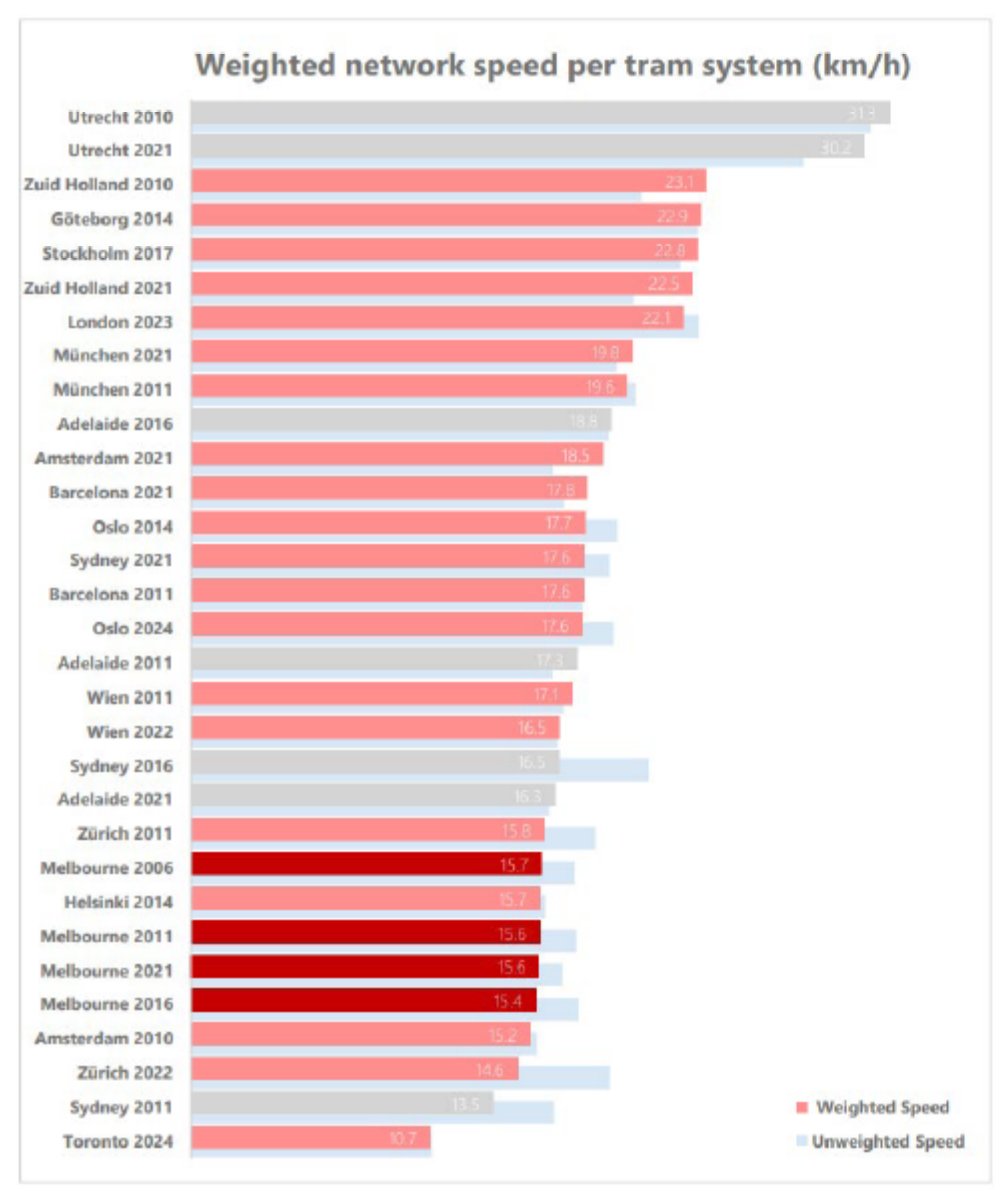
Toronto has let transit deteriorate to the point where your feet are the faster mode. In the core, streetcars crawl at 10 km/h and arrive every 10-ish minutes. Miss one and walking is factually faster. The city deserves better — and we know how to fix this.
@ElectionDigest Quote where I blamed the current council. I'll wait. I literally said 'every council that didn't vote for dedicated ROW owns a piece of it.' That's 20-30 years of councils.
@ElectionDigest 20-30 years of choosing not to fix it is the definition of letting it deteriorate. Every council that didn't vote for dedicated ROW owns a piece of it. That's not dishonest — that's the whole point.
@ElectionDigest@ddebow The study found graffiti doesn't cause crime. Nobody said it did. Meanwhile, enforcing the law works. Murders: 2,245 → 629. And the development followed the safety — nobody was building condos in the South Bronx in 1994. Capital goes where crime drops, not the other way around.
@ElectionDigest That's the point. It's a policy choice, not a law of physics. Other cities fixed this with dedicated ROW and signal priority. Toronto chose not to.
@ElectionDigest@ddebow NYC 1993→2001: Murders down 70%. Violent crime down 56%. Robbery down 67%. NYC accounted for 25% of the entire nation’s crime decline. Sweat the small stuff and the big stuff follows
For sure. Ownership dynamics can tilt a place long before the neighbourhood even notices. Families have their own timelines and incentives, and sometimes the business gets caught in the middle.
I wonder if the policy environment shapes the whole backdrop too. Tax structures that reward holding or cashing out land rather than running a thin-margin cultural business push these decisions in one direction. If the system keeps making the property more valuable than the place, it is easy to see why beloved venues disappear.