Tons of conspiracy theories right now about cyber attacks or preventing cyber attacks being the cause of the recent major infra issues in the US.
We at @fencer_security have been paranoid for a while. It’s why @ivankriznar built a usable intelligence feed for everyone vibe coding to help secure what they’re building.
What was initially a weekend project turned into something much bigger with near realtime data, alerting, MCP and API access as well as skills and tools to help you protect your work.
Please try it out and let me know what you think!
If you run PHP anywhere, patch it today.
Two RCE bugs in PHP core, CVE-2026-109618 and CVE-2026-109619, both 9.2. Reportedly, every release from 5.4 up is affected. Fixes shipped this afternoon (UTC):
8.5 → 8.5.12
8.4 → 8.4.27
8.3 → 8.3.36
8.2 → 8.2.35
8.1 and older get no official release. Check your distro or LTS vendor for backports, or upgrade.
Two things people are getting wrong 👇
1/ Plenty of companies run PHP without thinking of themselves as a PHP shop. WordPress is PHP, and so is that admin panel, that status page, and the staging box nobody decommissioned. Check every host you own that answers to the internet, including the ones nobody has logged into in a year.
2/ The risk went up sharply when the patch landed (30 mins ago!). Details leaked yesterday, and a few attackers already had them. Cloudflare saw attack traffic at 07:43 UTC, hours before any fix was made public. Now the patch points everyone at the exact bug, and writing an exploit from a diff is a short job.
If you can’t patch in the next few hours, Cloudflare’s WAF rules block the known attack patterns, including on the free plan. They only help if traffic actually goes through Cloudflare, and attackers are already tweaking payloads to get past them. That buys you hours, so spend them patching.
🚨Python friends, upgrade (or have your agent upgrade) every certifi package across all your projects and machines!
uv self update
uv lock --upgrade-package certifi
Private keys from 8 intermediate CA certs have been compromised!
https://t.co/ro5N4SQPO3
Some other things to upgrade:
* Go: 1.27.3 or 1.26.10, then rebuild your Go programs
* rustls-webpki: 0.103.16
* webpki-roots / webpki-root-certs: 1.0.10
* Electron: 44.9.1, 43.8.1 or 42.11.16
* NSS: 3.131.1
* Firefox: 158.0.1 (ESR: 153.5.1 or 115.43.1)
* Ubuntu ca-certificates: 20260816ubuntu0.<release>.1 (for 22.04, 24.04, 26.04 and 26.10)
* Homebrew ca-certificates: 2026-09-25_1
* Chrome, Apple, Windows: nothing to do, they’re blocked automatically
Still waiting for a fix:
* Debian ca-certificates: disable the two roots by hand
Node.js
* Composer ca-bundle
* macOS /usr/bin/curl: remove the two roots from /etc/ssl/cert.pem by hand
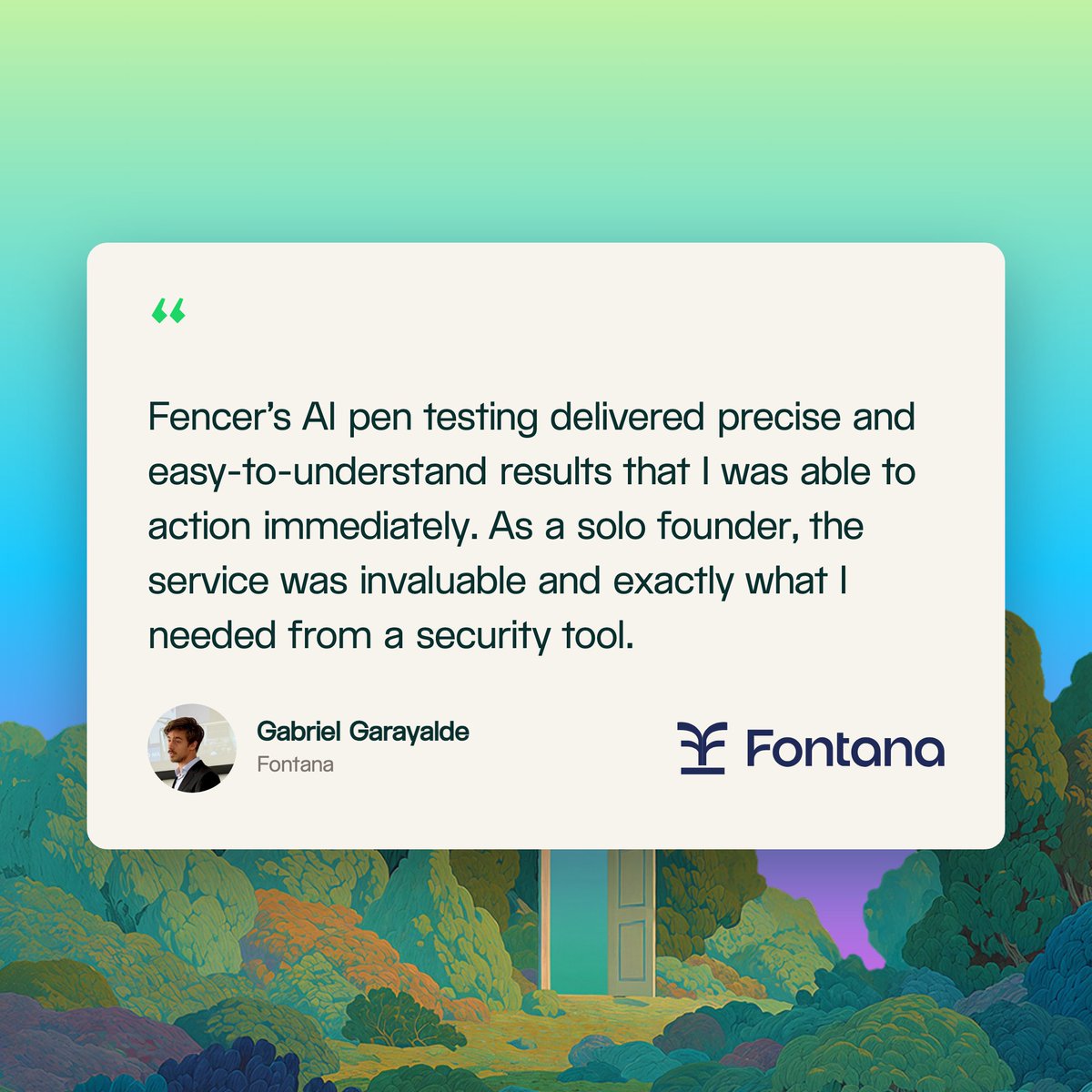
SOC 2 requires a pen test. Most teams spend weeks waiting for results, then more time figuring out what to do with them. Gabriel Garayalde ran his with Fencer and had findings he could act on the same day.
"Will my auditor accept an AI pen test?"
SOC 2 doesn't prescribe methodology. Auditors judge the report: scope, recognized methodology, severity-rated findings, and proof each one is exploitable.
Fencer's AI pen testing reports document the full attack path, the fix, and the retest that confirmed closure.
Learn more here: https://t.co/ZzUFzp7iLZ
The slowest part of your SOC 2 just got a lot faster. Now you can run a full pen test on demand, and get results in hours.
We just launched Fencer AI pen testing. Scope a pen test in the morning, read the audit-ready report the same day. Network and domain scanning run continuously alongside it. $3,000 a year.
https://t.co/ZzUFzp7QBx
This is what we do at @fencer_security - we know finding issues isn't the problem (and hasn't been the problem for years). Fixing them always has been. We find. We fix.
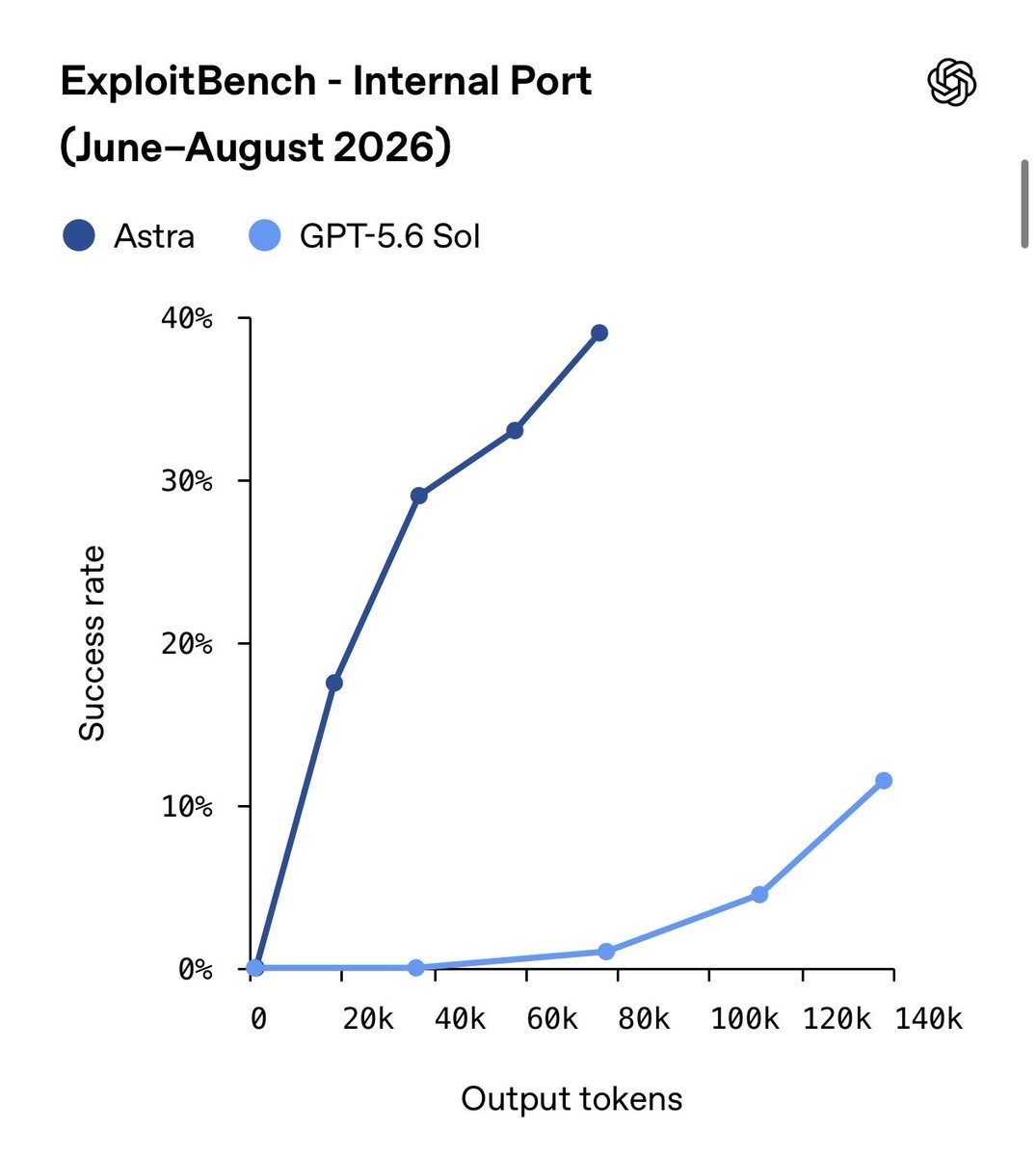
AI for cyber is about to go vertical. The models increasingly becoming insanely good at finding and exploiting vulnerabilities. Frontier models are ahead, but we’re already seeing that open weights is not far behind.
Most enterprises are already inundated with cyber discoveries, so now that’s only going to multiply. Triaging and automating the fixes with more AI -along with human oversight- is essentially the only way forward.
In case you were wondering what jobs AI was going to create, it’s definitely going to great time to be in security.
We're making @fencer_security available for free to help secure open source! @AnthropicAI@OpenAI and a bunch of other companies signed a letter asking everyone to fix their security issues, and we're giving back by ensuring Open Source contributors have good tools too!
@dok2001 I've noticed that SNI and host overrides are still in enterprise plan (https://t.co/s0mV4EiQpF) - any chance we can get that in other plans too given your very generous policy of everything in every plan (https://t.co/Pwh3CRR2Lg)? 🙏🙇☺️
Engineering capacity at a startup is finite. Security is one of the things asking for a piece of it.
Here's Tim Olshansky on how to stop running security as a parallel program to product and start budgeting it as part of engineering capacity instead:
https://t.co/X6xvNjoGiV
Friends! I've built a cool little tool for reviewing security reports, starting with SOC 2 that I'm looking to recruit testers for. Comment in thread or DM and I'll share it with you - would love any/all feedback 🙏
New: a field guide on running security at a startup, from someone who lived it.
Our co-founder @timolsh was a CTO at a startup before he built Fencer. He built and ran the security program himself. Led the company through SOC 2 with no security team to hand it to.
He wrote down what he wishes someone had handed him then.
Startup Security: A Field Guide for CTOs covers:
👉 When security stops being a "someday" problem
👉 Where your hours actually go when you're the one doing the work
👉 What to put in place first
👉 How to run security operations without burning out the team
👉 Considerations for startups in the AI era
Read it here: https://t.co/t0Cy0TIMU4