To help during the pandemic, Microsoft is paying for online tutoring sessions for HS & College math students. https://t.co/KNw4F6r0Lm
1. Upload a pic of your math problem. 2 Tell the tutor what you don’t understand. 3. Tutor works through the problem with you. #math
A painting can, even regardless of what the artist intended or the context it was made in, mean a thousand different things to a thousand different people.
John Ruskin explained this perfectly when comparing science and art:
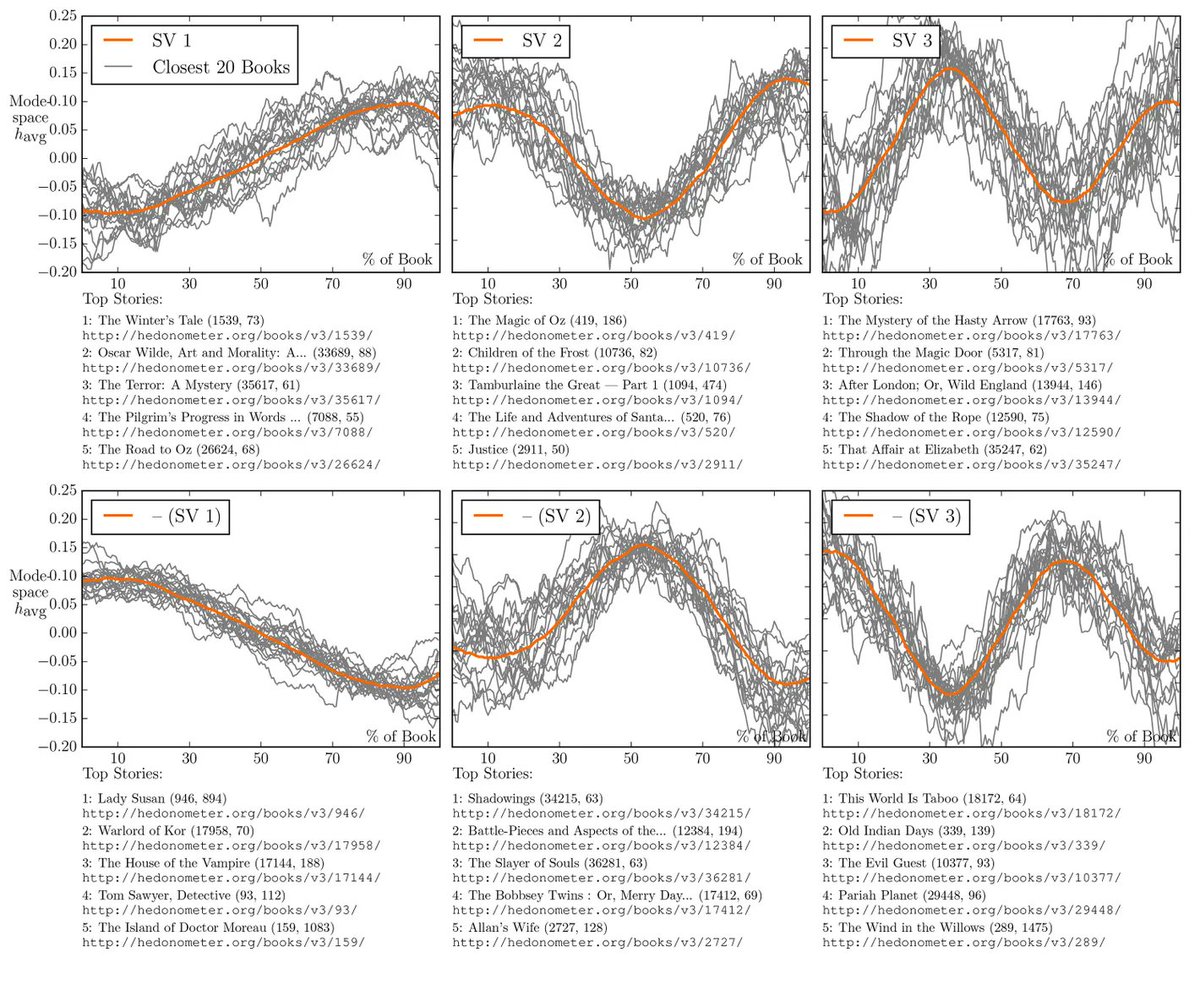
In 2016, researchers at the University of Adelaide tested Kurt Vonnegut's theory that, "There’s no reason why the simple shapes of stories can’t be fed into computers."
They took the emotional arcs of 1300+ novels from Project Gutenberg, turned that into data, used modern tech to analyze the emotional arcs, and then identified 6 patterns seen over and over again in western storytelling.
Here they are:
1. Rags to Riches (rise)
Your classic underdog tale. A humble, hardworking peasant climbs the mountain to pull the sword from the stone.
• Rocky
• King Arthur
• The Pursuit of Happiness
2. Riches to Rags (fall)
Maybe the saddest story of them all. A journey from the highest of highs to the lowest of lows.
• King Lear
• Citizen Kane
• Scarlet Letter
3. Man in a Hole (fall then rise)
A character’s doing fine, gets herself into a huge problem, but figures out how to overcome it. They often end up better than they started.
“You see this story again and again,” Vonnegut says. “People love it, and it is not copyrighted.”
• The Martian
• The Hunger Games
• Shawshank Redemption
4. Icarus (rise then fall)
The hero goes on a meteoric rise up New York (or some other) society, calls everyone “old sport,” and throws the wildest parties in town. Then reality sets in, and he realizes he’s too close to the sun.
• Macbeth
• Great Gatsby
• Death of a Salesman
5. Cinderella (rise then fall then rise)
I’ll leave this description to Vonnegut:
“We’re gonna start way down here. Worse than that, who is so low? It’s a little girl… the shoe fits, and she achieves off-scale happiness.”
• Red Rising
• Slumdog Millionaire
• The Count of Monte Cristo
This is my personal favorite.
6. Oedipus (fall then rise then fall)
Up until the ~70% mark of the story it looks like things are sunshine and rainbows. Walter White goes from high school teacher to king of the drug lords, if you will. Then all goes wrong. The original fall is often not their doing while the final fall is.
• Hamlet
• Gone Girl
• Breaking Bad
My 3 takeaways:
1. Rags to Riches, Oedipus, and Cinderella rank as the three most popular with consumers. AKA, those books sold the most copies.
2. When you think through a story, give it an emotional shape. Literally draw it.
X axis: Time
Y axis: Ill fortune to good fortune
You might be surprised how much it helps you craft your plot (I was shocked).
3. Vonnegut was a damn genius.
ICYMI over on tiktok AI is hitting hard on genx.
I've always said wrt AI, expect the unexpected, the future's gonna be weirder than anyone can imagine. Skynet is the last thing to be worried about.
This is the real #aiart#AIArtCommuity
Sending people to jail for possessing marijuana has upended too many lives – for conduct that is legal in many states. That’s before you address the clear racial disparities around prosecution and conviction. Today, we begin to right these wrongs.
The NBER watches a number of different indicators. One of the key ones is payroll employment. This is one of the big costs of a recession - a loss of jobs. We've still been seeing impressive job growth in recent months. https://t.co/T0N1CLIpiG
Andrii and Tim from our AI Ethics team #insideindeed are heading to @FAccTConference, where they'll take a deep dive into fairness, accountability and transparency in socio-technical systems.
View our open AI Ethics roles: https://t.co/GncMceHZ3E
Curious about AI and ethical decision making? Taryn Heilman, Senior Data Scientist, AI Ethics #insideindeed, will dive into the topic with Trey Causey, Global Head of AI Ethics, at next week’s #womenintech Regatta.
View our open AI Ethics positions: https://t.co/6QeW9JHNH1
over the past year in giving offers + helping friends negotiate offers, it's been mindblowing to see how much design compensation has changed this year alone -- it's very cool to see the data reflect that as well
There really only are two kinds of companies.
Ones that pay more attention to numbers than people.
Ones that pay more attention to people than numbers.
Listen to the chatter and it'll be very obvious which one you're dealing with.
one of the biggest accomplishment of my 20s is realizing that most career ladders are just treadmills, most promotions already undervalue you, and all I care about is building cool shit with people who energize me.
New year, same questions 👇