A major milestone has been achieved by #UofG’s Centre for Biodiversity Genomics, which has now analyzed and catalogued 15 million specimens. In just two decades, CBG has become the world’s largest digital DNA archive.
Learn more: https://t.co/HEYRDjZamX
The Quadra Island Ecological Observatory is hosting an exciting course this summer on northeast Pacific polychaetes (marine worms). For more information about the course and application, visit 🔗 https://t.co/Z4MpVI3hmS
Ever seen an anemone hunt for lunch? 👀 The starlet sea anemone has specialized ‘stinging cells’ that hurl toxins into prey! 🦐
MBL Associate Scientist Karen Echeverri uses the starlet sea anemone to study the evolution of regenerative ability.
📲 More: https://t.co/cgVnTuORSd
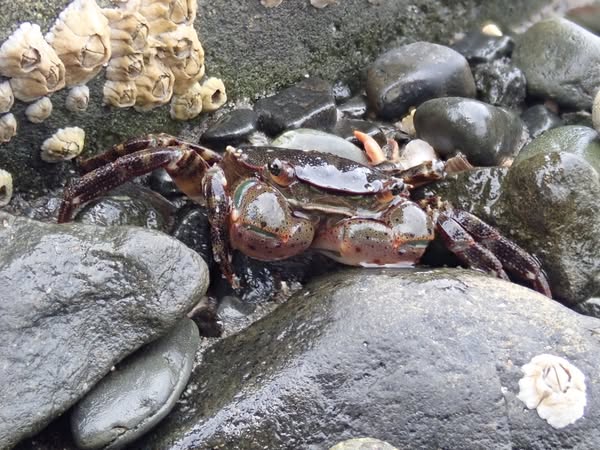
Have you seen an unfamiliar or unusual aquatic species? 👀 It could be an #InvasiveSpecies, like the Asian Shore Crab is to #NS and #NB. Invasive species can harm our native ecosystems. Contact us to report it. https://t.co/zUUUNvYOZl
Another invasive species arrived from the North Sea to Casco Bay, Portland, Maine. What's next?
Trott TJ (2024). Journal of the Marine Biological Association of the UK 104, e74, 1–18. https://t.co/oLJMmRqak9
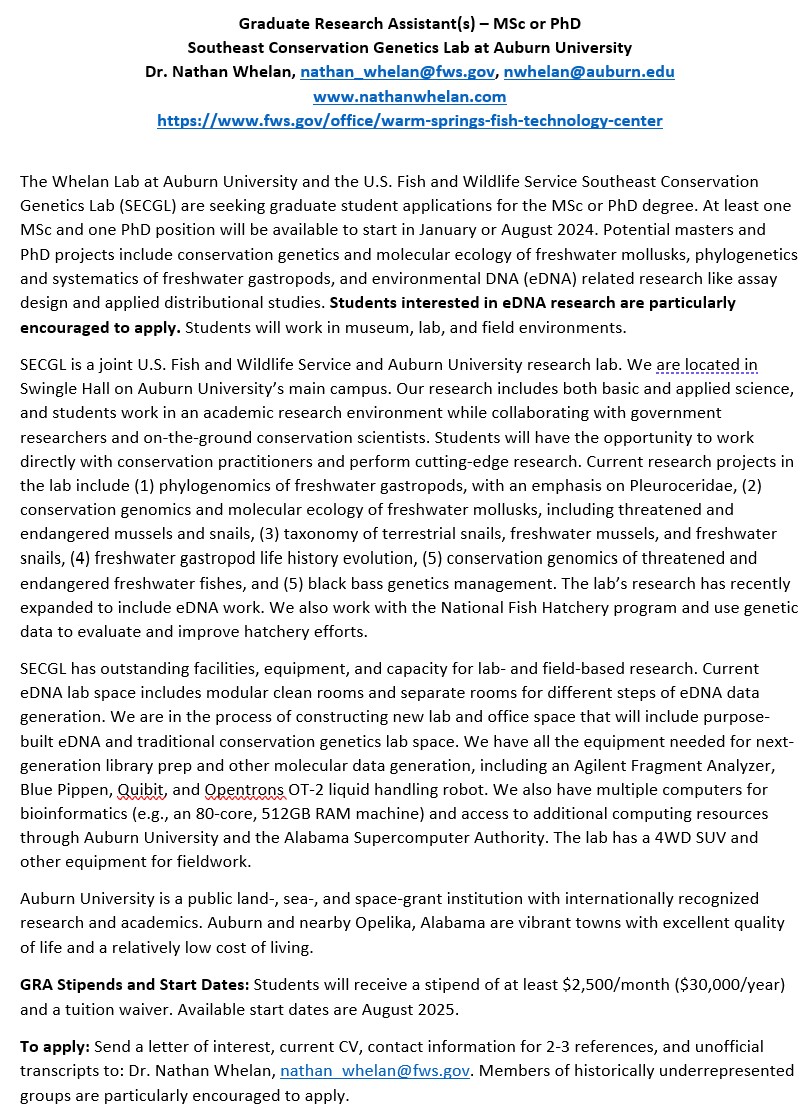
I am recruiting Masters and Ph.D. students to work in my lab at Auburn University!
Come join a dynamic research lab working on topics ranging from freshwater snail taxonomy to environmental DNA (eDNA) research.
https://t.co/KAHbapolaO
The WinkleWatch project is only looking at the species rough periwinkles. There are many species of sea snails found on our shores and unfortunately they all look quite similar... But don’t worry! We have some handy tricks to help you find what we’re looking for.
#WinkleWatch
@biolumiJEFFence @cbcradio@InfoMorningCB Got to disagree with you on the lugworm episode Jeff, Lugworms ARE BEAUTIFUL!!! Maybe we should go on the debaters and resolve this once and for all!!
https://t.co/oLHLYUF6wc
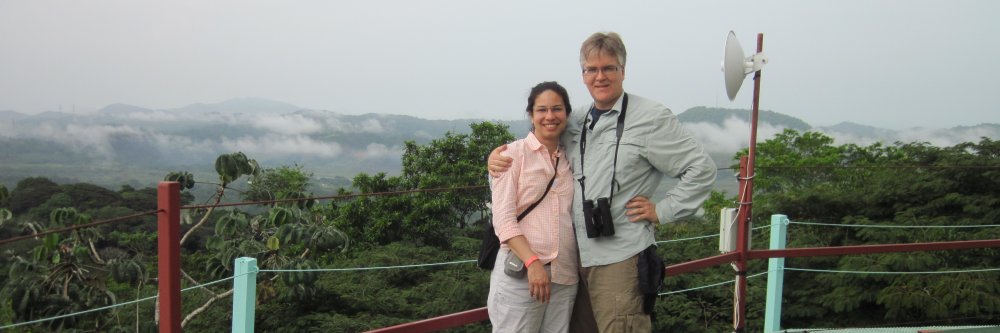
Hot off the press! Check out this piece I wrote with @SiCreerProf which discusses biodiversity loss, the importance of monitoring freshwater habitats and our recent @NatureComms#eDNA paper!
Original paper: https://t.co/NW4dJa1hcX
@ConversationUK article: https://t.co/54OXgH3Dky
The Ohio Mushroom DNA Lab is offering free DNA barcoding for any wild collected fungus, found anywhere in the world.
They need to be dried and packaged in ziplock snack sized bags, labeled with the iNaturalist observation #
https://t.co/xn3faQ9Grx
Last but not least, #frogs have been thrown a lifeline in the fight against fungus.
At least 90 amphibians have gone extinct thanks to chytridiomycosis, but 'saunas' could help to turn things around.
Find out how 👇 (8/8)
https://t.co/vf89gKdh1T
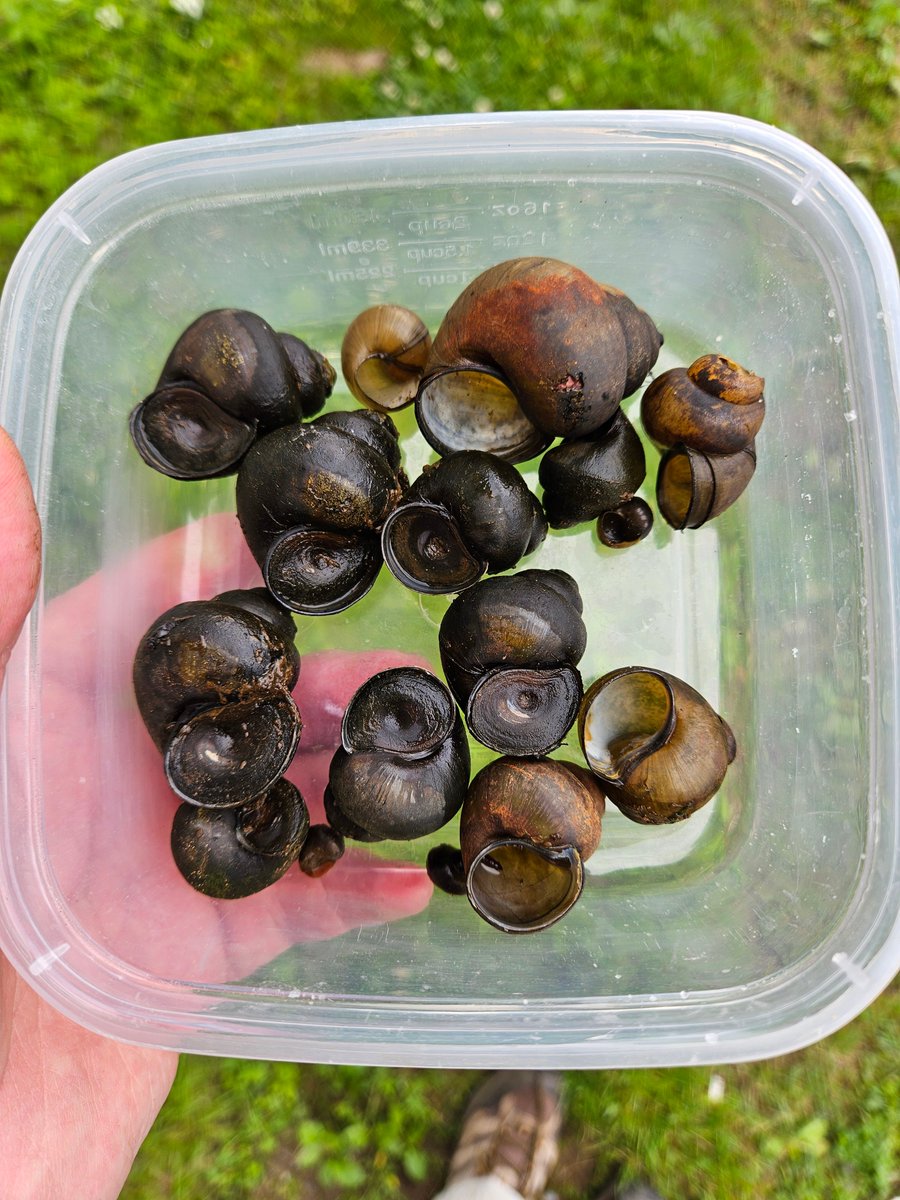
Non-native freshwater snails (likely Chinese mystery snails: Cipangopaludina chinensis) collected while kayaking in Sydney River, Cape Breton yesterday. These are the first live snails we've collected here. Easy to find: I picked these by hand in shallow water via kayak.