📍 Título: 𝗛𝗶𝗽𝗲𝗿𝘁𝗿𝗶𝗴𝗹𝗶𝗰𝗲𝗿𝗶𝗱𝗲𝗺𝗶𝗮 𝗲𝗻 𝗮𝗱𝘂𝗹𝘁𝗼𝘀 𝗰𝗼𝗻 𝗱𝗶𝗮𝗯𝗲𝘁𝗲𝘀 𝗺𝗲𝗹𝗹𝗶𝘁𝘂𝘀 𝗲𝗻 𝗖𝗼𝗿𝗲𝗮 (Journal of Clinical Lipidology | 2026)
🕒 𝗣𝗼𝗯𝗹𝗮𝗰𝗶𝗼́𝗻: Estudio transversal basado en el 𝗞𝗡𝗛𝗔𝗡𝗘𝗦 (𝗘𝗻𝗰𝘂𝗲𝘀𝘁𝗮 𝗡𝗮𝗰𝗶𝗼𝗻𝗮𝗹 𝗱𝗲 𝗘𝘅𝗮𝗺𝗲𝗻 𝗱𝗲 𝗦𝗮𝗹𝘂𝗱 𝘆 𝗡𝘂𝘁𝗿𝗶𝗰𝗶𝗼́𝗻 𝗱𝗲 𝗖𝗼𝗿𝗲𝗮) entre 2011 y 2021. Se incluyeron 7,713 adultos coreanos con 𝗗𝗠 (𝗗𝗶𝗮𝗯𝗲𝘁𝗲𝘀 𝗠𝗲𝗹𝗹𝗶𝘁𝘂𝘀).
📈 𝗣𝗲𝗿𝗹𝗮𝘀 𝗖𝗹𝗶́𝗻𝗶𝗰𝗮𝘀:
Prevalencia general de 𝗵𝗶𝗽𝗲𝗿𝘁𝗿𝗶𝗴𝗹𝗶𝗰𝗲𝗿𝗶𝗱𝗲𝗺𝗶𝗮 (triglicéridos ≥ 150 mg/dL): 43.3%.
Prevalencia de niveles severos (triglicéridos ≥ 200 mg/dL): 24.6%.
En pacientes con 𝗟𝗗𝗟-𝗖 (𝗖𝗼𝗹𝗲𝘀𝘁𝗲𝗿𝗼𝗹 𝗱𝗲 𝗹𝗶𝗽𝗼𝗽𝗿𝗼𝘁𝗲𝗶́𝗻𝗮𝘀 𝗱𝗲 𝗯𝗮𝗷𝗮 𝗱𝗲𝗻𝘀𝗶𝗱𝗮𝗱) < 70 mg/dL bajo tratamiento, el 37.8% mantuvo triglicéridos elevados.
El sexo masculino mostró un riesgo mayor (𝗢𝗥 1.39; 𝗜𝗖 95% 1.03-1.88) para niveles ≥ 200 mg/dL.
La edad joven se asoció inversamente con el riesgo (𝗢𝗥 0.97 por año; 𝗜𝗖 95% 0.96-0.99).
El consumo excesivo de alcohol aumentó drásticamente el riesgo en hombres (𝗢𝗥 2.78) y mujeres (𝗢𝗥 2.97).
En mujeres, el tabaquismo fue un factor de riesgo significativo (𝗢𝗥 2.55; 𝗜𝗖 95% 1.24-5.27).
Los niveles de 𝗟𝗗𝗟-𝗖 ≥ 100 mg/dL se asociaron con una probabilidad 2.62 veces mayor de hipertriglyceridemia severa.
La asociación entre 𝗟𝗗𝗟-𝗖 y triglicéridos resultó ser más fuerte en la población coreana que en la estadounidense (𝗡𝗛𝗔𝗡𝗘𝗦).
El 𝗜𝗠𝗖 (𝗜́𝗻𝗱𝗶𝗰𝗲 𝗱𝗲 𝗠𝗮𝘀𝗮 𝗖𝗼𝗿𝗽𝗼𝗿𝗮𝗹) elevado fue un predictor fuerte solo en hombres.
📉 𝗖𝗼𝗻𝗰𝗹𝘂𝘀𝗶𝗼́𝗻: La 𝗵𝗶𝗽𝗲𝗿𝘁𝗿𝗶𝗴𝗹𝗶𝗰𝗲𝗿𝗶𝗱𝗲𝗺𝗶𝗮 es extremadamente frecuente en pacientes con diabetes, incluso cuando el colesterol "malo" está controlado. Se requieren estrategias personalizadas que aborden el estilo de vida (alcohol y tabaco) y consideren las diferencias de edad y sexo.
🔗 𝗗𝗢𝗜: https://t.co/RuO86wyDHY
#salud #bienestar #medicina #internista #diabetes
Fenofibrate therapy and risk of heart failure outcomes in patients with Type 2 diabetes: a propensity-matched cohort study
In this propensity-matched cohort study, the addition of fenofibrate to statins was associated with significantly lower risks of HHF and the composite outcome of HHF or cardiovascular death in patients with T2D, suggesting a novel cardiovascular benefit of fenofibrate
https://t.co/xrgX8O54cz
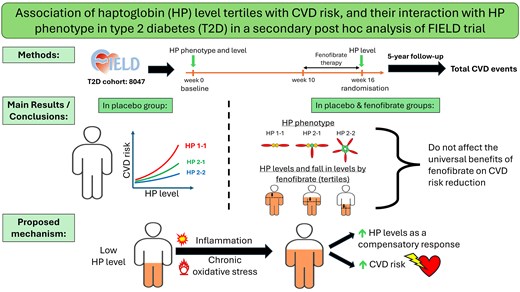
Haptoglobin (HP) & CVD risk in Type 2 diabetes 🧬
Higher baseline HP levels especially with the HP 1-1 phenotype are linked to greater CVD risk. Fenofibrate’s CV benefit, however, is unchanged by HP phenotype or levels. 👉 https://t.co/lSAUVuN46v
Ya no es sindrome de ovario poliquistico banda, aprendanse el nuevo nombre para no quedar en ridículo en las fiestas cuando intenten impresionar morritas.
Ahora es "Síndrome poliendrocrino ovarico" .
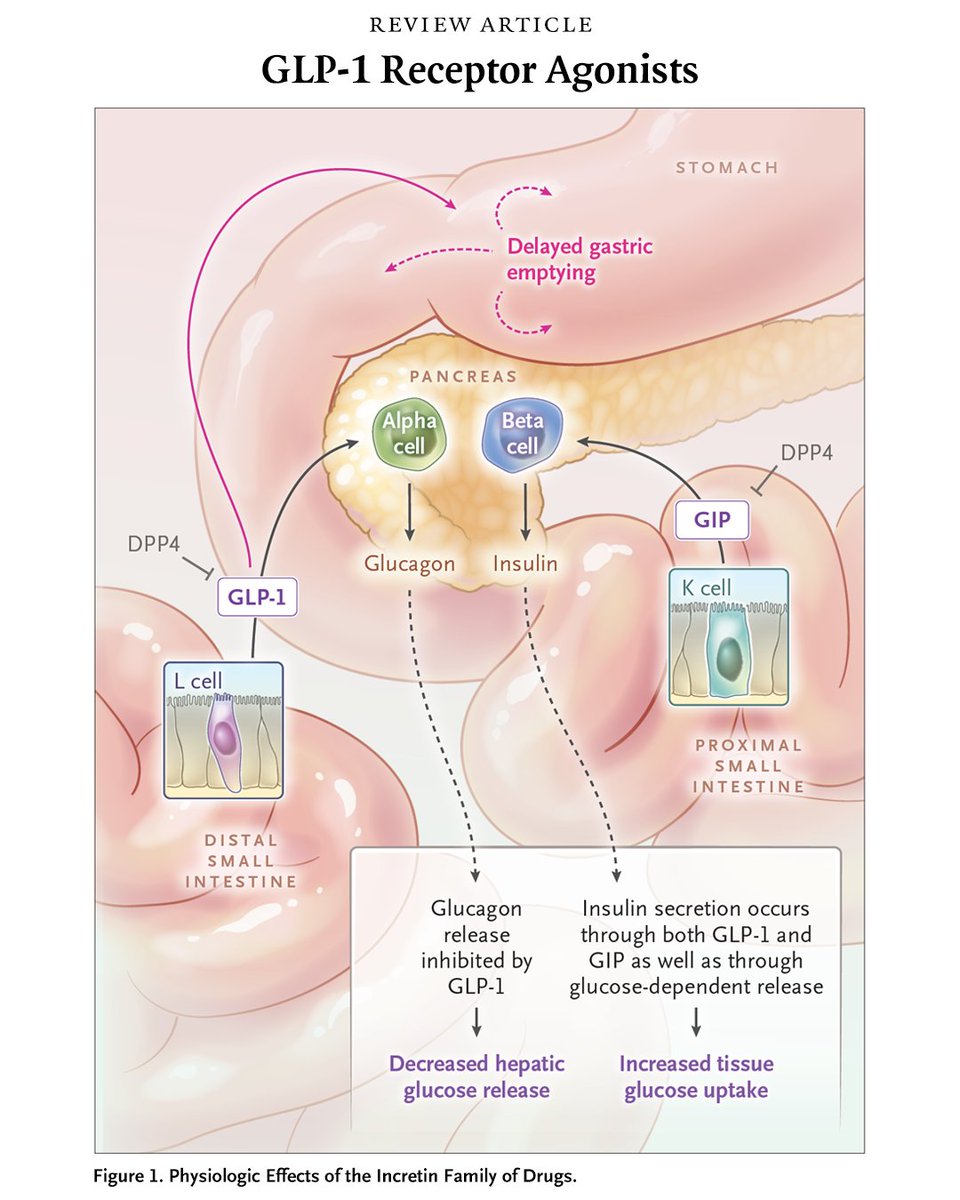
GLP-1 receptor agonists are increasingly used to treat type 2 diabetes and obesity, and trials have shown reductions in cardiovascular risk and slowing of kidney failure. Adverse events are mostly gastrointestinal.
Read the Review Article “GLP-1 Receptor Agonists” by Clifford J. Rosen, MD, and Julie R. Ingelfinger, MD, from @tuftsmedschool and the Maine Medical Center Institute for Research: https://t.co/D0XSLv7U8n
2/10
What the score means:
• 0 = no detectable calcium
• 1–99 = mild
• 100–399 = moderate
• 400+ = heavy burden
Higher scores track with more plaque and higher event rates… but traditional factors (age, cholesterol, BP, smoking, diabetes) already explain a lot.
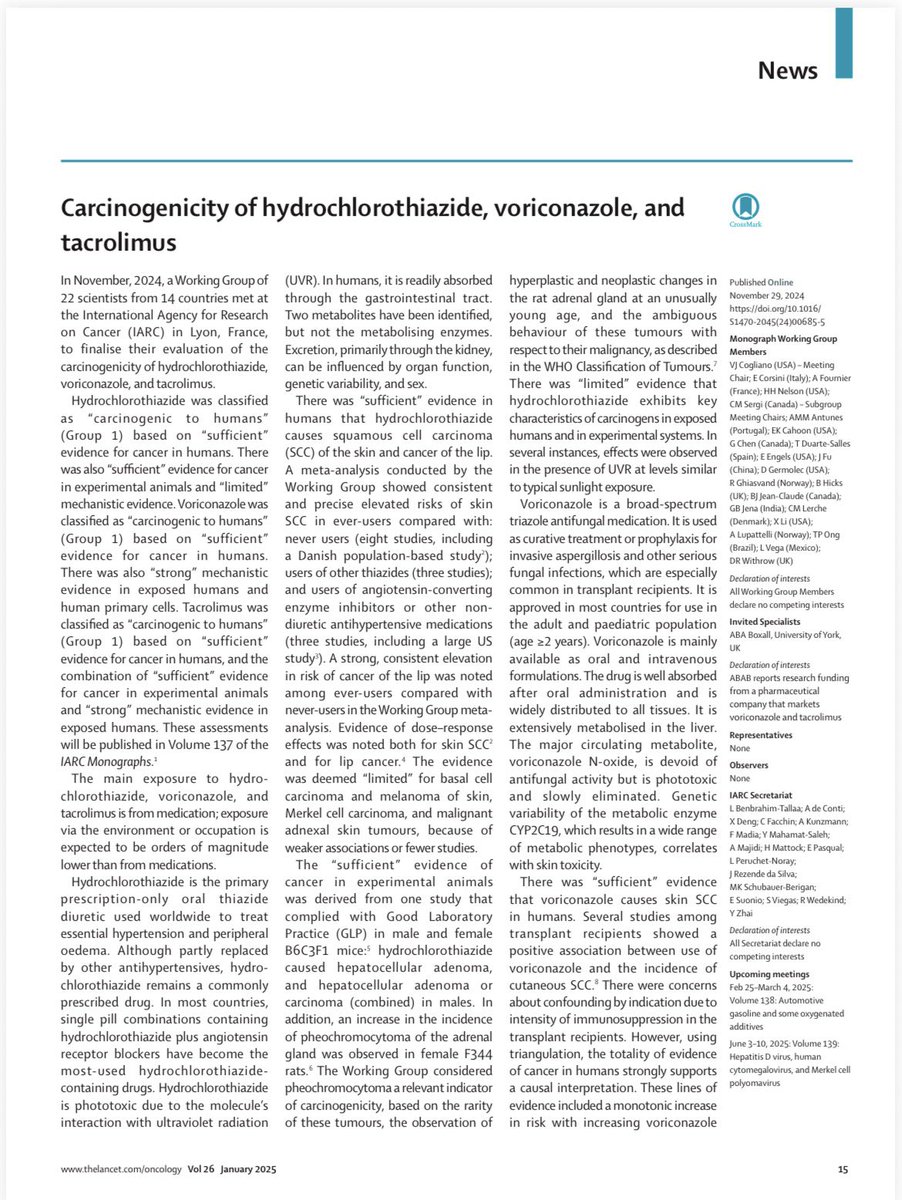
🚨 ALERTA 🚨 uno de los Antihipertensivos más comunes, la Hidroclorotiazida, acaba de ser catalogada de Riesgo Clase 1 para Cáncer de Piel y Labios… si tu lo usas o tus pacientes, la mejor opción es cambiarlo por otro medicamento
lo mismo con el Voriconazol y el Tacrolimus…
Perlas en Nefrologia Clinica !!!
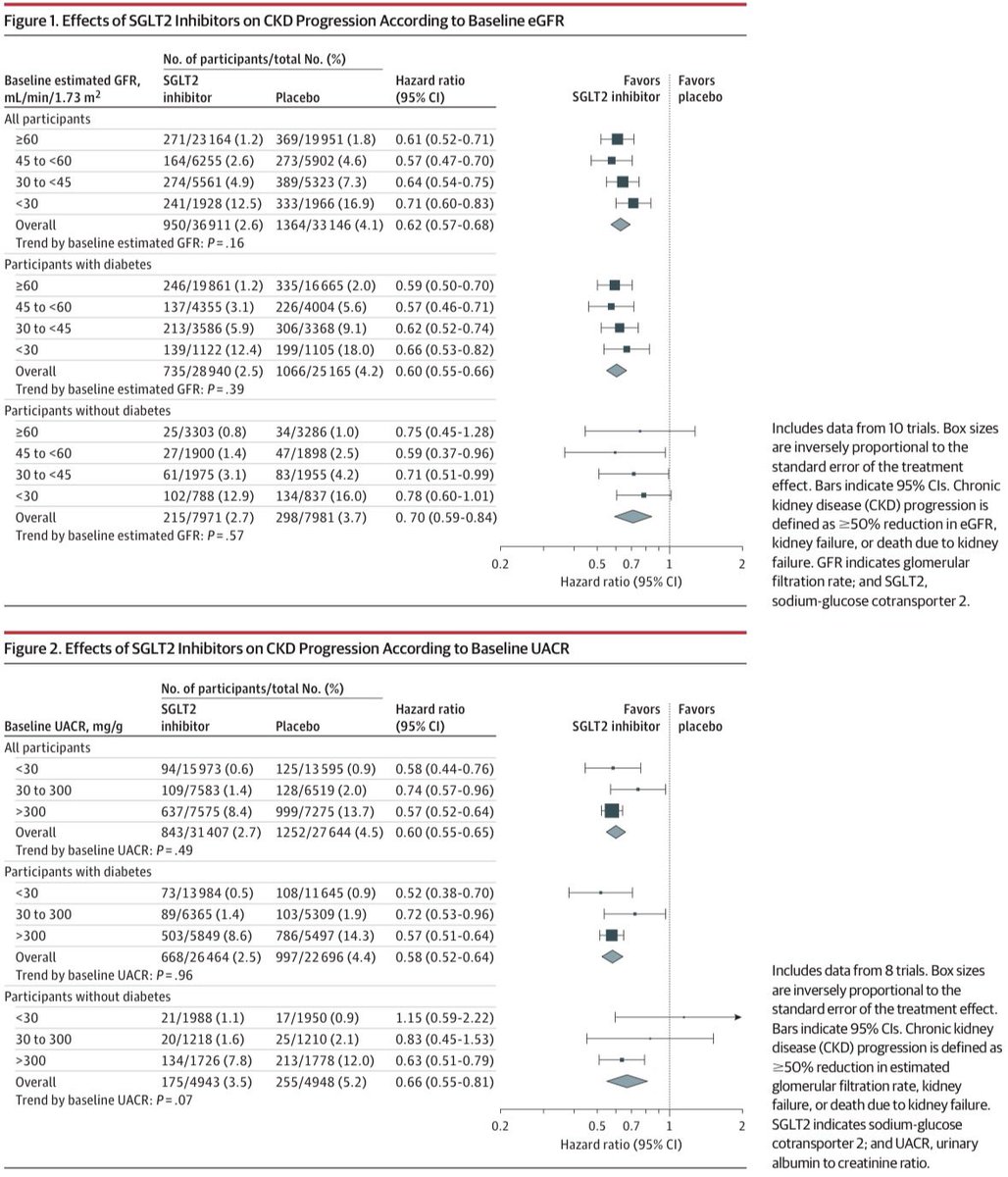
SGLT2i: El fin del debate sobre Albuminuria
✅ Evidencia Definitiva. El meta-análisis masivo de Staplin et al. (2025) sobre >58,000 pacientes cierra la discusión: el beneficio de los iSGLT2 en la preservación del eGFR es independiente del estado de albuminuria o diabetes.
Relevancia: La "flozinación" debe ser universal en pacientes con ERC. El beneficio es biológicamente mandatorio; solo el grado de riesgo basal dicta la magnitud absoluta del retorno. Ya no hay excusa para no iniciar. 💊
📚 Ref: Effects of SGLT2 Inhibitors by Diabetes Status and Level of Albuminuria: A Meta-Analysis. Staplin N, et al. Journal of the American Society of Nephrology (JASN), 2025.
#CKD #SGLT2i #NephroTwitter #MedEd #KidneyHealth #nefrologia #medicina #nefrologia
Los iSGLT2 reducen el riesgo de progresión de la enfermedad renal crónica, independientemente de la TFG o albuminuria basal, incluso en estadio 4 o albuminuria mínima; esto respalda su uso rutinario para mejorar desenlaces renales en DM2, ERC o IC.
JAMA 2026;335(3):233-244.
ISGLT2 en pacientes sometidos a diálisis:
📌⬆️beneficios cardiovasculares
📌⬆️UF en dp ?
📌Mantienen Fx renal residual
📌⬇️ PA
📌No dializables, no tóxicos
⏳Pendientes ECA para reafirmar beneficios
CKJ Enero 2026
DOI: https://t.co/fBnHdyWtgX
¿Suspender Tiazidas porque la TFG es <30 ml/min? 🛑 ¡Mito derribado!
El dogma clásico decía que "no funcionan" en etapa 4. El ensayo CLICK demostró lo contrario:
La Clortalidona en pacientes con ERC avanzada (eGFR 15-30) redujo drásticamente la presión arterial sistólica (-11 mmHg) y la albuminuria (-50%) comparado con placebo.
Lección: Antes de escalar a minoxidil o diuréticos de asa a dosis altas, considera recuperar la tiazida.
Ref: Agarwal R et al. (CLICK Trial). N Engl J Med. @NEJM
#Nefrologia #Hipertension #ERC #CLICKtrial #MedTwitter
Fenofibrate may represent a promising add-on therapy in patients with mild-to-moderate ulcerative colitis by modulating inflammation and improving quality of life. https://t.co/DUDQPln4Lq
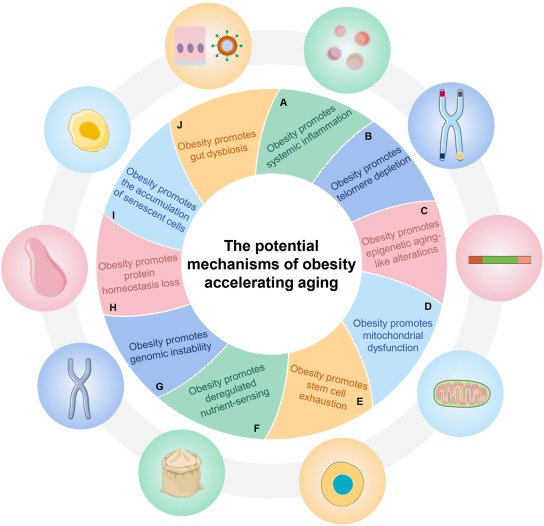
Obesity accelerates aging: Mechanisms & therapeutic implications
—Obesity is a disease that can accelerate aging by sharing several similar characteristics w/this process.
—Maintain a healthy weight as if your biological youth depended on it.
https://t.co/kS2azihGZX
2026 open acces review: Remnant cholesterol and particle number of VLDL subfractions in coronary artery disease: Pros and cons:
https://t.co/7g3XJU5gsf
Critical insight on the relative importance of particle number versus cholesterol content - and compared to LDL.
👉"Residual risk"
☝️You can’t “estimate residual risk” after a 5-year LDL-lowering trial.
☝️Atherosclerosis is driven by cumulative LDL exposure, not by a short therapeutic window.
Decades of high LDL cannot be erased by 60 months of treatment.
☝️True “residual lipid risk” only exists when someone has physiological LDL levels (~40 mg/dL) from day zero and still develops ASCVD — an extremely rare scenario.
☝️Early, lifelong LDL control is what matters.
It’s the area under the curve, not the snapshot.