It's crazy that there's a tool out there that's become vital to they way I do my job, parent my kids, and make major life decisions; and yet we barely spend more on it than AI
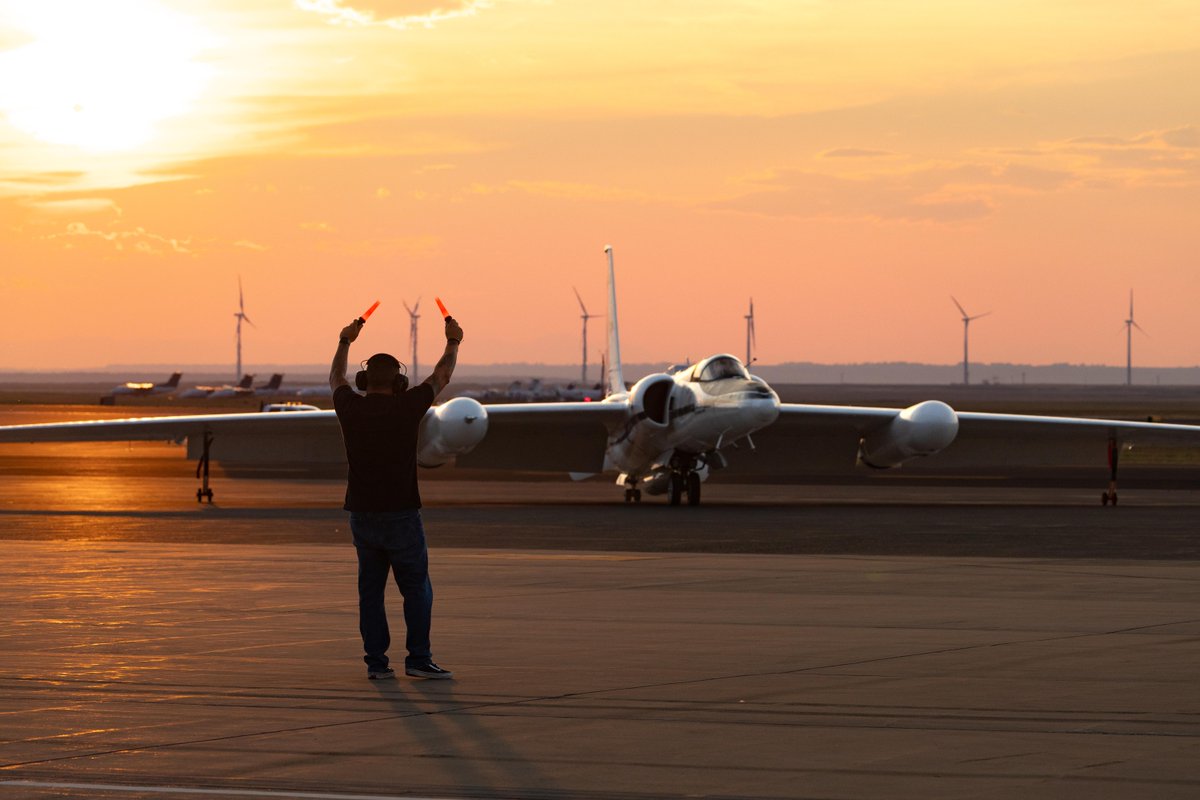
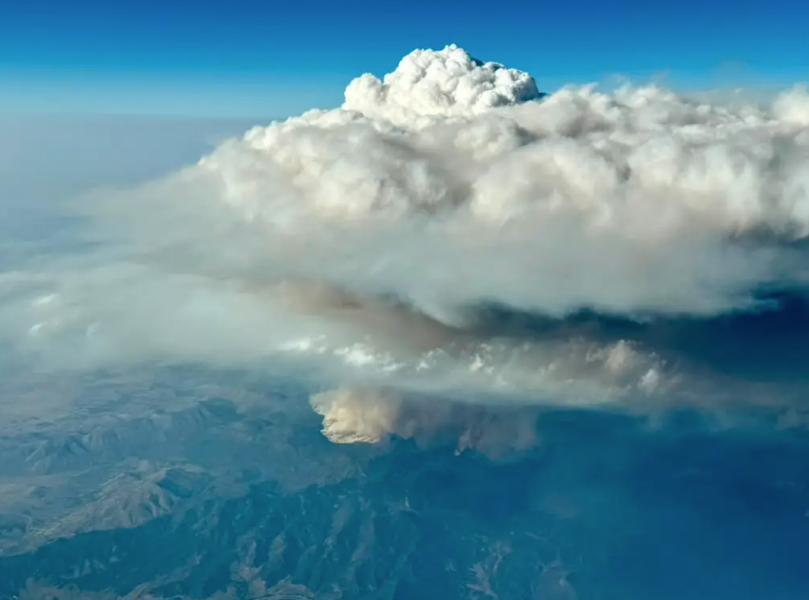
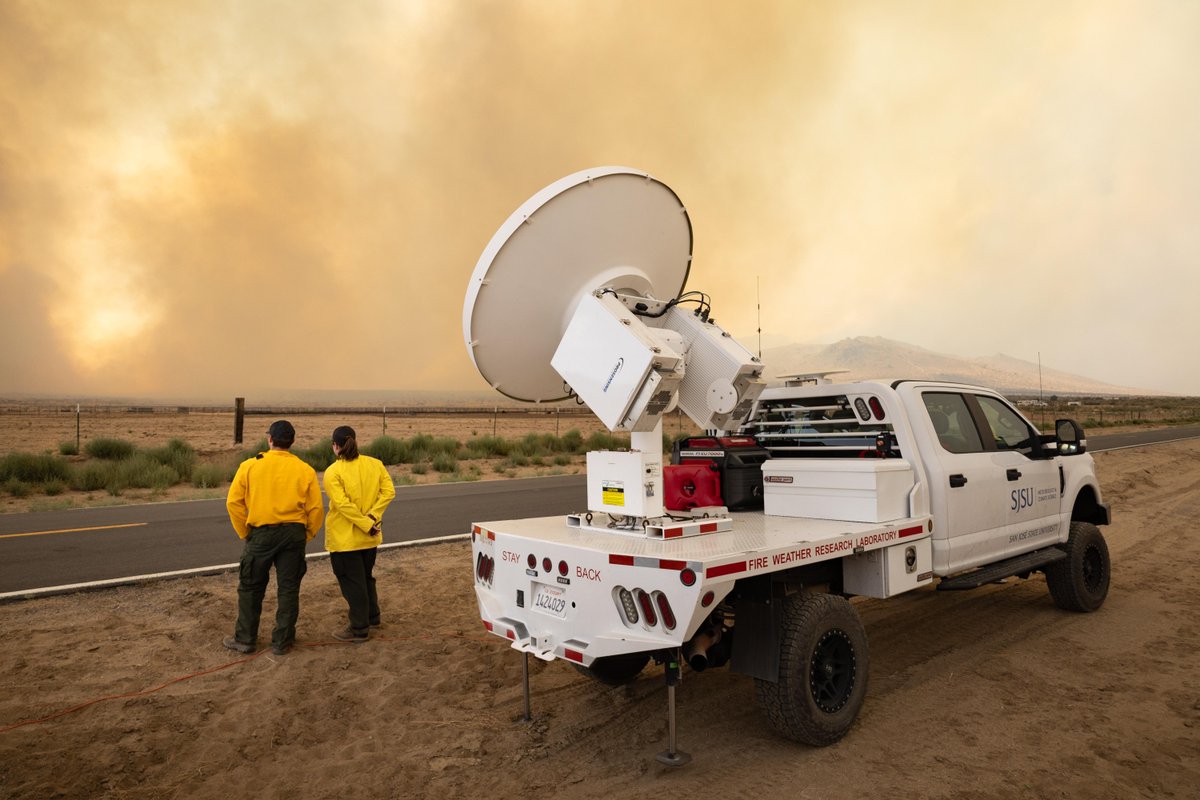
This summer, @NASA scientists spent six weeks chasing fire clouds. 🔥☁️
Using planes and trucks, the team studied several dangerous, smoke-infused clouds generated by wildfires.
The data will help predict where these clouds may form and improve climate and atmospheric models.
AI may go sentient and destroy us all but for now it completely fails at straightforward bibliographical tasks. This was its response to me after my third or fourth attempt to get it to successfully reorder and reformat a bibliography for an academic book chapter I am leading.
Many thanks to AMS Editor's Award recipient Veljko Petković for on-time reviews that demonstrate deep subject-matter expertise and give authors a genuine path to improving their work 🌄
Learn more: https://t.co/xnMiyEZaje
#PeerReviewWeek#JHydrometeor
This is Lithium, visualized as a quantum wavepacket.
The bright structures are 3D isosurfaces of the outer electron’s probability density, while colour represents the complex phase.
Unlike Hydrogen, Lithium’s valence electron moves in a screened potential created by the nucleus and the closed 1s² core. The animation solves that effective Schrödinger problem and follows a coherent mixture of s- and p-type Rydberg states as they beat, breathe, shift and reform around the core.
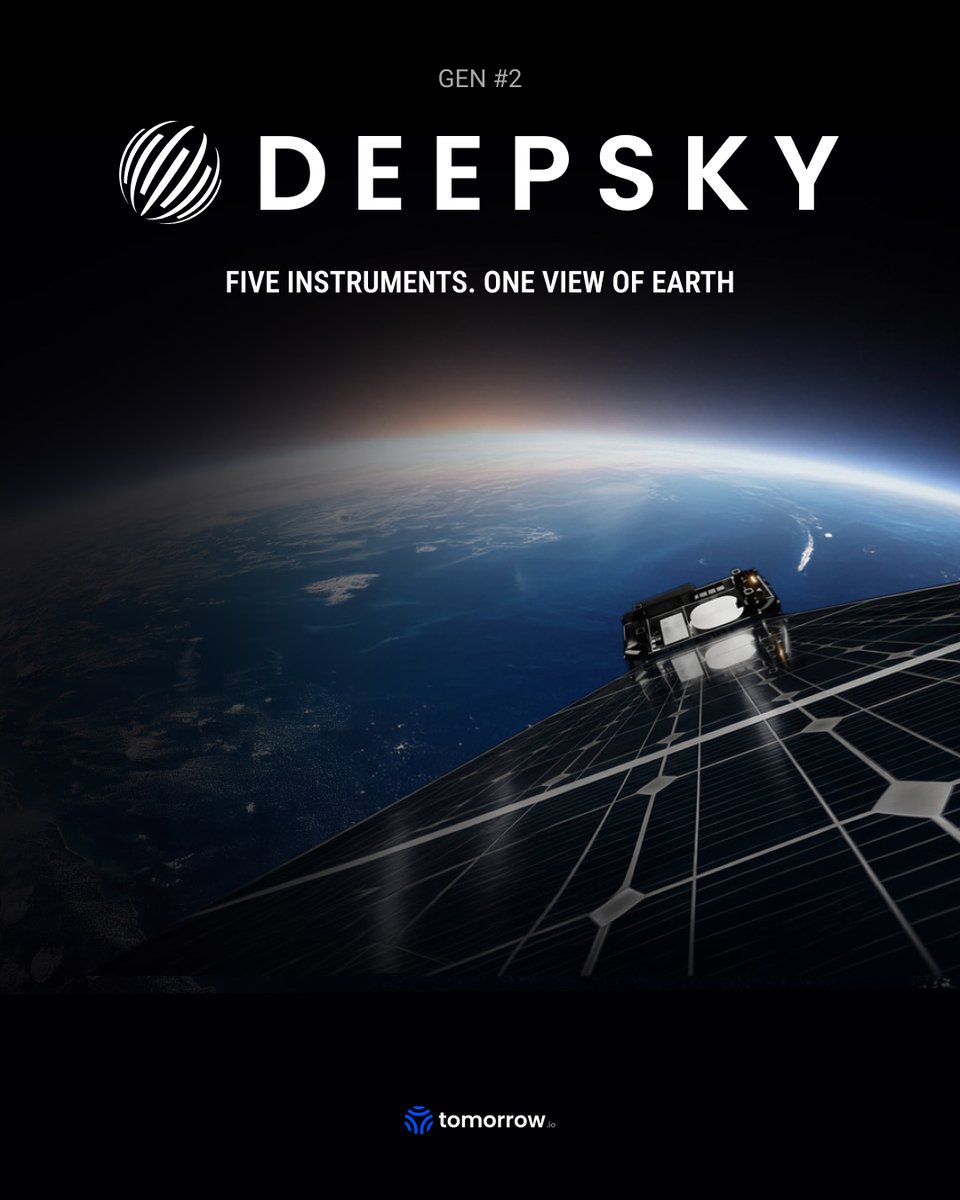
Today we are revealing what DeepSky will carry.
DeepSky is the world's first AI-native weather constellation, built as an early warning constellation. It will carry five instrument capabilities:
- Precipitation radar from space, which reads a storm in three dimensions
- Hyperspectral microwave sounding, which reads temperature and moisture through cloud
- Infrared and visible imaging, which catches storm tops and fire signatures on every pass
- GNSS radio occultation, which returns the sharpest vertical profile in orbit
- GNSS reflectometry, which reads wind inside the rain
These five were chosen because each one reads something the others do not. The sounder is the backbone: temperature and moisture through the whole column of air, through cloud, day and night, the observation a global forecast leans on most.
The radar adds the structure of the rain itself: where it sits in the column, where it melts, how tall the storm has built. Occultation is the reference that anchors the rest of the satellite record, and it returns high-resolution vertical profiles of the atmosphere that sharpen everything else.
The imager adds the picture: cloud tops, surface temperature, the hot spots that mark a fire. And in heavy rain, where the usual wind sensors are blinded, the reflectometer still reads the wind at the sea surface. All five fly on the same spacecraft, so every pass gathers those readings together, compounding our ability to observe the atmosphere, and so to predict it.
More than five billion people live outside radar coverage. Over much of the Earth, on most days, nobody can say with confidence whether it rained yesterday. That is not a gap in the models. It is a gap in the record they learn from.
DeepSky is being built today, while our eleven active microwave sounders keep flying as our Gen-1 fleet. Over the next few weeks we will breakdown each instrument in turn and show how the five work together as one system.
Read the full story below:
https://t.co/9K9h2KUL0k
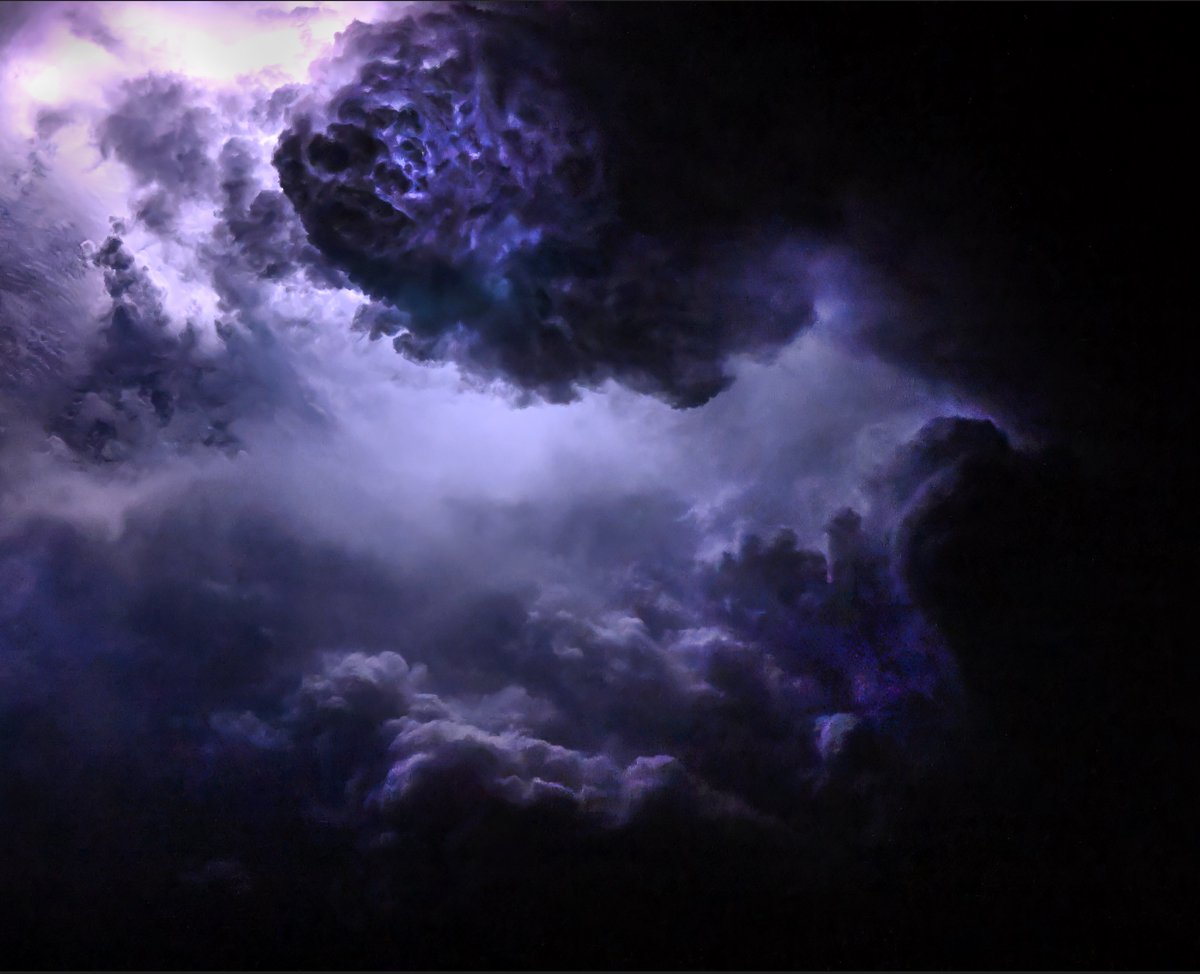
Nadir views from ISS of bright purple lightning flashing through clouds. These thunderheads can be upwards of 50,000 feet, higher than most planes fly, and so are best observable from orbit! I used a Nikon Z9 at 1/1200th shutter speed and 120fps to optimize for lightning detail.
The National Academies invites input for the Decadal Survey for Earth Science and Applications from Space 2028-2037.
Share your thoughts on future priorities and opportunities for advancing the field of Earth science and observations in the decade ahead.
Submissions are due 24 August: https://t.co/tfnC8T4Qxb?
NASA airplanes are studying smoke lofted high in the atmosphere by tall, smoke-infused clouds generated by wildfires.
NASA’s INSPYRE mission is studying how these clouds impact Earth’s ozone layer and energy budget. https://t.co/EboPC2V4Av
These Europeans are savages living like the ancient times, waiting for someone from the Global South to have mercy and introduce them to air-conditioning