Each time we release a model, we run the same test: give it code that trains a small AI model, ask the new model to speed it up. It takes a skilled human 4-8 hours to reach 4x faster.
In May 2024, Claude Opus 4 averaged a ~3x speedup. This April, Mythos Preview achieved ~52x.
Confidential payments are live on https://t.co/YBUSFVdjxE.
Alex just sent 0.1 ETH to the Ethereum Foundation from his NEAR balance.
The chain doesn't see who sent what. The Ethereum Foundation just got ETH on Ethereum.
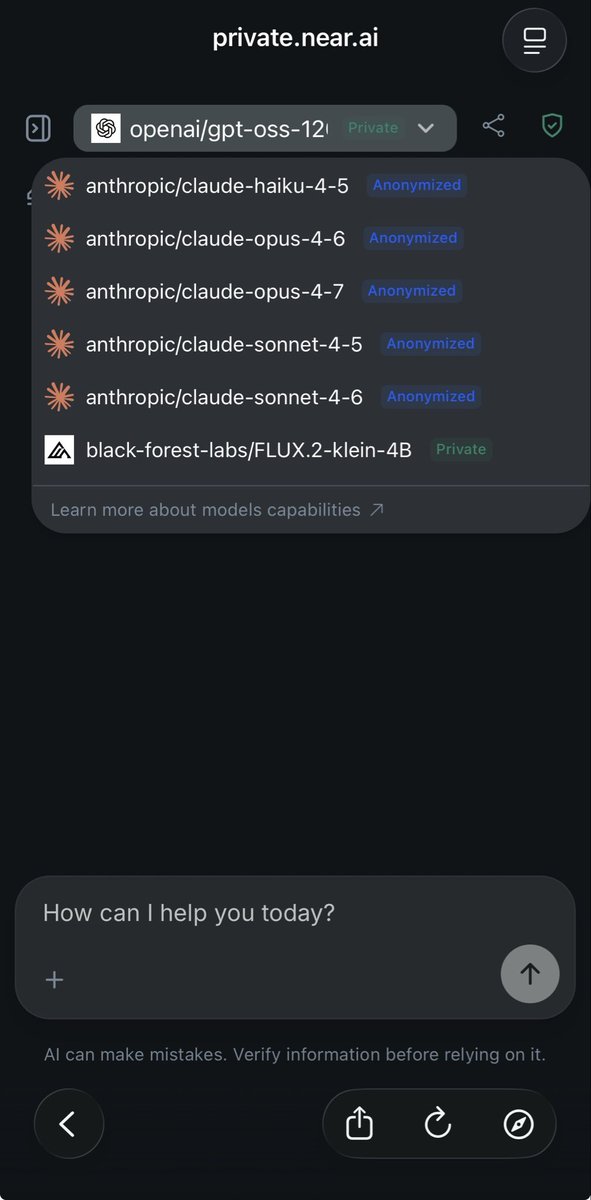
The inference gap between closed and open-source LLMs used to justify the premium.
But closed models are now intentionally delayed, while open-source models have cleared the bar for many valuable workflows.
So why pay PhD prices for high-school workloads?
The tradeoffs of human governance get a lot more interesting when the clock is ticking on quantum’s potential impact to cryptography
https://t.co/iBAM9MIYNp
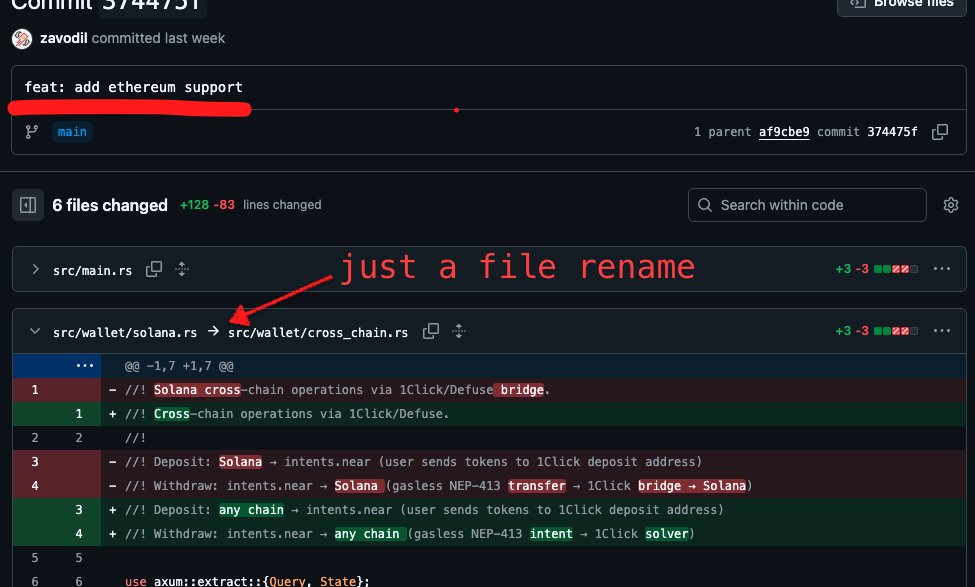
I had a moment last week that's hard to explain if you're not a developer. But I'll try - because a year ago if someone told me adding a new blockchain to my app would take a single file rename, I'd assume they were high.
I was adding cross-chain wallet support to NEAR FM. Started with Solana - built the deposit, swap, and withdrawal flows through NEAR Intents. Everything worked.
Then I sat down to add Ethereum support. Opened the code. Looked at the Solana integration. The deposit method is the same. The swap method is the same. The withdrawal method is the same.
I renamed filename solana => cross_chain.rs That was the entire Ethereum integration.
Same code. Same API. Same flow. Different chain. NEAR Intents abstracts the chain away completely. The blockchain your user is on becomes a parameter, not an architecture decision.
This is what chain abstraction actually feels like when you build with it. Not a whitepaper concept. The moment where adding a new blockchain takes less time than writing this tweet.
If you're a developer and haven't tried building on NEAR Intents - do it once. That rename moment will change how you think about cross-chain.
Introducing TurboQuant: Our new compression algorithm that reduces LLM key-value cache memory by at least 6x and delivers up to 8x speedup, all with zero accuracy loss, redefining AI efficiency. Read the blog to learn how it achieves these results: https://t.co/CDSQ8HpZoc
Today we made a major upgrade to Brave Wallet.
We've added support for NEAR Intents, which allows you to easily swap crypto assets across blockchains (Bitcoin, Solana, Zcash, Cardano, and EVM) within our browser.
In the hypothetical scenario where AI leads to the majority of software engineers sitting at home and companies begin shipping vibe coded services with massive security holes... Can you guess what happens next?
@ilblackdragon This has been pervasive with DAO and grant funding. That's not an indictment on DAOs or grants in general - but speaks to the damage caused by their poor management (and outright fraud)