On Friday I flew to Spokane on my way to Idaho. I ended up sitting next to a Washington resident who winters in Palm Springs. Before we even finished climbing to cruising altitude, he brought up what’s happening in our state.
Not me. Him.
He said he hates the direction Washington is headed. Then he told me his CPA advised him not to remain domiciled here. He’s remodeling his home in Sandpoint and preparing to move.
That conversation isn’t rare anymore. It’s a pattern.
Washington enacted a capital gains income tax. It already and recently, has one of the highest estate taxes in the country. Now lawmakers are openly discussing broader income tax structures and additional revenue proposals-an (unconstitutional) income tax. Whether you agree with those policies or not, high-earning households and business owners respond to incentives ….and to risk.
The Association of Washington Business recently reported that since the new tax increase plans were announced, more than twice as many businesses say they are considering leaving the state. Let that sink in: considering leaving. Additionally, 44% of business owners surveyed said they are considering moving their personal residence out of Washington.
These aren’t random households. These are employers. Investors. The people signing paychecks. The people whose companies fund local charities, sponsor youth sports, and anchor communities.
When even accountants are advising clients to establish residency elsewhere, that’s not rhetoric. That’s economic signal.
And here’s the math policymakers ignore: Washington’s tax base is highly concentrated. A small percentage of high earners pay a disproportionate share of total taxes. If they leave, revenue doesn’t magically stabilize…. it compresses. The burden shifts to those who remain.
You can only tax the golden goose so long before it flies.
And once it’s gone, you don’t get a second chance to pretend you didn’t see it coming.
Let's take a look at how Seattle's DoorDash law actually turned out.
In 2024, Seattle implemented "PayUp" — a minimum wage law for food delivery drivers, setting the rate at $26.40/hour. The intent was to protect workers. Here's what actually happened:
DoorDash added a $5 fee to every order. Customers stopped ordering. Within two weeks, 30,000 fewer orders. UberEats volume dropped 30%. Drivers — the people the law was supposed to help — saw their available deliveries cut in half and earnings per hour fall 25%.
A new National Bureau of Economic Research study confirmed what the numbers already showed: higher per-delivery pay was completely offset by fewer deliveries and lower tips. Active drivers saw zero net gain in monthly earnings.
KUOW reported this week that two years in, the results are undeniable — Seattle is now the most expensive delivery market in the country. Denver, Portland, and San Francisco, cities without these laws, saw delivery revenue grow 20-40%. Seattle stagnated.
The parallel to what's happening with WA tax proposals is obvious. SB 6346 would impose a 9.9% income tax on high earners. The QSBS add-back bills would strip federal tax exclusions from founders. The argument is always "just a small tax on those who can afford it." But capital moves. Founders move. Companies incorporate elsewhere.
The DoorDash data gives us a controlled experiment: same company, same product, same time period, different policy environments. The city with the heaviest regulation saw the worst outcomes — including for the workers it tried to protect.
Incentives matter. Every time.
https://t.co/0rusleqBbk
#StartupLaw #WashingtonState #PolicyMatters #QSBS #Founders #waleg
@rustymanboy84@QuickBooks Had a similar issue. Google ceo email and email him. You will get direct contact to average at best second tier support. Took over two months to fix some of the issues once we got the ceo involved and we lost clients as a result of their delays. Overall Intuit is wrecking CPA’s
Alright 12s it's giveaway time again...
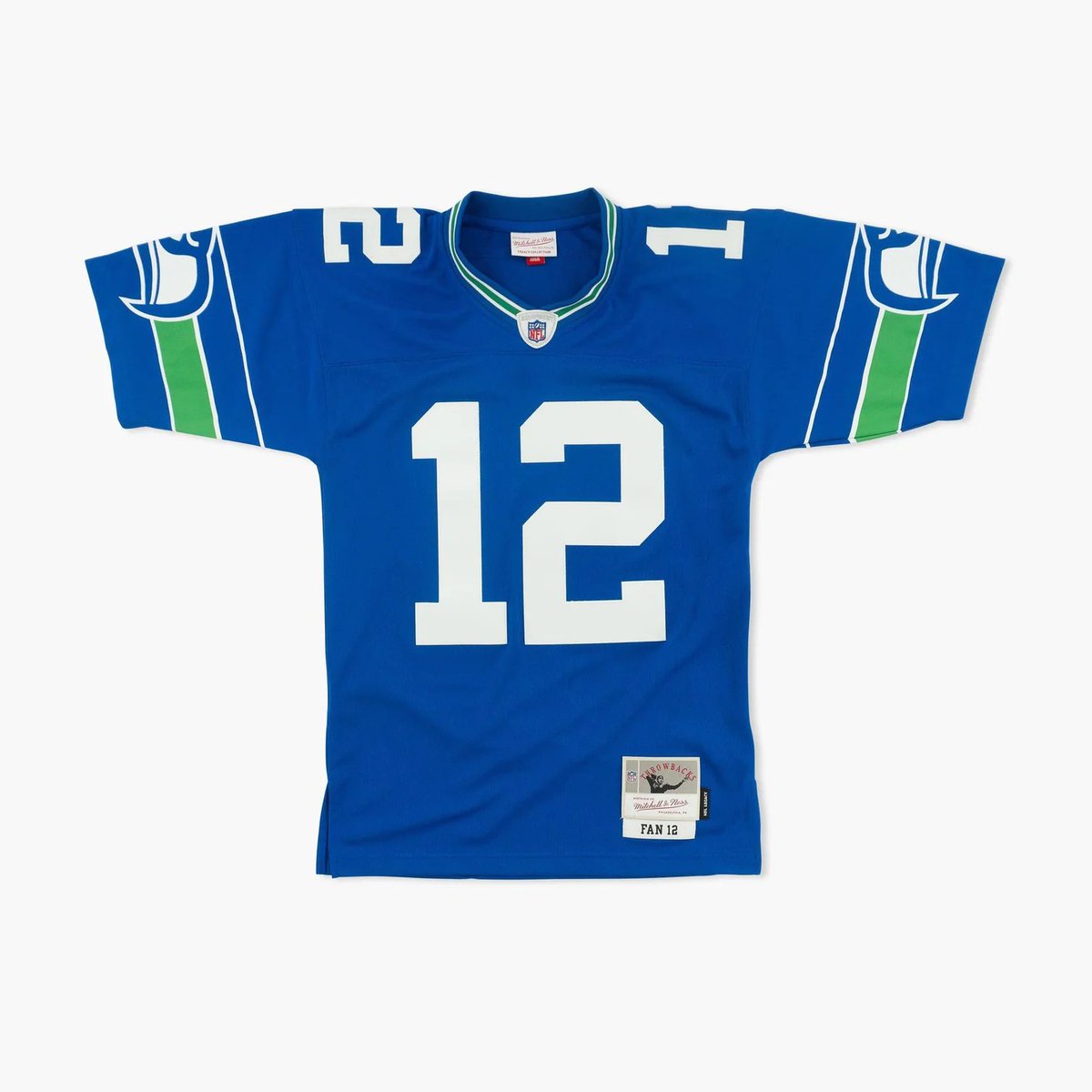
We've got one @mitchell_ness Throwback Blue 12th Fan jersey 👀
*This is only for a size Large jersey*
RT TO ENTER TO WIN!
Washington has already driven taxpayers out due to bad policies.
Enacting an income tax would be counterproductive — states with no income tax have a major advantage over states that do.
The inevitable result is that some taxpayers will flee, the appetite for spending will continue, and the income tax will expand to hit people with sub-seven figure incomes.
This will further erode the economic base — and the cycle will keep repeating.
Montgomery County, MD, (one of nation's most affluent counties) enacted rent control in July 2024.
Watch how multifamily building permits evaporated.
Poof.
Meanwhile, the rest of Maryland held steady on permits.
Incredibly effective NIMBY-ism.
I don’t know why but @Intuit and @QuickBooks has frozen out deposits without any warning as to why. Nothing is in our resolution center either. Is this happening to anyone else in #taxtwitter ??
I really struggle with a company that says they value their customers but when you call customer support @Intuit and @QuickBooks no one ever seems to have a clue what the company does or how to help customers. Can someone who knows the product help me!
Just sent out engagement letters through @TaxCaddy and the name merge broke. All of the client data matches but not the names on the engagement letters. Any thoughts #TaxTwitter HELP! @MacGraham17