THE FIRST CASE
S v Makwanyane, 6 June 1995
The Constitutional Court of South Africa sat for the first time on 14 February 1995, and the first matter it heard was whether the state could still kill people.
Two men convicted of murder had been sentenced to death under section 277(1)(a) of the Criminal Procedure Act of 1977, and the question referred to the new court was whether that section survived the Interim Constitution. On 6 June 1995 eleven judges answered unanimously. It did not.
The death penalty was declared inconsistent with the constitutional protection against cruel, inhuman or degrading punishment, every provision authorising it was struck down, and the state was forbidden from executing anyone already sentenced.
Understand the context. Opinion polls at the time showed most South Africans supported capital punishment, and the country had a severe violent crime problem. The court abolished it anyway, and in doing so established something more important than the outcome. A constitution means that certain questions are no longer decided by majority preference.
President Arthur Chaskalson wrote the main opinion. Every one of the other ten justices wrote a concurring judgment of their own.
Yvonne Mokgoro had been appointed to that bench in October 1994, the first Black woman ever to sit on it. She had grown up in Galeshewe outside Kimberley and studied law part time while working as a nursing assistant, a court clerk and a prosecutor.
In her concurring judgment she reached for something the court had not yet used.
"Generally, ubuntu translates as humaneness. In its most fundamental sense it translates as personhood and morality. Metaphorically it expresses itself in umuntu ngumuntu ngabantu, describing the significance of group solidarity on survival issues so central to the survival of communities." A person is a person through other people.
She was arguing that South African constitutional interpretation should not draw only on Canadian, German and European jurisprudence, valuable as those sources are, but also on the values of the people the Constitution was written for. Ubuntu appears in the epilogue of the Interim Constitution, which spoke of a need for ubuntu rather than victimisation. Mokgoro took that word out of the epilogue and put it to work as an interpretive principle.
Justices Langa, Madala and Mahomed developed the same theme in their own concurring judgments.
Four things followed from Makwanyane and they still shape South African law. Constitutional supremacy became real rather than theoretical. A statute passed by Parliament was struck down by a court because it conflicted with the Constitution, and that happened in the court's very first case.
Human dignity was established as a foundational value rather than a decorative phrase. The reasoning ran through sections 9, 10 and 11 of the Interim Constitution, and dignity has anchored South African rights jurisprudence ever since.
Comparative and international law were confirmed as legitimate interpretive aids, with the court applying the proportionality test from the Canadian case of R v Oakes.
Ubuntu entered South African constitutional law. It has since been applied in cases concerning eviction, defamation, restorative justice, contract and customary law, and an entire field of legal scholarship grew from those paragraphs.
Somebody has to decide what a new country will actually be, and the deciding happens in rooms most people never see. A woman from a township outside Kimberley, whose parents had primary schooling only, sat on the first bench of the first court of a democratic South Africa and wrote an African philosophical principle into its founding jurisprudence in its opening case.
#RememberHerName
Journalists this one is for you| IEC Media App
Media professionals can use the app to access IEC announcements, media statements, interview requests, media accreditation, podcasts, broadcasts and frequently asked questions, all in one place.
📲https://t.co/xKg9X9YStM
#LGE2026
I always wondered why I slept so poorly on short trips, even with seemingly ideal sleep conditions.
Turns out there's actual science behind this.
It's called the First Night Effect: One brain hemisphere basically stays on night watch guard duty all night. Fascinating.
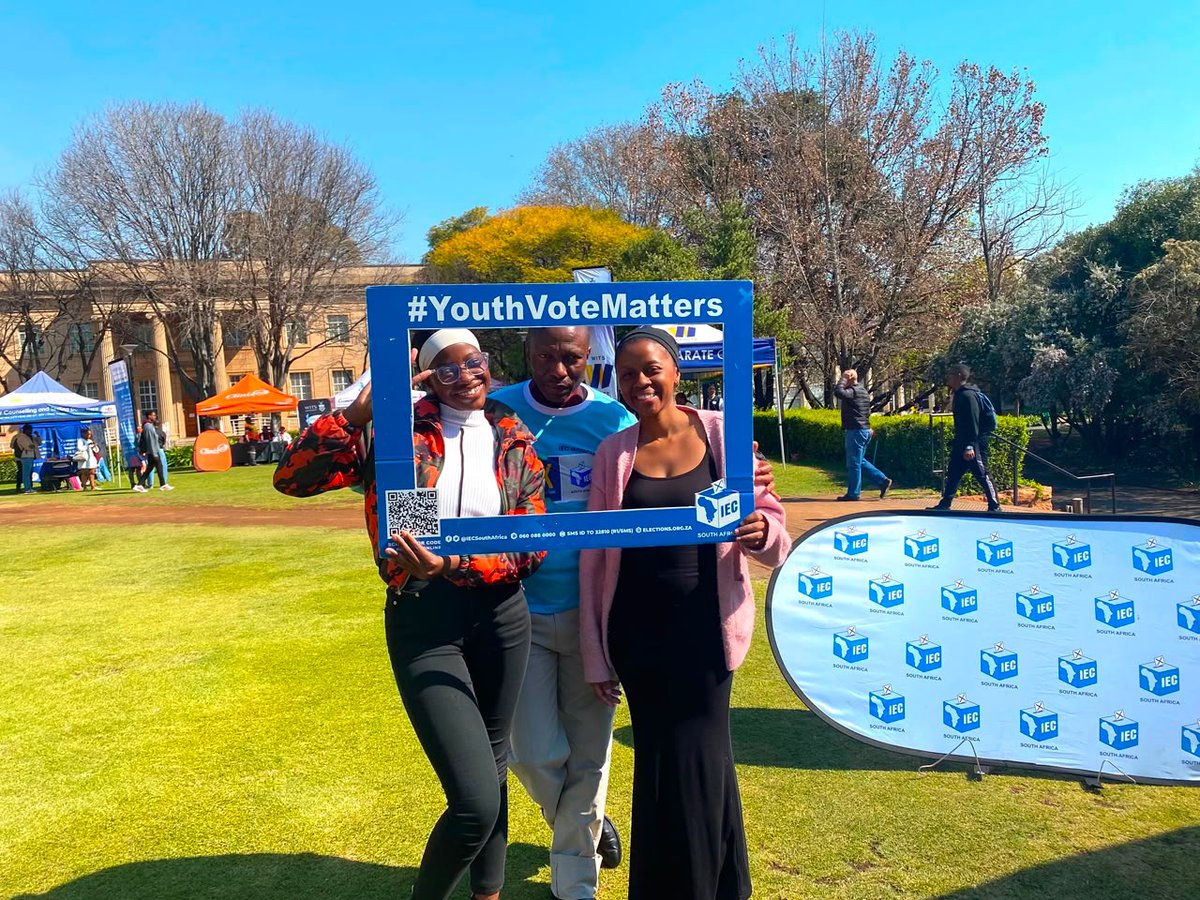
📍 Wits University | Voter Education Drive
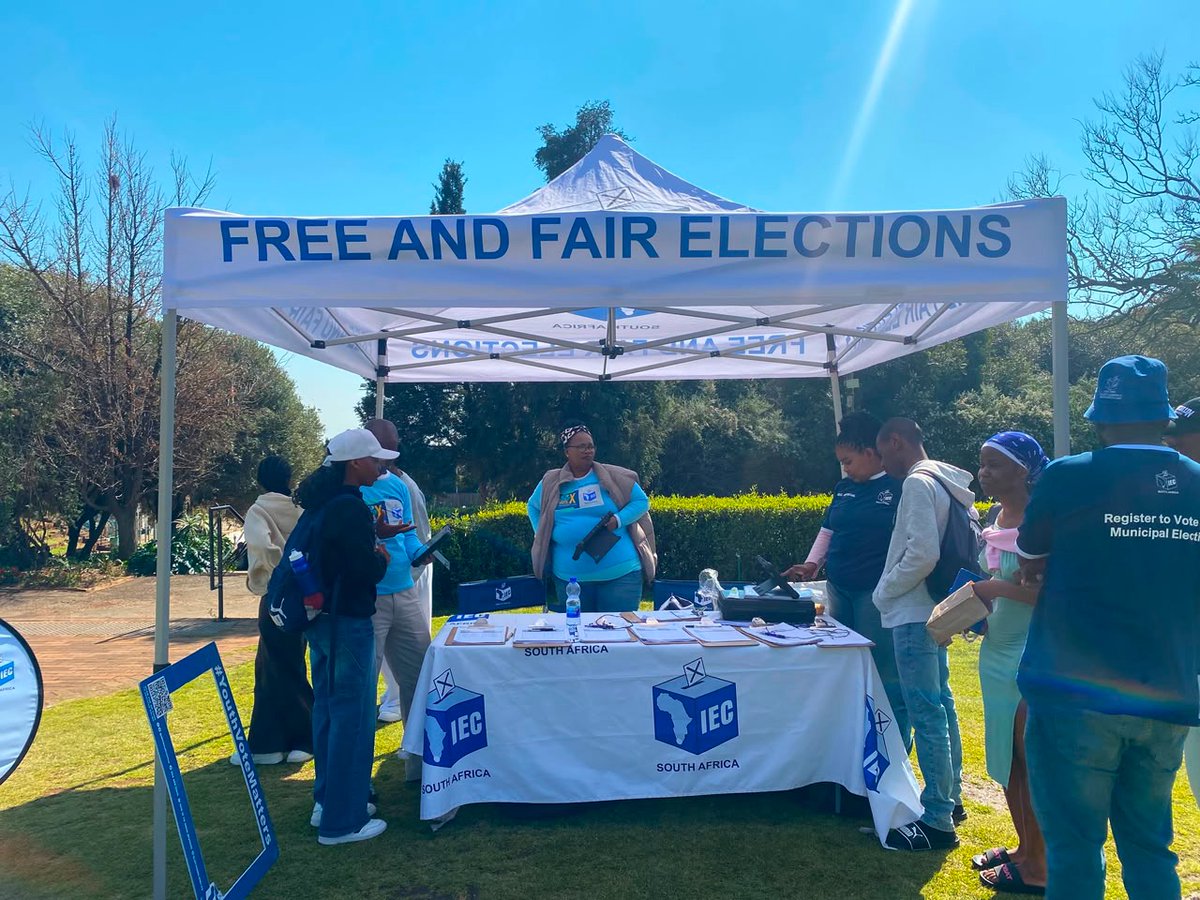
The IEC engaged students to register & update details ahead of #LGE2026.
⏳ Voters' roll closes midnight, 7 Aug 2026.
✅ Register online (data-free): 🔗 https://t.co/WorsxgXJOo
#LGE2026#GetUpShowUpVote
When I joined my first board 15 years ago, the best advice I received was that anything can happen—from managing a CEO passing away in office to navigating massive acquisitions.
In my latest conversation on Capital Allocators with @tseides, I break down key lessons from the boardroom and more.
Watch the full episode here: https://t.co/JhPNG51I1k
#CapitalAllocators #Leadership #CorporateGovernance #BusinessInsights #Podcast
Congratulations to Limpopo’s top cop, Leiuatenant General https://t.co/pkORsNlSnW the Provincial Government,we do not stand apart from you,we rally firmly behind you, provide political will and the unwavering structural support you need to carry out these heavy-responsibilities.
Friday mood: Spud & keeping the winter blues away!
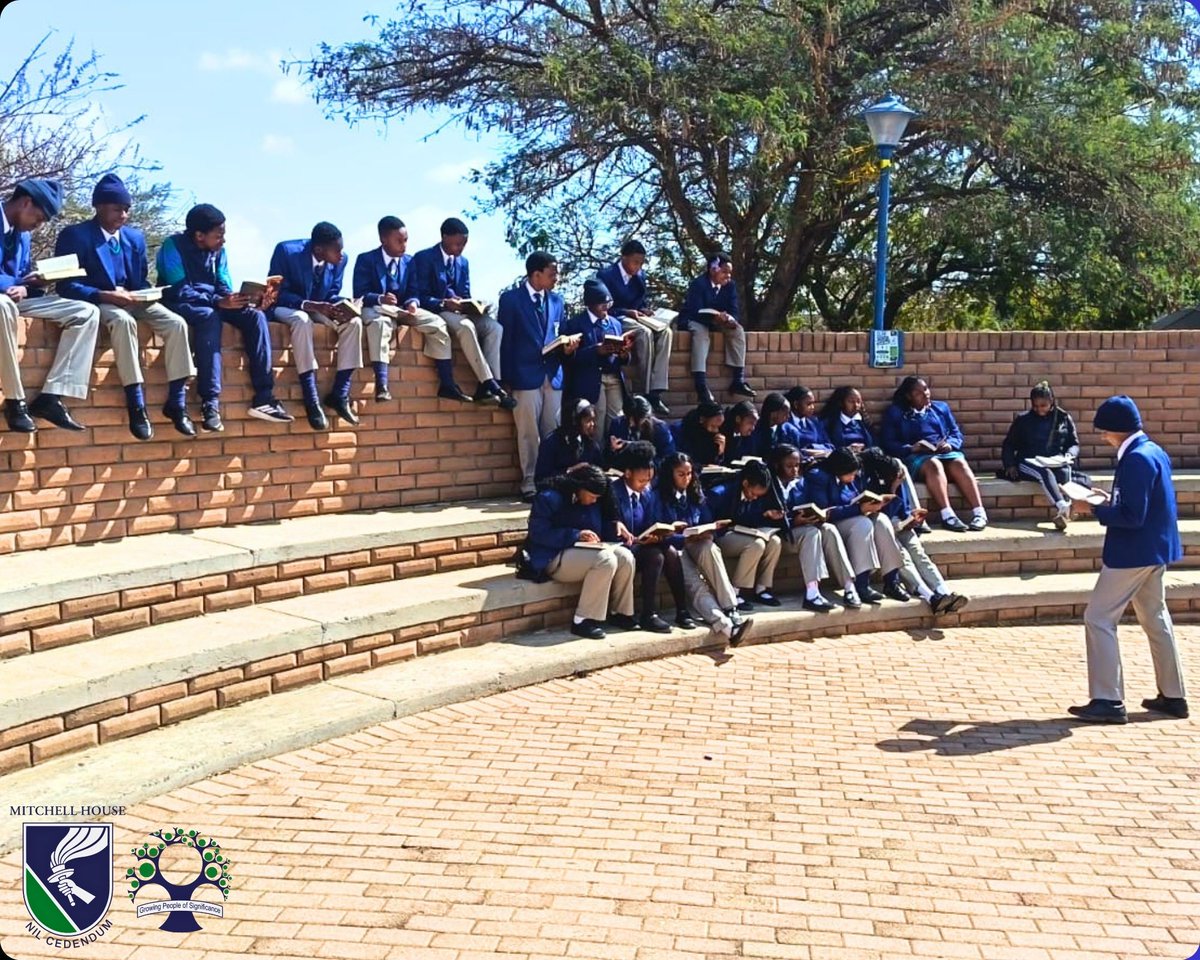
Grade 8s took their reading session to the amphitheatre. Pages turned, curious faces appeared & laughter echoed between the chapters. Perfect way to wrap up the week.
#MitchellHouse#GrowingPeopleOfSignificance
Our College Tennis Team attended the U/16 African Junior Team Championships at Polokwane Tennis Club yesterday.
Safe to say our players came home inspired to level up their game! 💙💚
#MitchellHouse#GrowingPeopleOfSignificance
WARNING: Longer post (but worth reading or bookmarking for later).
There's no such thing as too late.
A few days ago, I came across an old newspaper advice column from 2000:
Dear Abby:
I am a 36-year-old college dropout whose lifelong ambition was to be a physician. I have a very good job selling pharmaceutical supplies, but my heart is still in the practice of medicine. I do volunteer work at the local hospital on my time off, and people tell me I would have made a wonderful doctor.
If I go back to college and get my degree, then go to medical school, do my internship and finally get into the actual practice of medicine, it will take me seven years! But, Abby, in seven years I will be 43 years old. What do you think?
- Unfulfilled in Philly
Dear Unfulfilled:
And how old will you be in seven years if you don't go to medical school?
Let that one sink in for a moment.
That timeline in your head is your own creation.
It forms from a young age. We look out at the world and use what we observe to sketch out a map of how our life is supposed to go. Social media highlight reels tell us how we stack up. What we should be doing. By when. And what we can’t possibly do now.
It’s a form of inheritance. Not one we choose, but one we all get.
So, we tie ourselves in knots, just like Unfulfilled in Philly. We know what we really want, but we’re too afraid to go all in. Because to go all in is to expose yourself to real failure. To be completely naked.
But the harsh truth that Abby so elegantly highlighted is an important one:
Time is unforgiving. It doesn’t care about you. It’s moving with or without you. Whether you choose to act…or not. Whether you live the way you want…or not. Time is just going to pass.
How often do we all sit around waiting for someone else to come tap us into our own life? To give us permission to go and do the thing we want to do?
Waiting for our own Dear Abby reply to tell us it’s ok. We’re not too late. We’re right on time.
The real lesson here is recognizing that you don’t need any of that. You don’t need this post. You don’t need Dear Abby.
You get to tap yourself in. You get to choose.
You're not late. You're not early. You're exactly where your life has led you to be. And you get to decide where you go from here.
So, that thing you want to do:
How old will you be in ten years if you don’t do it?
Media Statement
19 July 2026
Statement by the Minister of Sport, Arts and Culture on FIFA World Cup 2026 Delegation and Programme Expenditure
Read Full Statement: https://t.co/NhJrTr2vYR
#InspiringANationOfWinners#ForTheRecord
Cheers to 50 million litres of water per day to the community of Hammanskraal and surrounding areas. We still have other parts of Hammanskraal that still need more water and we commit to resolve this challenge soon #GrowingGautengTogether
The University of Limpopo congratulates Dr Sethuthuthu Lucky Vuma, Senior Lecturer in the Department of Cultural and Political Studies, on his appointment as Chairperson of the Limpopo Archives Council by the Honourable MEC for Department of Sport, Arts and Culture Limpopo.
A month ago, the owners of these illegal structures were served with notices instructing them to stop building on municipal land.
The land is earmarked as a public park. Today, we demolished three vacant illegal structures built on the site. We will approach the High Court for an order to allow the municipality to demolish the remaining illegal structures. This land must restored for its intended purpose. @CityTshwane
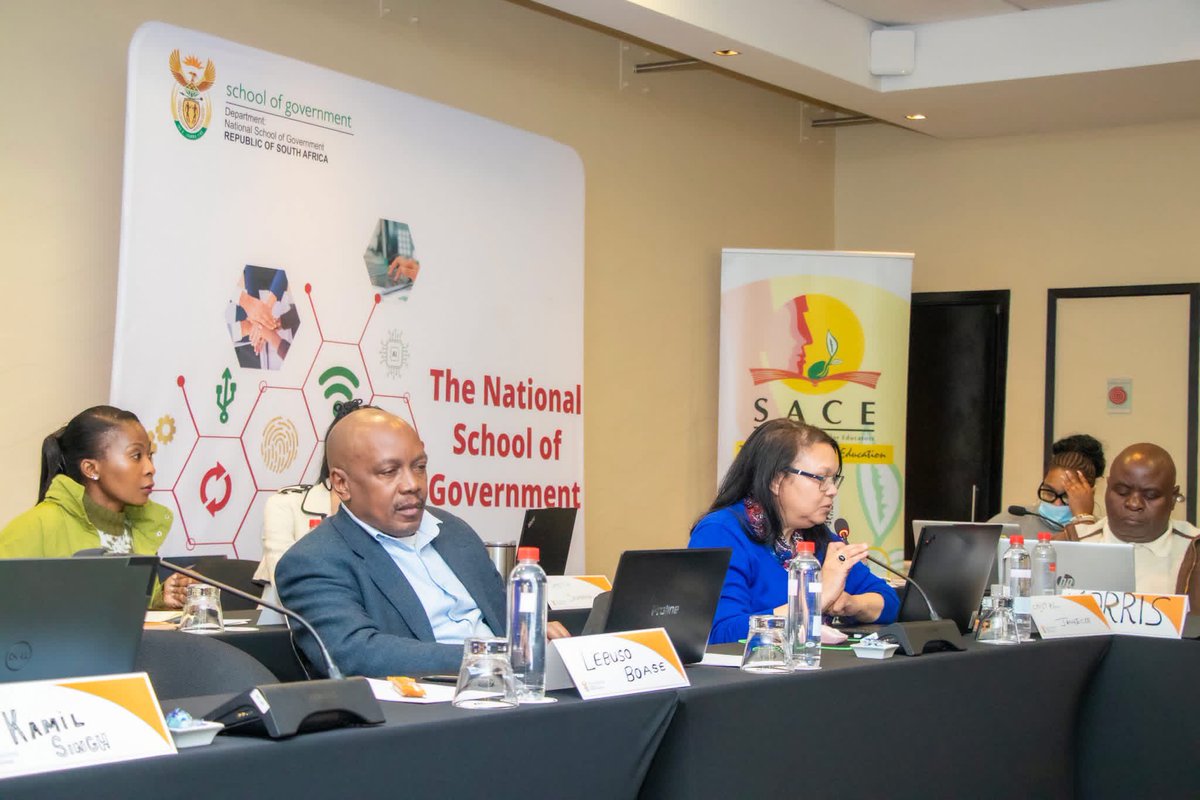
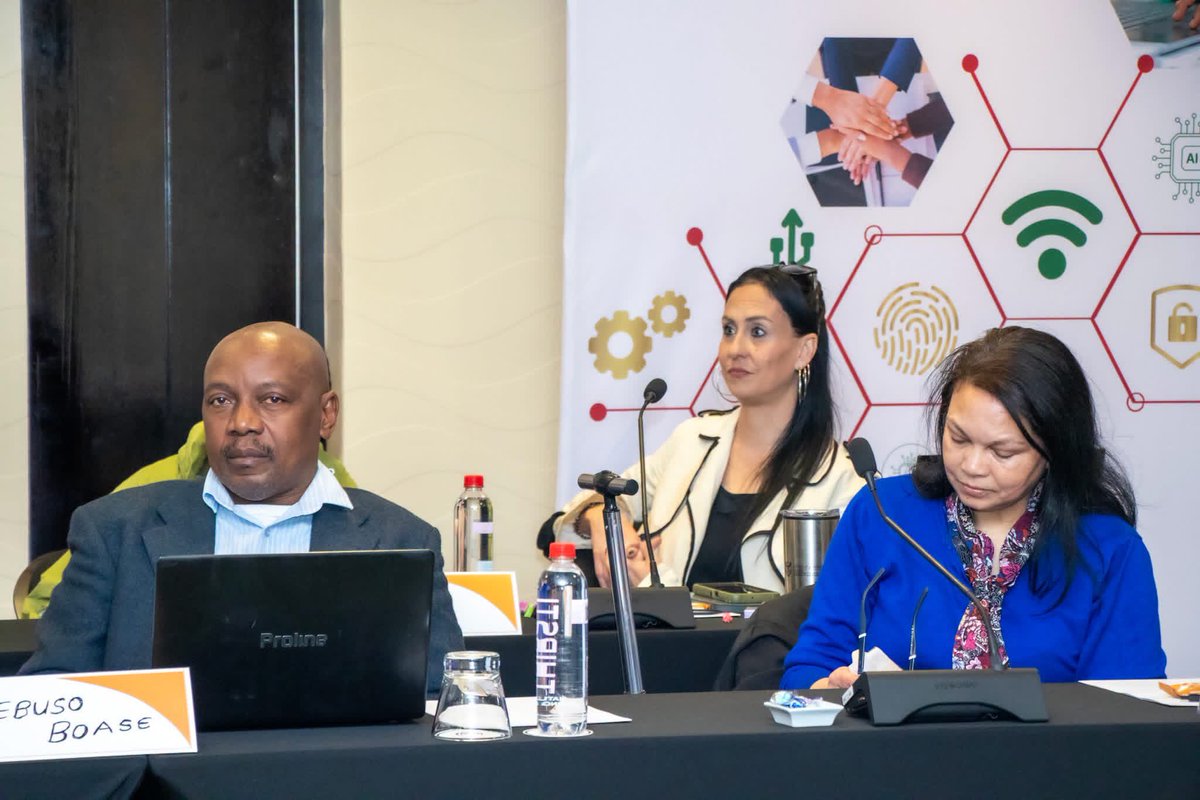
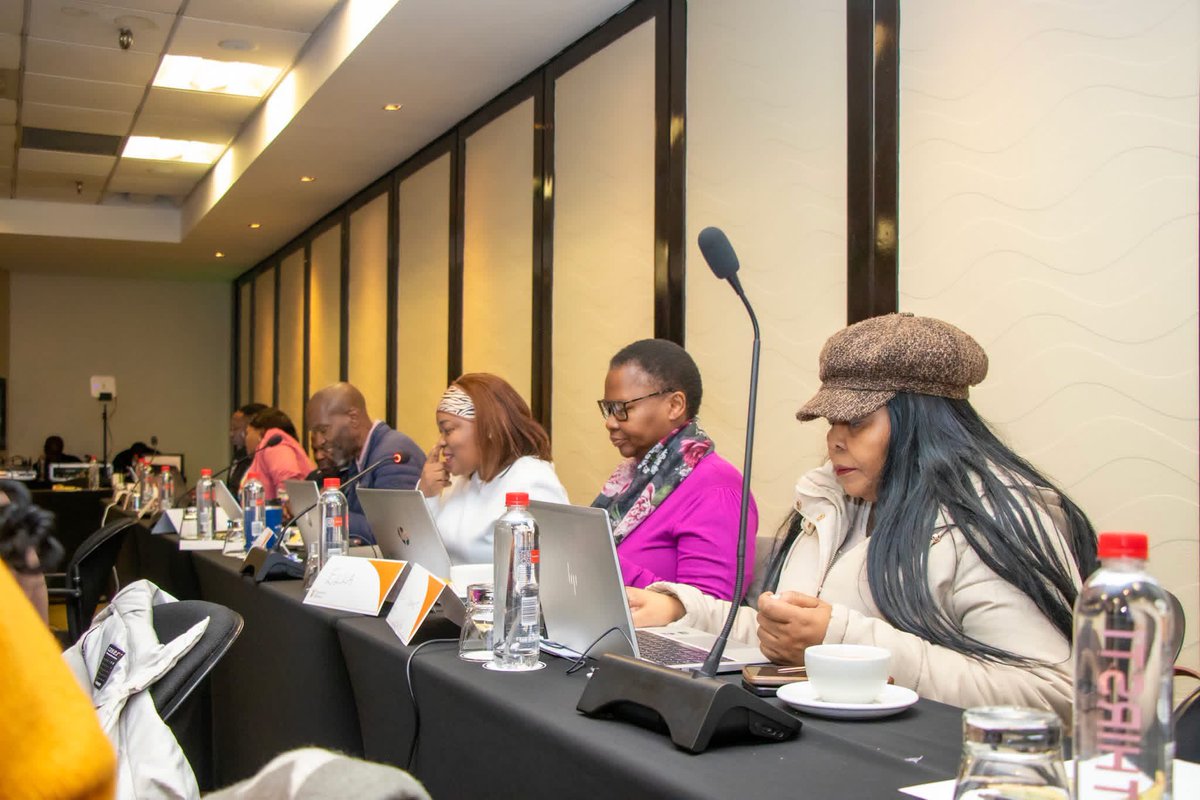
DAY 2 l SACE COUNCIL ATTENDING INDUCTION PROGRAMME FOR BOARDS/COUNCILS
Yesterday, day 2 of the induction training programme for the newly appointed SACE Council Members concluded. The session was conducted by the National School of Government (NSG)
#SACE