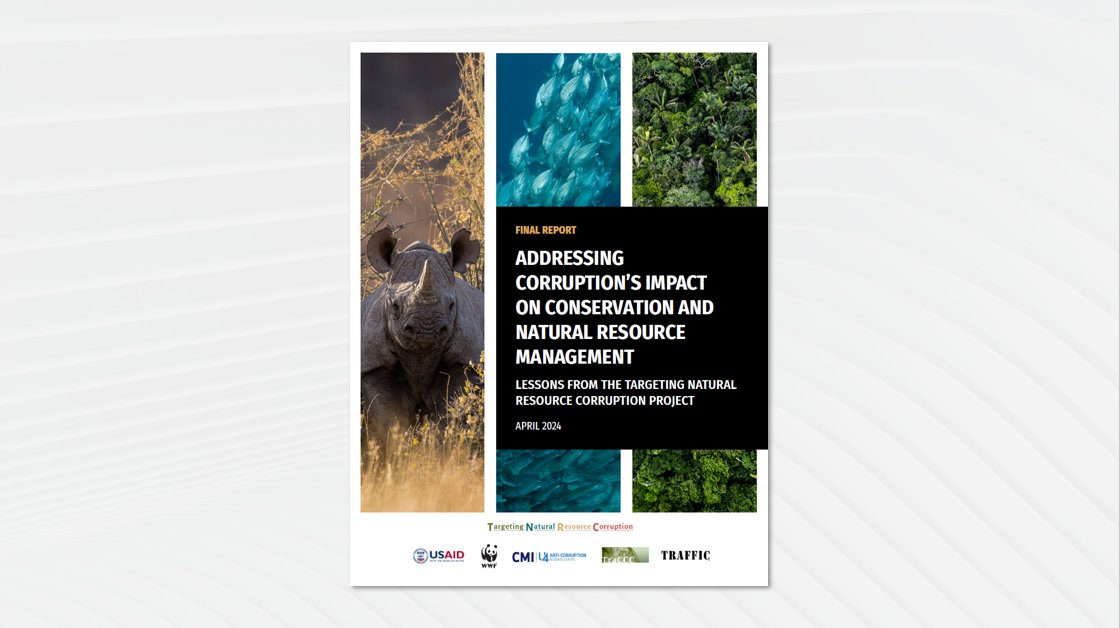
From 2018 - 2024, the @TNRCproject delivered knowledge and tools to address #corruption in #conservation. This final report summarizes core lessons, strategies, activities, and outputs from the project and the paths forward to continue this important work: https://t.co/ozhACC3UkJ
As interest in #NbS rises, it's crucial for everyone involved, from funders to #conservation practitioners, to address the risks of #corruption and ensure that these activities benefit the people who live, work, and depend on #nature. Learn more: https://t.co/tfDYZ7QYyI
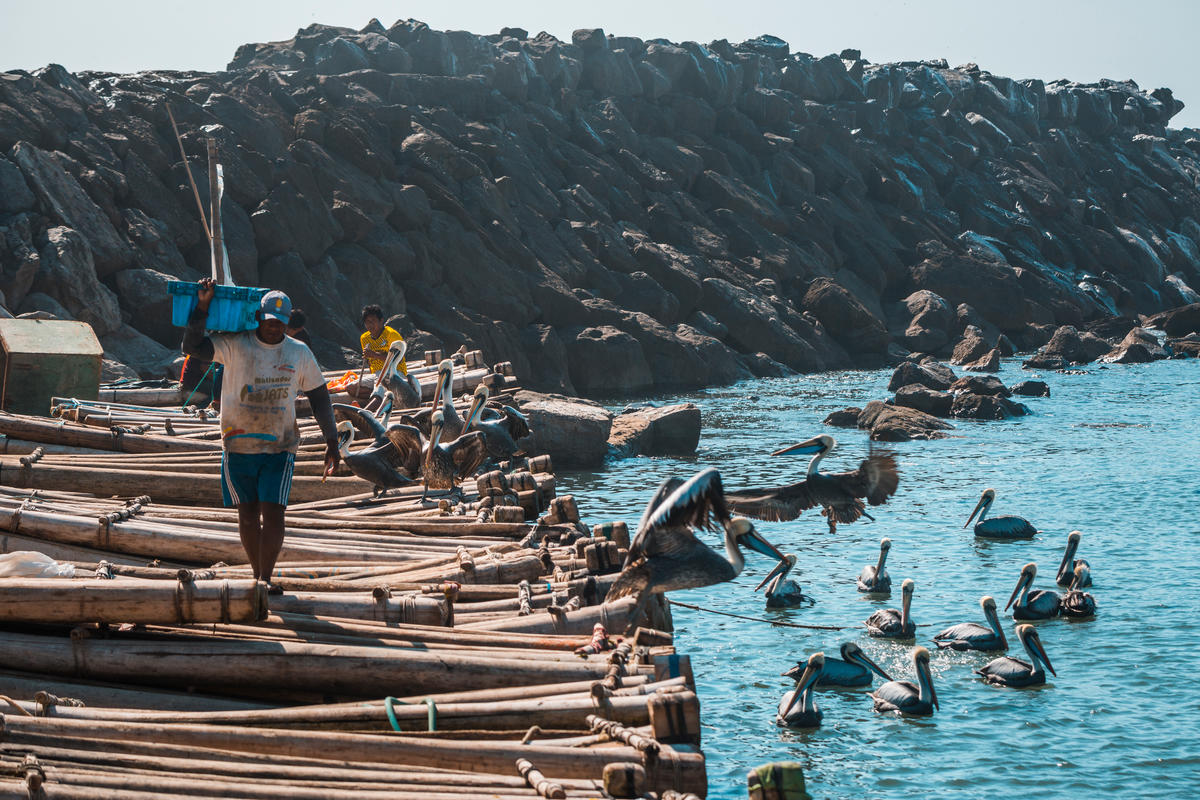
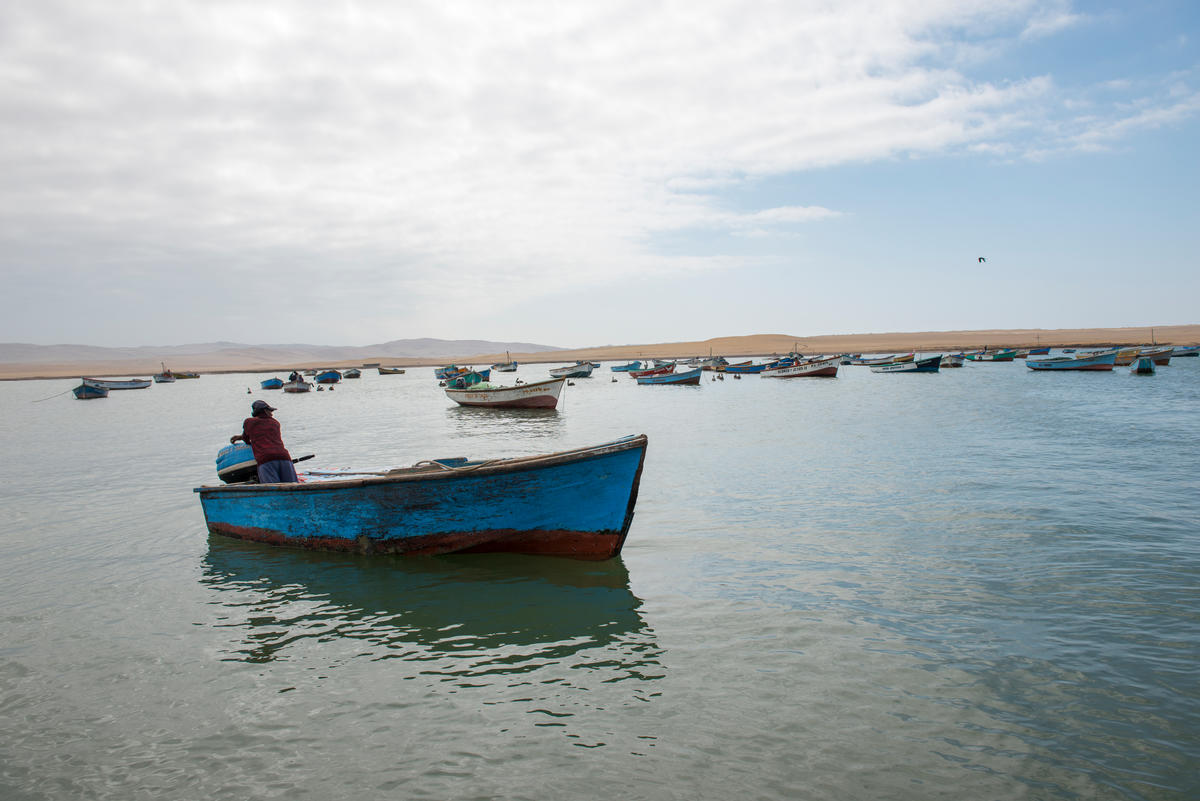
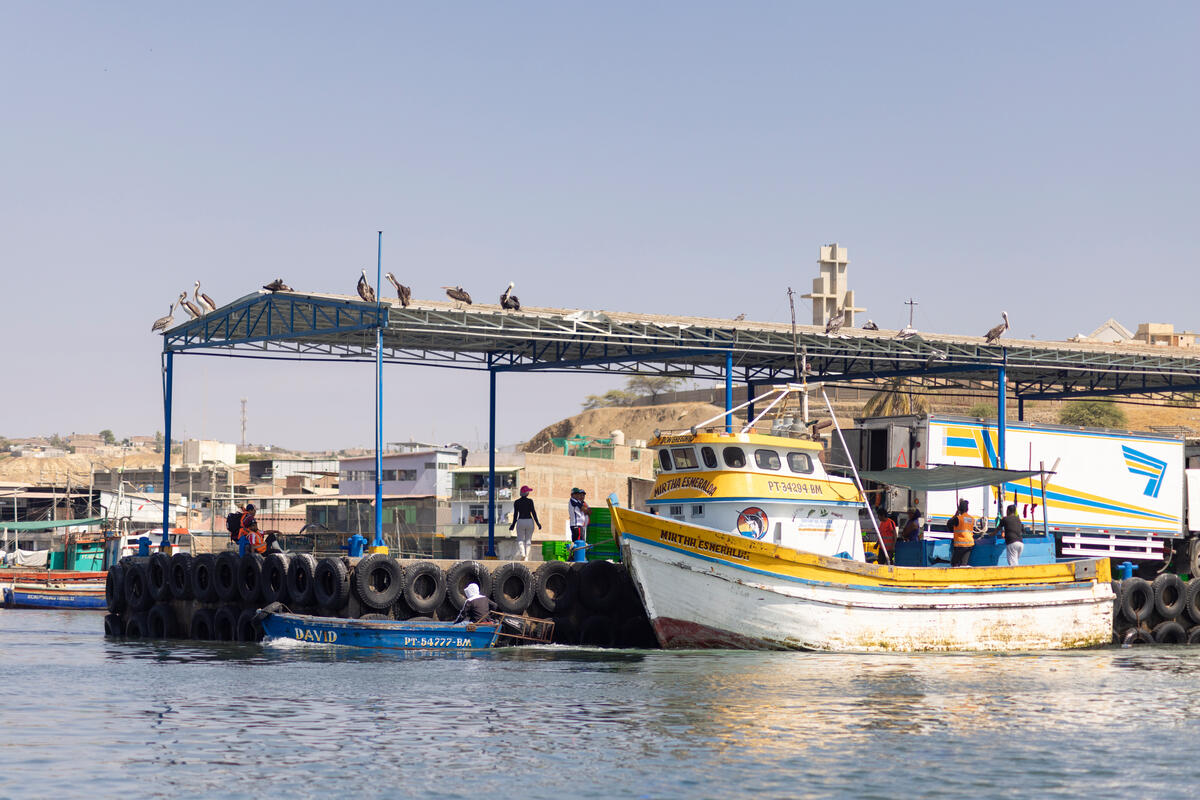
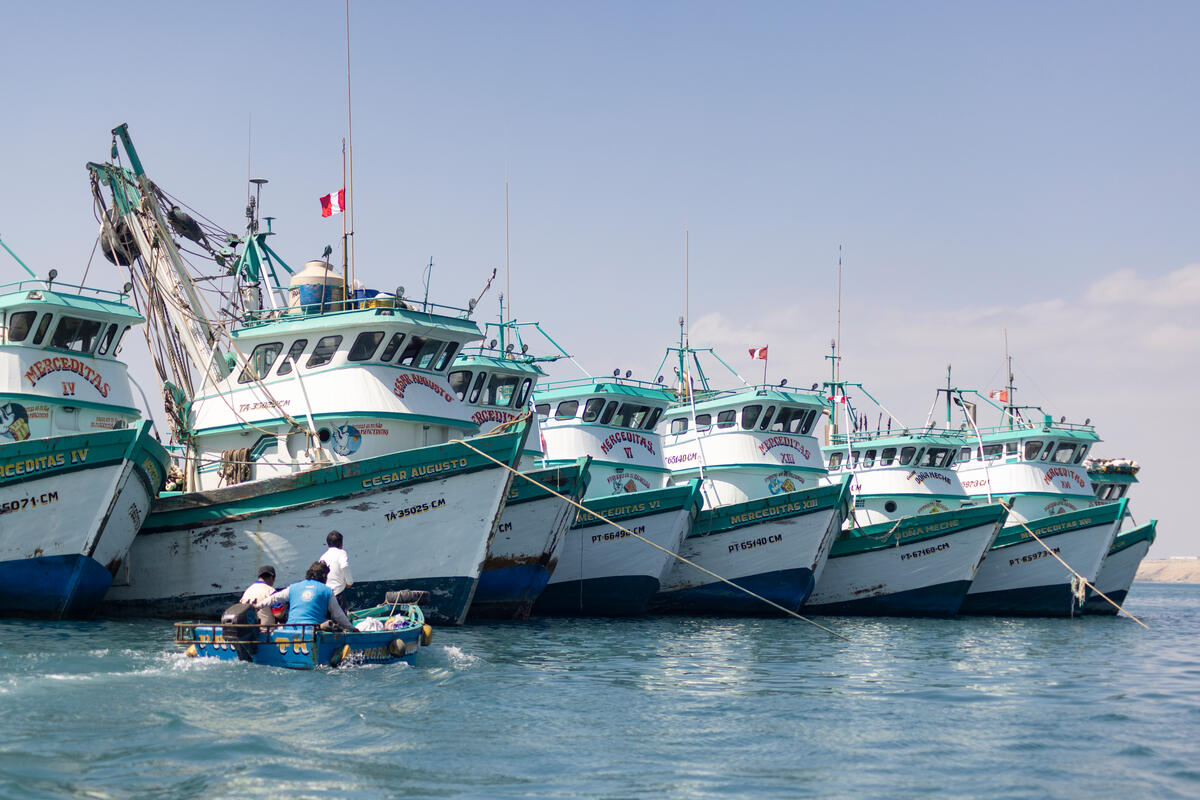
Looking to reduce the negative effects of #corruption on #fishery supply chain? This blog shares valuable learning and insights from WWF Peru pilot activities, under the @TNRCproject, on addressing corruption and other vulnerabilities. https://t.co/j8IiWdIAgr
💡 How can a virtual #chatbot help reduce risks of #corruption in the #fishing sector? This blog shares learning from WWF Peru's experience in creating and developing "Justina del Mar" a virtual chatbot used by artisanal fishers: https://t.co/lJttrGpHUL
In September 2023, WWF Peru shared insights with the Conservation Measures Partnership on digitizing fishing catch certificates, a crucial step to address illegal, unreported, and unregulated (#IUU) fishing.
This blog shares learning from their work: https://t.co/7vDX0C573m
In 2023, WWF Colombia, w/ @TNRCproject support, used its environmental rights efforts to advocate for ratification & enforcement of the Escazú Agreement, the 1st treaty in LATAM and the Caribbean to protect #EHRDs. Read the case study: https://t.co/0cFq0wxcYV
🐟 In 2023, WWF Mexico, supported by @TNRCproject, conducted a #corruption risk analysis of one fishery to identify vulnerabilities in the supply chain and improve transparency and management. This case study documents findings from their work: https://t.co/LBu9CCBy6S
💡 How can mobilizing youth strengthen #forest#governance?
🌳 WWF Nepal, with support from the @TNRCproject, identified youth as key stakeholders in promoting effective forest governance. Learn key lessons from their second pilot phase: https://t.co/yMbZ3OTLbV
🌿The CMP's “Direct Threats Classification” is a foundational tool that provides a framework to identify + address key threats to conservation. This TNRC guide extends on this and helps practitioners uncover missed corruption dynamics in their analysis: https://t.co/vletXNsjxd.
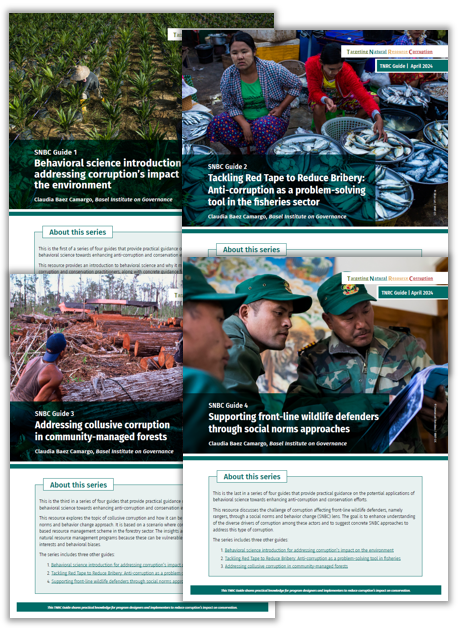
💡 How can social norms and behavior change approaches help practitioners address #corruption in #conservation? This series of four guides, developed by the @BaselInstitute under @TNRCproject, offers practical guidance on potential applications: https://t.co/QsJpRl2JBO
Have 5 minutes? 💡Hear insights from practitioners working globally to address #corruption risks through #conservation work.
📺Click on your area of interest to watch the video today: https://t.co/EK1j5uw7Qn
Looking to address the impacts of #corruption in your context? These TNRC Model Results Chains can serve as a starting point.
⚖Law enforcement:https://t.co/328GLGo55B
📢Open governance:https://t.co/kdOvn50lMG
👥SNBC:https://t.co/Jj1tPFKEZe
🔄Supply chains:https://t.co/PE9GEP3a3d
Can applying social norms & behavior change (SNBC) approaches help to reduce the impacts of #corruption in #conservation? These guides, by @TRAFFIC_WLTrade under @TNRCproject, introduce foundational principles/considerations on the use of SNBC approaches. https://t.co/wq8OwDq1a9
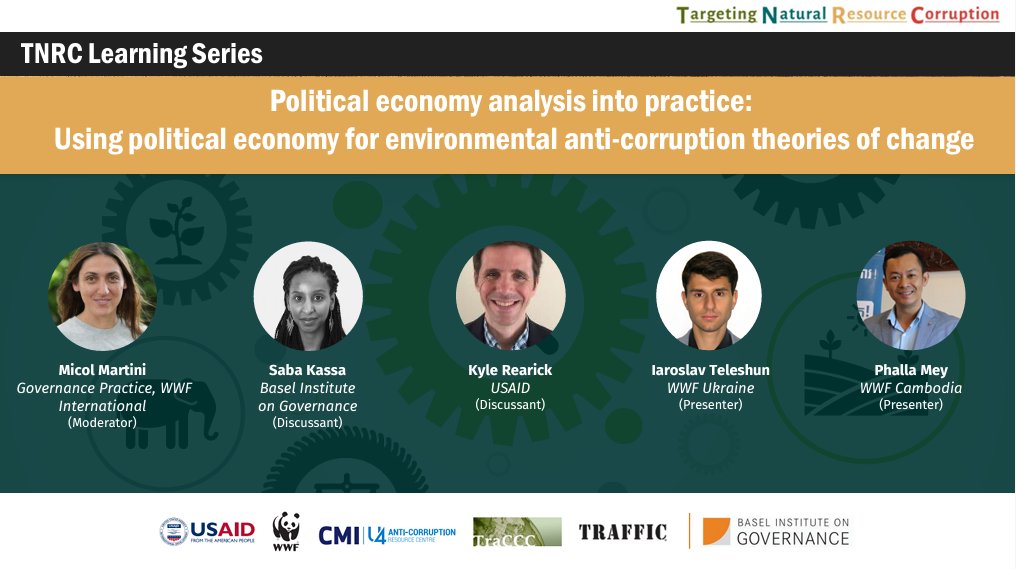
How can Political Economy Analysis (PEA) help #conservation practitioners develop, test, and adapt theories of change (ToCs) to address #corruption challenges?
Read this blog and watch the webinar recording to learn insights from experts: https://t.co/Fc3L6AvSlr
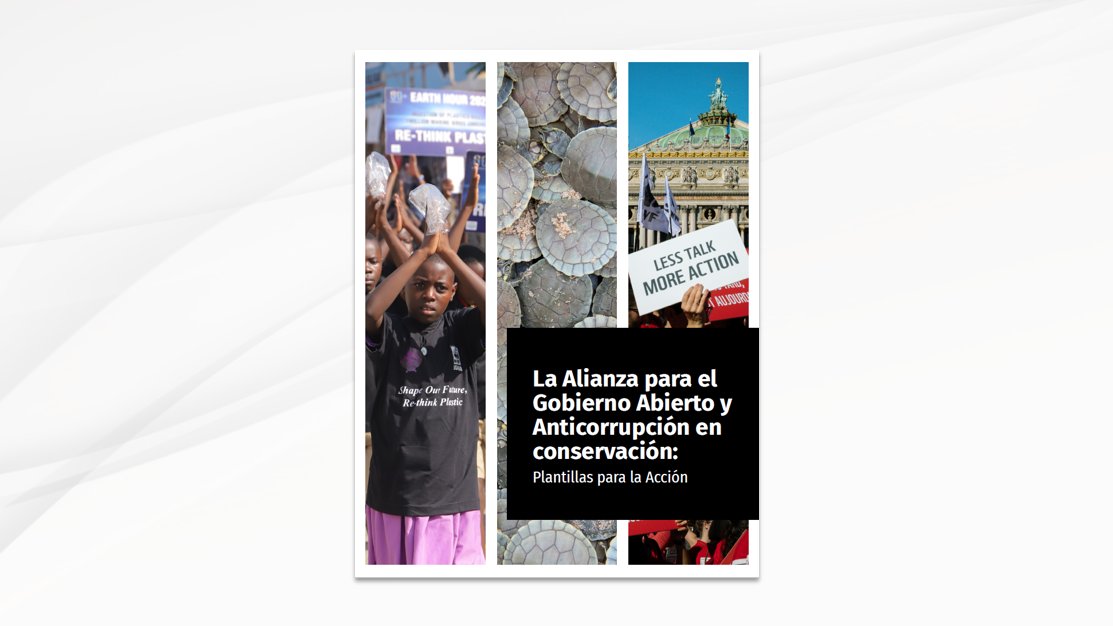
Open Governance Partnership (OGP) offers opportunities to bring transparency, participation & accountability to the governance of natural resources. Learn how OGP can help reduce #corruption impacts on #conservation. This guide is now available in Spanish: https://t.co/foAqoN3gpl
A year ago, the WWF Latin America and the Caribbean's Anticorruption Regional Initiative (LACRI) launched to address #corruption that undermines #conservation objectives. This blog shares lessons learned & efforts needed to ensure its effectiveness.
��https://t.co/svDZA9s3yP
Day 2 of #UNCAC#CoSP10 emphasized the need for the #conservation community to engage in formal reform processes & informal ways corruption & criminality operate to address env #corruption. Effective action requires understanding the contexts where we work & corruption drivers.
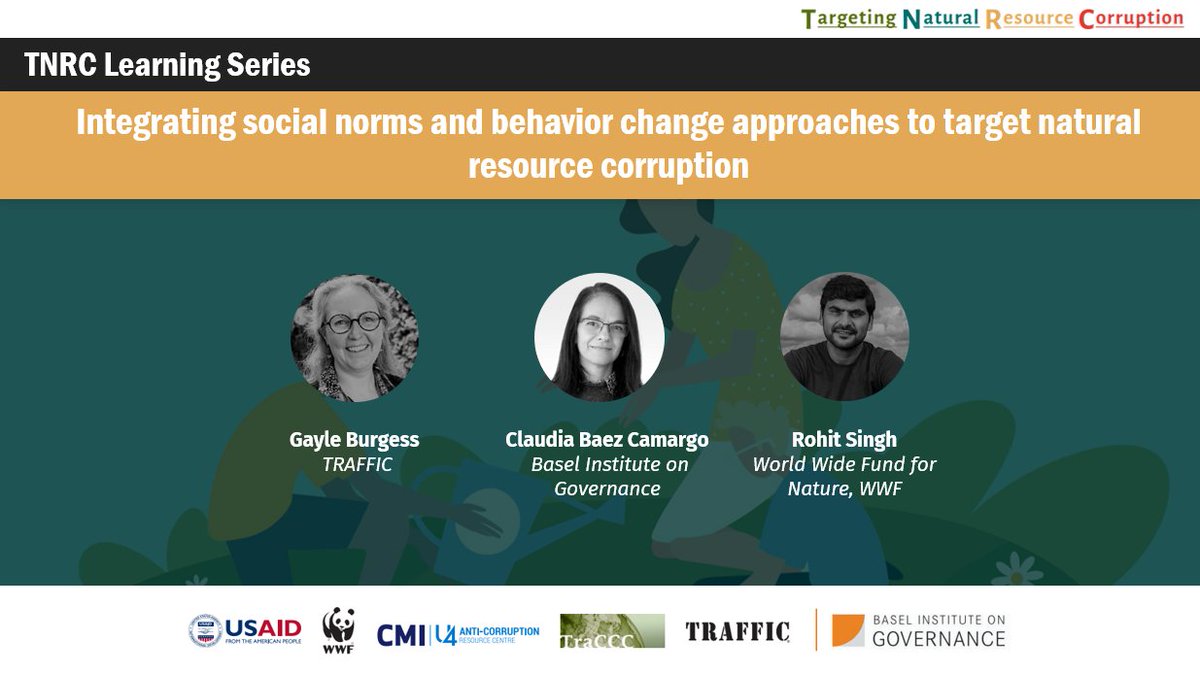
How can integrating social norms and behavior change (SNBC) approaches help #conservation practitioners target natural resource #corruption? Read this blog & watch the recording to learn insights from experts at @TRAFFIC_WLTrade, @BaselInstitute, and WWF: https://t.co/Mhl2RTop4k