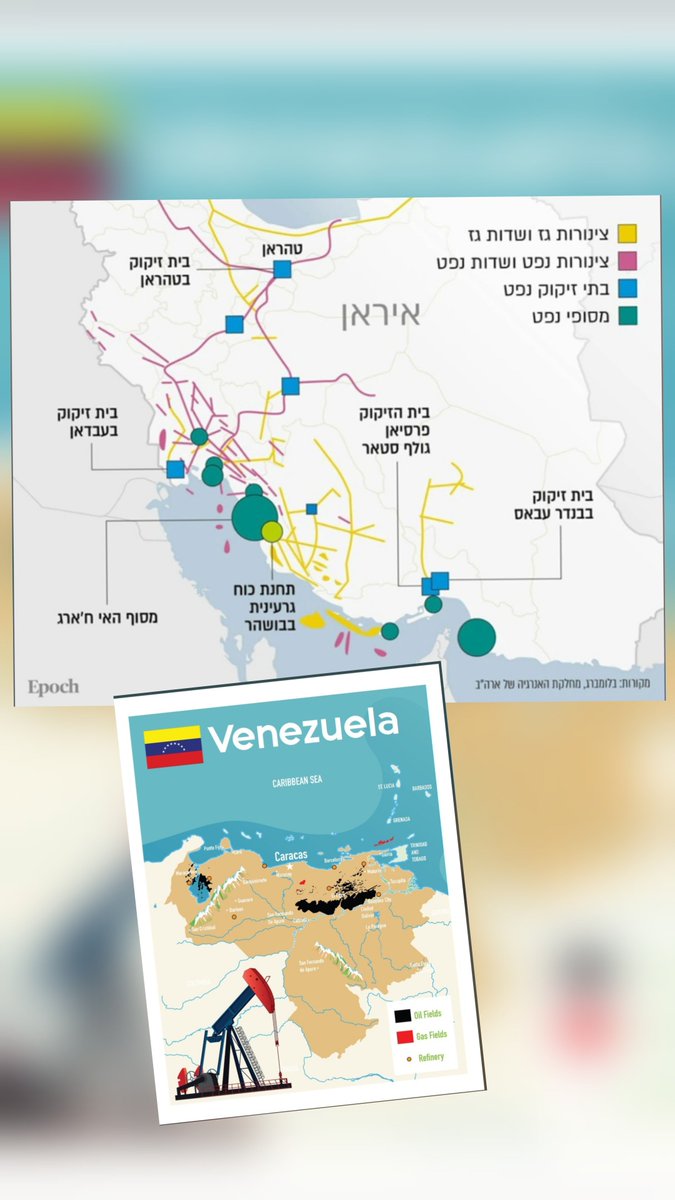
מודל ונצואלה גם באיראן-איך פוגעים בנהג מבלי להרוס את המכונית
--------------
כל מי שמנסה לפענח את הניהול האמריקאי של המערכה באיראן דרך משקפיים צבאיות קלאסיות, מוצא את עצמו מופתע שוב ושוב. העיכובים, החשש המוצהר מהסלמה רחבה, והבלמים שארה"ב הפעילה מול פגיעה מסיבית בתשתיות לאומיות איראניות-נתפסים לעיתים תכופות כהססנות, כמבוכה אסטרטגית, או כחוסר רצון להיגרר ל"מלחמה נצחית" נוספת.
אך מבט עמוק יותר חושף לוגיקה שונה לחלוטין: ארה"ב לא מהססת להרוס את המשטר באיראן, היא פשוט נזהרה עד כה שלא להרוס את הנכס.
מודל ונצואלה לטהראן?
-------------
במהלך השנה האחרונה הציג מזכיר המדינה רוביו בוונצואלה דגם עבודה מרתק של דיפלומטיה מודרנית: ניהול מרוחק של מדינה בקריסה, מאחורי הקלעים, תוך שליטה בצינורות המזומנים, הרישיונות האנרגטיים והאשראי הבינלאומי. המודל לא נולד מתוך רצון לבנות אומה נוסח עיראק של 2003, אלא מתוך היגיון עסקי של "השתלטות עוינת": עורפים את ההנהגה העוינת, משאירים את המנגנון הבירוקרטי והתשתיות עובדים, ומכתיבים את האסטרטגיה בכסות של שותפות ריבונית.
עבור טראמפ וצוותו, איראן פוסט איסלאמית היא לא תרגיל בדמוקרטיזציה-היא השוק שבו חברות אנרגיה ותעופה אמריקאיות, טכנולוגיות מים וירוקות (ישראליות?), והשקעות מפרציות ינכסו מחדש את הוואקום שיותירו אחריהן סין ורוסיה.
וכאן בדיוק נעוצה הדילמה האמריקנית העיקרית: איך לשתק את הנהג בלי לרסק את המכונית?
אפשר להניח שהסיבה המרכזית לחוסר הרצון האמריקאי לראות תקיפות על שדות הגז, בתי הזיקוק, תחנות הכוח והנמלים של איראן אינה נובעת מזהירות צבאית בלבד. פגיעה קשה בתשתיות הלאומיות תהפוך את איראן של "היום שאחרי" מנכס מניב לנטל אדיר. שיקום מתקנים שנחרבו ידרוש מאות מיליארדי דולרים ושנים ארוכות, והציבור האיראני יתבוסס בעוני במקום לחבק את הליברליזם המערבי.
ככל שהזמן נוקף, ארה"ב מגלה את גבולות המודל: אי אפשר ליישם את מודל ונצואלה כל עוד המשטר בטהראן עומד על רגליו.
בוונצואלה, לאחר "עריפת המנהיג", האליטות המקומיות הסכימו להרכין ראש כדי לשרוד. באיראן, מנגנון משמרות המהפכה משולב בכל נימי הכלכלה והתשתיות-המשטר הוא חלק מובנה מהן, ומזין את עצמו מצינורות הנפט והתקשורת כדי לממן את הדיכוי הפנימי ואת התוקפנות האזורית.
שינוי המשוואה
---------
כדי לפתור את המשוואה הזו של הקרסת המשטר מבלי להרוס את הבית, ארה"ב נדרשת ל:
1.העברת חלק מהמנגנונים ל��ידה- פגיעה ממוקדת בצמרת ההנהגה האידיאולוגית והעברת מסר שקט לקצונה הבינונית והנמוכה: ביום שאחרי, יש לכם מקום בצבא לאומי חדש-אם לא תילחמו עד הסוף. בדיוק כפי שנעשה ב-1979, כשמנגנוני הצבא שרדו והשתלבו מחדש, ניתן לפרק את מנגנון הדיכוי מבלי למוטט את המדינה עצמה.
2.מצור על השיווק, לא השמדת הברזים-מצור ימי כדי למנוע מהמשטר למכור נפט כעת, תוך שמירה על הצינורות והמתקנים שלמים ליום שבו שלטון חדש יפתח אותם מחדש.
3.הבנת הפסיכולוגיה של הצעירים-דור ה-Z באיראן, שרעב לחופש אישי ולחיים נורמליים-עבורו, "ליברליזם" הוא היכולת ללכת ברחוב בלי פחד, להתחבר לאינטרנט חופשי ולהתפרנס. הצ��בור האיראני יקבל בברכה כל הנהגת מעבר-בין אם מדובר בחזרתו של רזא פהלווי כעוגן חוקתי ובין אם בממשלת טכנוקרטים – שתבטיח רוח ליברלית ושיקום כלכלי בגיבוי אמריקאי-ובדיוק את ��ה יש להכין כחלופה למשטר הנוכחי.
בשורה התחתונה, הזהירות בתקיפת התשתיות אינה בשל מגבלה טקטית/צבאית-היא פשוט חלק מתוכנית אסטרטגית וארוכת טווח. ארה"ב אינה מחפשת להפוך את איראן לעיראק או ללוב. היא מחפשת ליצור מדינה שתנוקה מהנהגתה הקיצונית, תישאר עם תשתיות מתפקדות, ותהפוך למנוע הצמיחה החדש של האזור תחת מטרייה אמריקאית, שיתוף פעולה טכנולוגי ישראלי ובסיוע נדיב של מדינות המפרץ.
זוהי הדילמה האמריקנית העיקרית כעת: האם לחנוק את הדב האיראני עד שיתמוטט המשטר, או לפגוע בו ישירות מה שככל הנראה גם יפגע בנכסים של יום המחר.
ויש גם פתרונות לזה. על כך בטורים הבאים.
With Zelensky and Netanyahu both in Washington today attending Sen. Lindsey Graham's funeral and meeting separately with Trump, it might be a good opportunity for the two leaders, who head perhaps the only US partners willing to fight, to meet and belatedly inaugurate a new Israeli-Ukrainian relationship that could serve both countries’, and America’s, security interests. Netanyahu should be less concerned about Russia, with it no longer in Syria after Assad fled but supporting Iran including with targeting intel. And Trump is taking a more positive view of Ukraine. So the timing could be fortuitous.
There's a split-screen in D.C. right now.
On one screen, the Pentagon is running down missile interceptor stocks & production hasn't caught up.
On the other, the Pentagon is embarking on its most ambitious, resource-intensive air & missile defense project ever. (THREAD)
(1/
Or, as @EfratLachter wrote in her analysis of the report today for @FoxNews, this approach to Golden Dome would "allow the Pentagon to purchase more launchers, expand interceptor stockpiles and preserve funding for expensive strategic and space-based technologies."
(5/
If this (lasers being used to defeat ballistic missiles) actually happens - a big if - it will revolutionize missile defense.
We'd go from multi-million-dollar interceptors to each intercept costing us virtually nothing.
Keep an eye on this.
https://t.co/Ed6fkRn2ZD
The vampire misinformation around the FY2027 NDAA Section 219 (formerly 224) continues. Despite the baseless ideas and lies pushed about it, it doesn't die.
No, Section 219 does NOT merge the U.S. and Israeli militaries, grant Israel access to U.S. intelligence, factories, or command structures. That is not how the U.S. military works in any way. It simply directs the Secretary of War to designate an executive agent to coordinate expanded bilateral defense technology cooperation in joint R&D, testing, integration, and industrial efforts in areas like AI, cyber, and missile defense. Read the bill text. It actually gives Congress more transparency and reports. Facts matter.
A new bipartisan bill introduced by Reps. Mike Lawler (R-N.Y.) and Josh Gottheimer (D-N.J.) to permanently dismantle and replace the United Nations Relief and Works Agency, some of whose members participated directly in the Oct. 7 attacks, is long overdue, experts told JNS.
“It’s trying to put the administration’s words into action,” Yoni Tobin, senior policy analyst at the Jewish Institute for National Security of America, told JNS on Tuesday, when the bill was introduced.
“It sort of lays out a roadmap for how to actually create not only a pathway to dismantle UNRWA but to replace it,” he said. “To ensure that there is an entity that does what UNRWA was supposed to do all these years but didn’t do.”
The Replace UNRWA with Real Humanitarian Assistance Act would require the U.S. secretary of state to submit, within 180 days, a “comprehensive strategy, coordinated with international partners and allies,” for dismantling the agency, which the U.N. General Assembly created in December 1949 to assist Palestinian refugees.
UNRWA has no mandate to resettle refugees or pursue other permanent solutions to their status, and its registry has only grown since the agency’s founding because it continues to classify refugees and their descendants as “refugees” in perpetuity.
The plan would include a detailed timeline to wind the agency down, identify the governmental or nongovernmental entities that would assume its responsibilities and outline funding and transition plans.
Rikki Zagelbaum, Jewish News Syndicate
“Even if Iran survives the war, its position in Iraq may not.” Read @KamaranMPalani on how the conflict transformed Tehran’s relationship with Baghdad:
https://t.co/SR5lyg6UCl
Iran secures $5 billion windfall following short-lived memorandum with US
——
Iran generated nearly $5 billion in oil revenue within just 22 days following the signing of a memorandum of understanding (MOU) with Washington on 17 June, according to a report by the Jewish Institute for National Security of America (JINSA).
The analysis reveals that Iran earned 47 percent more in under three weeks than it typically averages during a full month of exports prior to the US-Israeli war.
The findings, published 8 July, indicate that once the US lifted its naval blockade last month, the Iranian government “rushed to export its oil at the first opportunity.” Shipping data shows that Iran successfully offloaded 55 million barrels of crude by early July, aided by US waivers that allowed the sale of petroleum at standard market prices rather than the discounted rates usually required to bypass sanctions.
The economic surge coincides with reports of significant disruption to broader maritime commerce. While global transit through the Strait of Hormuz plummeted to less than one-third of normal volumes, Iran allegedly utilized the period to impose transit fees of up to $2 million per vessel on foreign tankers.
According to JINSA, these unauthorized checkpoints generated an additional $300 million for Tehran, even as President Donald Trump announced that the US would reimpose its naval blockade and a 20 percent transit toll on shipping effective 14 July.
@RLHeinrichs remarks on @FoxNews last night, citing JINSA data, were spot on: the Iranian regime has made $5 bn - at least - since the MOU was reached. It's good to see the US changing course.
Check out JINSA's analysis from last wk breaking it down.
https://t.co/7wBrpXge3N
The Iranians have continued to threaten assassinations against Trump and others including his daughter.
The waiver on oil sanctions plus tolls have allowed Iran to collect as much as $5B. This ends.
We would be be wise to have max economic pressure reinstated including the blockade. The WH just announced it is doing that. Blockade coming back.
HT @GillianHTurner
The new sanctions imposed by the Terrorist Financing Targeting Center (TFTC) do not reveal a new Hezbollah infrastructure. Rather, they provide an important insight into the internal structure of the financial system on which the organization relies.
The network includes Al-Qard Al-Hassan Bank, Bayt al-Mal, the Central Finance Unit (Unit 104), as well as civilian companies, financial professionals, and a network of mechanisms designed to circumvent sanctions and continue managing the organization's funds.
Hezbollah's financial system is not merely a source of funding for its military activities. It also enables the organization to finance its welfare network, propaganda apparatus, reconstruction efforts, and force build-up, making it one of Hezbollah's principal sources of strength.
Read the full report: https://t.co/eNffT2zlxA
One of the surprising outcomes of Epic Fury was the response from Gulf Arab states who sided with the US and even cooperated with Israel. (UAE even angrily turned on Russia for its explicit cheering of Iran.) The US has to continue to work with these partners in the face of ongoing Iranian aggression.
WATCH: Former US Special Envoy to Iran estimates Iran can now make $87 BILLION a year from oil exports
"They can sell oil w/o a discount if there are no sanctions. They'll make tens of billions ... 3 million barrels a day, $80 a barrel, multiply by 365."
https://t.co/hwcp7NNJbR