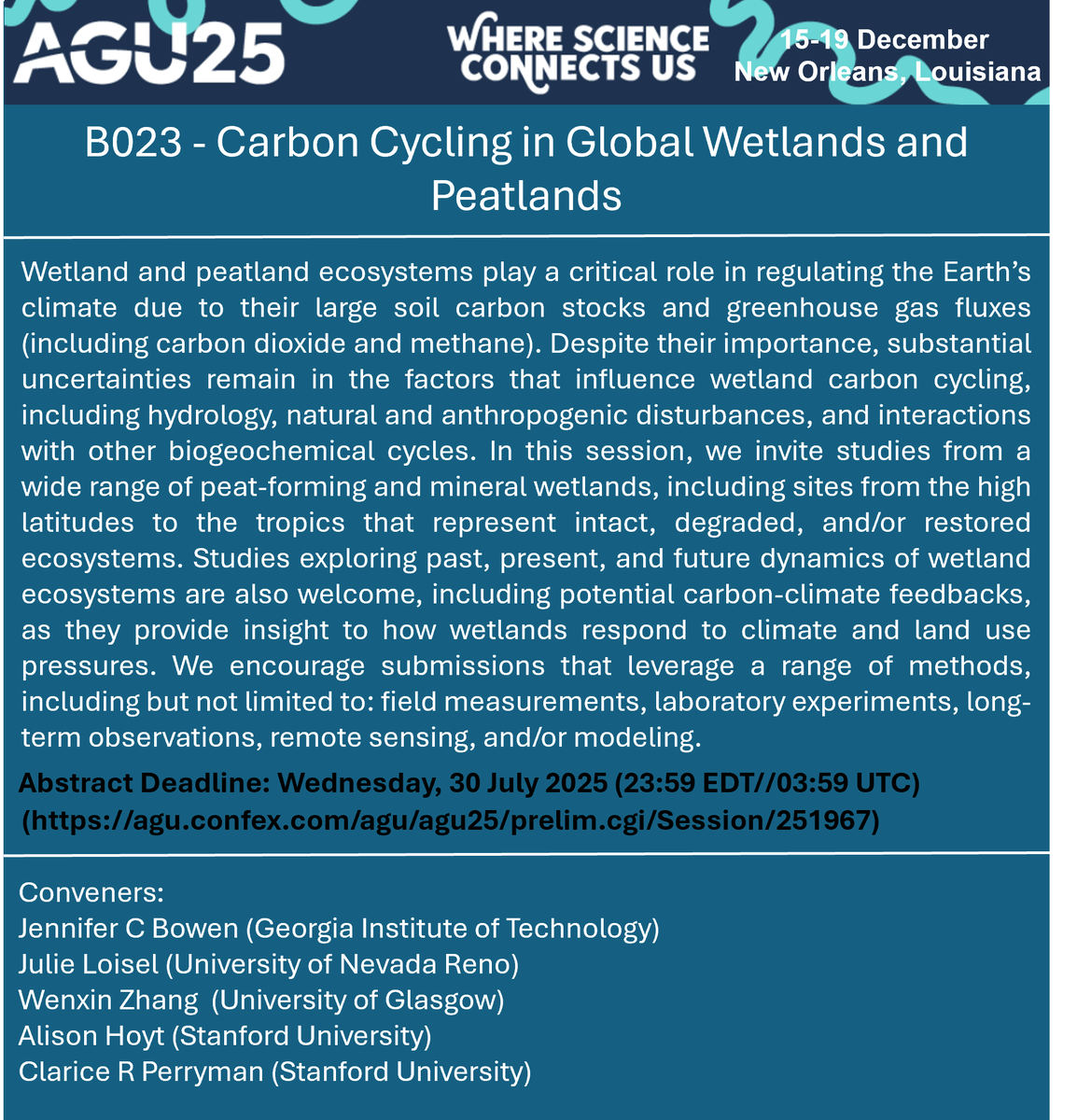
Our AGU25 session ‘B023 - Carbon Cycling in Global Wetlands and Peatlands' is calling for abstract! Please consider joining us or share it with anyone who may be interested.
Abstract Deadline: Wednesday, 30 July 2025 (23:59 EDT//03:59 UTC)
Session link: https://t.co/uGnpGGvdAY
Our AGU25 session ‘B023 - Carbon Cycling in Global Wetlands and Peatlands' is calling for abstract! Please consider joining us or share it with anyone who may be interested.
Abstract Deadline: Wednesday, 30 July 2025 (23:59 EDT//03:59 UTC)
Session link: https://t.co/uGnpGGvdAY
3/3
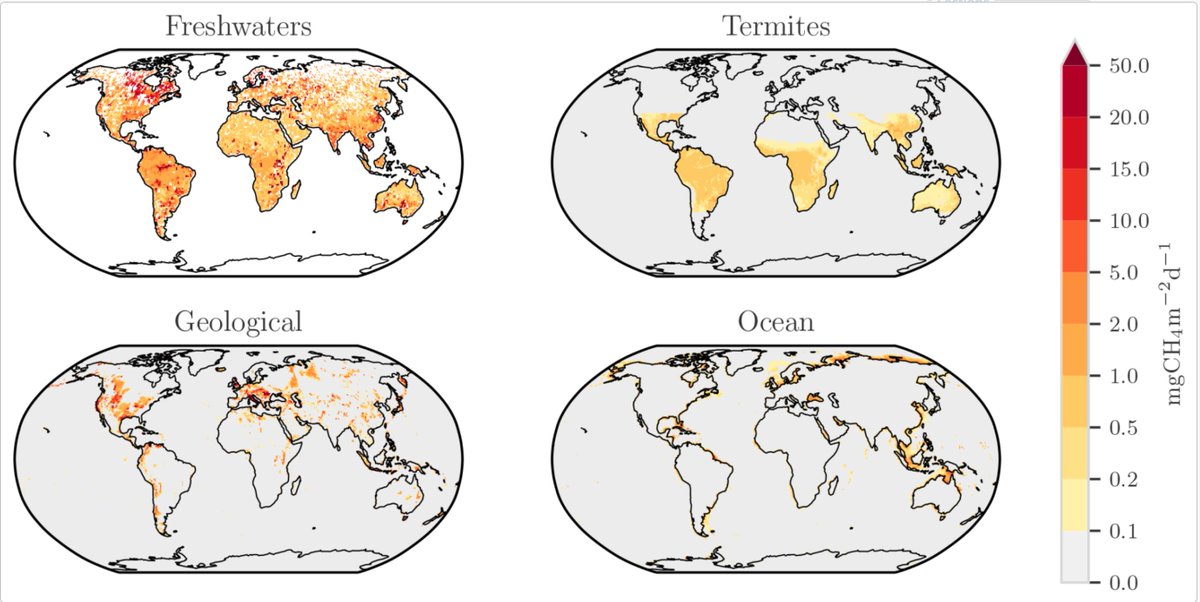
Thanks to the many contributors for making this effort possible under the umbrella of the Global Carbon Project, and importantly, many thanks to Marielle Saunois for her leadership and synthesis effort.
https://t.co/EKncDo4mFv
We investigate future seasonal changes in near-surface wind speeds in the Arctic using a regional Earth system model (RCA-GUESS). If you want to know more details, please read our article. https://t.co/L11yWvz9jm
Two papers of my PhD students have just been published. (1) Plant Phenology Index-derived GPP for Northern Ecosystems https://t.co/dA6SyVO9dv (2) Predicting CO2 and CH4 fluxes and their seasonal variations in a subarctic wetland https://t.co/HLn7UMdMVB
A new consortium announced today called ExaGEO will train Earth and environmental science PhDs to harness the power of exascale computing.
Read more about ExaGEO, led by @toddehlers2 of @UofGGES in partnership with @LancasterUni and @EPCCed, here: https://t.co/D9mYaFm2qc
A pleasure to welcome @renstrom_erik and @Stenelo from @lunduniversity to @UofGlasgow this week where we committed to deepening our partnership through an MoU that will see us explore collaborations across teaching, research & mobilities. We look forward to visiting Sweden next!
PhD students — How to 10x your PhD productivity?
𝟏. 𝐀𝐯𝐨𝐢𝐝 𝐬𝐨𝐜𝐢𝐚𝐥 𝐦𝐞𝐝𝐢𝐚 𝐢𝐧 𝐭𝐡𝐞 𝐟𝐢𝐫𝐬𝐭 𝐡𝐚𝐥𝐟 𝐨𝐟 𝐭𝐡𝐞 𝐝𝐚𝐲: Social media is not controllable. As we scroll, we see content irrespective of whether or not we really want to see it. Some of the content deeply impacts us such as a horrible incident or something bad happened to a loved one. If it happens, you might not be productive for the rest of the day. So, better avoid it in the first half.
𝟐. 𝐀𝐭 𝐥𝐞𝐚𝐬𝐭 𝟒 𝐡𝐨𝐮𝐫𝐬 𝐨𝐟 𝐝𝐚𝐢𝐥𝐲 𝐟𝐨𝐜𝐮𝐬: Our mind does not work to its maximum potential all the time. However, it does work in a focused way for 3-4 hours. Make sure to work with full focus for at least 4 hours a day. Get yourself disconnected from mobile phones, emails, etc, and work on the most challenging task. It shouldn't be 4 consecutive hours, though.
𝟑. 𝐋𝐞𝐚𝐯𝐞 𝐥𝐢𝐠𝐡𝐭 𝐭𝐚𝐬𝐤𝐬 𝐭𝐨 𝐭𝐡𝐞 𝐞𝐧𝐝 𝐨𝐟 𝐭𝐡𝐞 𝐝𝐚𝐲: Not all PhD tasks require equal focus. For example, replying to some emails, marking student submissions, and voluntary tasks for a conference do not require too much mental focus. Work on them at times when you are not too productive.
𝟒. 𝐉𝐮𝐬𝐭 𝐬𝐭𝐚𝐫𝐭: Procrastinating PhD tasks is quite common. Don't procrastinate. Follow the 5-second rule. If you don't jump towards the task in the first 5 sec, your brain starts pushing you away from it. Everything is difficult before you do it, just do it.
𝟓. 𝐓𝐫𝐲 𝐏𝐨𝐦𝐨𝐝𝐨𝐫𝐨: It helps especially during paper writing. Some students follow this technique and have shown good results. Set a timer to 25 mins and solely focus on writing during these 25 mins. Once the timer hits, take a 5 min break and come back again.
𝟔. 𝐓𝐚𝐤𝐞 𝐧𝐨𝐭𝐞𝐬: As a PhD student, you should be eager for ideas. These ideas you can take from many places - meetings, conferences, and your own thoughts. Don't let them fly away. You can easily take notes even on your mobile phone. Take notes and reflect on them later.
𝟕. 𝐃𝐨𝐧'𝐭 𝐥𝐞𝐚𝐯𝐞 𝐬𝐡𝐨𝐫𝐭𝐞𝐫 𝐭𝐚𝐬𝐤𝐬 𝐟𝐨𝐫 𝐭𝐨𝐦𝐨𝐫𝐫𝐨𝐰: Replying to an email, passing your paper through Grammarly, and sending a group meeting agenda are shorter tasks. These tasks take 5-10 min. However, when you are on the way back ending your day, you will feel like you have done several tasks - a feeling of accomplishment for the day.
𝟖. 𝐀𝐯𝐨𝐢𝐝 𝐭𝐨𝐱𝐢𝐜𝐢𝐭𝐲: Some activities, people, and content around you can be toxic. A 5-sec toxic engagement can ruin your day. It can demotivate you and keeps you unproductive for the whole day. Identify these and keep yourself away.
𝟗. 𝐃𝐨𝐧'𝐭 𝐰𝐨𝐫𝐫𝐲: Being worried is something not unusual for PhD students. However, being worried doesn't solve any problems but the right actions do. For the right actions, you first need to get yourself out of the worry bubble. Taking PhD worries out of your head will double your productivity.
Anything to be added?
I'll be sharing 20 practical tips for PhD productivity in my this week newsletter.
Please subscribe: https://t.co/5t7Z1AIuh9
Postdoc in Modelling of Forest Vulnerability to Climate Stress at Lund University
For more info and to apply:
https://t.co/7N21tE7ar4
Deadline 15th August
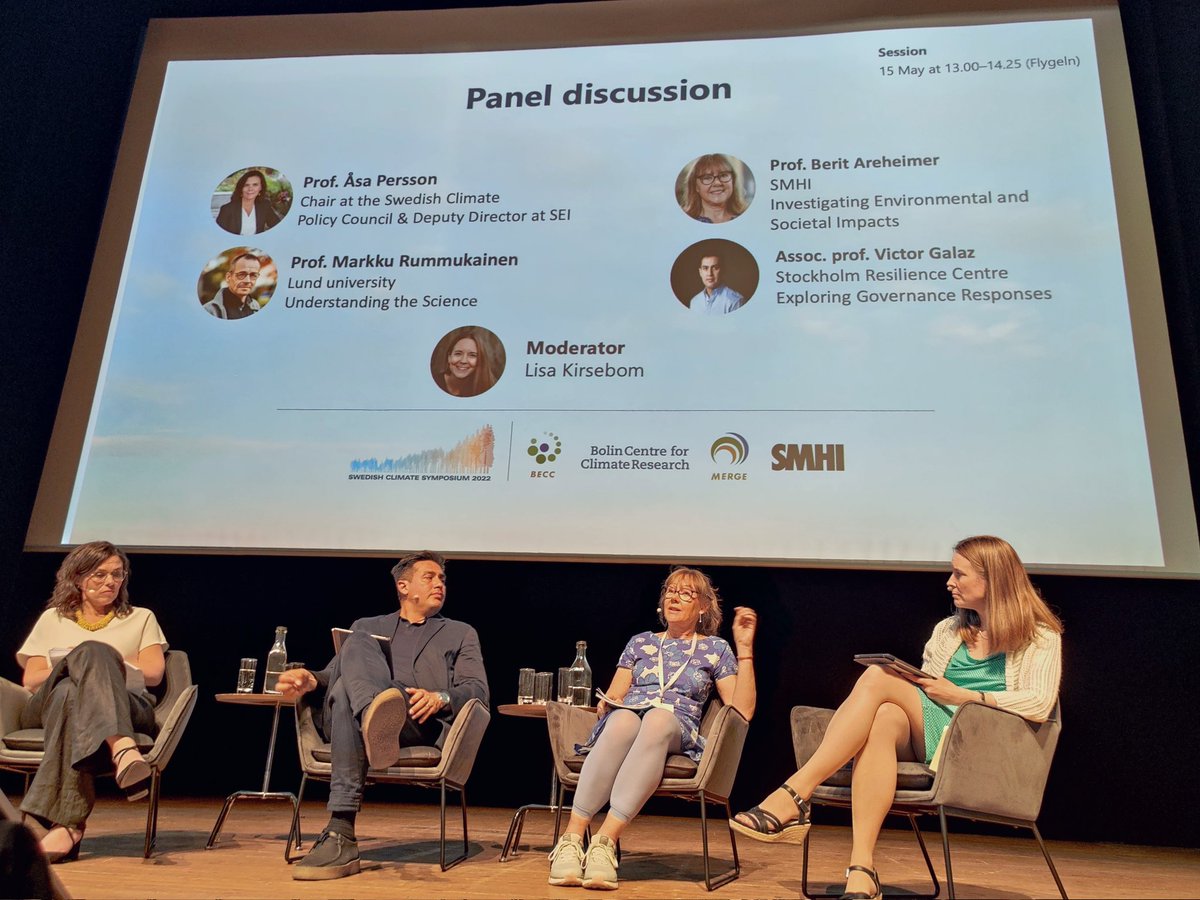
Today was the final day of the Swedish Climate Symposium. An important forum for researchers from different disciplines to meet🌱. Together, we create a basis for decision-makers and the public on climate issues🌍! Prof. Arheimer participated in the introductory panel discussion.
Here is a PhD position in LPJ-GUESS group based in Lund University, working on plant-soil interactions in arctic tundra, supervised by me and @millerinlund. Please forward https://t.co/EuHhdziMni to people who are interested in it.
Here comes a paper I co-supervised. Using a coupled model (AHC and SHAW) to simulate year-round agro-hydrological processes in a cold and arid area. https://t.co/hv2964HHIu
The deadline to submit abstracts for Swedish Climate Symposium has been extended until the 25th of January. Don't miss out on the opportunity! We look forward to you contribution. https://t.co/jbXmKx0d5H
I want to draw your attention to "Observations, modelling, statistics and impacts of extremes in a changing climate – Session 4A" in the Swedish Climate Symposium 2024. We look forward to hearing about your studies. The deadline is January 25th.