The $SPCX Trap:
4% float, 96% locked up.
Lock-up expiry follows the Q2 earnings report: 20% released initially, followed by incremental releases every two weeks, resulting in a tenfold increase in the circulating supply by September.
A replay of the Facebook scenario (2012), where the stock dropped from $38 to $18.
When faced with a flood of supply, the narrative loses its value.
Year-end target price: $80–$100.
Follow me and send a private message for exclusive, first-hand information.
Why is it so important to build a full-scale core?
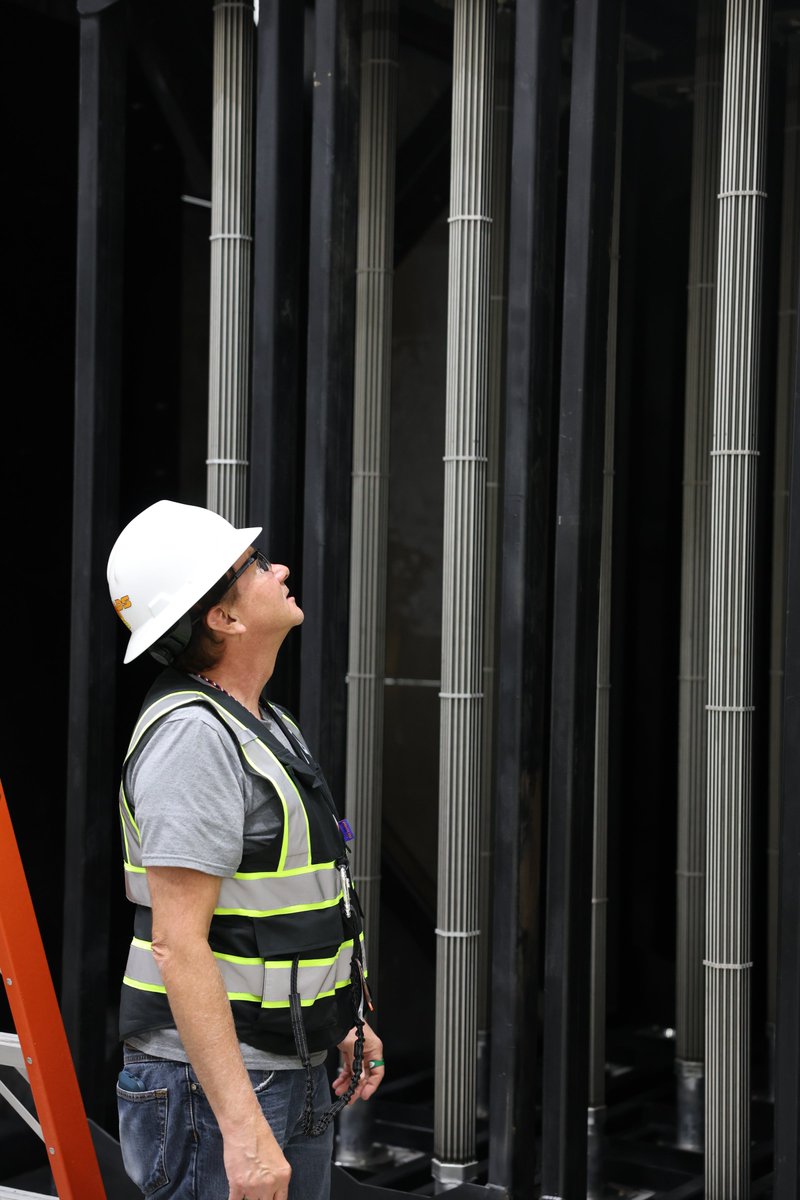
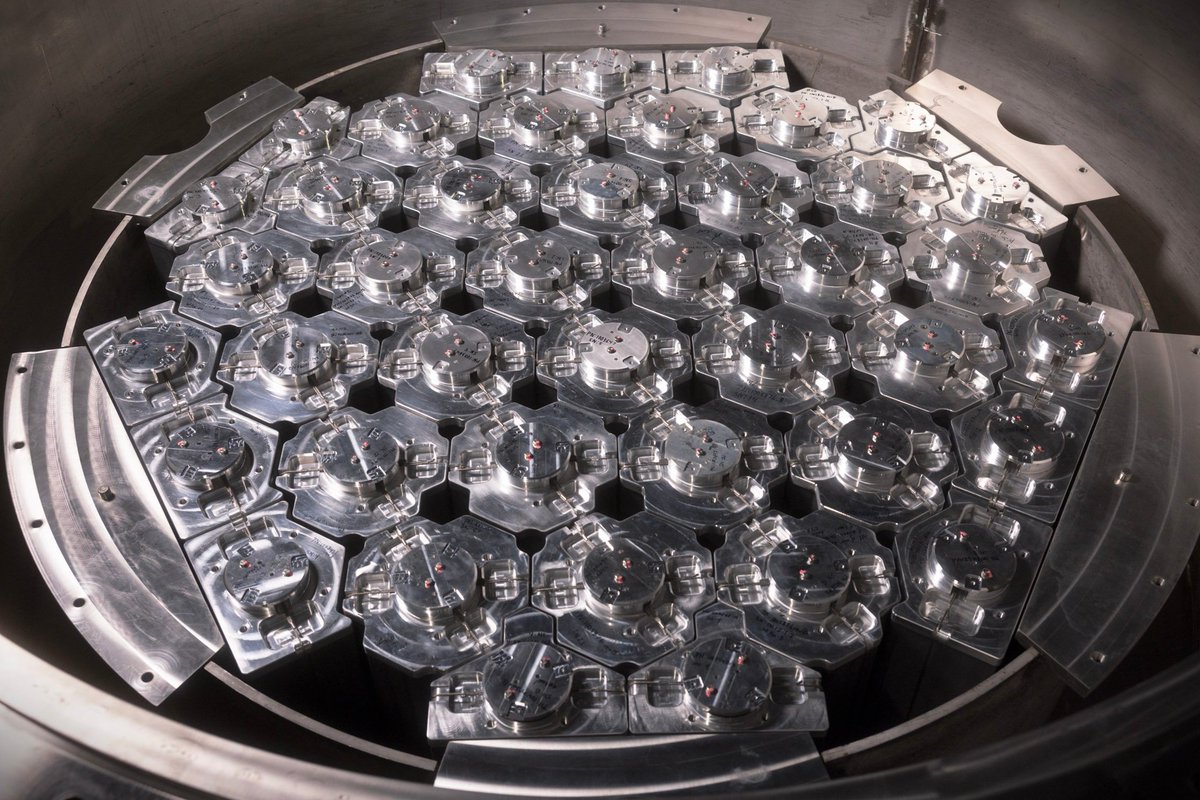
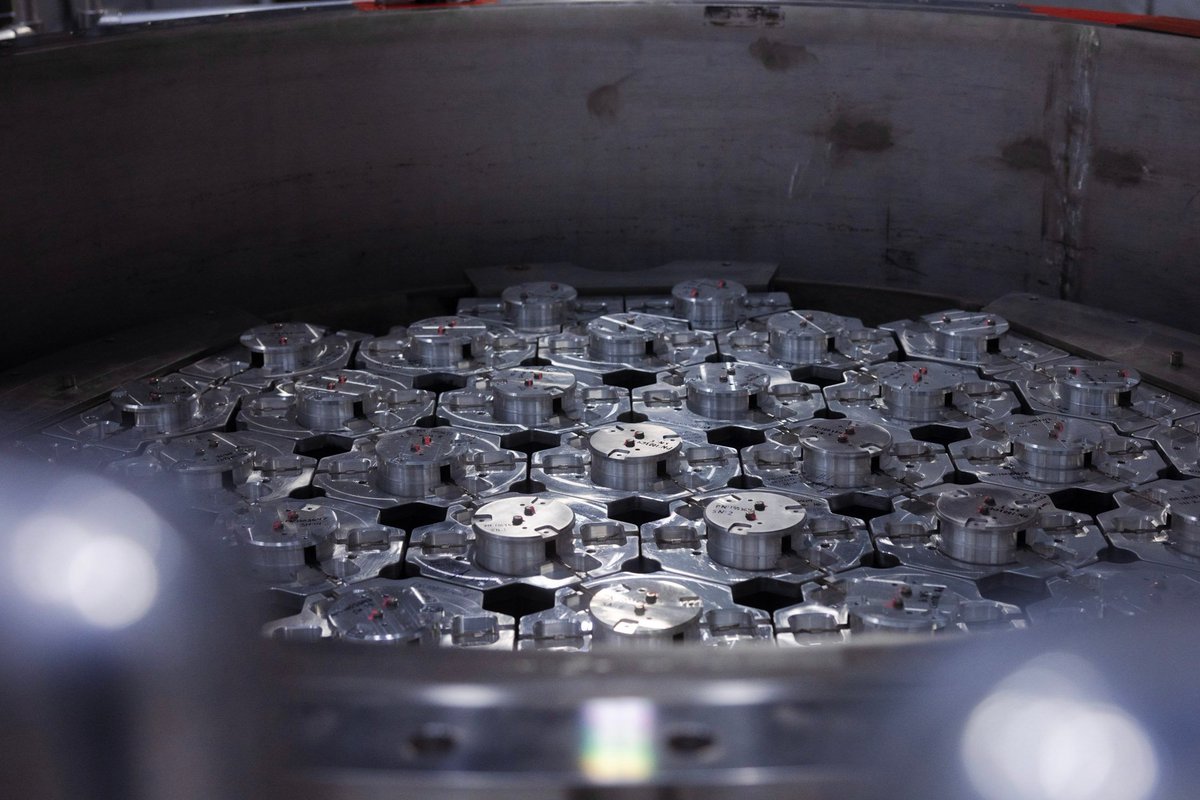
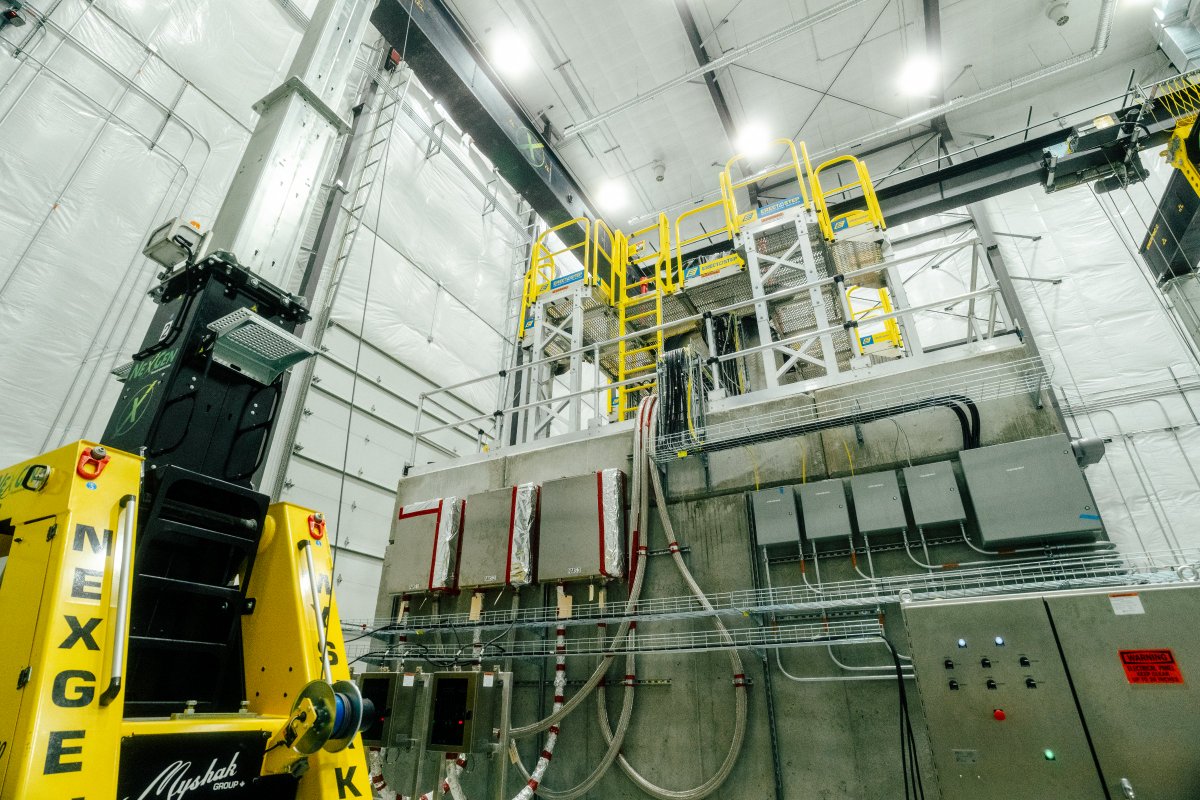
Aalo uniquely built a full-scale core for our Critical Test Reactor: same core geometry, fuel load, materials, and design as Aalo-X, our 10 MWe power plant targeting power operations in 2027.
We did this under two guiding principles:
- Physics validation: neutronics data validates models directly without scaling corrections or assumptions.
- De-risking downstream construction and hardware: all measurements and testing of hardware systems feed straight into Aalo-X.
- These combine to make a full-scale core build the shortest path to commercial deployment, despite higher upfront cost and effort.
Full-scale zero-power criticality → full-scale, full-power plant → commercial 50 MWe Pod delivered to a customer → scaled Pod deliveries.
This is in line with the guiding Aalo principle of design for manufacturing and rapid commercial deployment.
Costco doesn't have prices. It has a code. And almost nobody shopping there today can read it.
You walk past a stack of the same protein bars every week at $16.99. Then one week it's $12.97 and you have no idea if that's a real deal or just a coincidence. You buy it anyway, hoping. Meanwhile the guy next to you is grabbing five packs like he knows something you don't.
He does.
A longtime warehouse employee explained exactly how Costco's tag system works — the tiny numbers and symbols printed on every single price sign that tell you, in advance, whether something is full price, about to go on clearance, or about to disappear from the store forever.
Their take: "Costco never announces a sale. It just changes two digits on a tag. If you don't know what they mean, you're paying full price standing right next to someone paying half."
Here's how to actually read a Costco tag 🧵
Offshore oil isn't 1 industry.
It's 6, each getting more expensive and more strategic as the water gets deeper.
1️⃣ Fixed platforms: shallow water, lowest cost, fastest payback
2️⃣ Compliant towers: deeper water, more flexible structures
3️⃣ Tension-leg platforms: beyond 300m, capital-heavy but stable
4️⃣ Spar platforms: ultra-deep water, long-life assets
5️⃣ Semi-submersibles: mobile, built for harsh environments
6️⃣ FPSOs: floating production, storage and export, all in 1 hull
Shallow water pays back fast.
Deepwater is a long cycle with fewer players who can even compete.
Offshore oil didn't disappear.
It just went deeper.
Robotics is quietly becoming one of the most important technology shifts of the next decade.
The companies on this chart span the entire ecosystem:
Automation leaders like $ROK, $ZBRA, and $CGNX
AI and chip infrastructure like $NVDA and $QCOM
Logistics automation from $AMZN and $SYM
Surgical robotics from $ISRG and $SYK
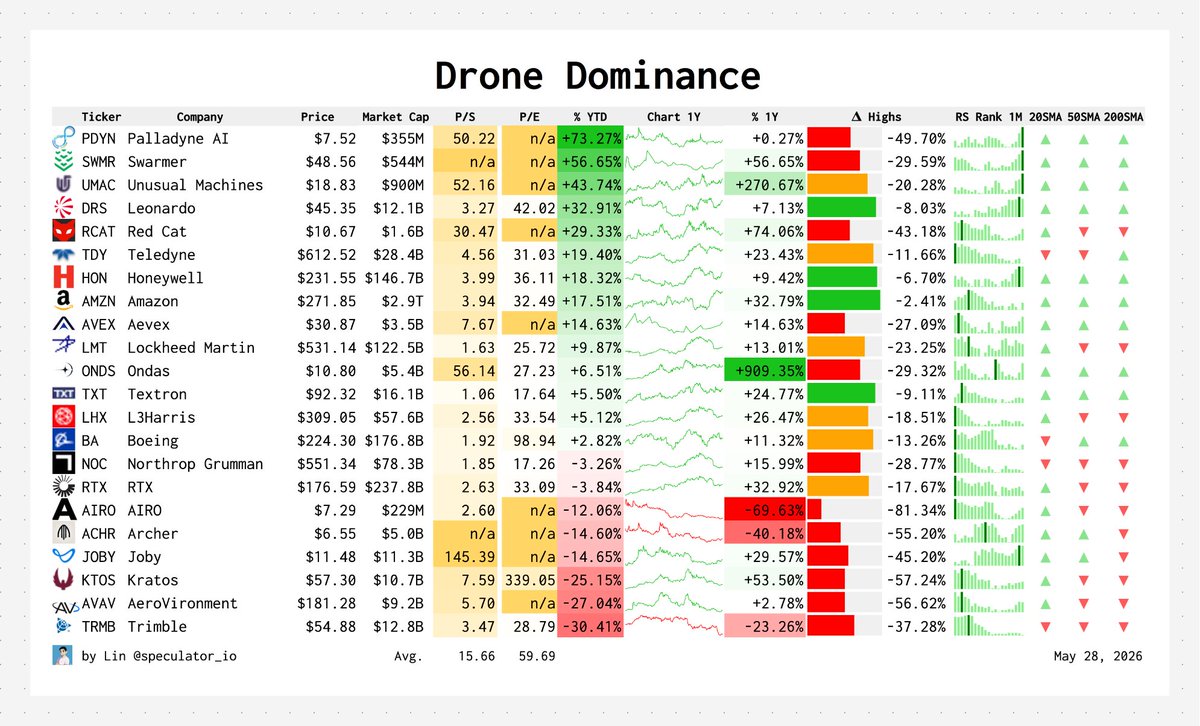
Defense robotics from $AVAV, $KTOS, and $LMT.
It's not one industry, it's an entire stack.
Best case scenario:
Robotics drives a productivity boom. Factories become more efficient, warehouses run faster, surgeries become more precise, and dangerous jobs move from humans to machines. Companies that build the hardware, software, and infrastructure behind it could see massive demand for years.
Worst case scenario:
The transition gets messy. Rapid automation displaces large parts of the workforce, geopolitical tensions push robotics toward military applications, and supply chains become even more dependent on a small group of technology providers.
Either way, robotics is moving from science fiction to economic reality. The only real question now is how fast the world adopts it.
Following our zero-power criticality, here is the upcoming technical roadmap for Aalo:
- Testing and operator training at the Critical Test Reactor.
- Manufacturing and construction at Aalo-X, our 10 MWe full-scale power plant and second reactor.
- Construction and component testing at Aalo-0, full-scale sodium loop.
- Expansion of manufacturing space by an order of magnitude, with assembly-line design.
Net, our approach is to take the shortest path to scaled, commercial reactor deployment:
1) Full-scale zero-power criticality
2) Full-power (10 MWe) power plant (next).
3) Deployment of commercial Pod (50 MWe) to a customer.
We look forward to an exciting post-criticality roadmap to advance the commercial progress of modular nuclear power in the U.S.
where it stands mid-2026:
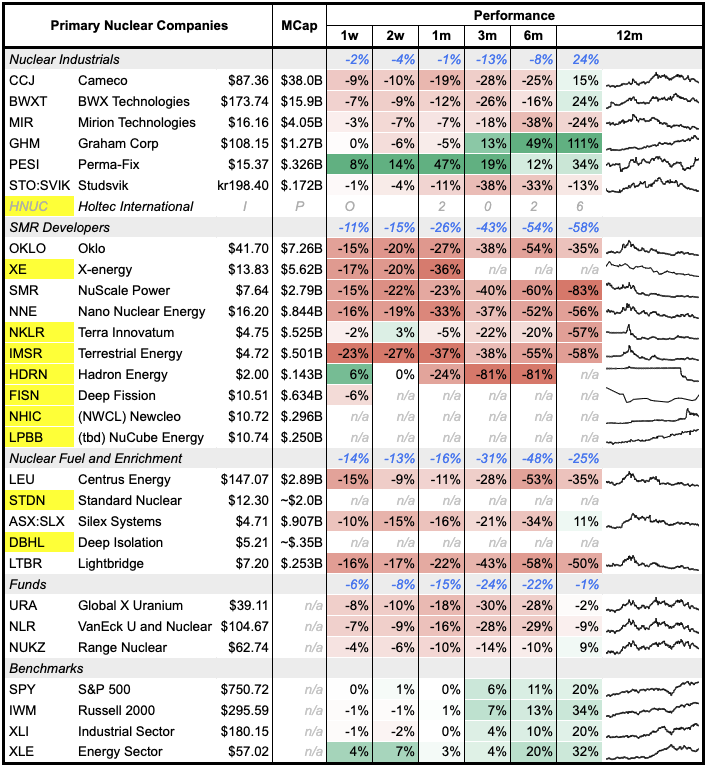
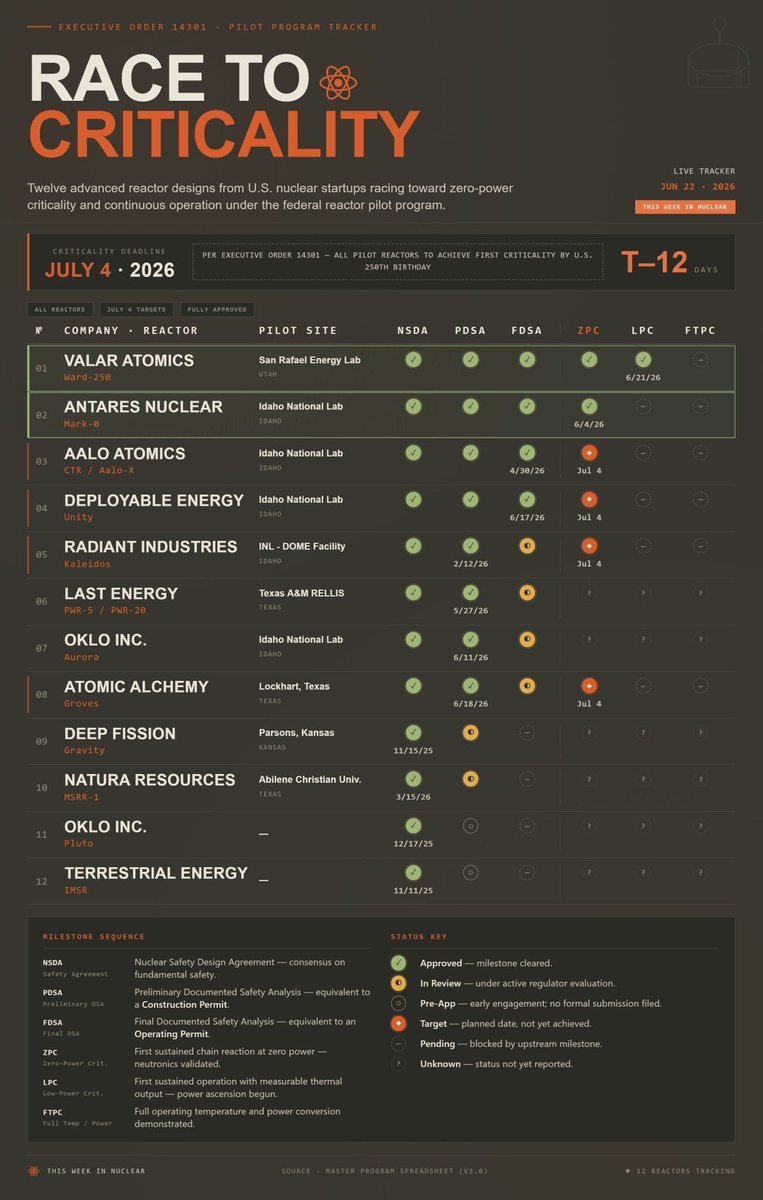
- Antares hit criticality at Idaho National Lab in June, first of the DOE's "3 by July 4" pilot program.
- Aalo built a 10MW test reactor in 40 days.
- TVA and Holtec each got $400M federal backing for BWRX-300 and SMR-300 builds. progress is real.
but "criticality" ≠ "economical" — the cost curve problem is still unsolved.
Hayek argues that socialism is built on the false premise that a single central authority can somehow gather and utilize all the existing knowledge in a society.
Blue Energy raised $380 million to build a 1.5 GW nuclear power plant in Texas using shipyard prefabrication instead of field construction. Target: 48 months from start to operation. Construction begins Q3 2026.
For reference, Vogtle Units 3 and 4 in Georgia took 14 years and over $30 billion for 2.2 GW. That is roughly $13 billion per gigawatt and more than a decade of construction on site.
Blue Energy is not designing a new reactor; it is borrowing the construction method that Venture Global used to cut LNG terminal build times in half, moving heavy fabrication to a controlled industrial environment and assembling modules on site.
https://t.co/1MZ4lY8Iqh
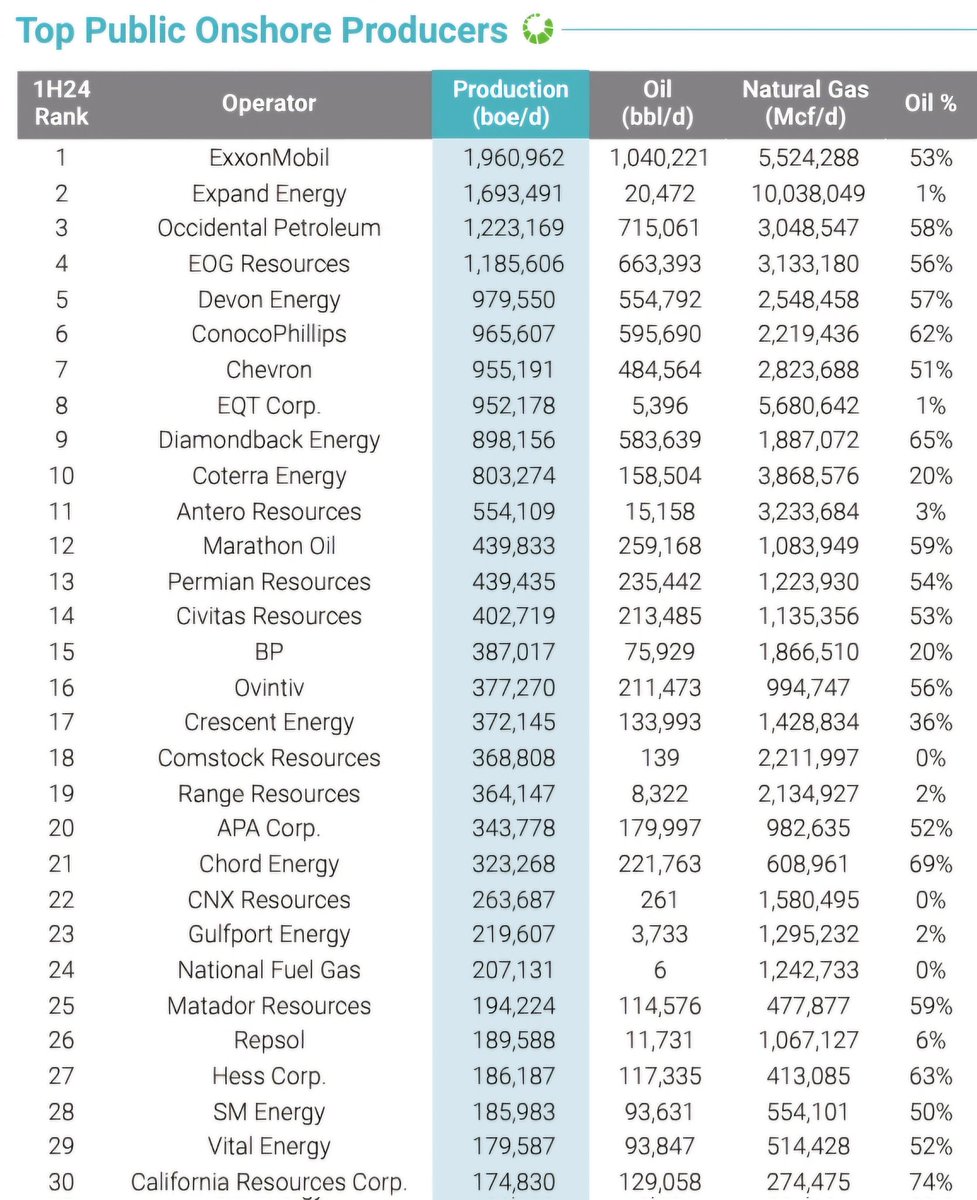
There are only 16 public E&P's left in 🇺🇸 with 100K+ bbls/d of oil production, with $MRO now part of $COP and $HES closing soon.
Incredible transparency of current production, along with future guidance, allows OPEC+ to see a widening supply/demand gap and act accordingly. 🛢💰
@ShareScope#AAL*🆙+2%✅£32.16✅
Attempting to break out of its 3 yrs trading range! As their merger with $Teck ’s heads for EU antitrust approval👍
$RIO* + $GLEN commence their journey towards their own mega merger!
🚨Urgency to secure increased copper production glows red hot!!
*I own👍
Rio Tinto + Glencore Mega-Merger?
A $260B+ monster that would create the world’s largest mining company
Combined Power (projected):
Iron Ore: 390–400 Mt/year → dominates global supply, huge pricing power over China's steel industry (rivals #BHP)
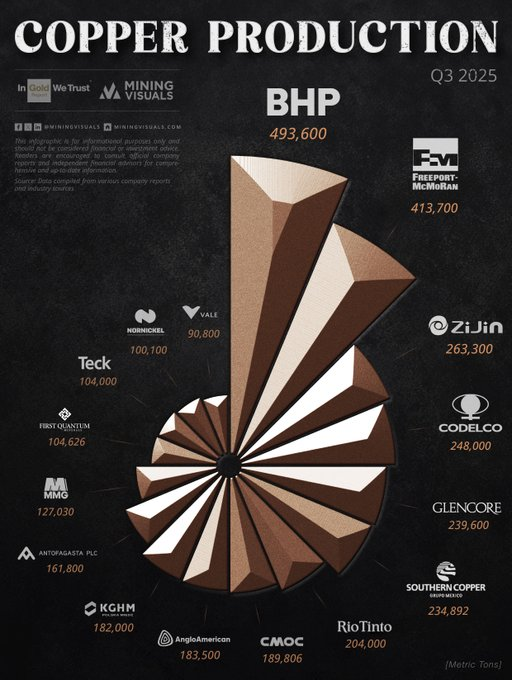
Copper: 1.2–1.3 Mt/year (Rio) + 1.5 Mt/year (Glencore) → world's top #copper producer, massive leverage in EVs & renewables
Aluminum: Full integrated chain (bauxite → alumina → aluminum) — strong pricing influence
Other metals: 110+ kt/y nickel, 1M+ kt/y zinc, 300+ kt/y lead
#coal : 100–110 Mt/year (metallurgical only)
Trading: Glencore's global network + Rio's assets = unmatched physical commodity trading powerhouse
Market Impact
China steel & energy transition: Massive pricing power
ESG/regulatory risk: Coal + environmental scrutiny could force asset sales or delays
Employees: 210,000+ globally
Operations: 35+ countries
This would be the biggest mining deal ever a true commodity superpower. Would regulators allow it?
Or will it get blocked like past attempts?
#Mining #Copper #IronOre #Glencore #RioTinto #Commodities