I wanted to understand how @SpaceX’s AI satellites will work, so I ran a little test: the anatomy skill from @wheresryan22 vs. Claude Code with the same guidance but no skill.
Video 1: Claude Code, no skill
Video 2: with the anatomy skill
The level of details from 2) its way better
@SpaceX@wheresryan22 I deployed it @vercel so you can play with it yourself: https://t.co/tgelV5R3Uz
Change the parameters and see how each formation changes.
@SpaceX@wheresryan22 i.e: say demand spikes and you want to maximize compute. Which formation wins?
A disc tilted 44° toward the Sun beats a flat in-plane disc of nested ellipses.
@teej_m@lennysan I completely agree. I actually severed a tendon in my finger while using a knife and immediately bought this. Definitely a hard lesson learned.
TL;DR: @claudeai was great at logic, coding and even shipping it on Vercel.
But it’s still naive about physics, design and creativity: the subtle details that make a game captivating. I think that novel ideas, style and taste in the polish are where humans still add a ton of value.
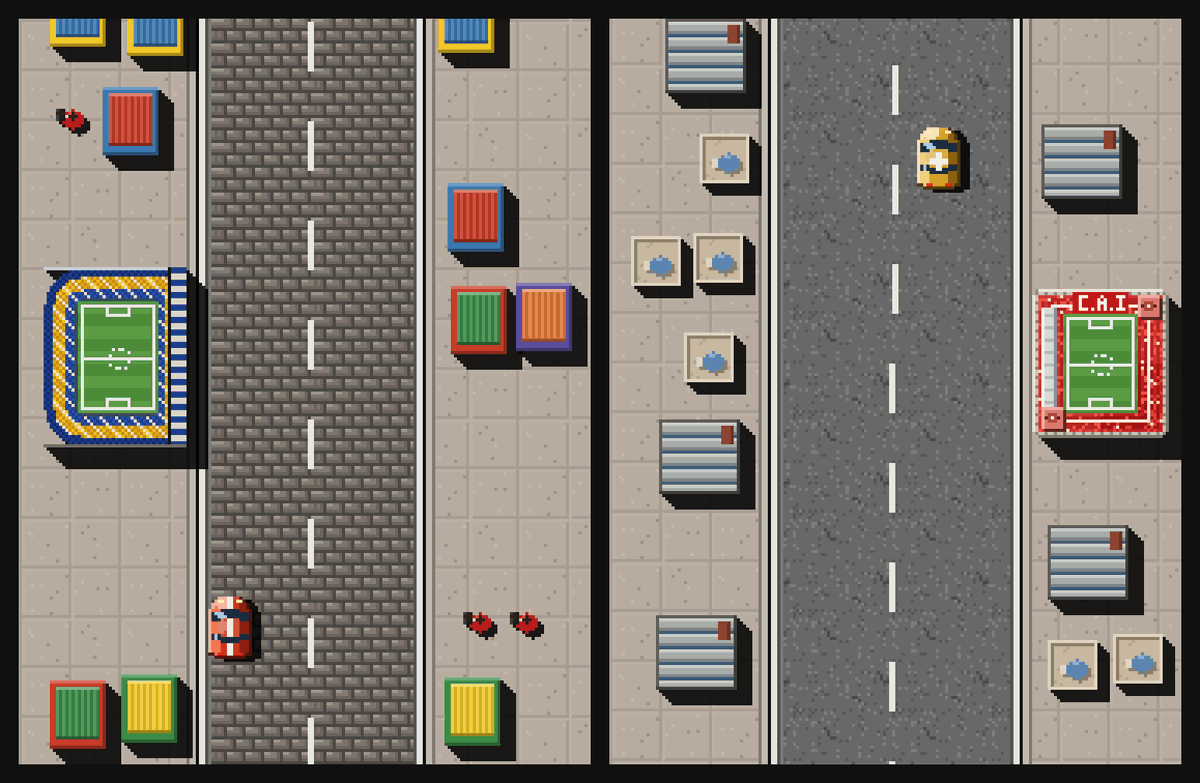
I made a retro racing game 🏁
Pixel Grand Tour: a road trip through 10 countries, from Monaco to Buenos Aires.
Free, no download, made for your phone, give it a try !
https://t.co/VdyfuTwKvD
I wanted to design a video game with @claudeai , since I hadn’t had the chance to try it with the latest model improvements. I got to a point where I’m quite satisfied with the result.🧵
@claudeai To be fair, it did have some novel sparks: suggestions that were easy to implement by design, like adding fog to the road.
Which is a promising sign of improvements of new models