Social inequities is the fourth determinant of disability poverty. Inequalities in housing, healthcare, transportation, and employment intersect with disability poverty.
As part of our advocacy work against disability poverty, we elevate lived experience
/1
Women peacekeepers:
☑️ Help reduce conflict
☑️ Serve as role models
☑️ Provide greater sense of security
Women’s full participation in peacekeeping is essential for achieving peace.
🕊️ https://t.co/aC6HrW7BCg
#WomenPeaceSecurity@UNPeaceKeeping
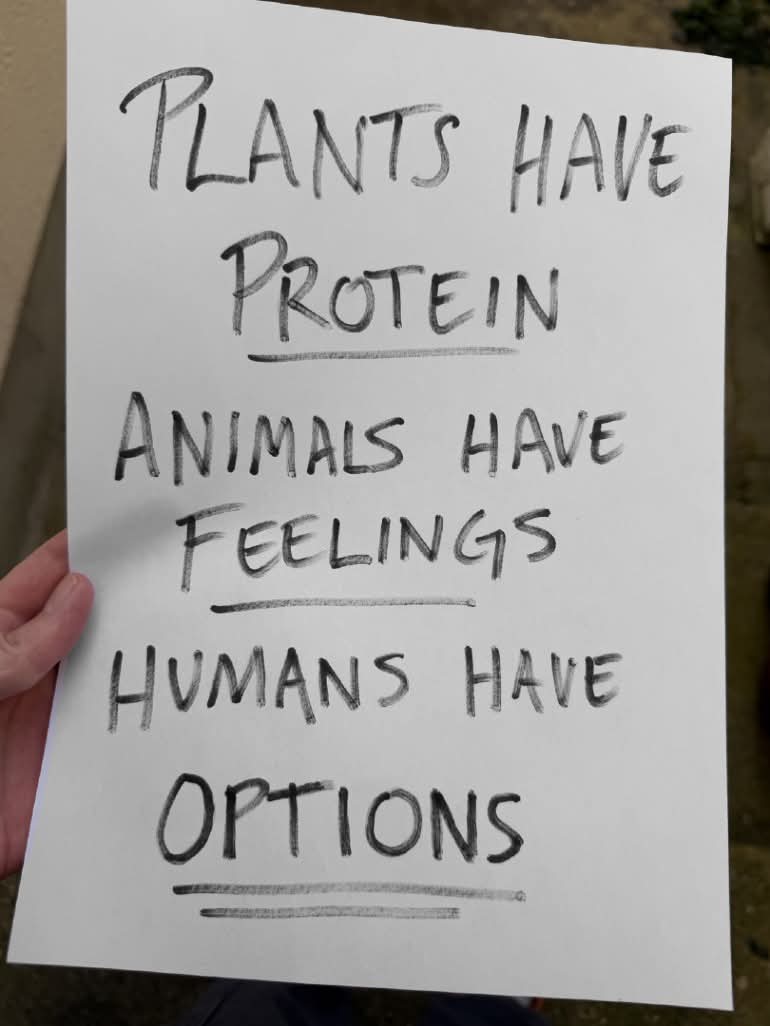
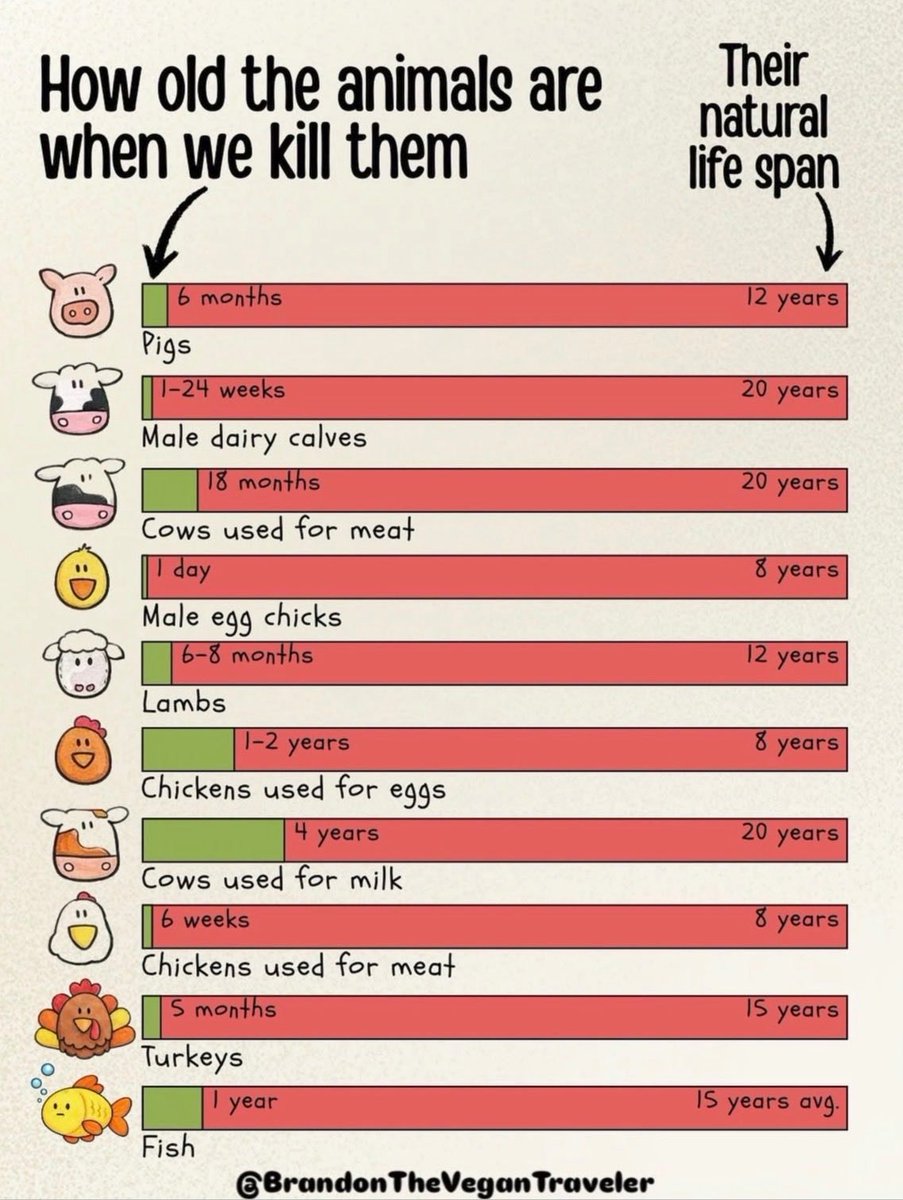
Animals are complex thinking, feeling beings just like us. Science has already recognized animal sentience—it’s time our laws did too.
https://t.co/eni4BB808P
This week Prime Minister Carney, elected officials and Inclusion Canada were asked for their thoughts on Medical Assistance in Dying (MAiD) and the forthcoming report from the Special Joint Parliamentary Committee studying the issue.
Inclusion Canada strongly opposes any expansion of MAiD to individuals for whose sole condition is a mental illness. We also are calling on the federal government to repeal the previous expansion (Track 2) because it discriminates against persons with disabilities.
We encourage you to read this story by CTV
https://t.co/7s4FsdoVIL
Put simply:
Track 2 MAiD uniquely allows people with disabilities to access assisted death even when they are not at end of life. This current law singles out persons with disabilities.
Persons with disabilities deserve the same response other Canadians receive when they are suffering: investment in economic and social supports, safe and accessible housing and mental health services, not a faster path to death.
Contact your local Member of Parliament and regional Senator and ask them to invest in making lives better, not ending them.
#cdnpoli #MAID #assistedsuicide #AidNotMAID
Every day, mothers do the impossible: balancing childcare, work and other responsibilities.
💐 As many families mark Sunday’s #MothersDay, join us in celebrating the strength, courage and resilience of mothers everywhere.
❌Feminicide
❌Sexual harassment
❌Rape
❌Child marriage
❌Female Genital Mutilation
❌Honor killing
❌Human Trafficking
❌Cyberbullying
❌Sexual violence
How many more reasons do you need for why we must stand up for women’s rights❓
#ENDviolence against women & girls. NOW❗️
Don’t share hate! Each click carries the potential to ignite change, so let's share responsibly and harness the true power of our interconnectedness.
#PledgeToPause ⏸️ #NoToHate
MAiD for mental illness should never have been on the table.
Ontario MDRC cases confirm that poverty, isolation, and untreated mental illness in persons with disabilities have been treated as meeting MAiD eligibility criteria, alongside concerns about capacity and voluntariness, resulting in their deaths through MAiD.
You can see my 5 min remarks 👇
Racism, intolerance & discrimination tear at the fabric of all societies.
But we can all take action by spreading compassion, tolerance & acceptance to help #FightRacism. https://t.co/cCd3JjLZit
Young people across the world are facing an increase in cyberbullying, affecting their learning, health & right to education.
Let’s collaborate to create a safer digital environment for them.
#SafeOnline#EndCyberbullying
A story by @tessiesanci of @TheHillTimes.
Inclusion Canada supports Bill S-228. It would clarify that forced and coerced sterilization is aggravated assault. We want to see it receive royal assent.
Under Alberta and British Columbia’s eugenic sexual sterilization laws, which were repealed in the 1970s, at least 3000 people were sterilized. Some, now seniors, are following Bill S-228, including a member of our Board of Directors who was sterilized at an institution for people with an intellectual disability.
As written, Bill S-228 would protect people with an intellectual disability of all sexes. This is vitally important, because people with an intellectual disability continue to be sterilized today. Ideally, we’d like to see the bill amended to explicitly mention disability, ableism, and male anatomy outright.
These amendments wouldn’t change the substance of the bill, but they would make a big difference to people who have been sterilized because of their disability. Bill S-228 offers an opportunity at recognition and closure, and we want as many people as possible to benefit from this opportunity. It was wonderful to hear disability discussed at second reading, for this reason.
Bill S-228 exists because of the strong advocacy of Indigenous women and we are grateful for their leadership. Indigenous women were disproportionately likely to be sterilized under sexual sterilization laws.
On this #WorldHealthDay, we celebrate the power of science to protect the health of people and our planet. The choices we make – what we research, fund, and prioritize – must be guided by the dignity and equality of all people.
Requiring family involvement in MAID is framed as protective.
But it assumes family involvement is always supportive.
Not all patients want – or feel safe – having family involved.
And not all families want to be placed in that role.
No other area of medical care requires family presence as a condition of decision-making.
Family involvement should be available.
But requiring it changes who controls the decision.
Online violence doesn't leave physical bruises, but it does cause mental scars.
It’s a continuation of offline abuse; amplified by anonymity and reach.
Millions of women, girls, and adolescents face harassment, stalking, and threats in digital spaces meant for connection.
Let’s change that
🔒 Block and report abuse
🗣️ Speak up and support survivors
🫶 Post with empathy and respect
Violence has no place: online or offline.
Open the door to online safety.
Physical violence isn’t the only kind of abuse that leaves a mark on the body. Coercive control and emotional abuse can wound the body just as deeply, disrupting the nervous system, and leaving behind chronic tension, exhaustion, and illness.
https://t.co/6Vb8OWWfJ7