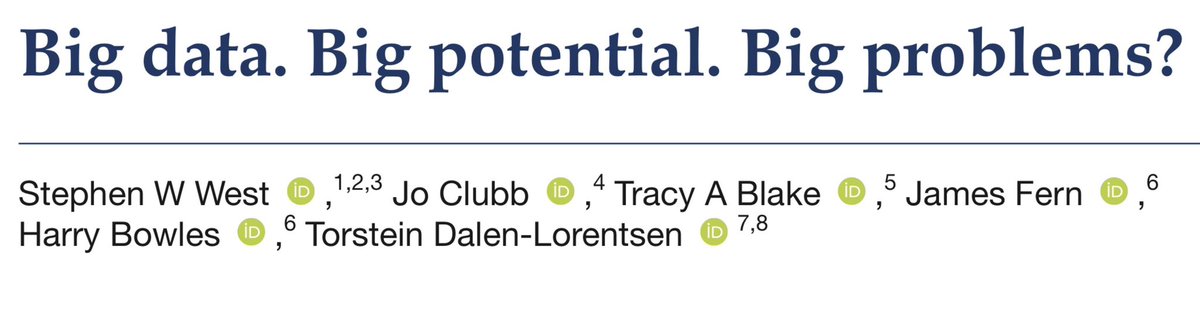
Irrespective of athlete consent, is this a step 2 far for protection of athlete personal data?
"In a world where clicking on ‘I agree’ has become automatic, many of us have become desensitised to the evolving risks associated with the access we authorise"
https://t.co/Nm1VQrVQLI
Join Us in Lofoten for a Once-in-a-Lifetime Experience – May 13th-15th, 2025. We are thrilled to invite you to Lofoten, Norway for the Oslo Sports Trauma Research Center Congress: 25 Years of Protecting Athlete Health: Forward Together!
All info here: https://t.co/gW10GifVEf
RT
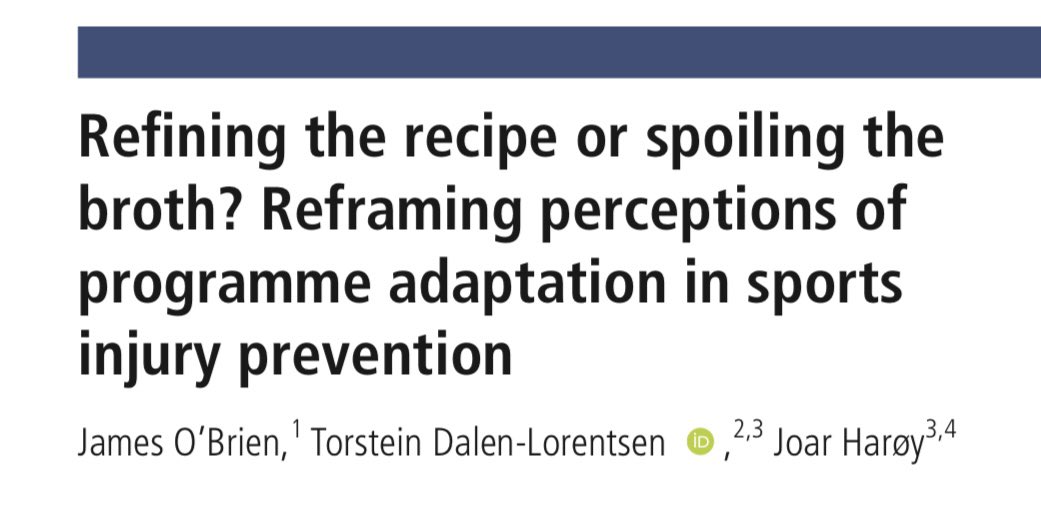
Rethinking adherence in sports medicine🧐 For too long, the narrative has been that the researchers have all the answers, but the practitioners don’t bother to use them. Is that really the case? In this editorial, we argue that it’s not. With the dream team @DrJamesOB & @JHaroey
– Det mest urovekkende er at de aller beste ligger an til å spille ekstremt mange kamper i løpet av karrieren. Til slutt vil det bli en utsiling. Enten tåler du kjøret og overlever, eller så klarer man det ikke, sier @torsteindalen https://t.co/PMZYbrV3F9
A reflection of growing concerns on data protection in elite sport @davecarolan ? Perhaps a sign of things to come?
A more conservative approach to sharing- our editorial may be of interest ⬇️
https://t.co/16Bd2ZGPt2
@JoClubbSportSci @tracyablake @torsteindalen@JamesFern83
@physioscout 2/2 Those who compete in all competitions for club and country (like Rodri) and are facing 80+ matches in the coming years.
https://t.co/t3g6G91bzo
@physioscout 1/2 Great thread! I agree, but one important distinction here is that the UEFA studies use data from different many different contexts. Most of these teams and players have a not-super-congested schedule. What we need is to investigate the cohort of top-elite players
What does the expansion of the UEFA club competitions and FIFA Club World Cup mean for player workloads?
🔍 Phil Foden
🔍 Federico Valverde
🔍 Nicolo Barella
#AtTheLimit
New paper out with the dream team @DrJamesOB and @JHaroey. We know teams are modifying most evidence-based prevention strategies, but few (no?) studies have taken that into account when measuring adherence. Time for a new narrative.
🗣 84% of football teams use the Copenhagen Adduction Exercise, but 65% tweak it to fit their needs. Discover why and how in our latest research!
✍️ @torsteindalen et al
🔗 https://t.co/u14h3Ezuop
#WeAreBOSEM#UnderTheSpotlight
@shlomigerbi Finner en del referanser her https://t.co/3uT4mSbTMG
Veldig kort oppsummert er det for komplisert til å lage enkle referansetall man bør følge🫠
Fortjener fotballspillere personvern? Det er dessverre langt unna praksis i dagens fotball.
Det samles inn ekstreme mengder data om spillerne. Men hvem eier dataene? Og hva skjer når disse dataene brukes mot spillerne?
Les vår kronikk i DN https://t.co/Bjn3od6ibp
@shlomigerbi Hei, jepp, det er den vanligste måte å estimere generell belastning. Det største spørsmålet er hvordan man analyserer dataene og hvordan man bruker det i treningsarbeidet.
@Frank_Rizzo_ Jo, men det er ikke enten/eller. Vi må nok gjøre begge deler. Hovedoppgaven til medinsk personell er vel å beskytte spillernes helse, men spillerne har lovfestet rett til personvern så vi må sammen med klubbene gjøre en innsats her og
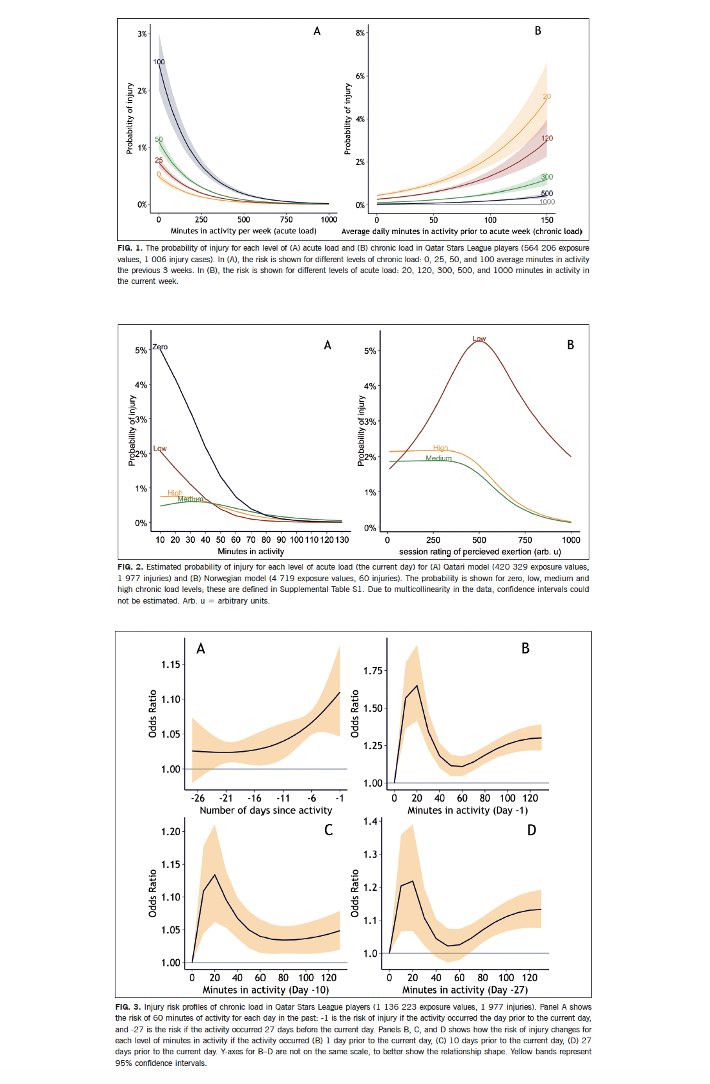
🆕"This study proposes that modelling acute & chronic loads separately in regression models is a more appropriate statistical approach to analyze the associations between relative training load & injury risk in ⚽️"
👉@lena_kbm et al, 2024 🇳🇴
📂Open Access: https://t.co/LGxUoOlZzx