👀 Not following us yet? Here’s what you’re missing…
Our social channels are where you’ll find the stuff worth stopping your scroll for.
🎓 Keep up with expert-led medical education
🔬 Explore the latest clinical insights and developments
🎥 Hear directly from leading healthcare professionals
🌍 Connect with perspectives from across the global medical community
📚 Discover educational content designed to support your ongoing learning
🔔 Be among the first to see our latest videos, articles and expert discussions
And that’s just the beginning.
We’re building a community we want you to be part of; so don’t just scroll past…
👉 Hit follow and come join us.
Already following? Tag someone who should be too! 👇
#MedicalEducation #MedEd #HealthcareProfessionals #MedicalLearning #ClinicalEducation #Healthcare
🧬 AIDS 2026 highlights: key advances in HIV prevention, treatment and long-term care
From twice-yearly PrEP and once-weekly oral treatment to progress in HIV remission research and new approaches to paediatric care, AIDS 2026 highlighted a rapidly evolving HIV landscape.
Our latest review explores the key data and developments from the congress, including emerging prevention strategies, long-term health and comorbidities, and the importance of ensuring scientific advances translate into accessible care.
🔗 Read the full review: https://t.co/WBNayzfdMZ
#AIDS2026 #HIV #HIVPrevention #HIVTreatment #InfectiousDiseases
🦠 What were the key infectious disease research highlights from @IDWeekmtg 2026?
Our latest congress round-up explores emerging developments across antifungal treatment, HIV care, antimicrobial resistance, vaccination, and infection prevention.
Highlights include new phase 3 data on oral antifungal treatment and once-weekly HIV therapy, advances in managing difficult-to-treat mycobacterial infections, and emerging evidence on antiviral resistance and vaccine development.
The article also examines the potential of phage therapy against antibiotic-resistant bacteria and new approaches to reducing treatment burden in infectious diseases.
🔗 Read the full round-up: https://t.co/crHfwPWr8s
#IDWeek2026 #InfectiousDiseases #AntimicrobialResistance #HIV #Vaccines #AntifungalTherapy
🔬 Why does HIV persist despite effective therapy? And what can new technologies reveal about where – and how – the virus survives?
In this Q&A from CESORA 2025, Prof. Michael Betts (Perelman School of Medicine, University of Pennsylvania) explores the role of CD8 T-cell dysfunction, tissue-based immunoregulation, and how single-cell and spatial multi-omics are transforming our understanding of the HIV reservoir.
👉 Read more: https://t.co/wo2jLKD2VS
#HIV #Immunology #InfectiousDiseases #SingleCell
📢 Advancing fungal disease diagnosis through host immunity 🧬
At ESCMID Global 2026, Dr Sarah Delliere reflects on how a deeper understanding of host immunity could reshape the diagnosis and treatment of invasive fungal infections.
In this interview, she highlights a shift away from focusing solely on the pathogen towards the role of the host immune response - opening the door to more precise diagnostics, improved differentiation between infection and colonisation, and new therapeutic strategies aimed at restoring immune balance.
Read more: https://t.co/bfuRSkhOFF
#ESCMID2026 #MedicalMycology #InfectiousDiseases #FungalInfections
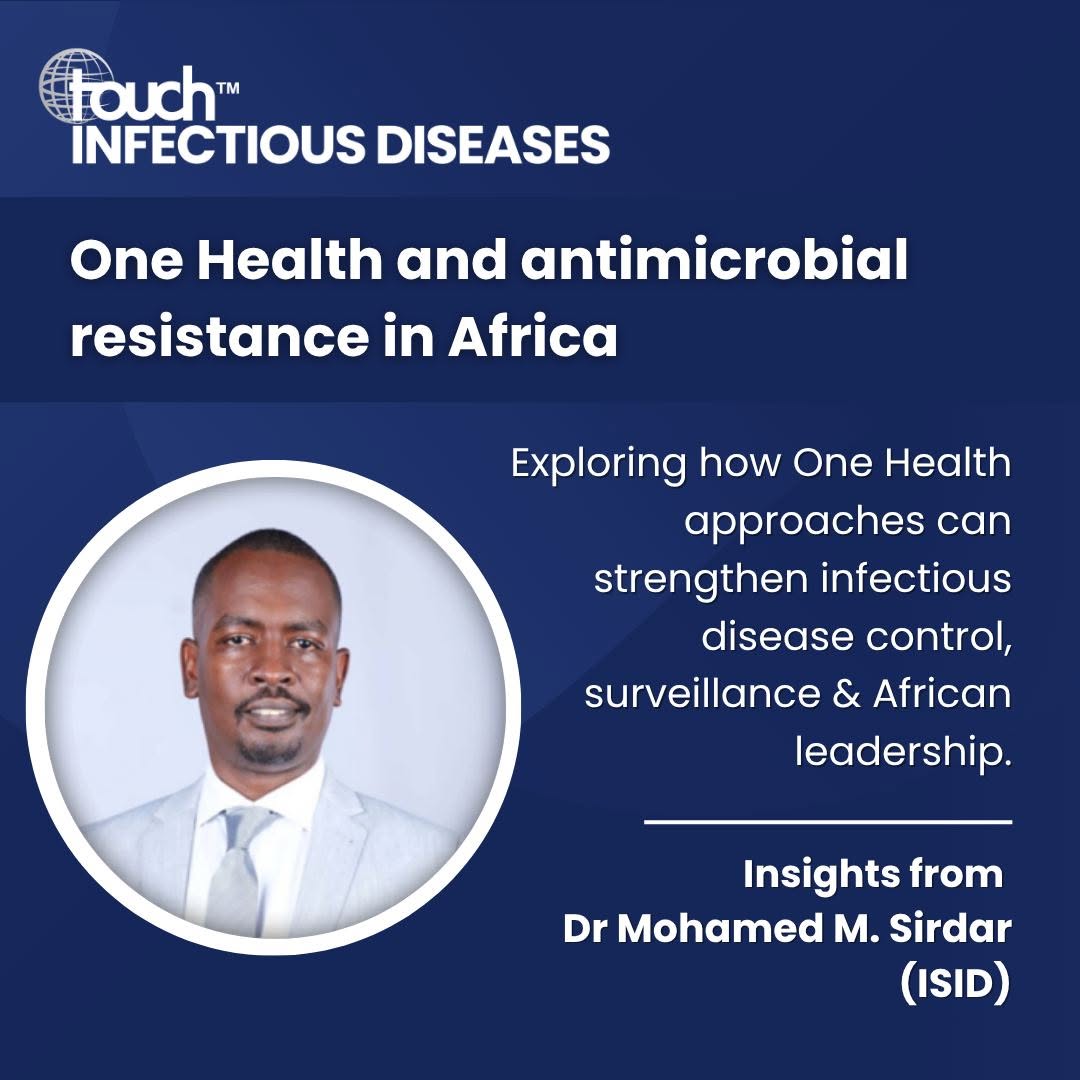
🌍 One Health and antimicrobial resistance: strengthening infectious disease control in Africa
Human, animal and environmental health are closely connected — making a One Health approach increasingly important for tackling antimicrobial resistance (AMR), disease surveillance and outbreak preparedness.
In a new insight developed with the International Society for Infectious Diseases - ISID, Dr Mohamed M. Sirdar discusses:
🔹 The role of veterinary medicine
🔹 Integrated surveillance and AMR monitoring
🔹 Building infectious disease capacity across Africa
🔹 Strengthening African leadership in research and policy
👉 Read the full insight: https://t.co/WcgChBcCBu
#OneHealth #AntimicrobialResistance #AMR #InfectiousDiseases #GlobalHealth
🫁 What’s new in RSV prevention ahead of the 2026–2027 respiratory virus season?
Our latest review explores emerging clinical and real-world evidence shaping RSV prevention, from vaccine effectiveness and maternal immunization to long-acting monoclonal antibodies and investigational combination vaccines.
It also examines expanded vaccine eligibility, infant immunization coverage, and evolving US and European guidance, highlighting key questions around the duration of protection and future revaccination strategies.
🔗 Read the full review: https://t.co/FGLUAM0fyN
#RSV #RespiratorySyncytialVirus #Vaccines #Immunization #InfectiousDiseases
🦠 Why does One Health matter?
Many of today’s most pressing health challenges cannot be addressed in isolation. One Health brings together expertise across human, animal and environmental health to improve how we understand, prevent and respond to shared threats.
Collaboration is particularly important in tackling emerging infectious diseases and antimicrobial resistance, where coordinated approaches can help strengthen global health preparedness.
This International One Health Day, discover more opportunities to stay informed with touchINFECTIOUS DISEASES’ bite-sized medical education.
🔗 Explore our free 10-minute learning opportunities: https://t.co/u16VusoCUu
@ISID_org
#OneHealthDay #OneHealth #InfectiousDiseases #MedicalEducation
🌍 Today is International One Health Day!
One Health recognises the interconnected health of people, animals and the environment, highlighting the importance of collaboration across disciplines to address global health challenges.
From emerging infectious diseases and antimicrobial resistance to climate change and environmental pollution, a joined-up approach is essential to tackling complex health threats.
This #OneHealthDay, we’re proud to support greater awareness and collaboration across the infectious diseases community.
Register for more infectious diseases education: https://t.co/u16VusoCUu
@ISID_org
#OneHealthDay #OneHealth #InfectiousDiseases #MedicalEducation
🩺 Stay curious. Stay informed. Stay connected.
Medicine never stands still and neither should your knowledge.
Follow touchINFECTIOUS DISEASES and make your feed a destination for trusted medical education, expert perspectives and the latest thinking across a wide range of therapy areas.
Why follow us?
🎓 Keep up with expert-led medical education
🔬 Explore the latest clinical insights and developments
🎥 Hear directly from leading healthcare professionals
🌍 Connect with perspectives from across the global medical community
📚 Discover educational content designed to support your ongoing learning
🔔 Be among the first to see our latest videos, articles and expert discussions
Your feed. More informed.
Follow touchINFECTIOUS DISEASES and stay connected to the conversations shaping medicine.
#MedicalEducation #MedEd #HealthcareProfessionals #MedicalLearning #ClinicalEducation #Healthcare
📢 ESCMID 2026: Could phage therapy transform treatment of resistant infections? 🦠
At ESCMID 2026, Dr Ikechukwu Benjamin Moses presented early research exploring bacteriophage-based strategies targeting resistant Staphylococcus pseudintermedius, an emerging zoonotic pathogen associated with companion animals.
In this interview, he discusses how his work evolved from One Health surveillance into phage therapy research, alongside the potential of bacteriophage-derived treatments and emerging delivery innovations such as microneedle systems.
Read more: https://t.co/JJlkVDT938
#ESCMID2026 #AMR #AntimicrobialResistance #PhageTherapy #InfectiousDiseases
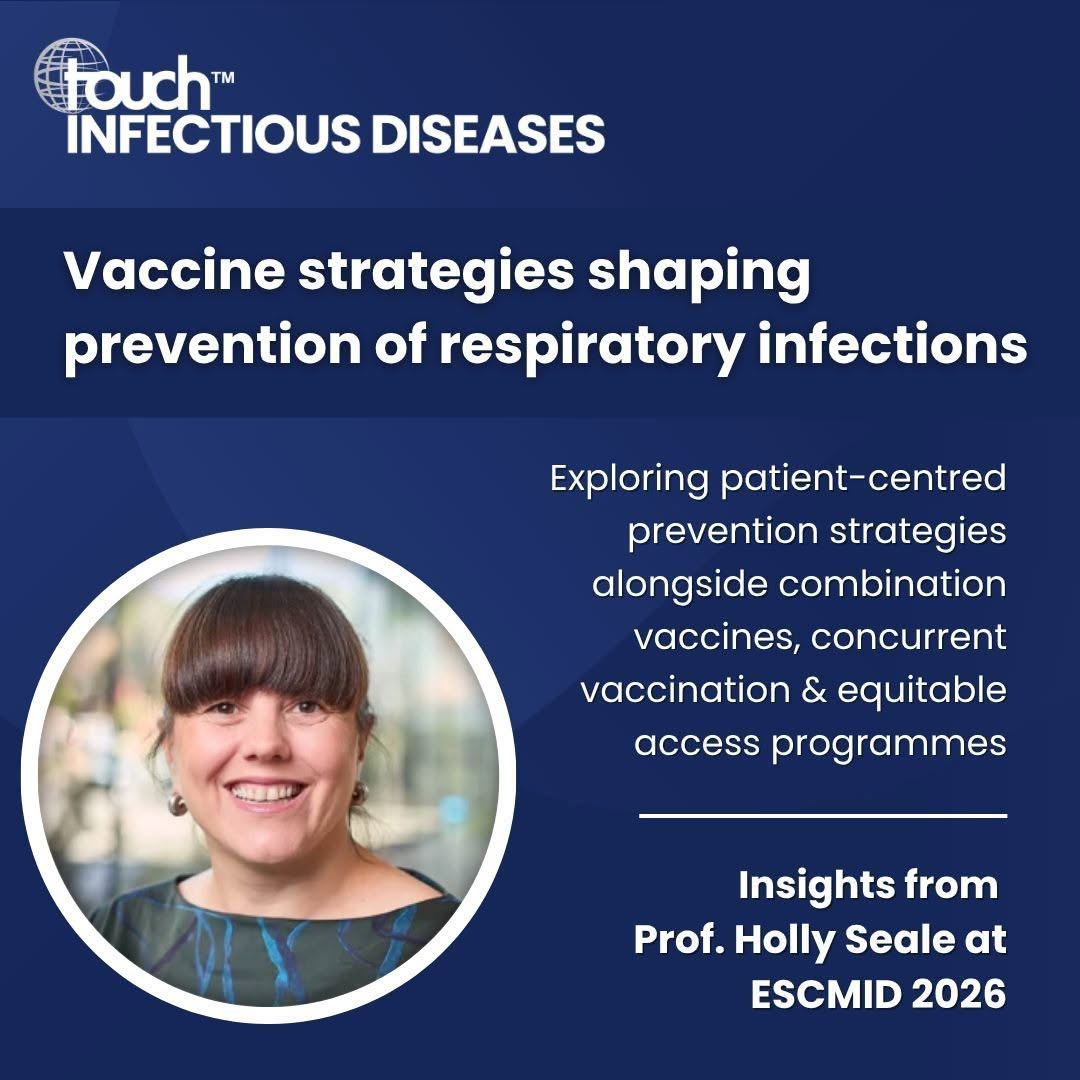
📢 ESCMID 2026: Rethinking Respiratory Infection Prevention 🦠
How should vaccine strategies evolve to better reflect patient priorities?
At ESCMID Global 2026, Prof. Holly Seale highlights the need to move beyond traditional messaging focused on hospitalisation and mortality, recognising the broader long-term impacts of respiratory infections.
🔍 Key themes include:
• The impact of infections on frailty, cognition and independence
• Aligning prevention strategies with what matters most to patients
• The role of combination and concurrent vaccination approaches
• Improving equitable access to vaccination
Read more: https://t.co/7BTCEIERus
#ESCMID2026 #Vaccines #RespiratoryInfections #PublicHealth #Prevention
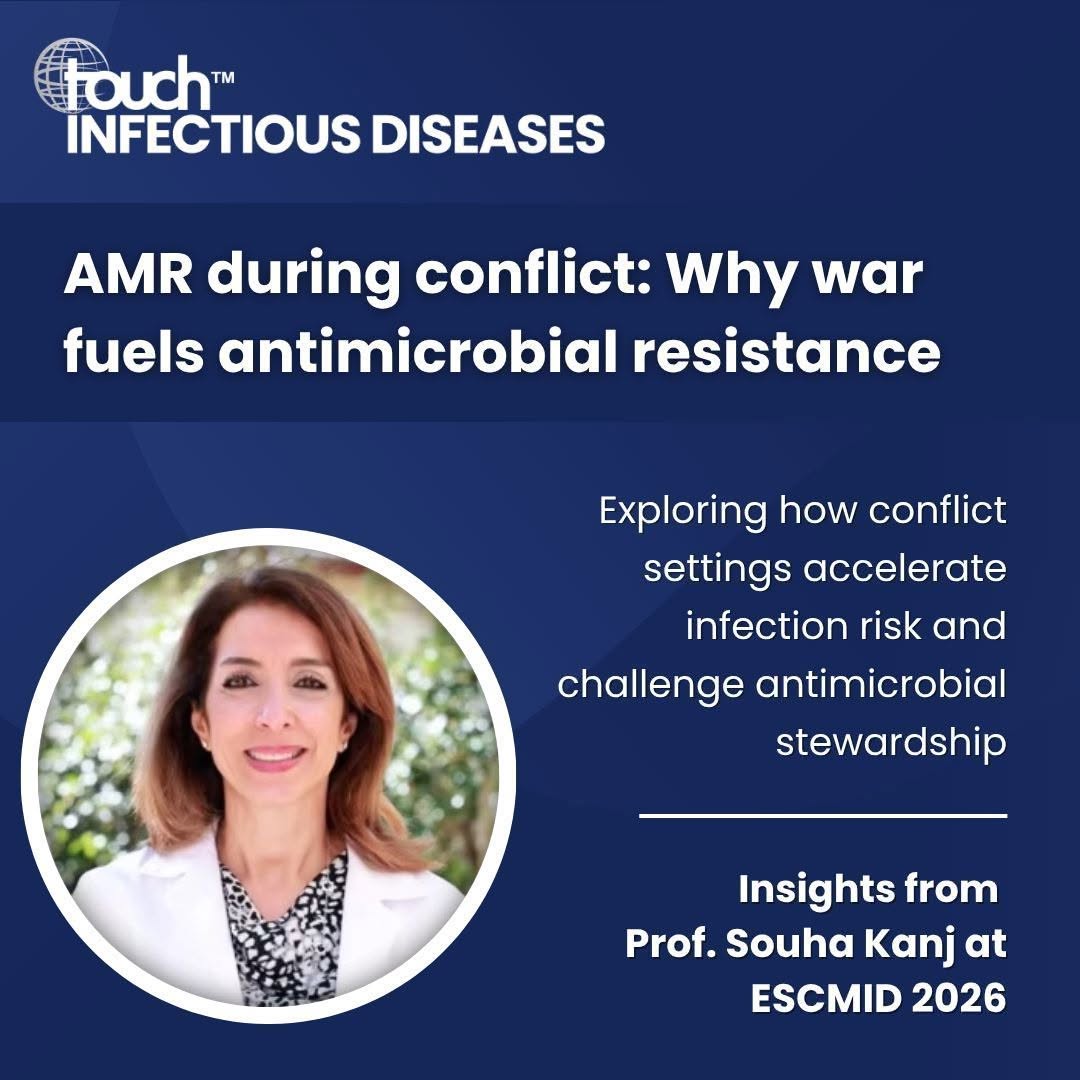
🧫 AMR during conflict: Why war fuels antimicrobial resistance
Conflict, war and displacement are increasingly recognised as major drivers of antimicrobial resistance (AMR), creating conditions where infections spread rapidly while access to healthcare, diagnostics and effective treatment is severely disrupted.
At ESCMID 2026, Prof. Souha Kanj discussed the urgent challenges of managing AMR in conflict settings and vulnerable populations.
In this interview, she explores the pathogens most commonly emerging during war, the patients at greatest risk, and the practical strategies needed to strengthen antimicrobial stewardship, infection control and global preparedness.
Read more: https://t.co/7PMCXvNFun
#ESCMID2026 #AMR #AntimicrobialResistance #GlobalHealth #InfectiousDiseases
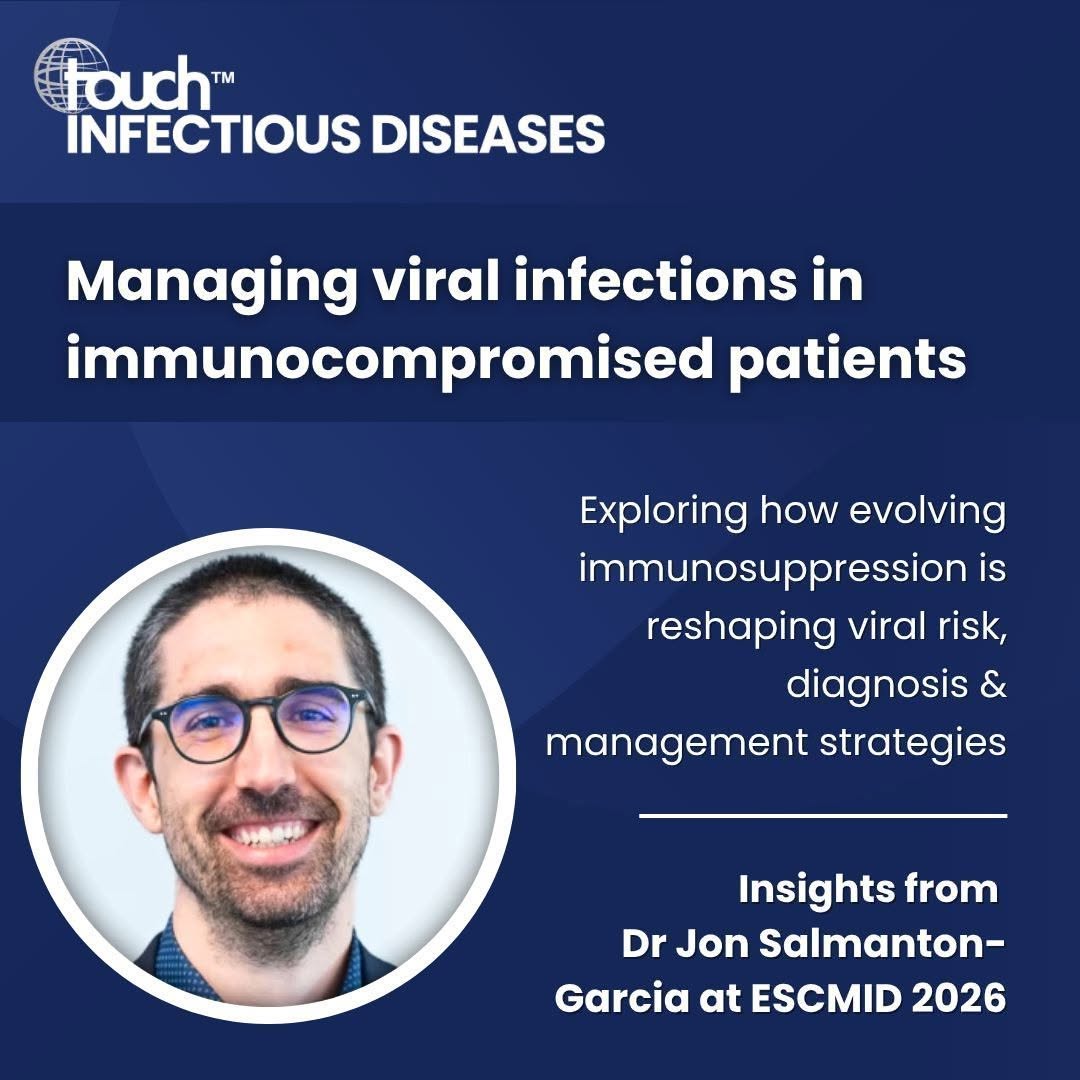
🦠 Managing viral infections in immunocompromised patients: Key updates from ESCMID 2026
At ESCMID 2026, Dr Jon Salmanton-Garcia (University of Cologne) highlighted how rapidly evolving immunosuppressive therapies are reshaping the landscape of viral infections in vulnerable patients.
In this interview, Dr Salmanton-Garcia discusses key advances in diagnostics, including next-generation sequencing and biomarker-driven approaches, alongside rapid progress in vaccine platforms and expanding antiviral options. He also highlights the growing attention on previously under-recognised respiratory viruses and the importance of continued collaboration.
Read more: https://t.co/XhJMZEbuSv
#ESCMID2026 #InfectiousDiseases #Virology #Vaccines #Antivirals
🦠 Why host-directed therapies could transform bacterial infection treatment
At ESCMID Global 2026, Dr Clark Russell discusses how rising antimicrobial resistance and an ageing, multimorbid population are driving the need to rethink how we treat bacterial infections.
Rather than relying solely on antibiotics, host-directed therapies aim to enhance the patient’s own immune response - opening the door to more personalised and potentially more effective treatment strategies.
Read now: https://t.co/609nawwJlp
#ESCMID2026 #AntimicrobialResistance #InfectiousDiseases
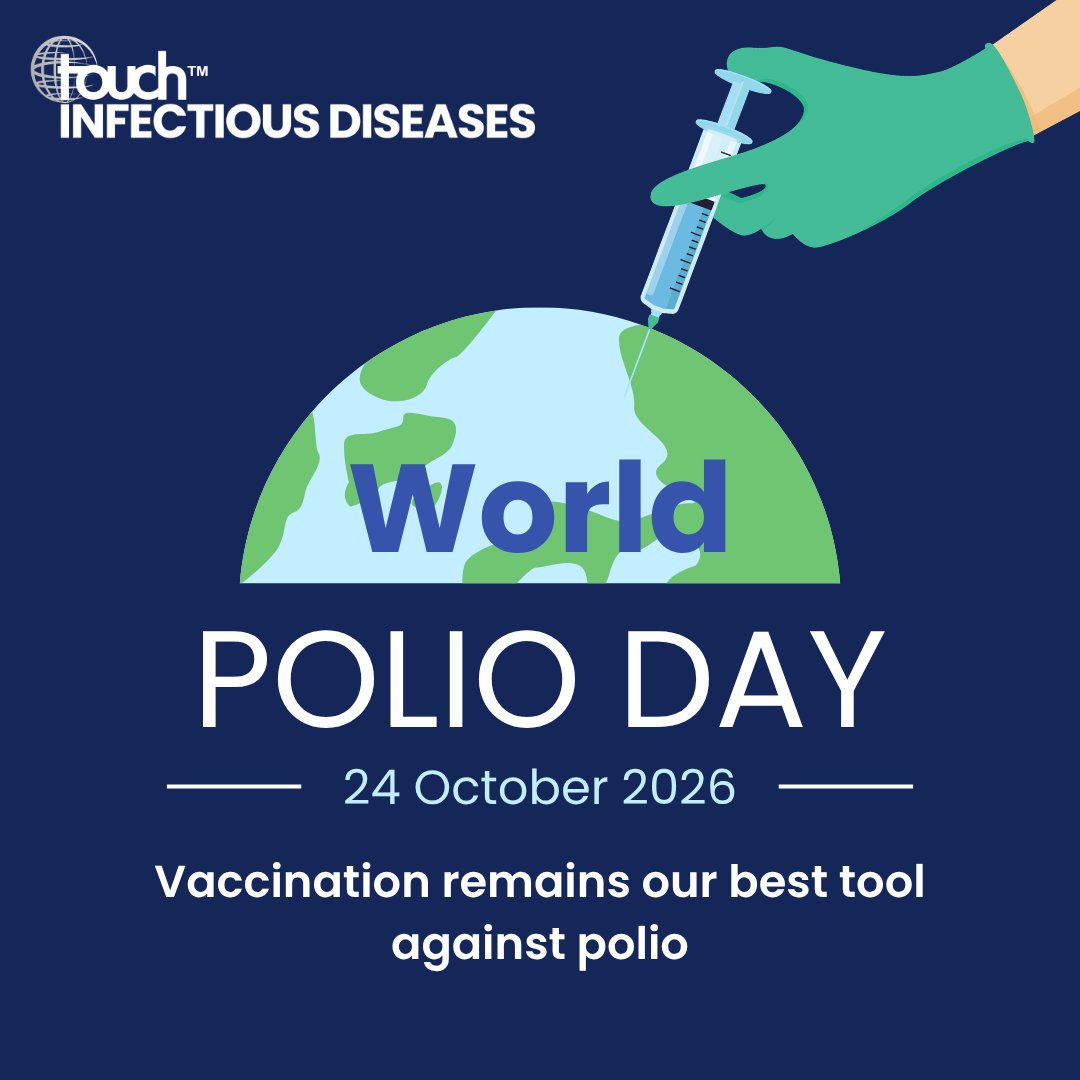
💉 Vaccination remains our best tool against polio.
Poliovirus spreads from person to person, often through contaminated water, and can spread rapidly in communities where sanitation is poor or vaccination coverage is low.
There is no cure for polio, but safe and effective vaccines can provide protection and help prevent transmission.
🌍 Since 1988, global vaccination efforts have helped reduce polio cases by 99.9%. Maintaining high immunisation coverage remains essential to protecting children and preventing the virus from returning.
This World Polio Day, let’s recognise the role of vaccination in the global effort to eradicate polio.
🔗 Explore our viral infections resources: https://t.co/suzVYFUkXv
@ISID_org
#WorldPolioDay #EndPolio #Polio #Vaccines #InfectiousDiseases #GlobalHealth
🌍 Today is World Polio Day.
Polio has been reduced by 99.9% since 1988, bringing the world closer than ever to eradication.
🧒 The virus mainly affects children under five and can attack the nervous system, sometimes causing paralysis. While there is no cure for polio, vaccination can prevent infection and protect communities.
Only two countries remain endemic for wild poliovirus, but until transmission is stopped everywhere, every child remains at risk.
This World Polio Day, we’re highlighting the continued global efforts to end polio and protect future generations.
🔗 Explore our viral infections resources: https://t.co/suzVYFUkXv
@ISID_org
#WorldPolioDay #EndPolio #Polio #Vaccines #InfectiousDiseases #GlobalHealth
What could the future of infection prevention look like? 🤖
For the final day of #InternationalInfectionPreventionWeek, the focus turns to the technologies shaping the next generation of infection prevention.
AI-powered outbreak detection and surveillance tools could help identify patterns and emerging risks earlier, while genome sequencing can provide increasingly detailed insights into pathogens and transmission. UV robotics and automated environmental monitoring are also creating new opportunities to support safer healthcare environments.
These technologies have the potential to strengthen how infection prevention teams identify, monitor and respond to risks - but they are designed to complement, rather than replace, the fundamentals of infection prevention.
Hand hygiene, evidence-based practice, surveillance and patient safety remain at the heart of the work.
Past. Present. Protected.
Keep learning with FREE access to expert-led education: https://t.co/u16VusoCUu
@ISID_org@APIC
#IIPW2026 #InfectionPrevention #InfectiousDiseases #PatientSafety #InfectionPreventionWeek
Infection prevention extends beyond the bedside. 🏥
Today’s #InternationalInfectionPreventionWeek theme highlights the importance of the environment of care - from healthcare facilities and infrastructure to air, water, cleanliness and maintenance.
A well-designed and well-maintained healthcare environment can help reduce opportunities for pathogens to spread. This means considering not only clinical practice, but also the spaces, systems and services that support patient care.
Infection preventionists work alongside Environmental Services, Facilities, Supply Chain and other teams to identify risks and support safer healthcare environments.
From the air we breathe and the water we use to the spaces where care takes place, infection prevention is a shared responsibility.
Past. Present. Protected.
Sign up for FREE access to the latest infectious diseases insights: https://t.co/u16VusoCUu
@APIC@ISID_org
#IIPW2026 #InfectionPrevention #InfectiousDiseases #PatientSafety #InfectionPreventionWeek