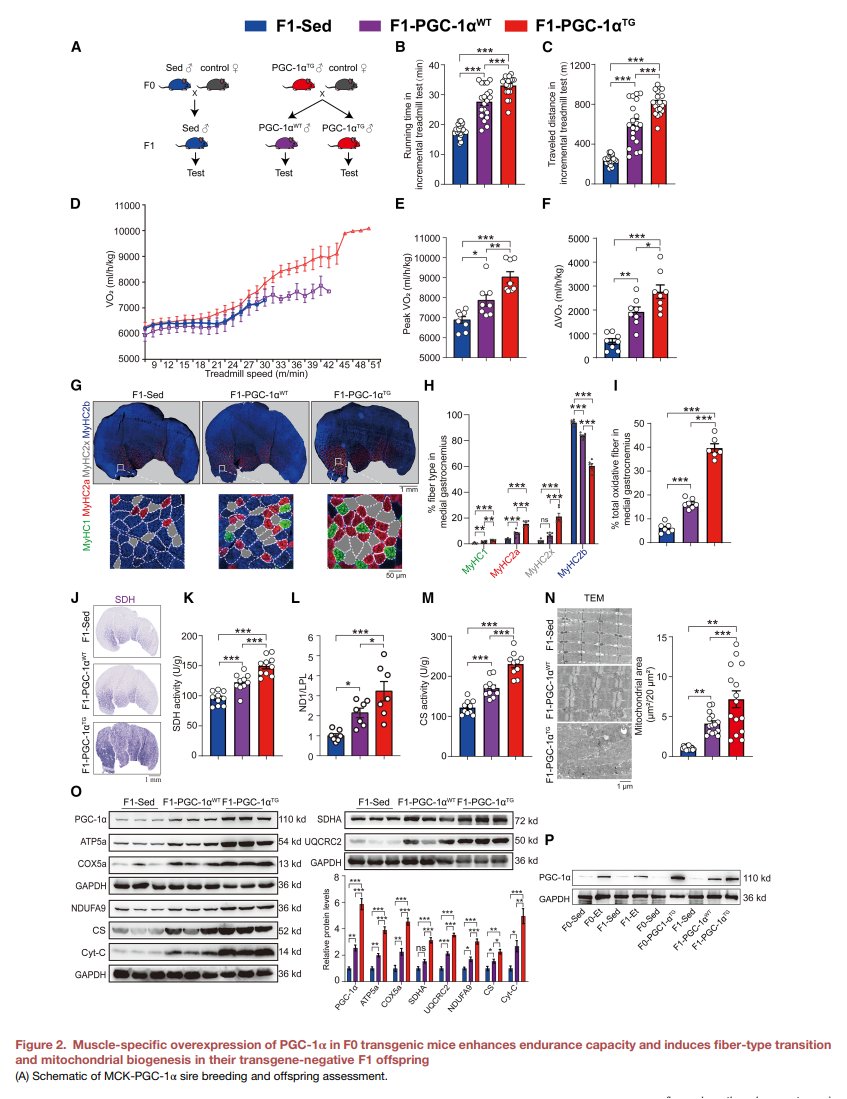
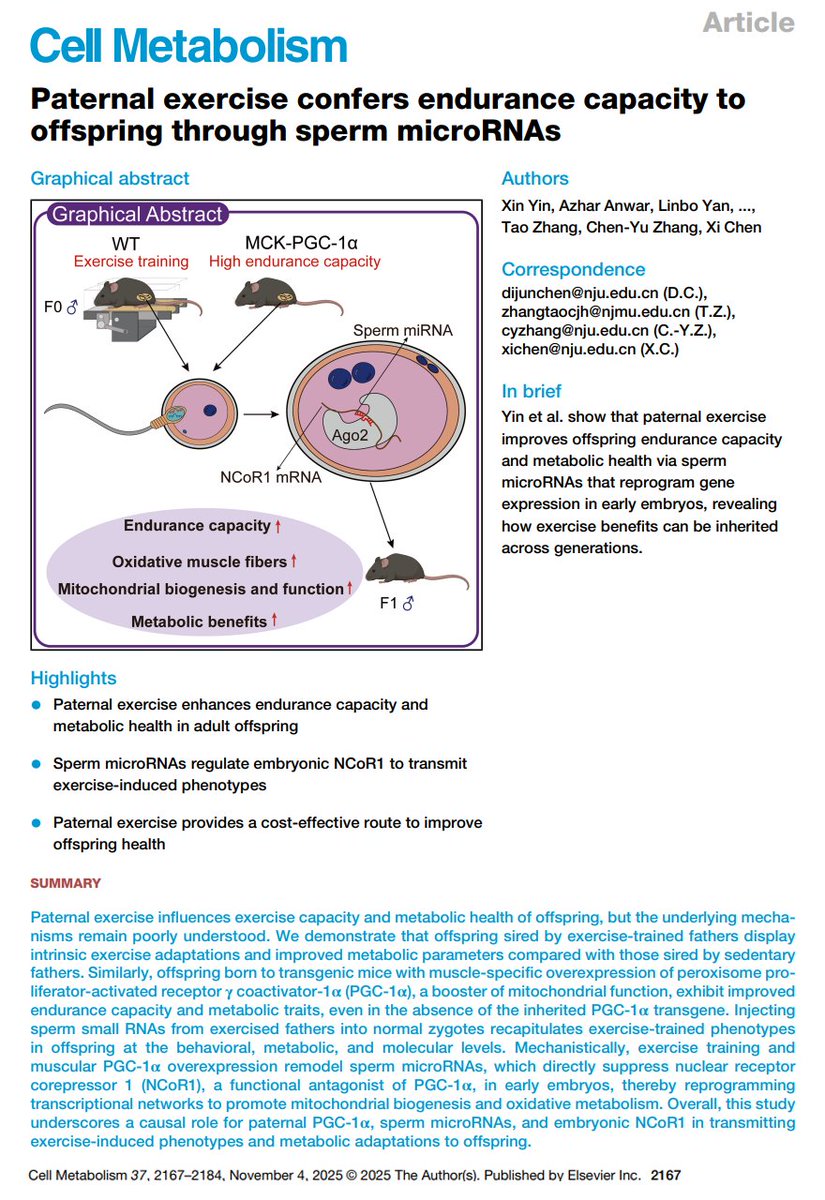
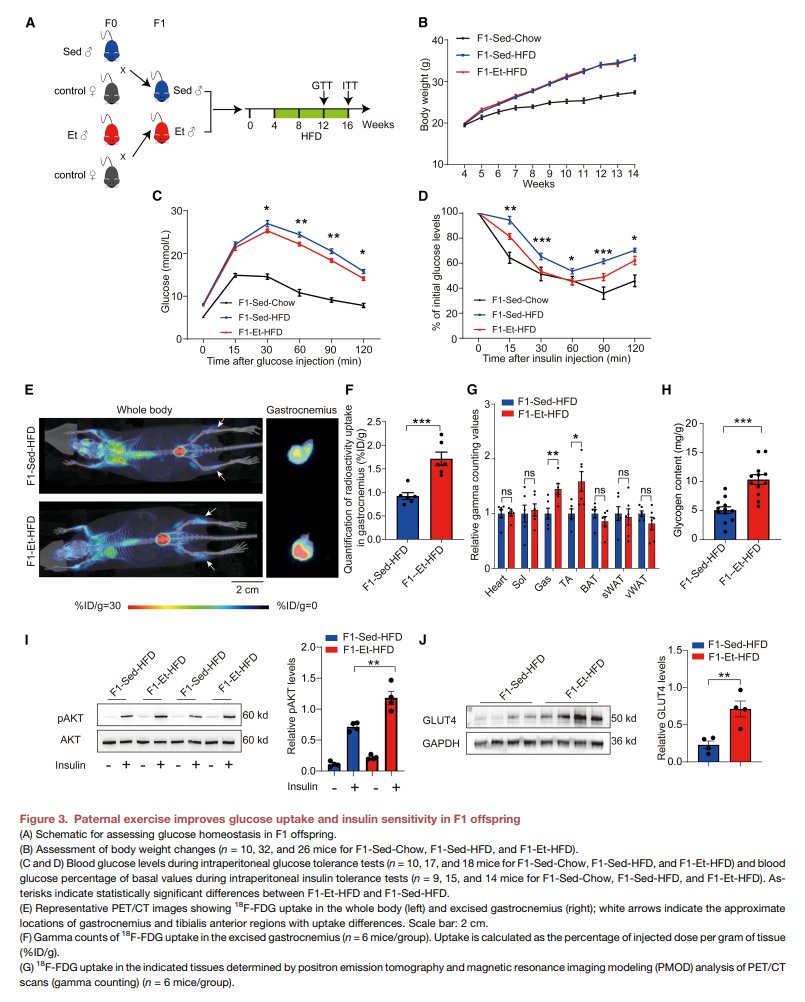
Si un padre hizo ejercicio regularmente, esto provoca, mediante señales epigenéticas transmitidas por el esperma, que sus hijos tengan mayor capacidad de resistencia, más mitocondrias en el músculo y una mejor salud metabólica.
Además, inyectar los pequeños ARNs del esperma de esos padres ejercitados directamente en cigotos normales reproduce exactamente los mismos beneficios en la descendencia, demostrando que estos microARNs son los mensajeros responsables.
El mecanismo principal es que estos microARNs suprimen NCoR1 en el embrión temprano, activando PGC-1α y reprogramando el metabolismo muscular de por vida.
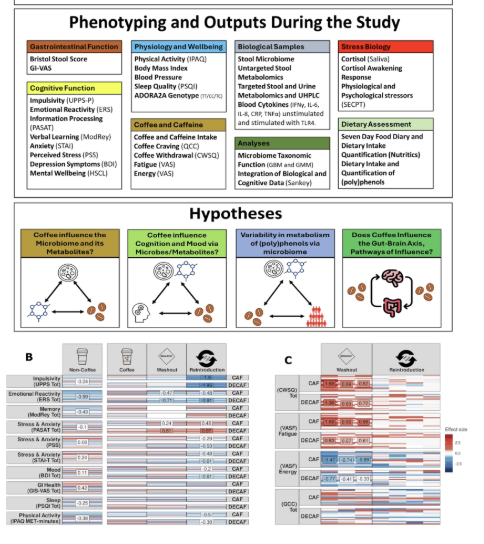
Surprising new findings about coffee: you are drinking coffee for the gut bugs that run your brain.
> coffee affects the gut which then affects your brain
> it's the coffee bean, not the caffeine, doing most of the work
> polyphenols feed gut microbes, microbes send chemical messages, brain responds
> both coffees lowered inflammation, caffeine drove it further down (IL6, IL10)
> decaf raised systemic inflammation markers (hs-CRP, TNF-alpha)
> decaf uniquely fed the protective gut microbes
> caffeine blocked those gains by pushing food through too fast for the Clostridia bacteria to finish their work
> at baseline, coffee drinkers sat in the bottom 25 to 30 percent for protective gut metabolites compared to non-drinkers
> coffee lifted mood, cut depression and stress
> caffeine specifically lowered anxiety.
> the stress hormone story people tell about coffee does not hold up, cortisol did not budge
Study details:
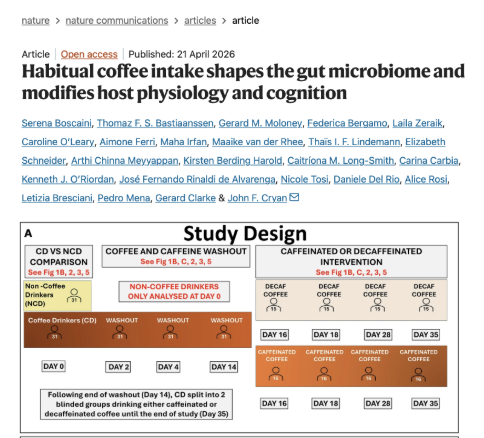
62 people, 14-day coffee washout, then 21 days randomized double-blind to caffeinated or decaf. They measured gut bacteria, stool and urine chemistry, cognition, mood, blood inflammation, and cortisol.
What to do
Caffeinated in the morning for focus and lower anxiety. Decaf in the evening for memory and gut. One cup 6 hours before bed still acts like half a cup at bedtime. Less is better than more either way.
The takeaway
You are drinking coffee for the bugs that run your brain.