@Hanawa_Crochet Sur l'application, dès que tu mets en favori cela envoie une notification au vendeur. Il faut aller dans les paramètres pour désactiver cette action et je pense que des gens ne sont pas au courant. J'avoue c'est inutile !
✨️ GIVEAWAY TIME !!✨️
Vous me l'avez demandé alors voici ; je vous propose de gagner une cloche tulipes de la couleur de votre choix !🌷
Pour participer :
• RT + FOLLOW @AtelierLeonie_
• Commente avec ta couleur préférée 🌿
Tirage le 10/06 à 18h 🤞🏻
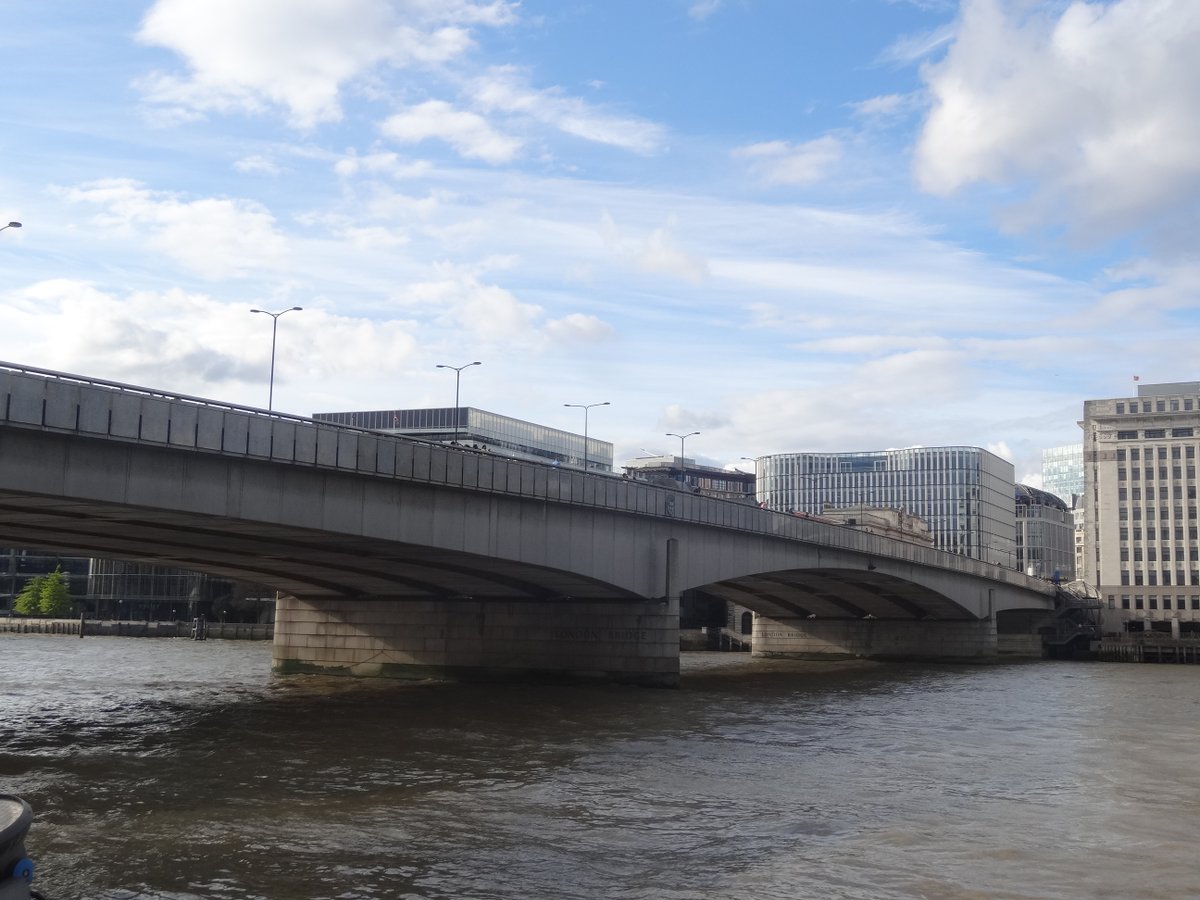
For more than 600 years, London Bridge was the longest inhabited bridge in Europe. Today, the one that stands in its place is one of the most boring on Earth.
This is the story of what was once considered a wonder of the medieval world...
Construction began in 1176 and it took 33 years to complete. When it opened in 1209, it was the first great stone arch bridge ever built in Britain: 19 pointed arches and a wooden drawbridge stretched across more than 900 feet of fast-flowing tidal river.
It was an engineering feat so audacious that for centuries it was the only stone crossing of the Thames in London.
But the bridge itself was only half of what made it remarkable. People lived on it...
By 1358, there were 138 buildings recorded along its span. Shops, workshops, taverns, and four-storey houses leaned out over the water on both sides, transforming the road into a covered street. At its centre stood a chapel dedicated to Saint Thomas Becket, last rebuilt between 1387 and 1396 by Henry Yevele, master mason to three kings of England.
The arches were so narrow that the Thames had to fight its way through them, sometimes producing a six-foot drop in water level between one side and the other. Boatmen had a saying: "London Bridge was made for wise men to pass over, and for fools to pass under." In some winters the river froze around the bridge so completely that fairs were held on the ice.
The bridge survived the Great Fire of 1666. It survived the plague. It survived 600 years of weather, war, and use. However, by the 18th century, it was dilapidated and considered old fashioned. The buildings had been removed, the arches were too narrow for modern shipping, and the city had outgrown it. In 1831, John Rennie's stone bridge opened beside it and the medieval one was taken down the following year.
Rennie's bridge (famously referred to in TS Eliot’s The Waste Land) has since been sold to America and moved to Arizona. The present bridge, the one that crosses the Thames today, was opened in 1973, and it carries nothing of the wonder that came before...
Philosopher Roger Scruton once said: "Beauty matters. It is not just a subjective thing but a universal need of human beings. If we ignore this need we find ourselves in a spiritual desert."
-- -- --
If you enjoyed this, I write a weekly newsletter read by over 50,000 people who love rediscovering the beauty of the past. You can join us here:
https://t.co/hgJUdR0jlx
If you'd like to support my work, a paid subscription is what makes it possible.
The angels described in the Bible look almost nothing like the angels in our paintings...
According to the celestial hierarchy discussed by Thomas Aquinas in his Summa Theologica, the three highest orders of angels stand closest to God. Each one is described in the Bible in a way that has almost nothing to do with how we picture them today.
The Thrones, the third-highest order, appear in the visions of the prophet Ezekiel. He describes them as wheels of fire intersecting one another, "a wheel within a wheel," with rims "full of eyes all around." In the Hebrew tradition they are called Ophanim, meaning wheels.
Their function is to carry and uphold the throne of God.
The Cherubim, the second-highest order, also appear in Ezekiel's visions and in the book of Genesis, where they guard the gates of Eden with a "flaming sword which turned every way."
In Renaissance painting, they were transformed into pink-cheeked winged babies, but the Bible describes something entirely different...
Each Cherub has four wings and four faces: a man, a lion, an ox, and an eagle. It was a Cherub that Christian tradition identifies as the highest fallen angel. In his Summa Theologica, Aquinas argued that Satan, before his fall, was a Cherub, drawing on Ezekiel 28, which describes a "guardian cherub" in Eden who fell through pride.
The Seraphim, the highest order, appear in the vision of Isaiah. "Above him stood the seraphim," the prophet writes. "Each had six wings: with two he covered his face, with two he covered his feet, and with two he flew."
The face and feet are covered out of humility before God. The remaining two wings are for flight. The Hebrew word Seraphim literally means the burning ones.
Centuries later, similar beings appear in the New Testament book of Revelation. There, John of Patmos describes four creatures around the throne of God, but now their wings are "full of eyes within."
The angels of our paintings have soft faces and feathered wings. The angels of the Bible have wheels for bodies, four faces, and wings full of eyes...
If you enjoyed this, I write a weekly newsletter for over 50,000 readers who love rediscovering the past. You can join us here:
https://t.co/hgJUdR0jlx
Sometimes history is stranger than fiction.
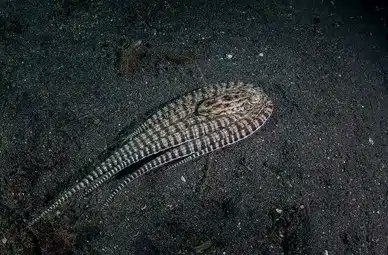
L'occasion parfaite pour parler du poulpe mimétique
Ce gros malade est capable d'imiter QUINZE espèces marines différentes
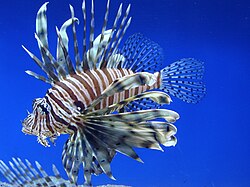
Rascasse volante, poisson-plat, tricot rayé... il a dans sa panoplie une multitude d'espèces dangereuses avec un seul objectif :
"Me faites pas chier."
L'âne est un animal hyper sociable.
Il se lie souvent, d'amitié ou d'amour, avec un autre âne.
Quand l'un meurt, l'autre tombe dans une dépression profonde et arrête de manger.
Les vétérinaires sont parfois obligés de mettre des miroirs pour que l'âne croit ne pas être seul.
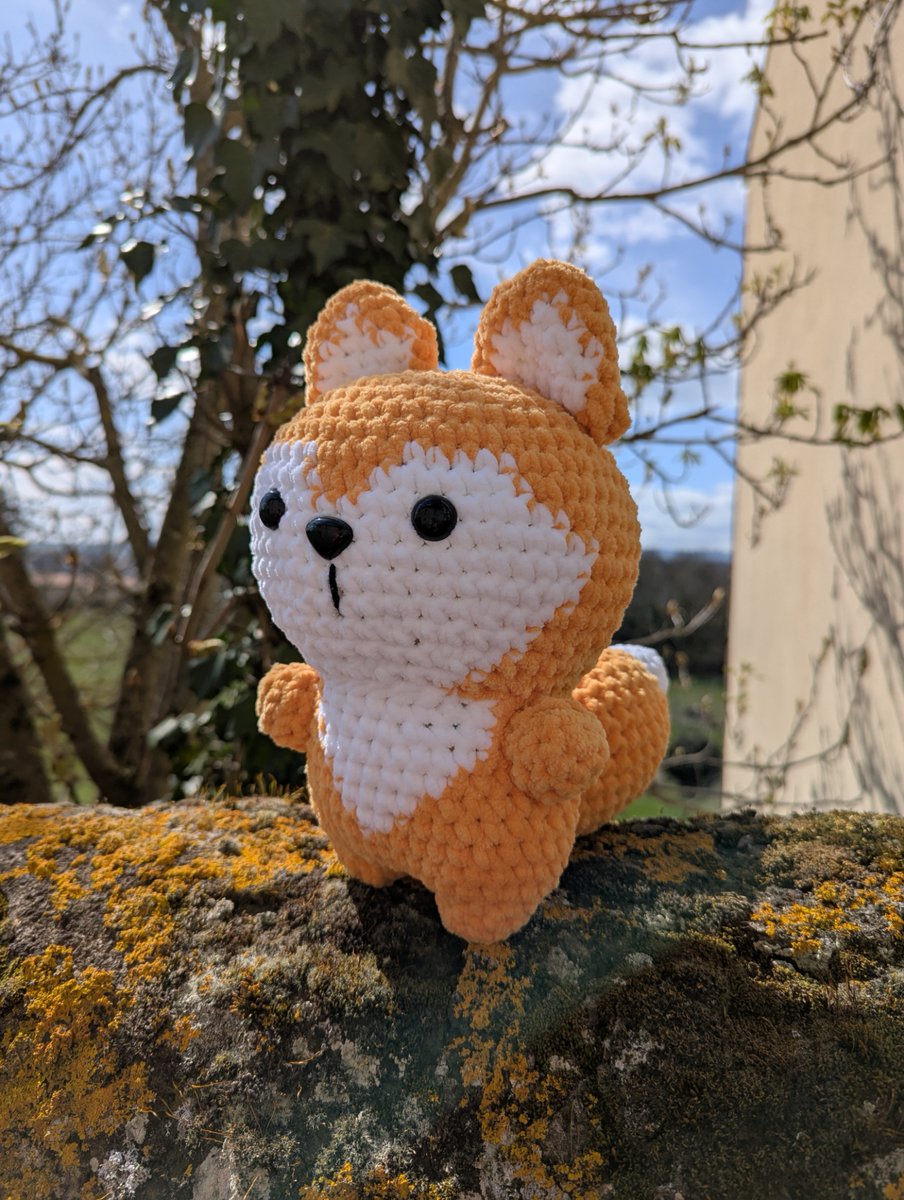
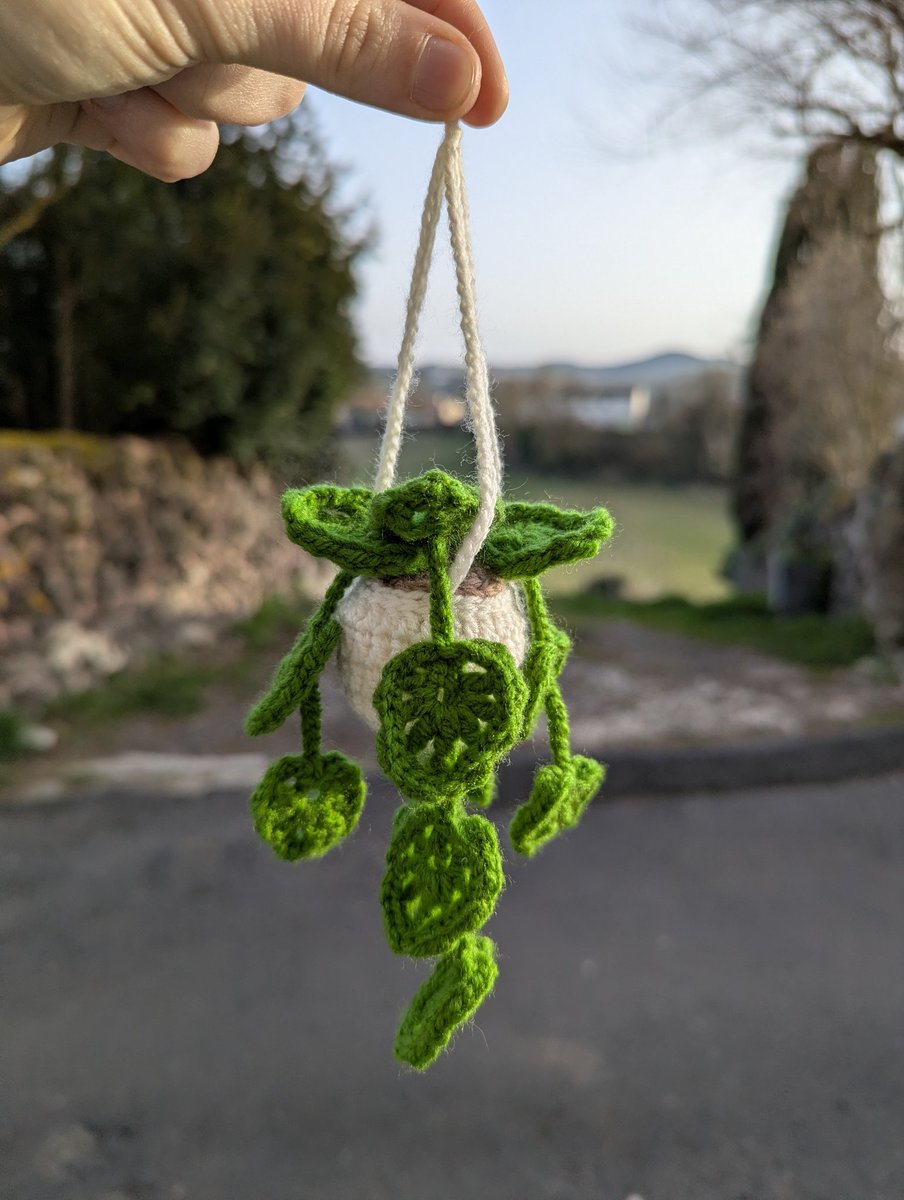
Est-ce que je peux vous demander de partager ma boutique de mes créations svp ? Lien en commentaire
Ca touchera peut-être les bonnes personnes pour avoir des commandes ce mois-ci🥳
Ca m'aiderait beaucoup !
Je fais pas mal d'animaux mais aussi d'autres déco comme des plantes 🪴
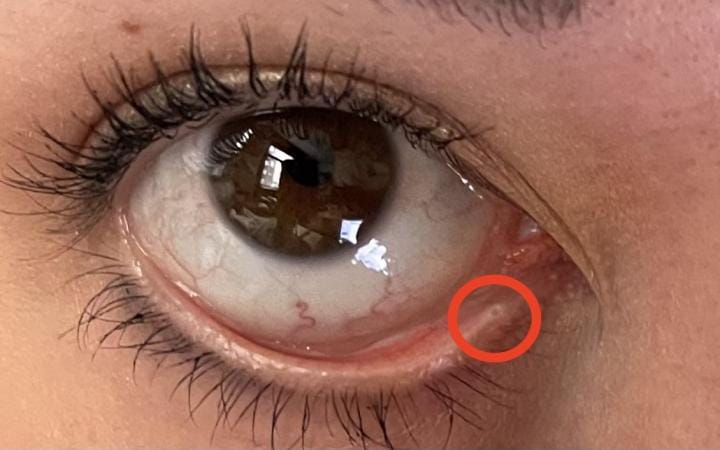
Vous avez tous deux bouches d'égout dans vos yeux : les points lacrymaux.
Pour rester humide, vos yeux pleurnichent en continu (ces gros fragiles) et ces petits trous servent à évacuer l'excès de liquide.
Quand vous pleurez vraiment, il y a trop de liquide pour que tout
The castles of Europe are some of the most amazing things we’ve inherited from history
Between 75,000 and 100,000 castles were built in Western Europe during the medieval period, with around 1,700 in England and Wales alone, and roughly 14,000 in German-speaking areas...
Most of them rose between the 9th and 15th centuries after the collapse of centralized Roman authority and the rise of fragmented feudal power.
As attacking armies grew more sophisticated, so did the walls meant to stop them. The cost was staggering: from 1179 to 1188, King Henry II of England spent over £6,500 on Dover Castle alone — an enormous sum given that his entire annual revenue was around £10,000. That figure was more than three times what he spent on any other building project in his reign, and more than four times what went into grand royal residences like Windsor.
And then there is Malbork...
Built by the Teutonic Knights in what is now Poland, Malbork is the largest castle in the world measured by land area. It covers 52 acres and once housed approximately 3,000 knights. A medieval visitor reportedly noted it seemed "more a city enclosed by walls than a single castle."
In 950, Provence was home to just 12 castles. By 1000, the number had risen to 30. By 1030, it was over 100. The pace was not driven by a single empire with a plan, but by thousands of individual decisions made by lords, bishops, and kings who each decided, in their own time and place, that stone was the only reliable answer to an uncertain world...
The word castle is derived from the Latin word castellum, which is a diminutive of the word castrum, meaning "fortified place". Between seventy-five thousand and a hundred thousand of these fortresses were built over six centuries as a reminder that every civilization eventually decides what it will leave behind. Europe decided on this. And the castles are still here.
L'occasion parfaite pour rappeler à quel point ces animaux sont injustement mal-aimés.
En 2011, l'université de Chicago a mené une étude sur ces derniers et a découvert qu'ils étaient incroyablement empathiques !
L'expérience était simple : un rat libre, un rat enfermé.
Je sais que soutenir un artisan n’est pas toujours facile aujourd’hui
Mais un RT, lui, est gratuit et ça aide énormément ❤️
Si ça vous pla��t, ça me donne un vrai coup de pouce !
Je vous présente les nouveautés du moment 😊
Ma petite boutique https://t.co/ZskKAuQv8p
Saudade is a Portuguese word describing a profoundly nostalgic longing for a beloved yet absent someone or something
The word traces back to the Latin word for solitude and appears in Portuguese literature as far back as the 13th century
It grew deeply tied to Portugal's Age of Discovery when sailors left home with no guarantee of return and those left behind had no word for what they felt until saudade gave the feeling a name
It is the love that remains after everything else has left or as the Portuguese poet Fernando Pessoa once wrote: Saudade is the presence of absence
💫 【OSHI NO KO】Shikishi Campaign 💫
Here is our next shikishi present campaign signed Manaka Iwami, the voice of akane Kurokawa!
▶️ Follow @oshinoko_global
▶️ Repost this #oshinoko_giveaway