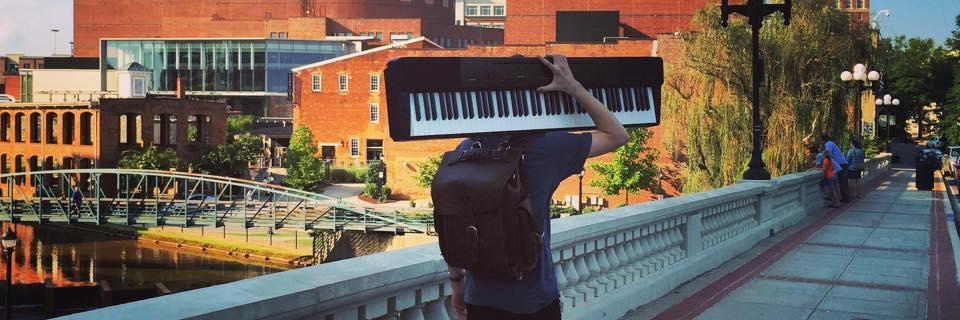
@DeanAbbott People forget that human nature is remarkably stable despite radical shifts in technology and culture. Older folks who’ve spent decades learning how people work are an absolute treasure
I find my music students do best when I give them material that’s hard enough that they don’t get it right the first try, but easy enough they can correct themselves right away and try again
You don't have to make snap judgements about people. You don't have to expect something close to perfection from others.
It's ok to see someone's flaws, to see all the loser bits they try to hide and to welcome them into relationship anyway.
That's what mercy is.
@DeanAbbott I’ve come to seriously appreciate the sources of simplicity and fun in my life. I’ve tried way too hard to be high-minded and aloof in the past and turns out it’s often healthy to forget all that and just go carve a pumpkin or something
@ArthurMacwaters I think a better framing is to just value lots of patience with whatever process you find yourself in. Be able to be pleased with tiny improvements. Also don't let aesthetics drag down your project prematurely, sometimes ugly is perfect early on
Procedural Memory (“muscle memory”) is the magic sauce that makes new skill acquisition happen. As a teacher, you end up mostly being a “procedural memory sculptor”. Much of your time will be spent demonstrating to your students how they can condition their own memory over time, using tricks like Slow Practice, Small Chunks At A Time, Spaced Recall, Isolation (e.g. hands separate at first) and lots of patience and repetition. Better to know these tricks well yourself before propagating any bad habits
Truthful Hope is the best gift a teacher can offer, followed by information. That’s why as a teacher you should never display annoyance or frustration with your students. It’s harder for a student to feel hopeful they can improve their skills when their teacher seems lost