For people with beta-thalassemia, regular blood transfusions can help prevent serious complications of anemia. On World Thalassemia Day, AABB is proud to raise awareness of #thalassemia, amplify patient voices and celebrate the life-changing work of AABB members.
This week is #TeacherAppreciationWeek!
It’s a great time to celebrate and highlight those that dedicate their lives to teaching!
📣Starting off the week with a shot out to one of our favorite and beloved Transfusion Medicine and Blood Banking educators, Dr. Joe Chaffin - @bloodbankguy
You won’t want to miss his “last minute essentials” - 90 minute cram session for path residents taking their CP Boards 🅰️🅱️🆎🅾️
Thursday, May 9 at 3 PM ET
📺Live Stream: https://t.co/Sh7NVnYuYG
Along with PBM, this year's BBANYS Annual Meeting will focus on apheresis. We have a handful of fascinating talks lined up on this topic throughout both days – view the full #BBANYS2024 schedule here: https://t.co/DKHSC5eXMV
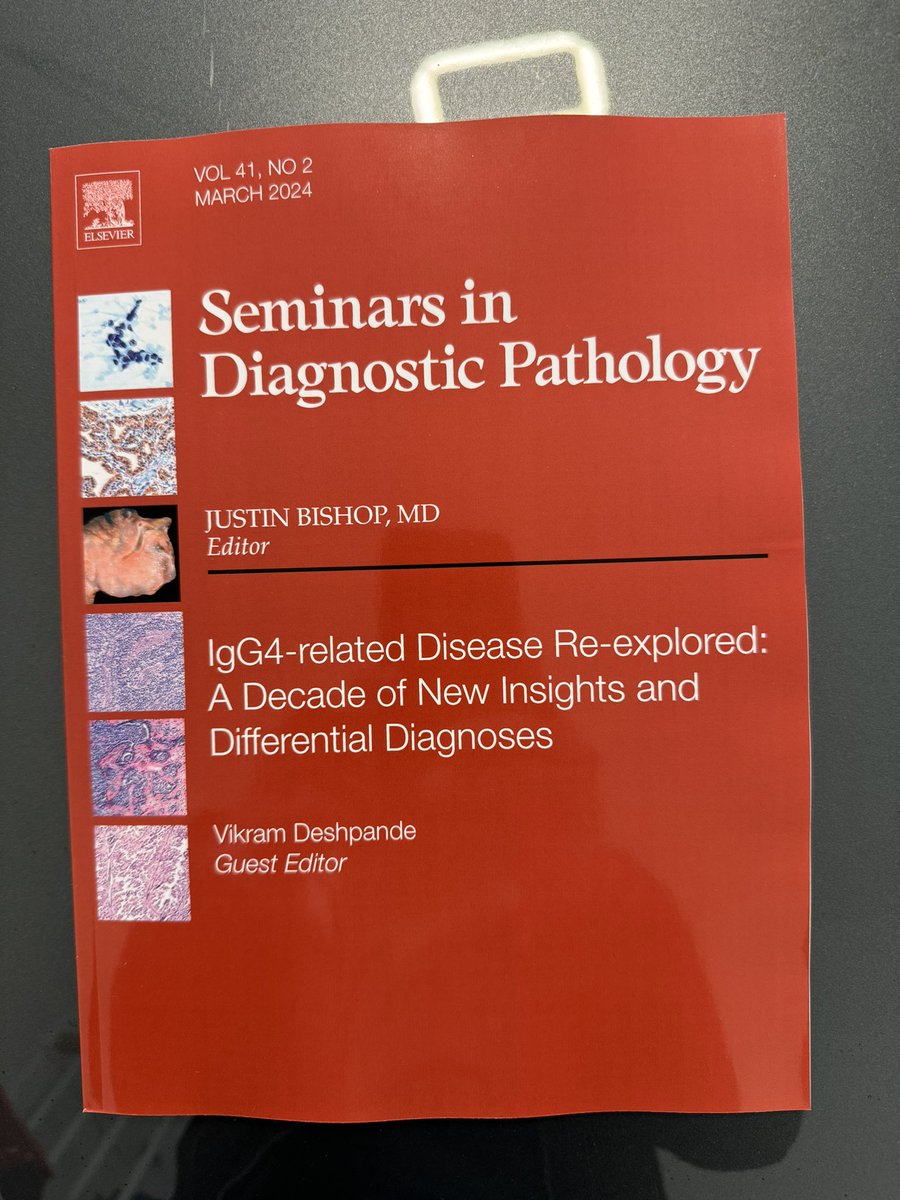
we have come such a long way in our understanding of IgG4-related disease. This is a volume of seminars in diagnostic pathology devoted to Ig4-related disease. Covers virtually every organ. written by Folks that have spent their careers writing about this disease. The focus is not on how one makes the diagnosis, but how one avoids making the diagnosis😄
You’re invited! ✉️
Join AABB’s Leadership and Administrative Subsection for a new four-part meeting series inspired by Susan Cain's "Quiet: The Power of Introverts in a World That Can’t Stop Talking.”
📅: March 28
🕒: 3 pm ET
Email [email protected] to attend. #Leadership
Big news: The @US_FDA approved the cobas malaria test (@Roche) for use on the cobas 6800/8800 Systems on Tuesday. The approval marks the first FDA-licensed test to screen blood donors in the U.S. for #malaria. https://t.co/k7gbCA7siY
Good news - BBTM fellows did fantastic on boards this year! Congratulations and thanks to the ABPath for ongoing transparency in sharing this data. https://t.co/HdAM3FSdRC
Autologous donation: patients donate their own blood for their own use. To prevent wastage, it is only recommended prior to procedures with a high likelihood of RBC use such as orthopedic procedures, vascular and cardiothoracic surgery or difficulty finding compatible units.