The Skull Base Fellows Course is a premier course offering hands-on experience for all attendees with lectures from our expert faculty. Join us August 28-29 in Cleveland—registration is now open, so reserve your seat today: https://t.co/bfvJX3nNtp
#CNSCourse#skullbase@CNSResidents
What did the newest large antibody trials for Alzheimer's disease just published @NEJM reveal? There were two large phase 3 trials of Gantenerumab for early Alzheimer’s. Survey says: NEGATIVE, did not meet primary outcome variable. Let's discuss and think about WHY?
Key points:
- Gantenerumab actually led to partial removal of amyloid plaques.
- It improved some soluble biomarkers of Alzheimer’s.
- Magnitude of amyloid plaque removal 'smaller than expected' especially head to head with prior smaller trials on this drug.
- Interestingly, the mean amyloid level on PET remained elevated; only 1/4 reached amyloid-negative status.
- The author's hypothesize that rapid plaque reduction, could have been below detection threshold.
- They wonder if the time frame needed to be longer?
- Higher incidence of ARIA-E.
- Gene status mattered: homozygous carriers APOE ε4 more likely to get ARIA-E when compared to heterozygous carriers or noncarriers.
- They tried a dose-escalation scheme to limit the increase in ARIA-E and it did not seem to work.
- My take: Persons with #Alzheimers and neurodegenerative diseases are understandably anxious for clinical trials and this agent was underwhelming. We did learn some things from this trial, and it is important we put compounds to the ultimate test in randomized controlled studies. This antiamyloid antibody gantenerumab didn't slow decline in cognitive function in early Alzheimer’s. For those watching from afar Lecanemab is still on top of the hill for this approach.
https://t.co/r4zf5VIonM
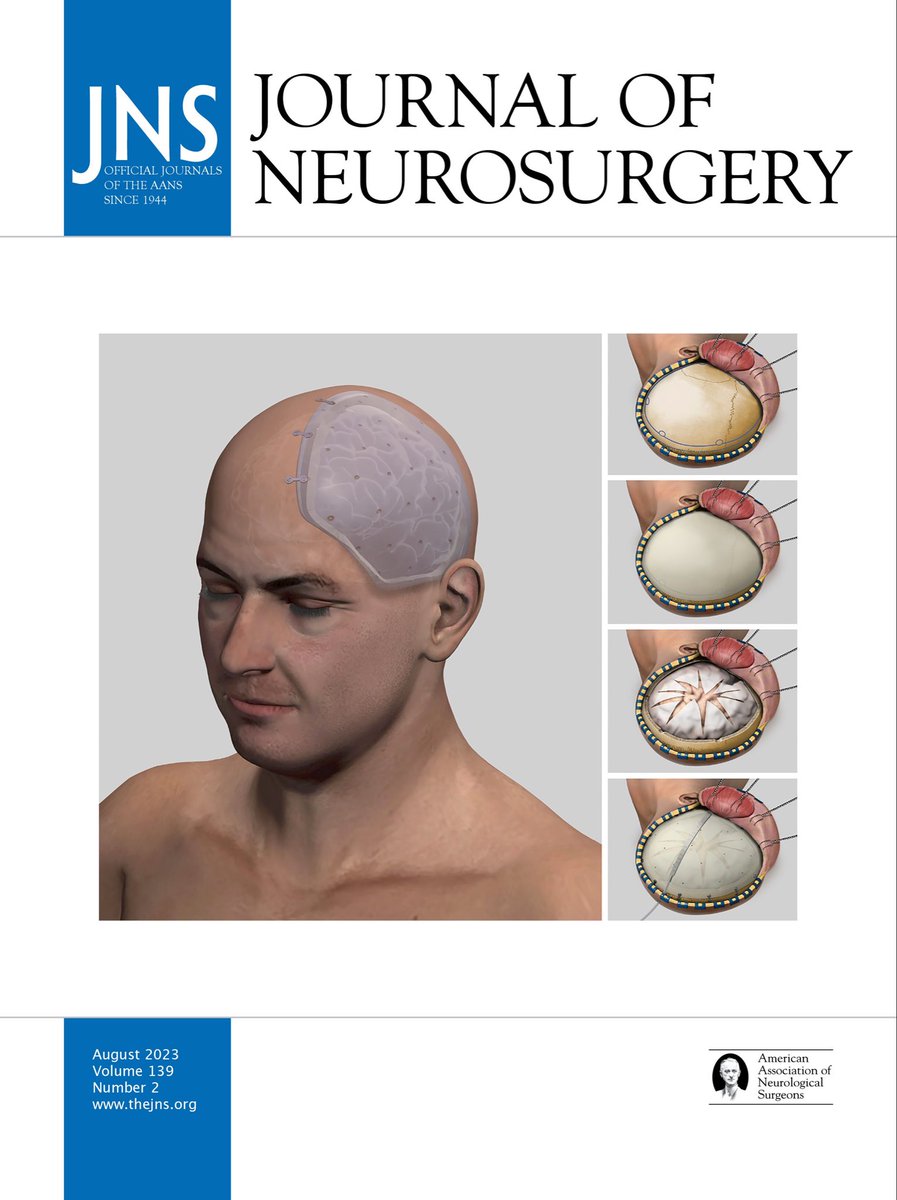
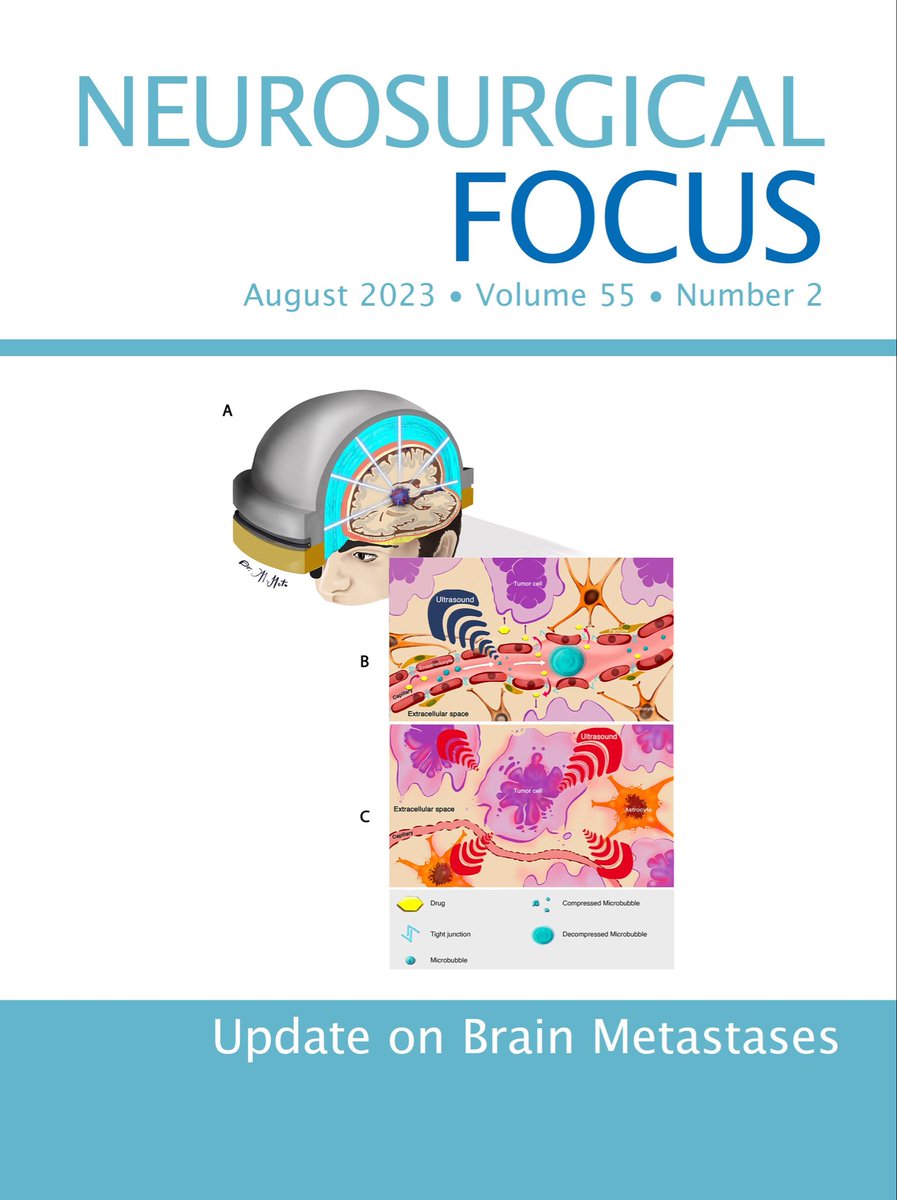
On the cover @TheJNS for August 2023, new technique for expansive cranioplasty especially useful in decompressive craniectomy for stroke and trauma! https://t.co/9MiBEO5nKH
Everything you ever wanted to know about the management of brain metastases, and more! Now in latest issue of NS Focus for @TheJNS ! https://t.co/ZSmENdMJD0
A season-long celebration of Rachmaninov’s 150th birthday continued on Thursday as @daniil_trifonov joined the Chicago Symphony Orchestra for a performance of the composer’s mammoth Piano Concerto No. 3, exhibiting incredible virtuosity and endurance.
📷: @toddrphoto
Each brain injury is unique and every survivor will experience different symptoms as the result of their injury. Concussions are one of the most common forms of brain injury, so it's important to know what signs and symptoms to look for. Learn more here: https://t.co/H0rDgOXPxA
Former premature newborn, now 1 month old with seizures
Coronal US (above) shows dilated ventricular system that contains complex echogenic fluid. Axial CT (below) shows dilated ventricular system that contains complex fluid
#FOAMed#FOAMPed#FOAMRad#PedsRad#RadEd#RadRes
View the Brain Metastases module on the Neuro-Oncology Academy. The module provides lectures that focus on the most common primary malignancies that metastasize the brain and leptomeninges. All SNO learning modules are free of charge. https://t.co/m9AXtF6UYY #neurooncologyacademy
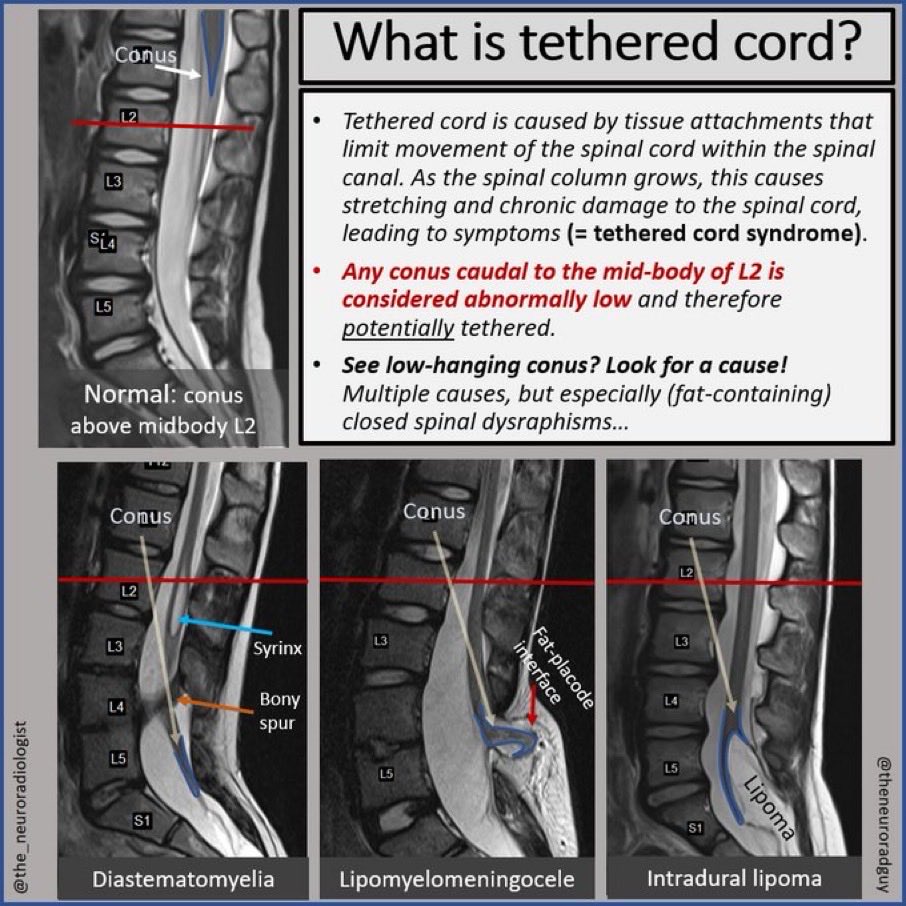
A Slide to Save: Every time you assess a lumbar mri for any indication, look for the possibility of a tethered cord w/ any conus extending below L2 mid body. It may be more occult than these w/ fatty filum. You’ll need to adjust your workup & surgical plan accordingly.
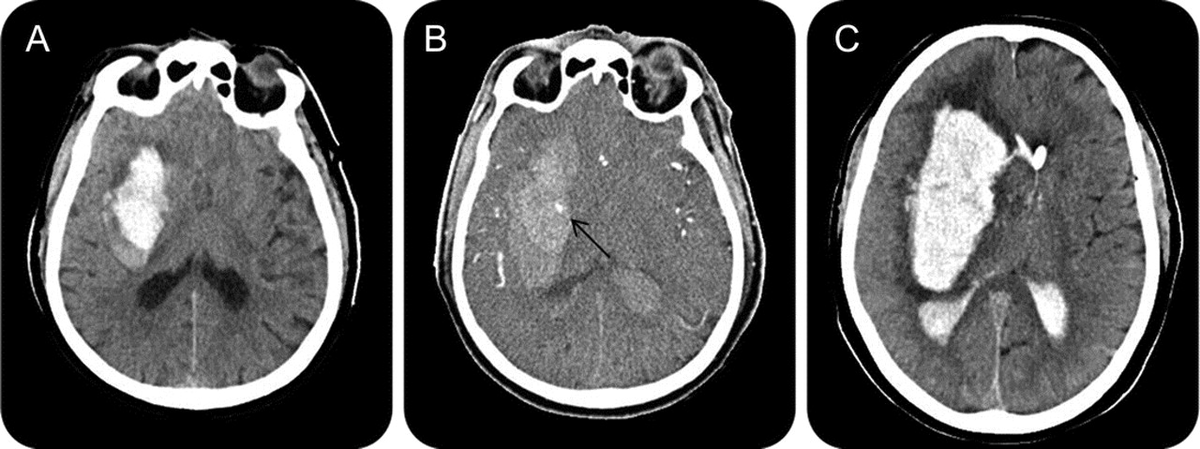
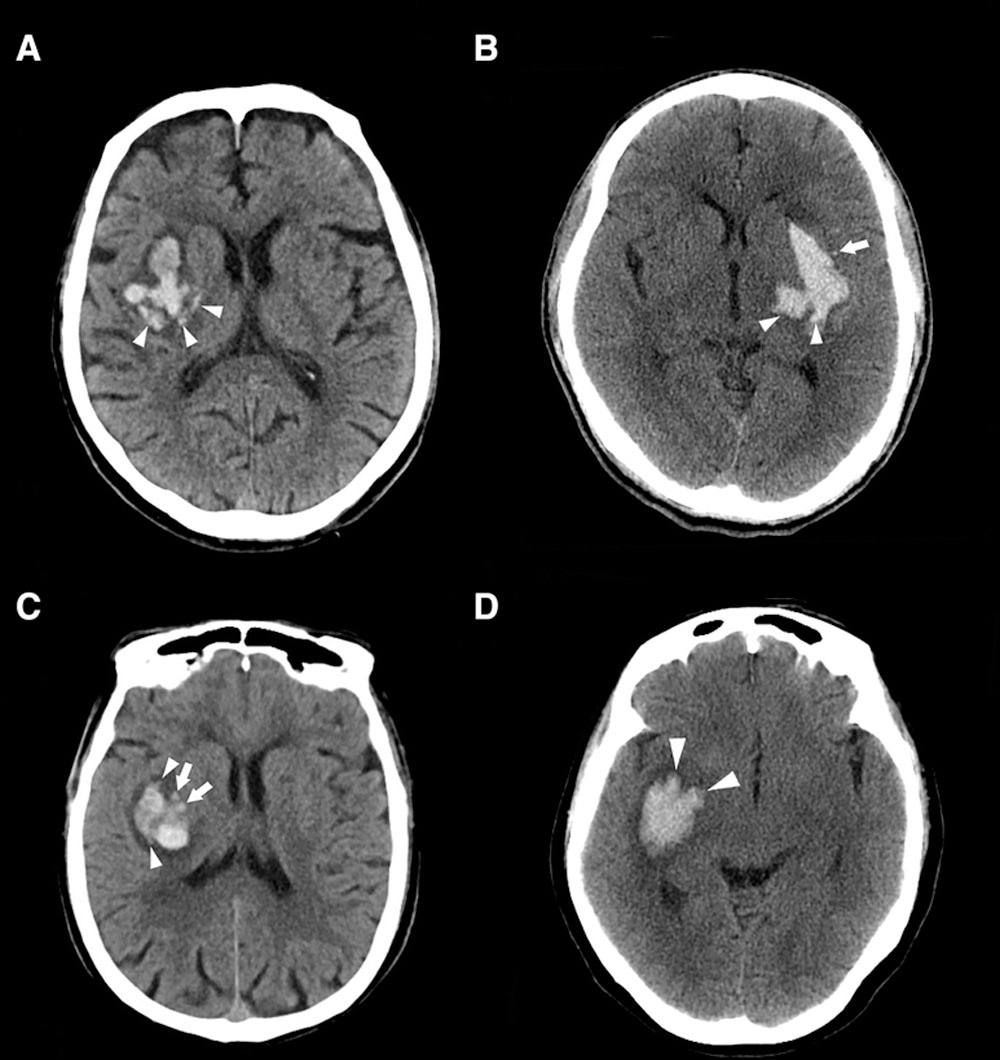
ICH signs
increases the likelihood of hematoma growth in the first hours
CT
(1) Black hole sign
(2) Island sign
(3) Blend sign
CTA
(4) Spot sign
Source: @StrokeAHA_ASA@GreenJournal@Radiopaedia