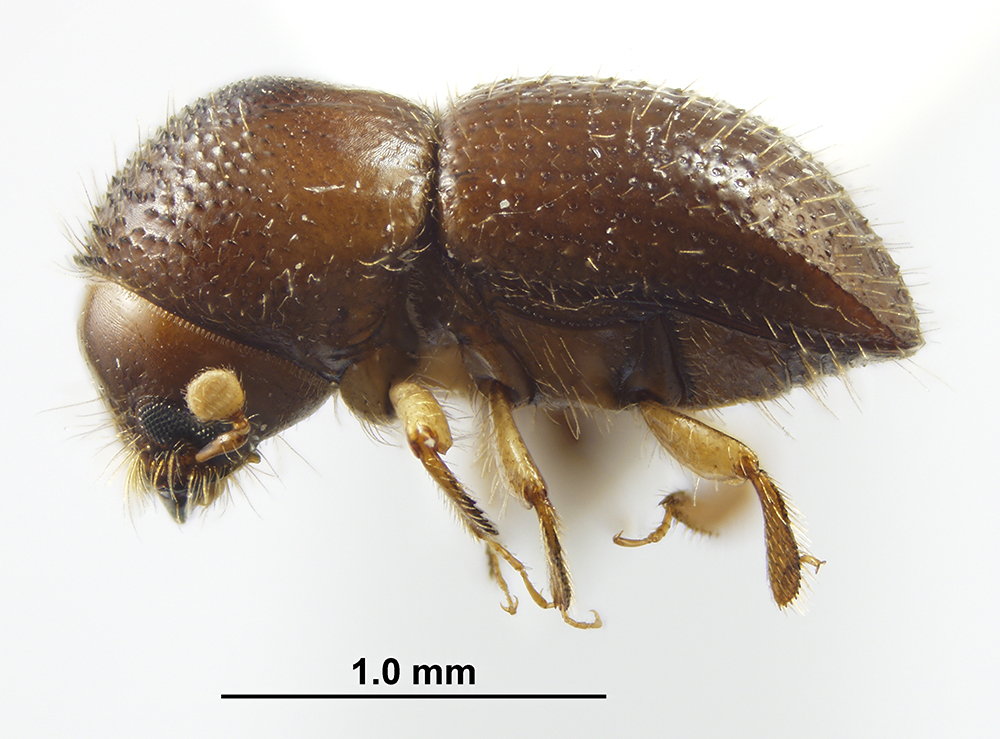
ANNOUNCING a petition for a Congressional hearing to prevent the importation of forest pests, like the Asian longhorned beetle and others. Our forests can't afford another destructive stowaway! Sign the petition TODAY & #StopForestPests https://t.co/Exh2nk0bT8
Forest Pest Action Alert!
Please urge your representative and senators to co-sponsor bills H.R. 3174 and S. 1238 and incorporate them into the 2023 Farm Bill. More information and a list of Congressional Representatives can be found here: https://t.co/Pd1TbVb7yM
@GabrielPopkin@emily_lavely The full host range of this pest isn't that well known yet, but it definitely attacks more than just maples. But with regard to "rebalancing" the forest, if it manages to knock back its primary host Ailanthus (Tree of Heaven), that would be a positive thing.
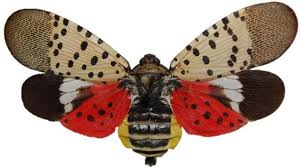
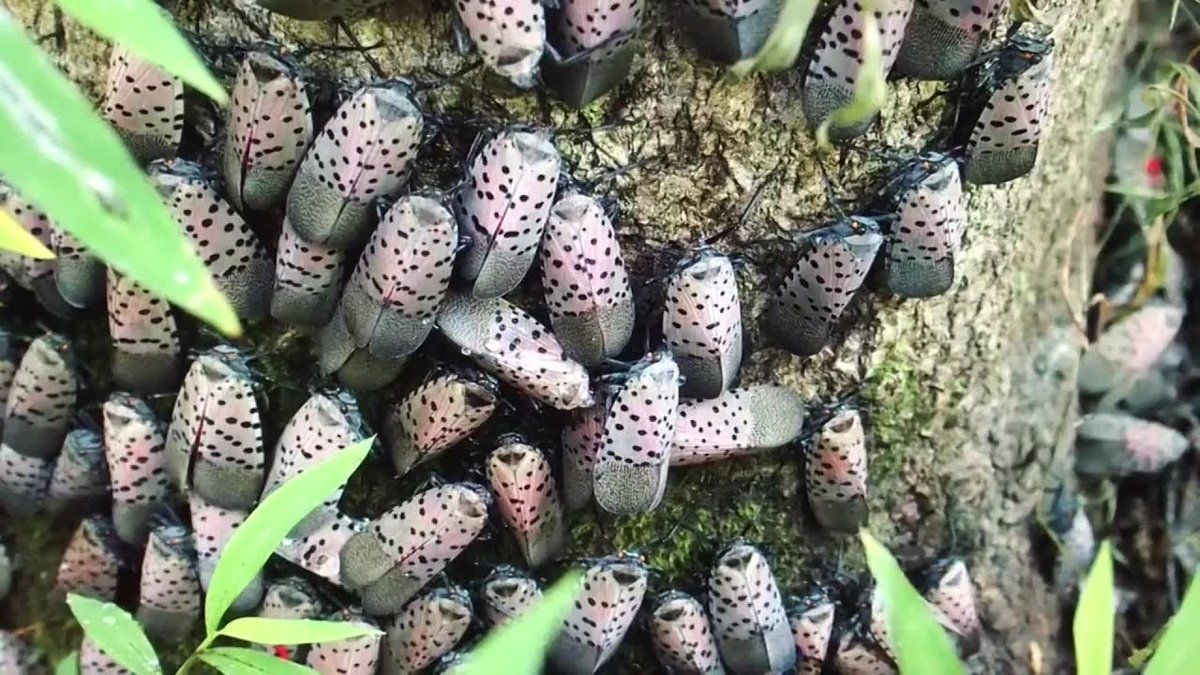
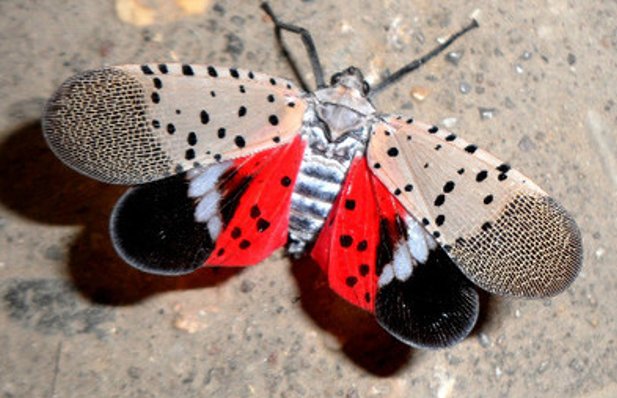
Spotted lanternfly has serious impacts on apples and grapes, but we haven't heard much about its effects on native trees. This new study by @emily_lavely and colleagues shows that heavy infestations can cause significant growth reduction in maples.
https://t.co/2wt21uDMV7
Glad to finally see this recognition of the plight of whitebark pine. One of the major reasons for its decline is the white pine blister rust, an invasive disease.
🚨 Breaking News: @USFWS has listed whitebark pine as threatened in the U.S. This landmark listing provides critical protections & raises public awareness of restoration efforts. Read our full press release applauding this decision. #SaveTheWhitebarkPine https://t.co/hZObNf8aok
The NY Times put the Spotted Lanternfly on its “Most Stylish” list. @ISHB_update thinks shot hole borers deserve to be on the list. Sure, they are cute in their own way, but they are out of their league in this competition. Vote in our Prettiest Pest Poll (see photos in thread) :
"If looks could kill, as they say. Sadly, these ones do."
Spotted lanternfly makes the NY Times "Most Stylish" list.
93 Most Stylish ‘People’ of 2022 https://t.co/PESzHiu7nK
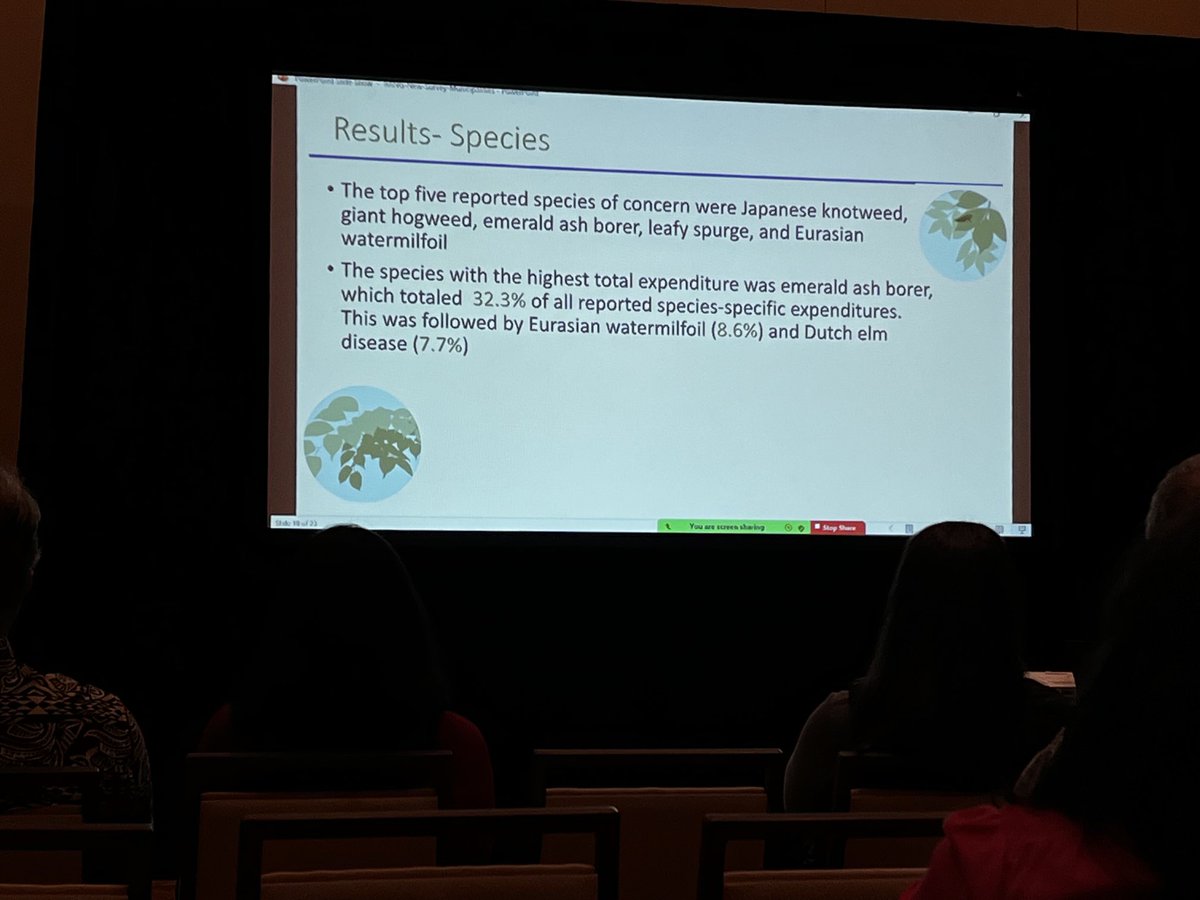
The emerald ash borer is not just an ecological disaster, it's also a cultural disaster. #foresthealth
Ash Trees Are Vanishing. So Is a Basket Maker That Has Depended on Them for 168 Years. https://t.co/imPttAnAaM
A new method to improve surveillance for Hemlock Woolly Adelgid. This allows you to sample the air in a forest and then analyze DNA to see if HWA is present. #foresthealth
The short answer is no, they can't be stopped, but we may be able to manage them with biological control. On the other hand, if we have the political will, we may be able to stop the NEXT invasive forest pest from getting into the country.
@onetreetwotrees@GaryLovett1@usfs_srs Great! It would be interesting to see if there is any invasion meltdown from losing so many species, or if the resilience of the forest is such that it just keeps humming along. Having said that, I have no idea how you would measure it! You have the skills to try to figure it out
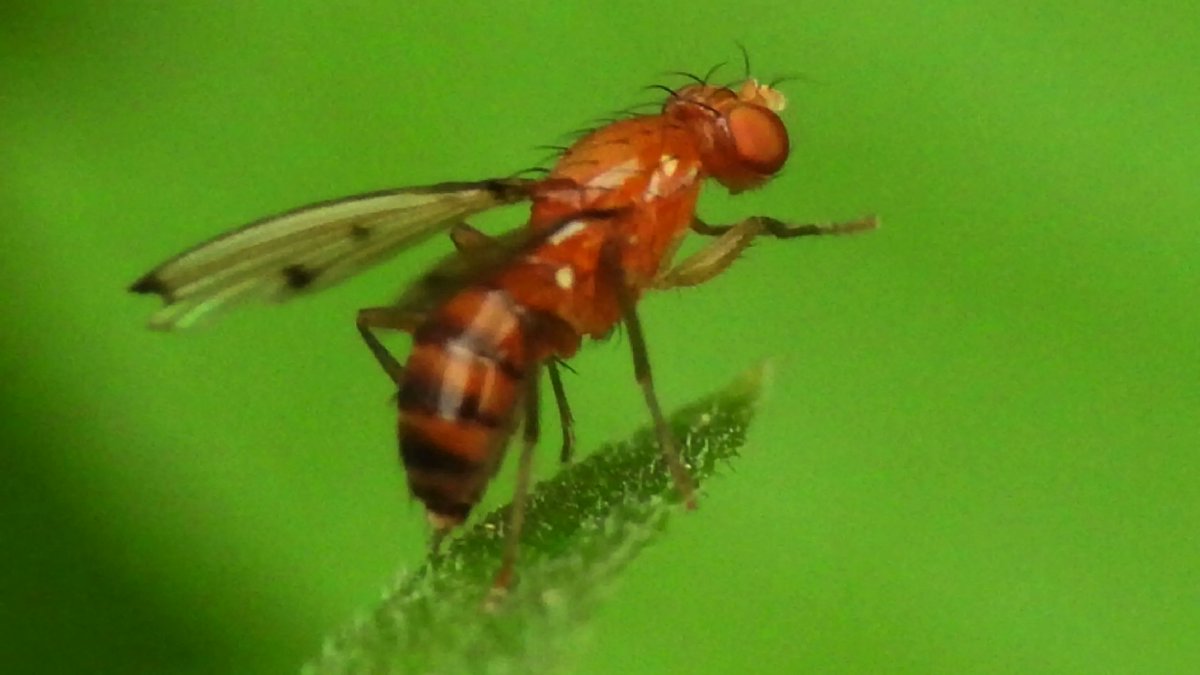
Invasive forest pests are known for killing trees outright, but here's an interesting twist. The spotted-wing drosophila damages native tree fruits, causing early decay and reducing the fruit available for birds and other animals. #foresthealth
https://t.co/gZS2HSrL4t
Nice blog by Faith Campbell on an introduced root disease that is impeding efforts to restore American chestnut.
It doesn't do much good to breed trees resistant to an insect/pathogen unless we also stop new pests from entering the country. #foresthealth
https://t.co/dSGfztuelB