TGIF, let's BOOOM🔞✅
Play on 1XBET 🥂🙌
Global Booking codes👉 AJAX8 - 9XDX8 - UB7YRN
Register here if you don't have acct. 👉
https://t.co/cpNB75ULth
Use Promo code : CWIN1X
And get 300% Bonus on your first Deposit.
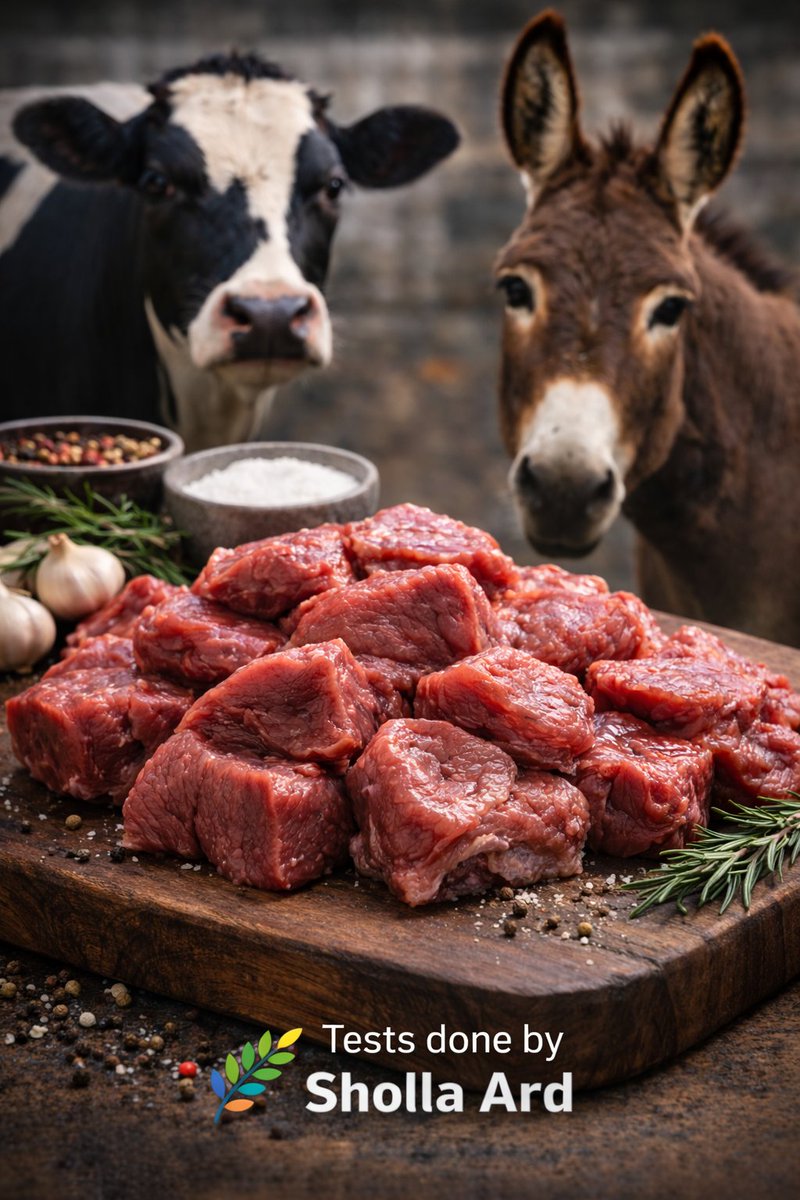
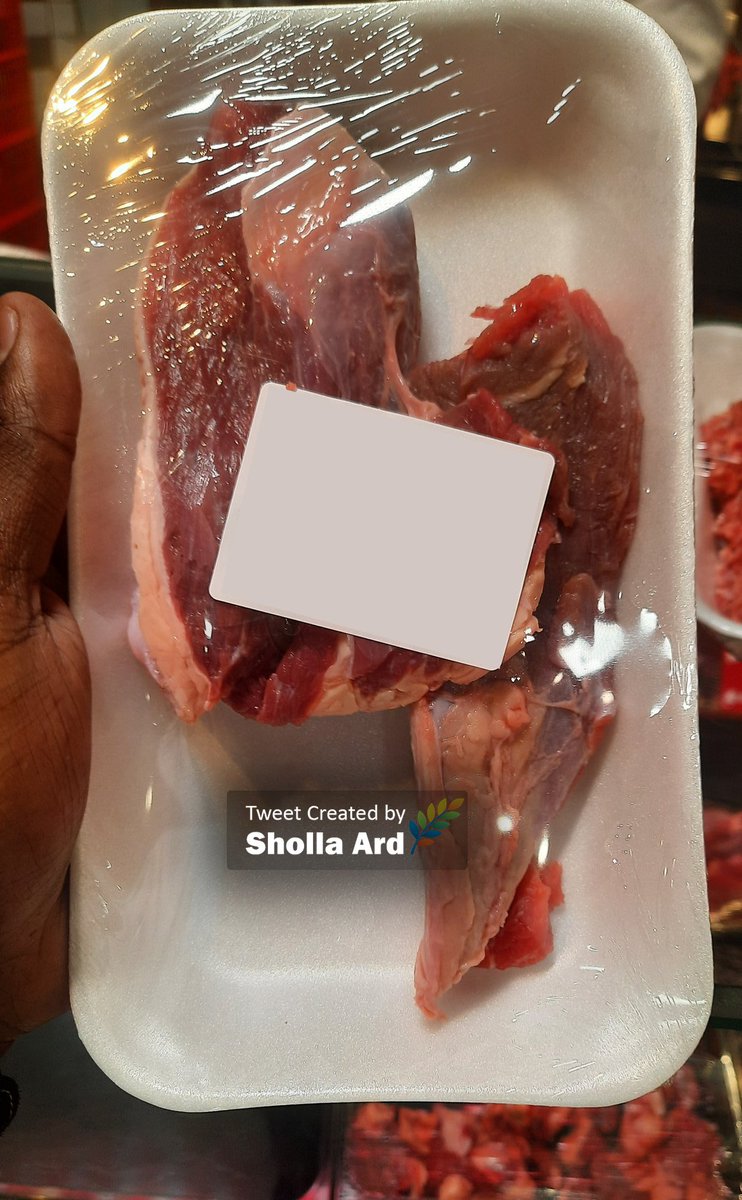
As promised on Friday, we proceeded with laboratory testing of meat samples to verify whether they were truly beef or donkey meat.
Following requests from many people, we collected samples from several locations across Nairobi, including Bama Market, City Market, Pipeline, Ngong, and Githurai.
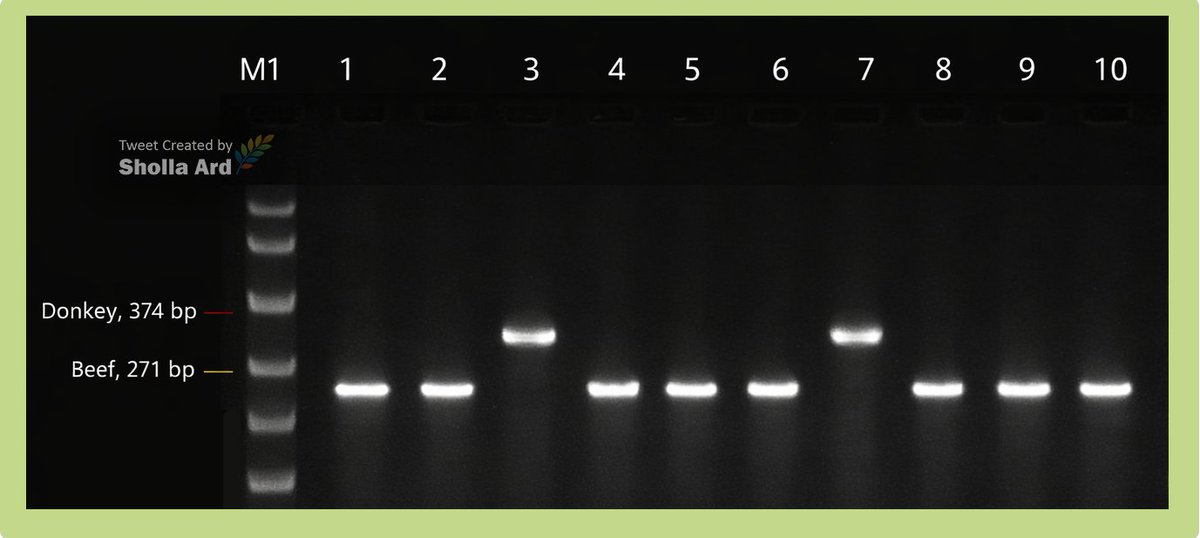
The results shown below in image 3 are a snippet from the first batch of 10 samples tested.
Using PCR species identification, 2 samples tested positive for donkey meat.
These were Sample 3 and Sample 7 (~374 bp band).
One sample originated from Ngong, and the other from Pipeline.
So far, across the 20+ samples tested, approximately 6 samples have tested positive for donkey meat.
We are compiling the full report, which will be shared tomorrow or by Tuesday at the latest.
Thank you to everyone who supported this effort through our till number and helped make the testing possible.
Stay tuned for the next update.
For those unfamiliar with PCR gels:
The higher band (~374 bp) indicates donkey DNA, while the lower band (~271 bp) indicates beef DNA.
Holy sh*t.
Stop what you’re doing. Give yourself 3
minutes. Listen to this.
Marco Rubio 2015.
He called it.
He called it word for word, like a play-by-play.
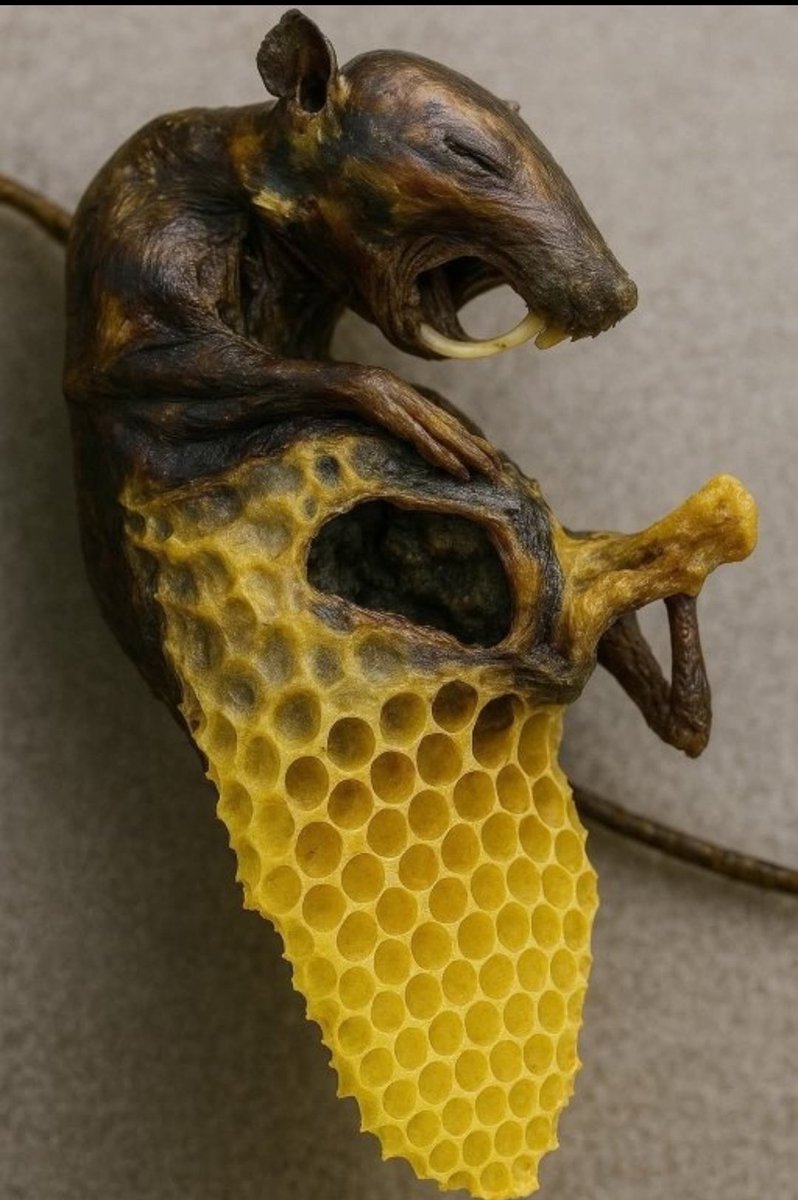
Sometimes a mouse can enter the beehive, attracted by the warmth and the smell of honey. The bees react immediately, defending their nest. They attack the intruder together until it stops moving. However, a problem arises that cannot be solved with force: the dead body is too large to be carried out. If left there, it would begin to rot and could put the entire colony at risk. The bees have their own method to deal with it.
They cover the body layer by layer with propolis, a substance collected from tree resins and enriched with enzymes produced by the bees themselves. Propolis has antibacterial, antifungal, and preservative properties. It isolates the intruder’s body, preventing odors and decomposition, protecting the inside of the hive from diseases.
This is one of the most extraordinary examples of hygiene in the insect world. The impossibility of removing the danger does not mean giving up: the bees simply neutralize it, maintaining order and balance within the hive.
@akinwale_cfi@adekunleGOLD@Millishield01@woye1