Another wave of Canadian wildfire smoke is descending across a wide swath of the northern and northeastern U.S. Monitor your air quality using the Fire and Smoke Map (https://t.co/5ZUSgEcveh) developed by @EPA and @forestservice.
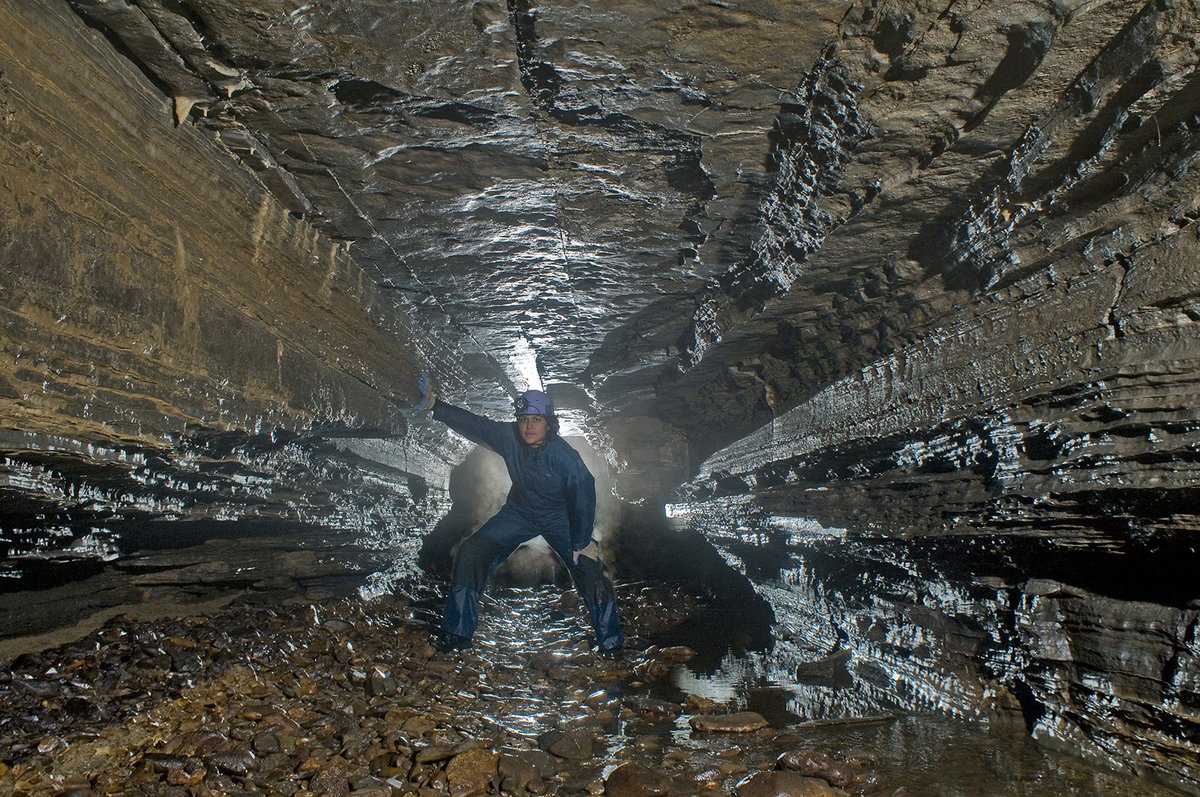
Happy #CaveWeek!
Order FREE copies of our Caves and Karst journal!
This journal examines research on white-nose syndrome in bats, karst forest areas, cave use of an indigenous tribe of Alaska, and the geologic difference between 2 different caves.
https://t.co/GlsbTmZ7JC
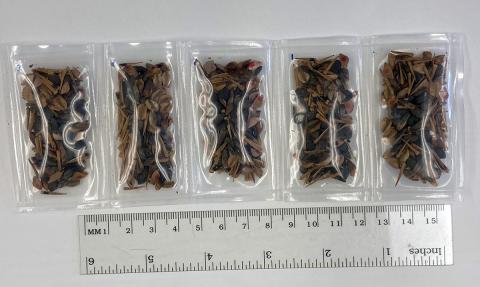
#ICYMI- Here is a link to the 1st episode of Moon Trees LIVE 2! https://t.co/nfqIvOQazd Learn all about what happened when the Moon Tree seeds returned to Earth! @forestservice@treesearch@treesearch@NASASTEM
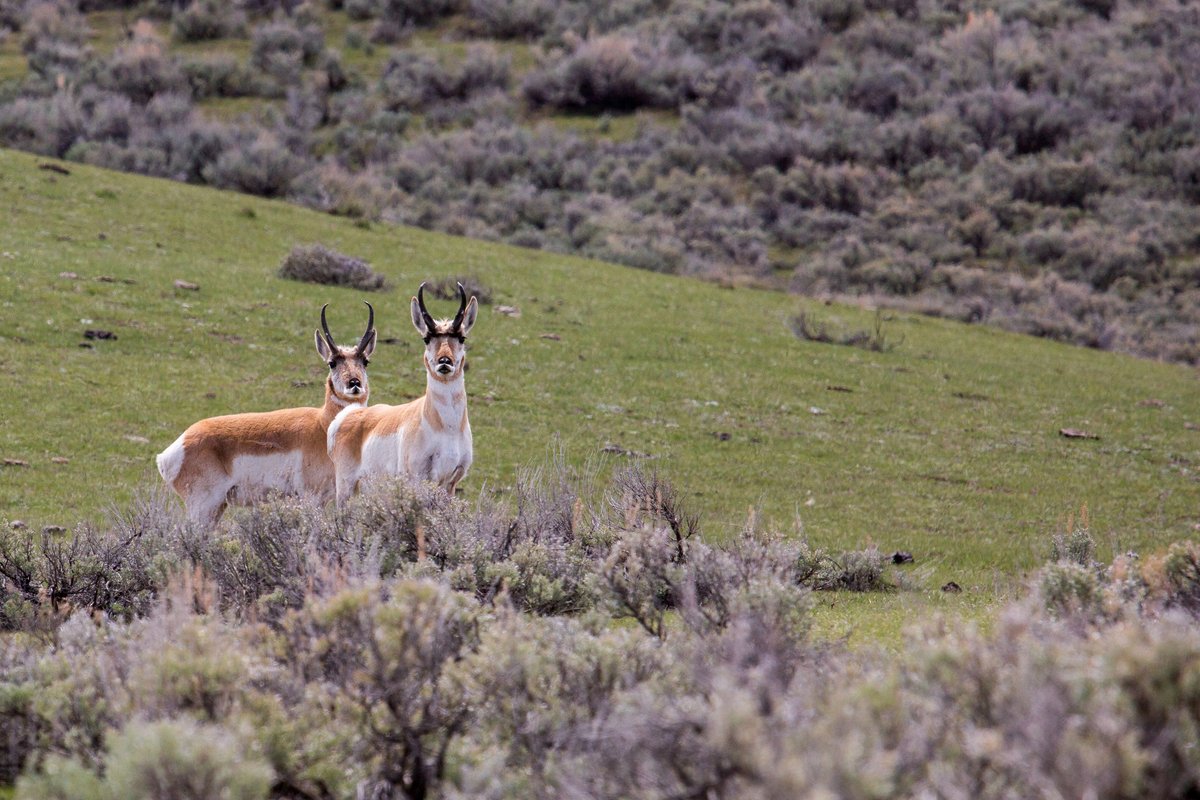
Rapid climate change, expanding invasive species, altered disturbance regimes and expanding vegetation management in the Great Basin are likely to have complex and interactive effects on a wide range of native wildlife species. Learn more: https://t.co/ssOWcKXsCD
🎉🌳
Congratulations to IITF’s very own Dr. Tischa Muñoz Erickson on becoming co-PI of the newly announced Caribbean Climate Adaptation network funded by NOAA.
We look forward to seeing the results of this amazing project!
For more Info visit:
https://t.co/imRxtLuEPN
🌕🌳Moon Tree seeds have landed on Earth 🌲🚀
Learn how Forest Service scientists are investigating the ways space travel may have affected these seeds, and what the future holds for this generation of Moon Trees: https://t.co/MAgf12bsT6
Calling all teachers and friends of outer space! Join us every Friday in April for Moon Trees LIVE 2. Learn about Moon Trees, seed viability, Orion's splashdown, germination, & more! Send in questions by commenting on the videos - live Q&A on April 28th! https://t.co/SFEV7IsDgU
Have you ever thought of building a wood tornado shelter of your own? This #DIYDay you can do just that in six steps, with the #ForestProductsLab as your guide! Forest Products Laboratory - USDA Forest Service #Tornado#Safety https://t.co/dD0jMSAk88
At the nexus of art and science, LA artists and the Forest Service come together to display the impacts of wildfire and drought on the Southern California community. https://t.co/q7826gRZD6
Warmer and drier climate conditions in the western US are limiting the ability of conifer forests to regenerate after wildfires. The next decades will offer a critical window of opportunity for management interventions to minimize additional forest loss: https://t.co/39M2b0YaoY
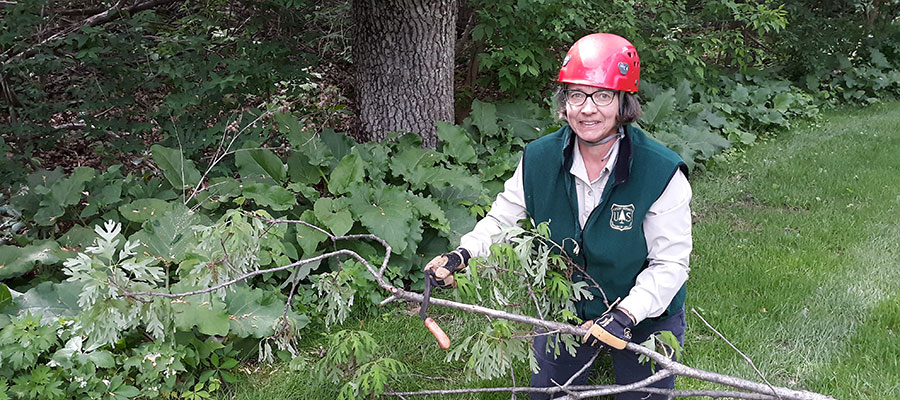
Research plant pathologist, Jenny Juzwik, conducts studies on diseases of trees that impact forest health and productivity. Listen to the latest episode of our podcast Forestcast -Season 3, Ep. 7 - Listen and subscribe: https://t.co/nNacNNrKBV…
#WomenInSTEM#WomenInScience
Let's go! PNW’s Forest Inventory and Analysis program starts its annual forest census today. Field crews will collect forest data on state, federal, tribal, and private lands across OR, WA, and CA that helps assess forest health and inform management - https://t.co/nxDmrJhAwJ.
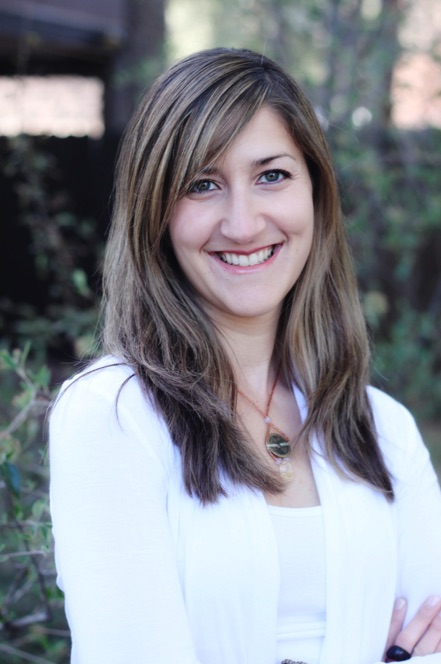
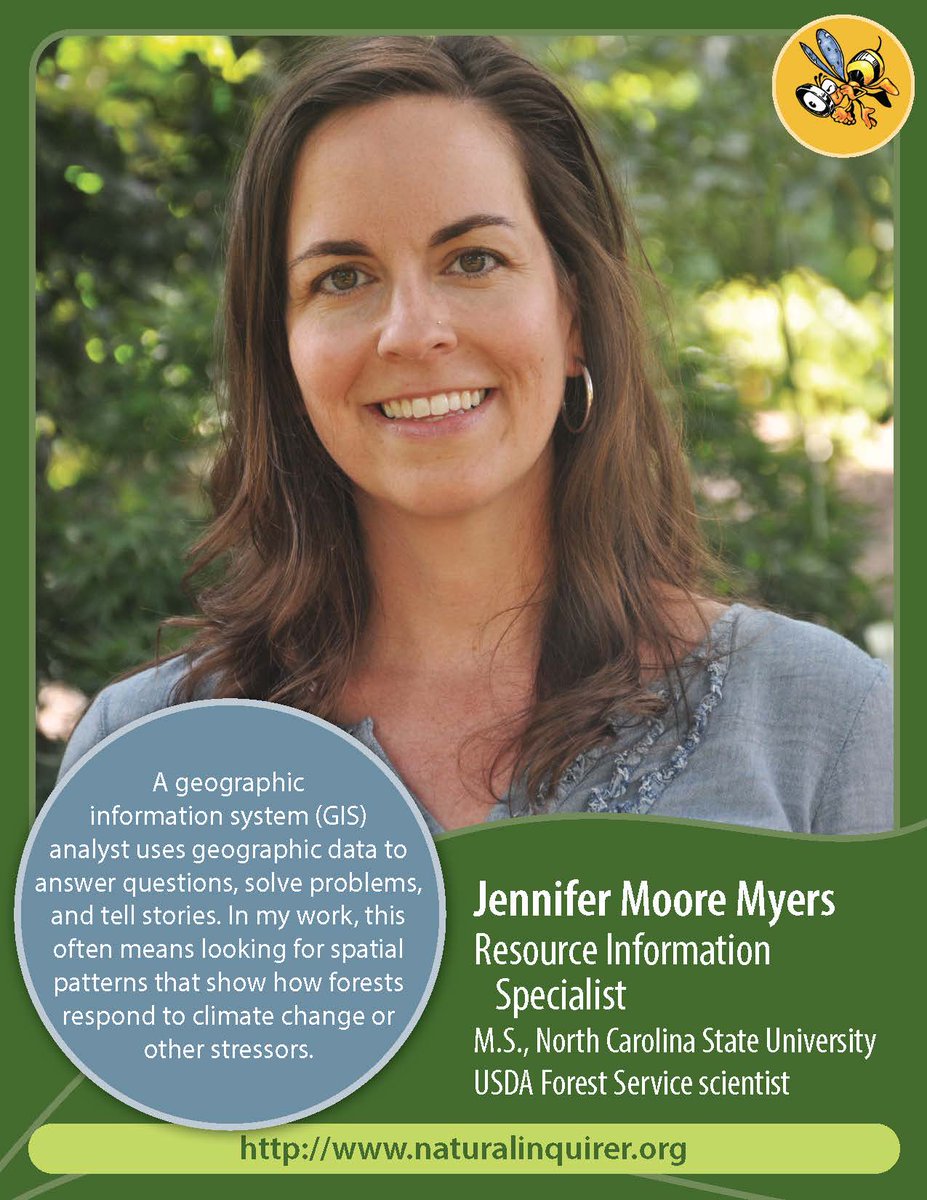
“I grew up in the Midwest, exploring its forests, fields, lakes, and rivers. I feel at home in the woods.”
As a @usfs_srs resource information specialist, Jennifer Moore Myers uses geographic data to answer questions, solve problems, and tell stories.
@naturalinquirer
Tune in to the #SCIENCEx Assessments webinar today at 2pm EDT to hear @usfs_srs researcher Thomas Holmes and his colleagues talk about Ecosystem Services, Risks, and Benefits.
Register to join: https://t.co/2gPBxnWPJ6
Learn more: https://t.co/RNAa7zvRm6
A new episode of the Forestcast podcast is out today with @forestservice New York City Urban Field Station Research Social Scientist Lindsay Campbell on The Nature of Stewardship.
Listen and subscribe
https://t.co/MHREfu7Asq
Since 1993, the #ForestProductsLab has studied ways to use woody biomass like small-diameter trees and standing dead trees. Biomass can be a major contributor to catastrophic wildfires, but it can also be used in many innovative ways. https://t.co/kG6Xf367Fl