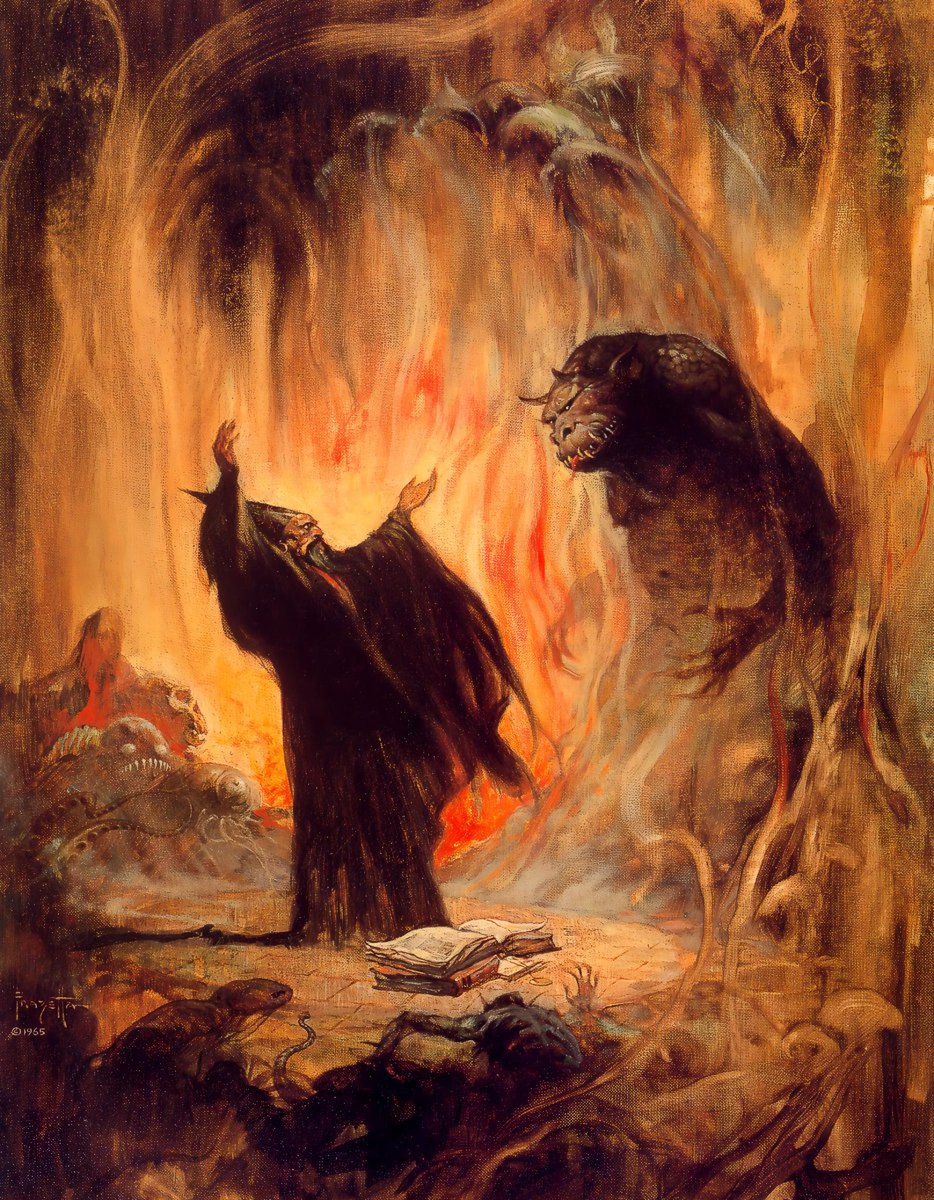
PKD's Vulcan's Hammer, written in 1953, has never been more relevant.
It's a warning against AI technocracy and those who would force it upon us. It's Frank Herbert's Butlerian Jihad.
Don't let an AI think for you, choose for you, & don't make an AI your president/overlord.
C.S. Lewis, in reviewing the Fellowship of The Ring, said myth hits you where you live most.
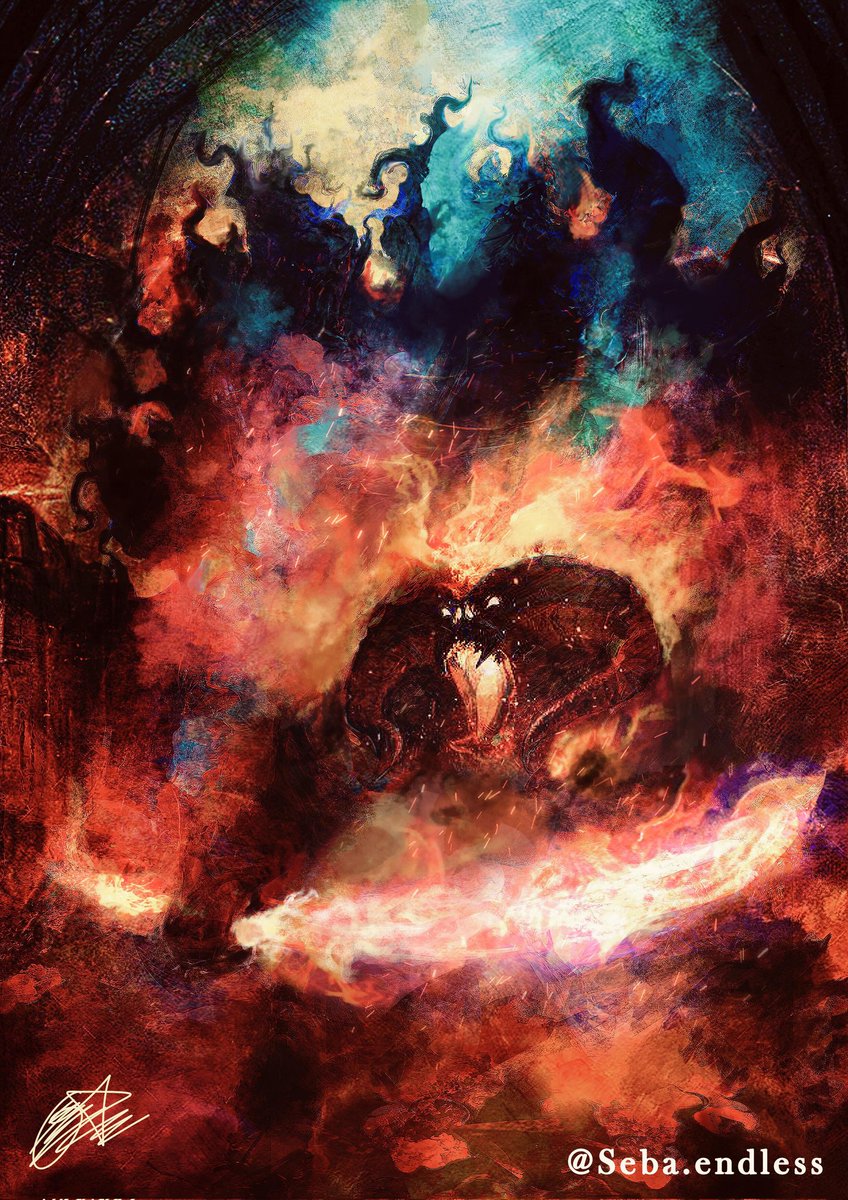
Durin's Bane may hit you differently than it hits me.
I like the straightforward lesson about occult knowledge: dig and you may find mithril, but keep digging and you'll find a demon.
What's the lesson of Durin's Bane, the Balrog of Morgoth?
The dwarves dug too deep in the mines of Moria, awoke an ancient evil from a previous age. It was their doom.
Tolkien didn't like allegory, but he did like myth and protreptic stories.
What's the deeper lesson?
Batman TAS in 1992: "Hey don't make HARDAC (a massive AI system). It will replace human beings. People will even be confused about whether or not machines can have souls"
Tech folks today: "Our HARDAC's better at replacing humans than theirs! It may even be conscious already!"
Can someone ever be too wise?
Apparently the guy who coined the term 'wizard' thought so.
wys/wis = wise
+ -ard suffix, which is an intensifier with negative connotations (drunkard, dullard, cowards, braggart (art = ard))
Wizards are too wise for comfort--excessively wise.
Guy Ritchie's Sherlock Holmes: A Game of Shadows, his adaptation of "The Final Problem" by Conan Doyle, is perfect.
There are many clever and power elements but most importantly he nailed what Tolkien nailed with Gandalf & The Balrog: the hero lays down his life to remove the ultimate threat to his friends. Greater love has no one than this
Holmes and Gandalf both resurrect, leaving their enemies in the grave.
It's the Christ archetype and the Christian ethic. It's meant to be embodied by all of us every day.
Not "your life for mine" but "my life for yours".