Those preparing for UPSC CSE 2027 should not miss these detailed PIB articles. Save them in your bookmarks for future reference..!!
1. PRAHAAR, India's National Counter Terrorism Policy: https://t.co/BNvtobZShh
2. Mission Poshan 2.0 : https://t.co/vdLy2pG3xS
3. India’s Labour Reforms: https://t.co/HpoWMJ8NBV
4. Online Gaming Governance: https://t.co/AMPVUuKnB7
5. Online Gaming Rules 2026: https://t.co/PRfbv59qYw
6. Census 2027, India’s First Digital Enumeration Exercise: https://t.co/6ySoZJvfQs
7. VB-G RAM G Act 2025: https://t.co/P6yrEIM9Gy
8. Minimum Support Prices (MSP): https://t.co/wC28BUj252
9. Third India-Nordic Summit: https://t.co/mNxfSZrvRn
10. AI Impact Summit 2026: https://t.co/bE8GYdvWOs
11. India’s Insolvency Framework: https://t.co/lAvvg6toH6
#UPSC #UPSC2027 #UPSCPrelims2027 #UPSCMains
UPSC invites applications from eligible candidates for direct recruitment to various posts.
🧑🎓Detailed Special Advertisement No. 52/2026, along with instructions to the candidates, has been uploaded on the Commission’s website https://t.co/SicFnyQKbM
🧑🎓Interested candidates can apply through the Online Recruitment Application portal https://t.co/JX9iDExJOt from 22nd August, 2026 to 11th September, 2026
#UPSC
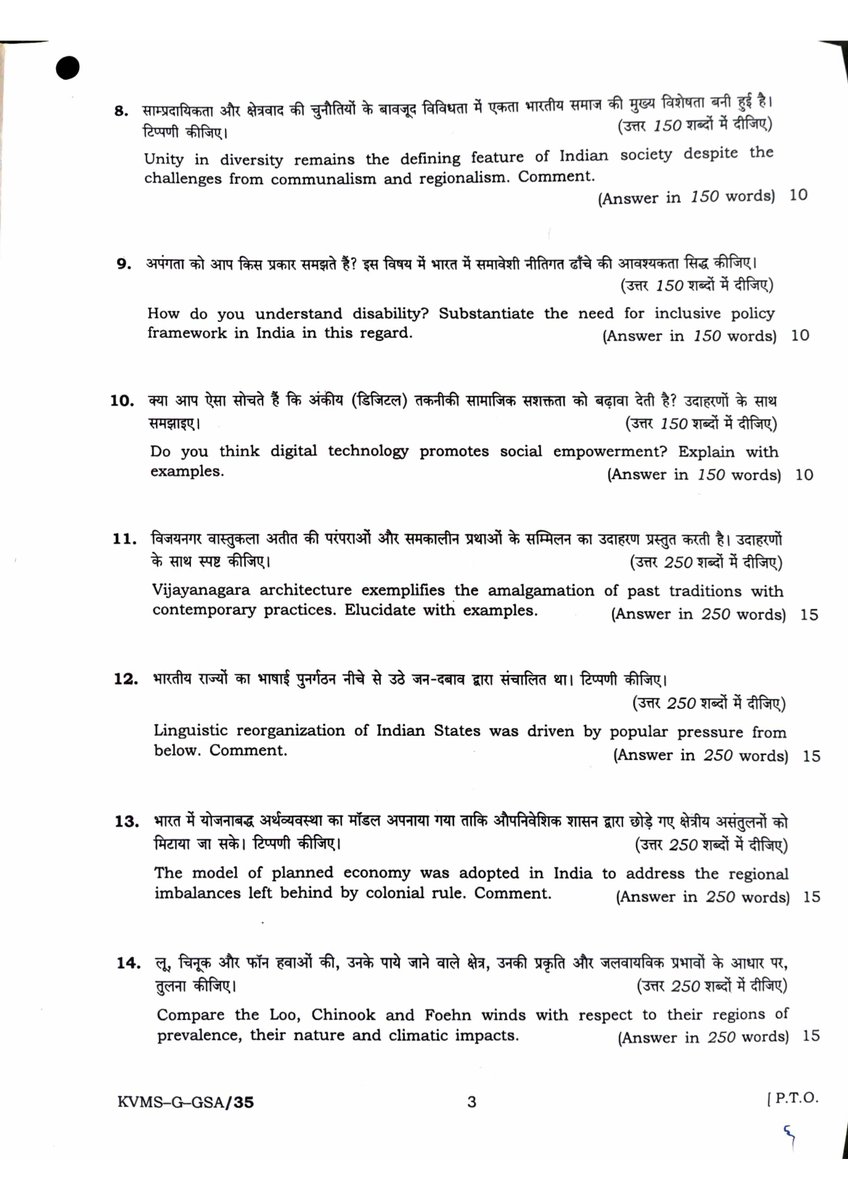
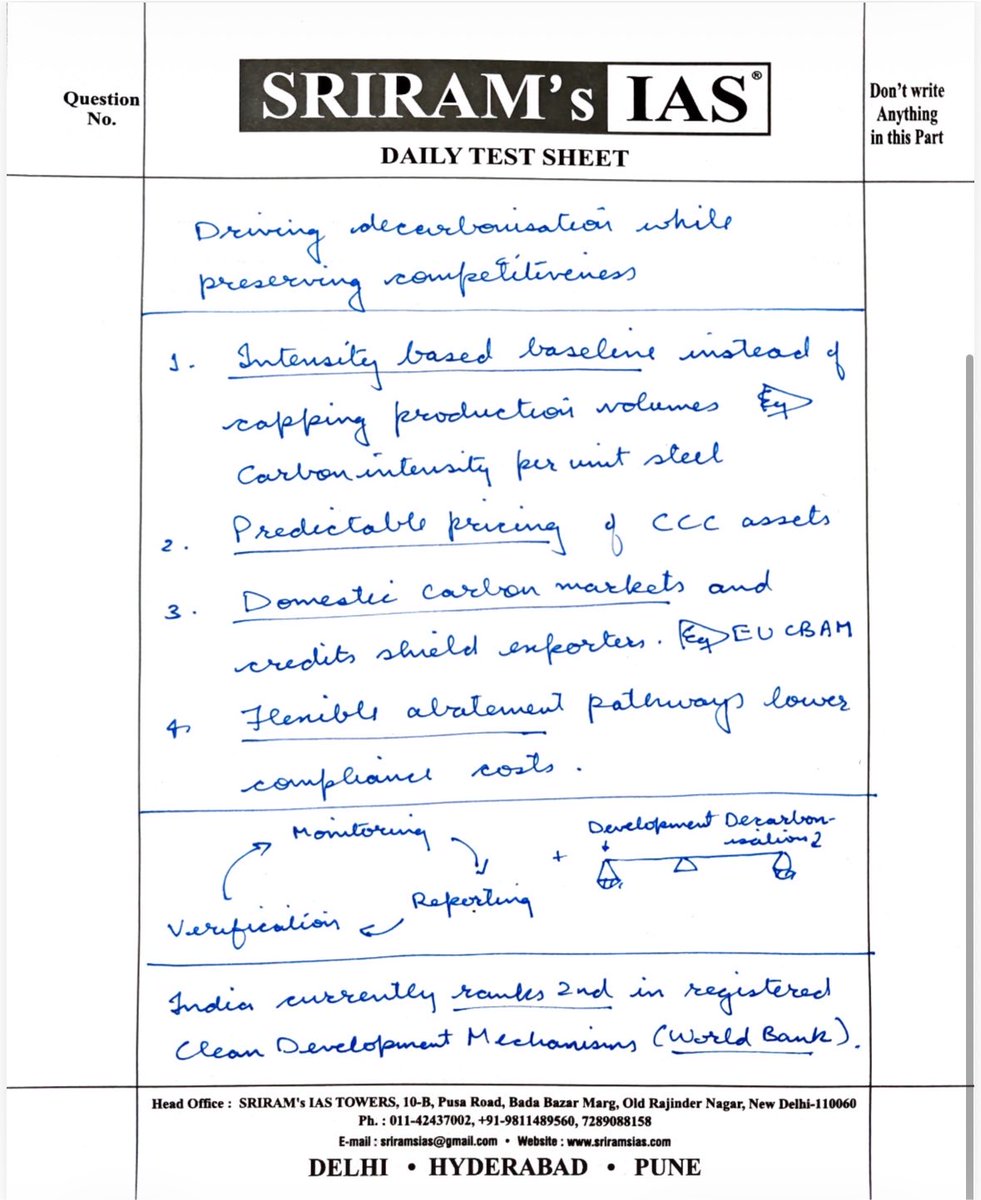
Today's GS 3 paper.
Questions are from diverse topics and all are not so much difficult.
But, writing skills and descent knowledge is key to get maximum score.
UPSC CSE ESSAY PAPER 2026
📙SECTION A
1. Oxymorons reflect the ironies of life.
2. A grateful mind is very beautiful.
3. A thorn is a changed bud.
4. When two elephants fight, it is the grass that gets trampled.
📙SECTION B
1. Nature is the symbol of the spirit.
2. A well-educated mind will always have more questions than answers.
3. Shelving hard decisions is the least ethical course.
4. A good leader is one who follows the followers.
#UPSC
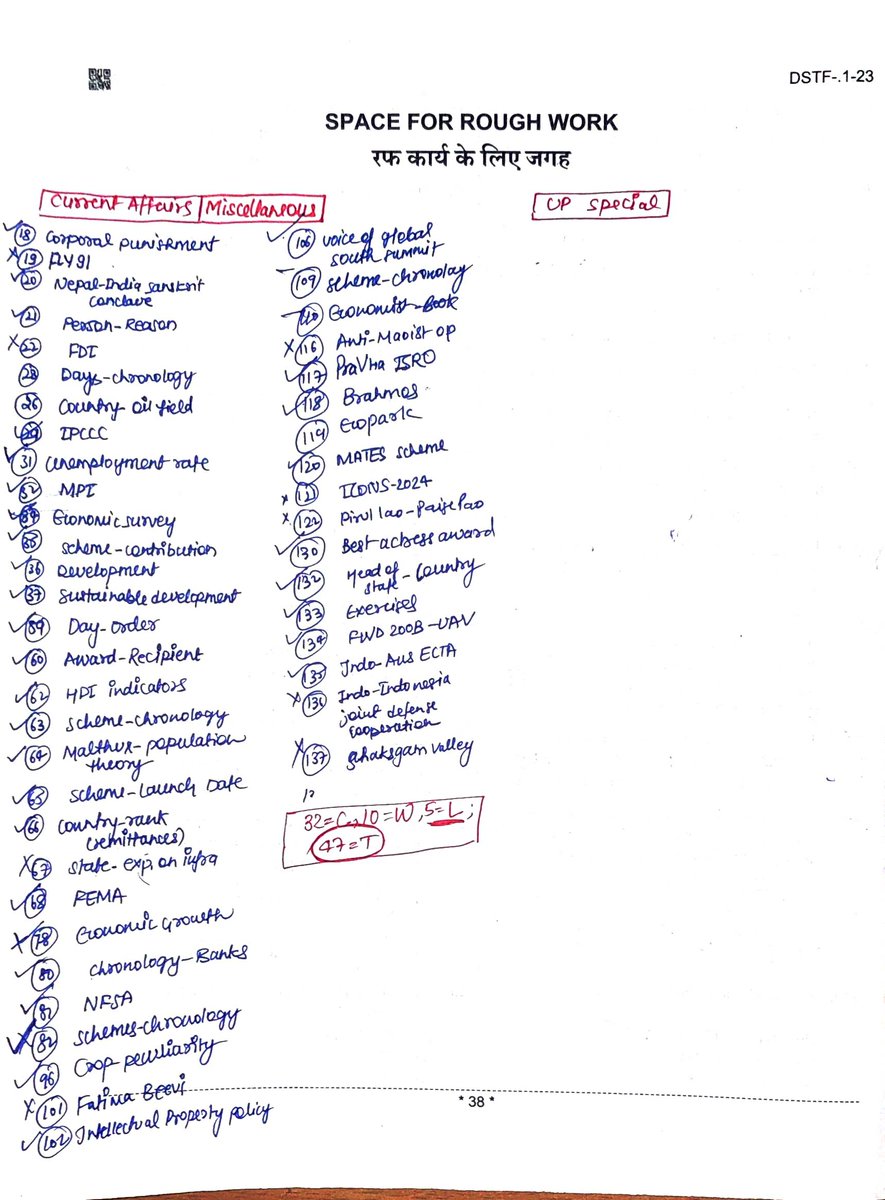
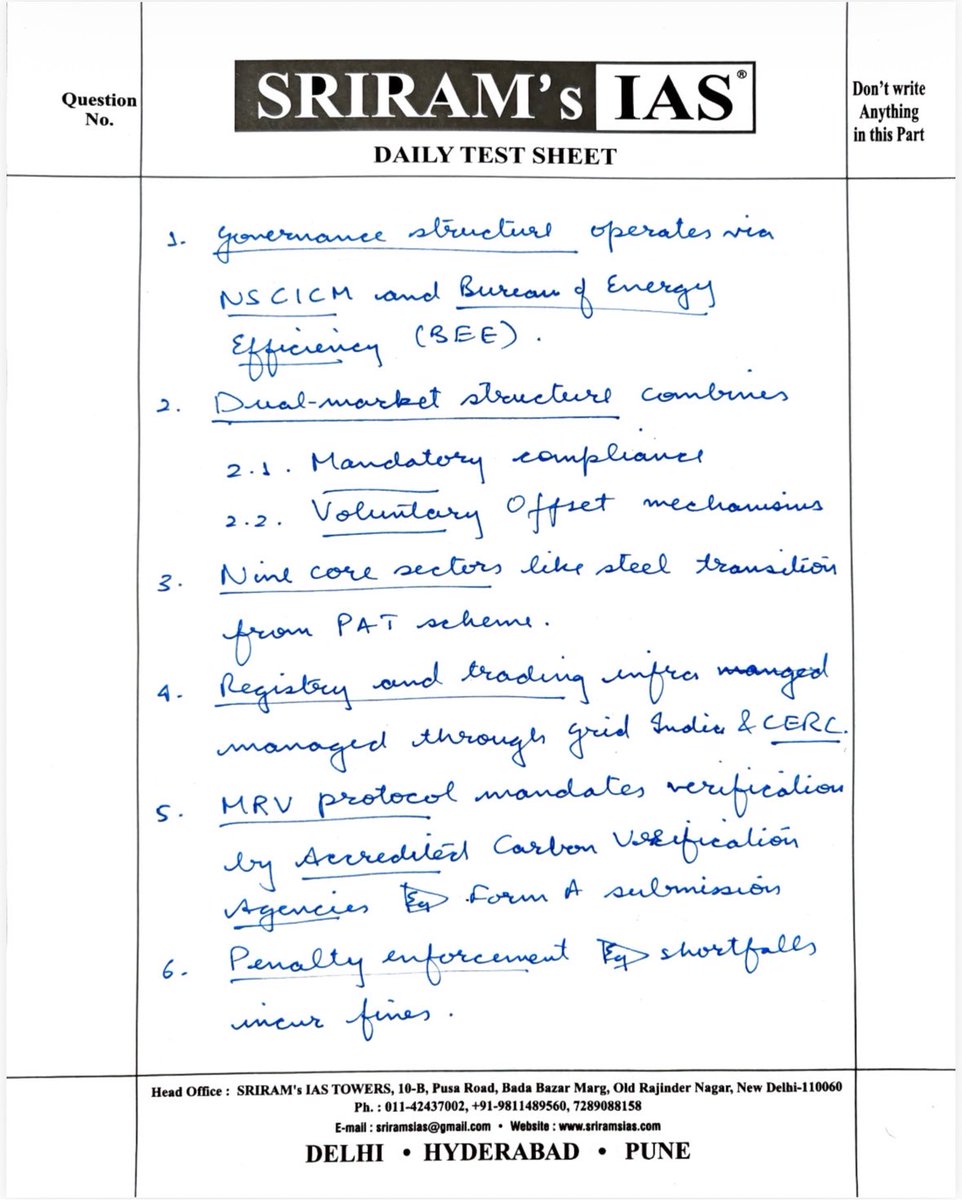
PYQ Analysis: UP PCS Prelims
Step-1: Print last 3 years' papers(2025,24,23)
Step-2: Attempt one by one in real time
Step-3: Segregate Qs-Keyword subject-wise at end
Step-4: Calculate Right,Wrong & Left Qs for each subject
Pic: 2024 Paper analysis,attempted by me!
4. Al-Biruni (973–1048 CE)
- Timeline: Early 11th century CE
- Dynasty in Power: Ghaznavid Empire
- Famous Work: Tahqiq ma li-l-Hind (Researches on India)
- Key Contributions: Al-Biruni’s work is a comprehensive study of Indian science, culture, and religion. His neutral and scientific approach offers a detailed account of Indian astronomy, mathematics, and social customs.
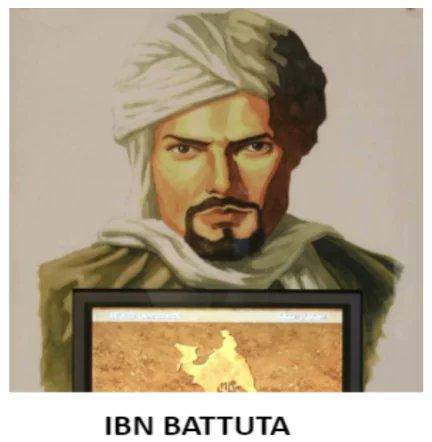
5. Ibn Battuta (1304–1369 CE)
- Timeline: Mid-14th century CE
- Dynasty in Power: Delhi Sultanate
- Famous Work: Rihla (The Journey)
- Key Contributions: Ibn Battuta traveled extensively in India during the reign of Muhammad bin Tughlaq. His accounts cover his experiences in the Sultanate, including court life, urban economy, and social conditions.
6. Niccolò de' Conti (1395–1469 CE)
- Timeline: Early 15th century CE
- Dynasty in Power: Various regional kingdoms (e.g., Vijayanagara Empire)
- Famous Work: Accounts included in the writings of Giovanni Battista Ramusio
- Key Contributions: Niccolò de' Conti provided detailed observations on daily life, trade, and the administration of the regions he visited, including the Vijayanagara Empire.