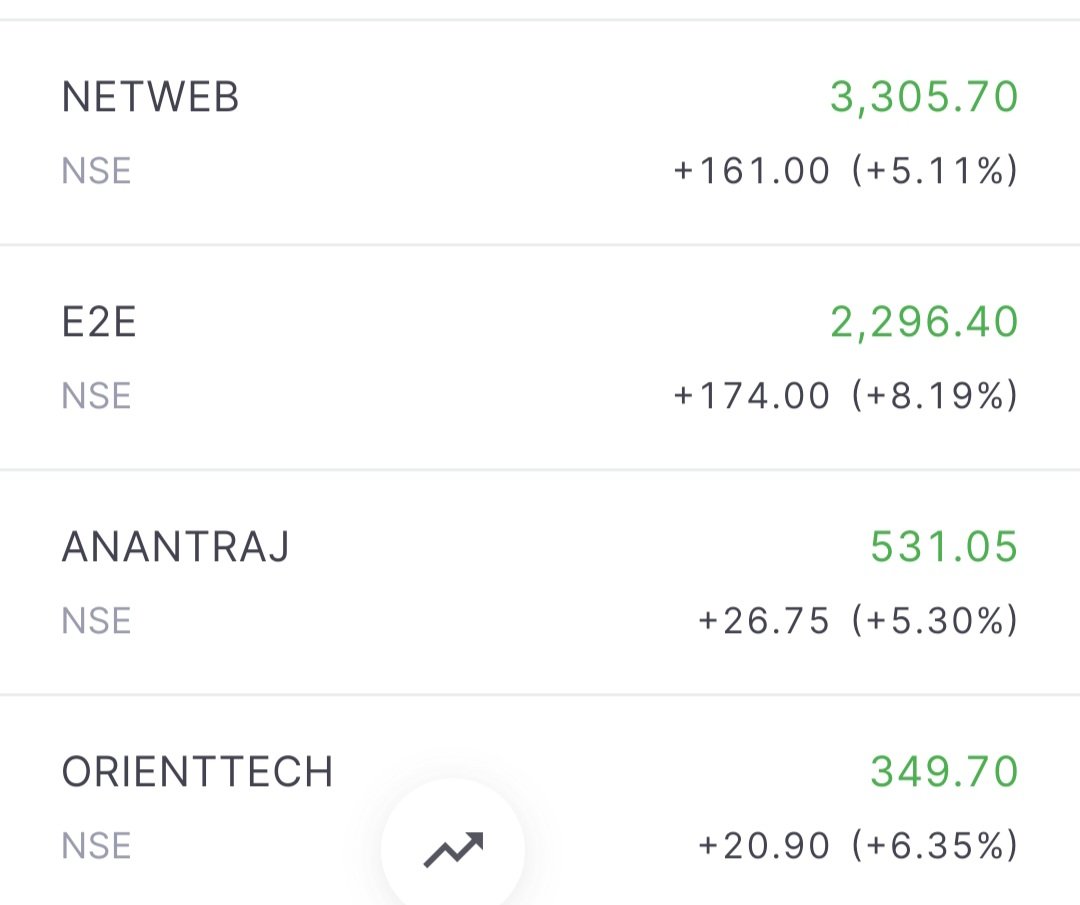
Budget 2026: Foreign companies to get tax-free ride till 2047 for betting on India's data centres
https://t.co/90DDSZasUB
Download Economic Times App to stay updated with Business News - https://t.co/ISG0bT03Xx
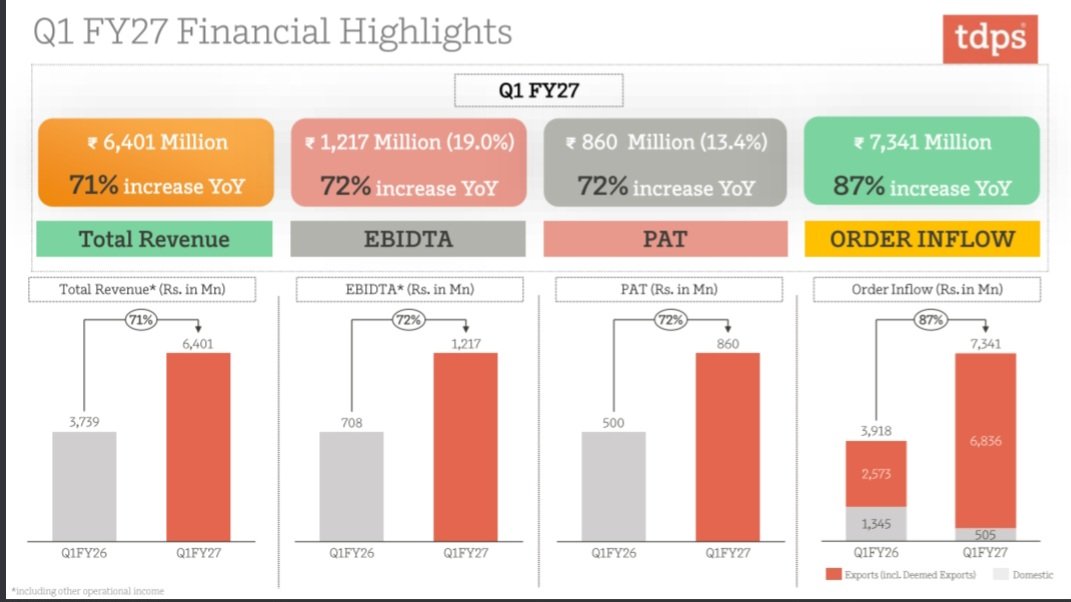
#Syrma has posted outstanding results 👏
#Dixon is losing momentum due to rising competition, and the mobile PLI scheme may fade away.
#Kaynes continues to face trust concerns. All signs point to Syrma might be next winner. Waiting for tomorrow concall.
#EMS
7 Books That Every Investor Should Read
1) One Up On Wall Street by Peter Lynch
One of the simplest reads on investing by a legendary fund manager who lays down the secrets of his successful journey. A book to be read once every two years.
2) Masterclass With Super Investors by Vishal Mittal and Saurabh Basrar
A book that has a curated compilation of in-depth interviews with some of the most accomplished stock market investors in India. The book has several brief case studies of their past stock investments and also covers their investing journey and process. A must read!
3) The Five Rules For Successful Stock Investing by Pat Dorsey
One of the best books for a newbie and professional alike as it helps you to understand the basics of investing along with a breakdown of what works in different sectors and the key things to look for.
4) Bulls, Bears And Other Beasts by Santosh Nair
One of the best books that takes the reader through all the cycles that have happened historically in the Indian markets. A must read for every investor in the country.
5) 100 Baggers by Christopher Mayer
A book that teaches us about the art of uncovering 100 baggers and the secret ingredients that lead to such outcomes.
6) Capital Returns by Edward Chancellor
This book will give you a very good understanding about the capital cycle. It will help you to see the capital cycle playing out in different sectors and thus avoid major losses and book profits at the right time.
7) How To Make Money In Stocks by William O'Neil
This book will help you mix the fundamental approach with technicals and ride the winners. A different perspective for solid learning!
We hope these books add value to your investing journey. Happy Investing!
Falling Rupee: Rising Risks
1. FII Outflows: FIIs hold $800B in Indian stocks. They lost $50B (6% rupee depreciation) in 2025
2. FDI Inflows: Collapsed (Weaker ₹ = Investor ROI Loss in $)
3. $ Loans of Indian Firms: $62B (6% Costlier in 2025)
The Real Story You Should Know:
Why is Indian Rupee the Worst-Performing Currency in Asia?
India’s Current Account Deficit (Imports Greater than Exports)
1. India never built a technology-driven or export-oriented economy.
2. Due to protectionist policy regime, Indian companies have conquered their own market only instead of conquering the world market.
3. Ambani, Adani, Tata, and Birla cannot sell even a pen to the world that is made in India.
Foreign Capital Inflows to India Have Dried Up
1. For a long time, global investors believed in the India growth story.
2. So, our “Current Account Deficit” was always offset by “Capital Account Surplus” due to:
(a) FDI: Foreign investments in Indian business
(b) FII/FPI: Foreign investments in Indian stocks
These both forex capital inflows have now dried up as follows:
Net FDI Inflows
Investments in Indian business:
FY21: $44B
FY22: $37B
FY23: $28B
FY24: $10B
FY25: $0.9B (→ total collapse)
FY26: $7.7B (Apr-Sept, 2025)
Negative FII Inflows
Investments in Indian stocks:
FY22: (-) $19B
FY23: (-) $5B
FY24: (+) $25B
FY25: (-) $15B
FY26: (-) $5B (till Nov.)
NOTE: FII inflows also include participation in IPOs or buying large promoter stakes (as many Indian promoters have been selling out.)
External Commercial Borrowings (ECB) of Indian Companies
1. ECB loans of Reliance, Adani, Tata, Vedanta, JSW Steel, most NBFCs, and PSUs:
FY23: $26B
FY24: $49B
FY25: $62B
2. These companies massively increased their foreign borrowings because the interest rates abroad are cheaper by about 2% to 3%.
Now in 2025 itself, they have lost 6% on both interest & principal due to rupee depreciation. (No borrower is doing sufficient hedging against this kind of risk.)
3. ECB loans are long-term borrowings, so if rupee keeps depreciating, the financial damage of these borrowers will keep increasing.
Rupee’s Decline Was Predicted One Year Ago
On Jan 19, 2025 X post (see the Pinned post in this X account) we quoted the top economist Dr. Arvind Subramanian @arvindsubraman (former Chief Economic Advisor and currently Senior Fellow, Peterson Institute) as follows:
1. RBI's new governor Sanjay Malhotra is a "victim" rather than the "perpetrator" of the currency situation he has been handed over.
2. Rupee's further decline cannot be avoided. The only question is: how much more decline?
3. RBI only has two choices before it: (a) Allow gradual decline of the rupee; or (b) Accept a large and rapid decline
Economic Risks of Continued Currency Debasement
1. FDI Won’t Come to India: Will you invest in a country where continuous currency debasement is going on? Investors put money in the hope that a few years later they can take back fair returns on their investment. But if the returns get eaten away by a depreciating currency, who will invest?
2. FII’s Capital Flight Will Intensify: FIIs have large stakes in the Indian stock market ($750 billion.) They want to preserve their capital and not just watch it evaporate due to a continuously depreciating rupee.
3. Vicious Circle: If foreign capital exits, the rupee falls further. If the rupee falls further, more foreign capital exits.
4. Inflation Risks: A nation whose currency cannot be trusted will not receive investments. That becomes the root cause of inflation because money loses its value. “Inflation is the way civilizations die.” (Charlie Munger)
ENDQUOTE: Government’s Money Printing, Wasteful Spending, Faulty Policies
“The natural course of governments is to make currency worthless over time. That’s the only thing that scares me.” – Warren Buffett at his 60th and final Berkshire Hathaway Annual Meeting as CEO (May 3, 2025)
@arabicatrader
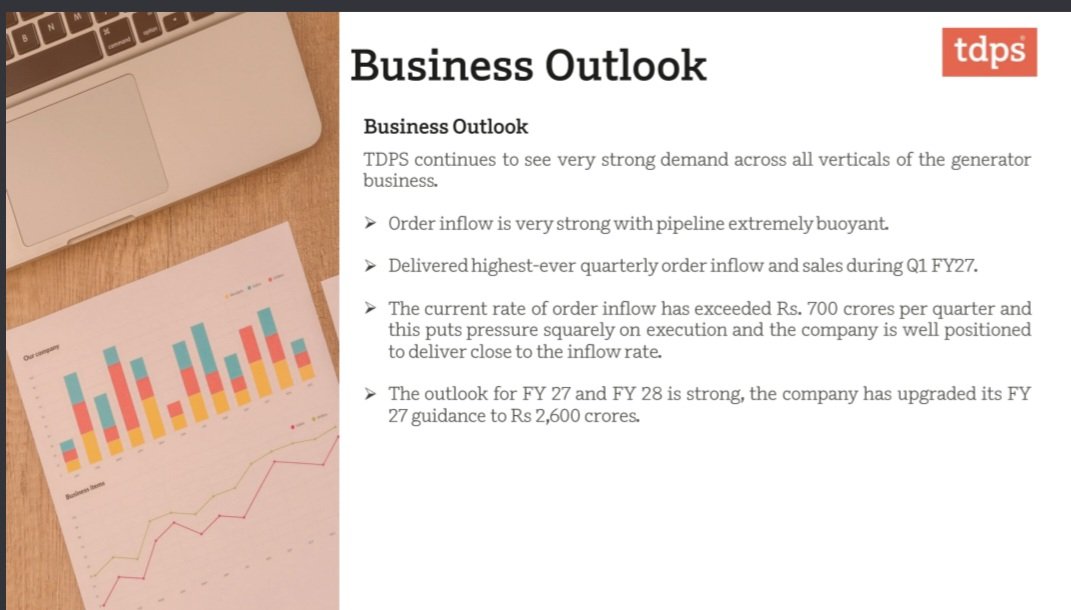
@Sectorsignals Stock may dip, but strong recent orders and strategic wins offer solid future visibility. Valuation is high—and likely to stay that way.
@AimInvestments Stock may dip, but strong recent orders and strategic wins offer solid future visibility. Valuation is high—and likely to stay that way.
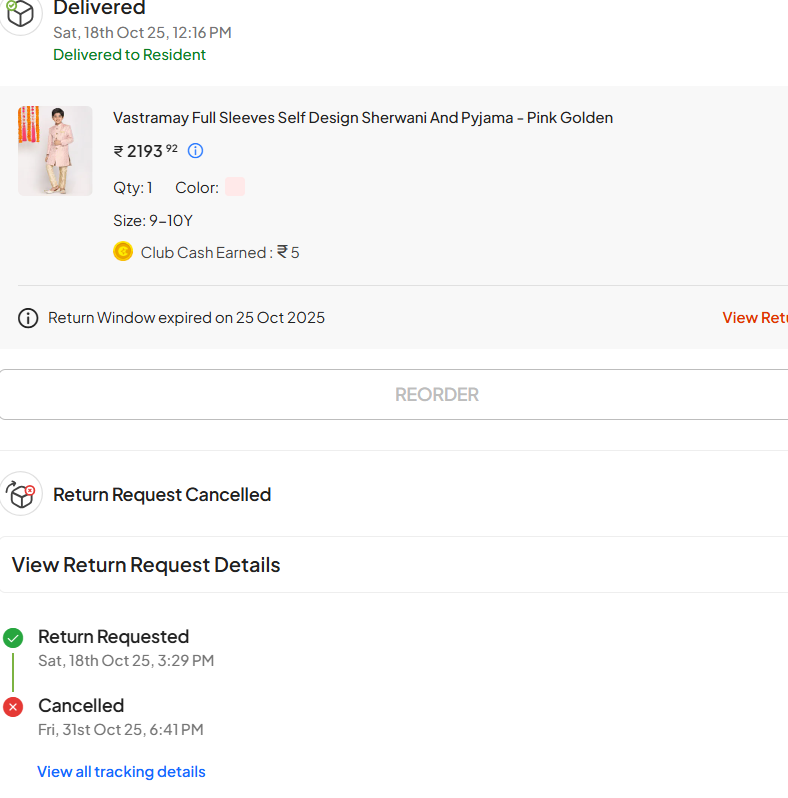
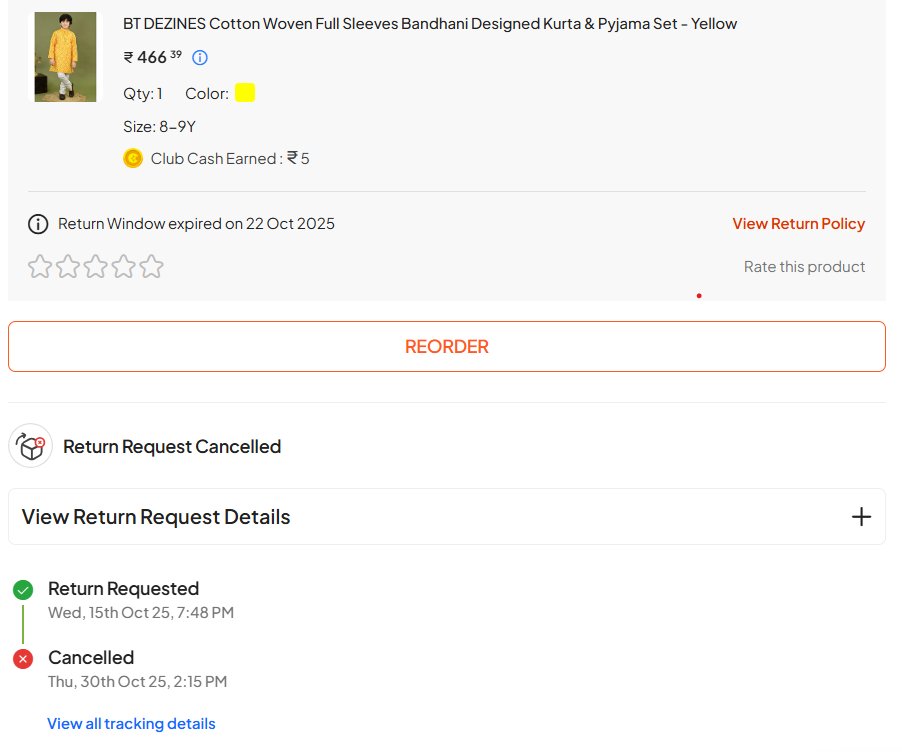
@firstcryindia I am extremely disappointed with the handling of my return order. It was cancelled without proper communication. I received only one call,
and unfortunately, I was unavailable at that moment. I need my money without any doubt. I will stop buying from your platform.
Several of my orders have been delayed for weeks, with payments held and no delivery. Is this a scam where money is taken and later refunded? Can anyone explain what's happening? @flipkartsupport#FlipkartScam
@agaz Appreciate you sharing this—it reinforces my confidence that I'm on the right path. This is just the beginning; I'll take it to the next level. Stay invested and watch your capital grow! #happyinvesting#StockMarket#Nifty
@myntra, could you please look into the issue. This order is getting delayed and there is no concrete answer for the same. I have contacted customer care executives multiple times but they are not helping.
I have ordered gas twice. However, gas is not getting delivered.
Gas ordered on 30th March - DAC 9401
Gas ordered on 9th April - DAC 7224
Below are the complaints that I have raised so far:
1-1279113353871
1-1281452439029
Service is pathetic.
@indane_gas, @IndianOilcl
@MoPNG_eSeva Necessary action has been taken against your Service Request NO. 1-1281452439029. Thank you for patronising us.
IndianOil...what is the result of this action?