As many other oncologists will also attest, we were taught this was a dead end
It was, dogmatically, never going to work — kras was too much of a “greasy ball” to be targeted
And yet here we are, with truly meaningful survival curves👇
Inspiration on multiple levels #ASCO26
My course on consciousness is now online: six 90´ lectures featuring both history and recent experimental results on ignition, P3b, working memory, neural manifolds… unpublished results too.
https://t.co/ERJQfGekqU
We at @noetik_ai are thrilled to introduce the *first world model of spatial, multimodal cancer biology*:
Oncology Counterfactual Therapeutics Oracle (OCTO)
Technical report below + 🧶 on how we trained OCTO directly on patient data and use it to find new cancer drug targets!
The boundary between trainable and untrainable neural network hyperparameter configurations is *fractal*! And beautiful!
Here is a grid search over a different pair of hyperparameters -- this time learning rate and the mean of the parameter initialization distribution.
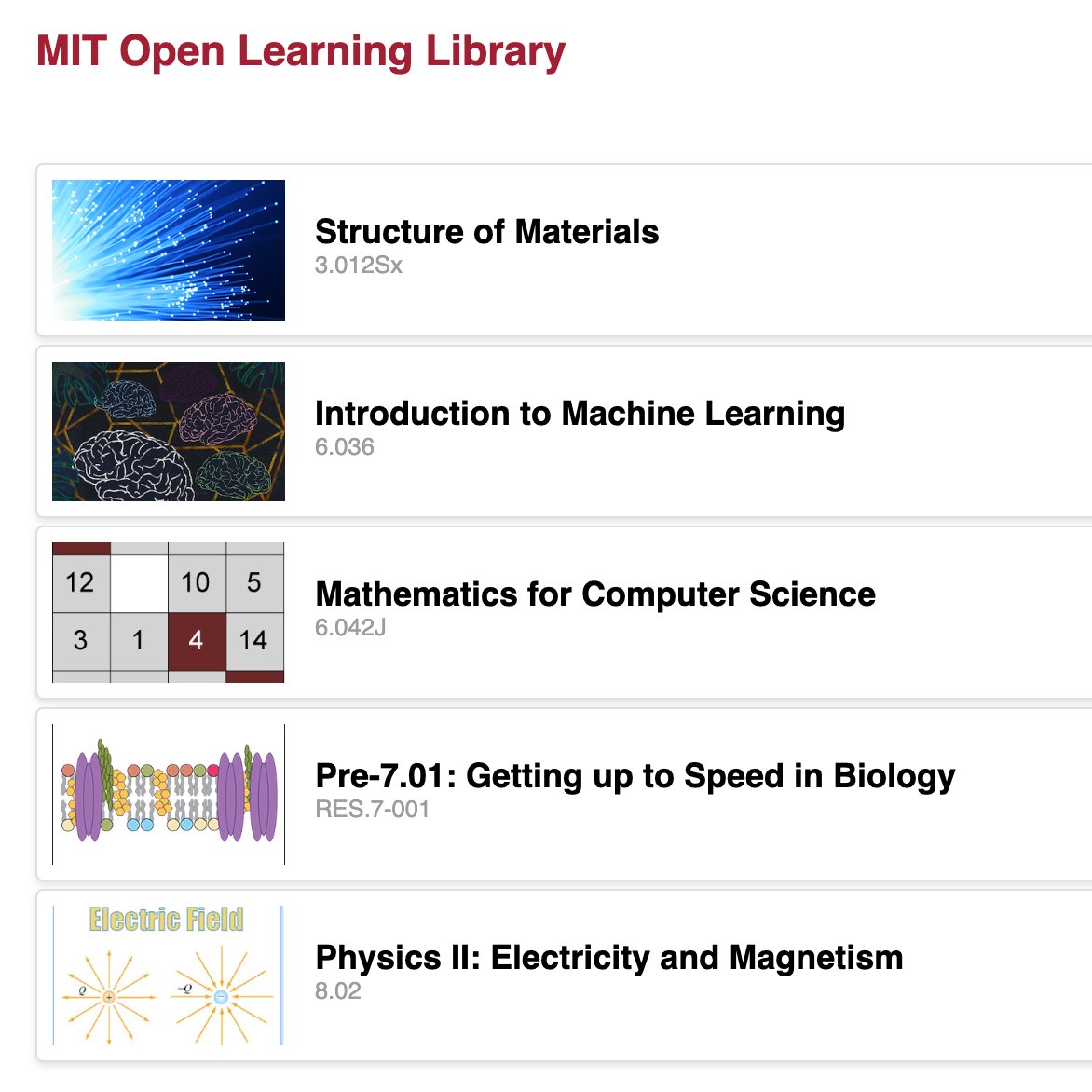
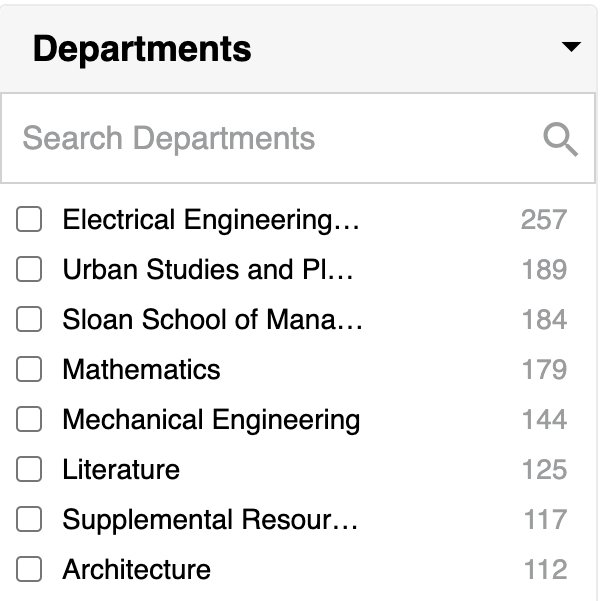
Still blows my mind that you can take ANY MIT COURSE you want, online, for free.
Machine learning? Nuclear physics? Quantum computing? All there.
Truly unreal.
An honor to be external PhD examiner for #AI pathology superstar Tristan Lazard, supervised by @ThomasW04410315 at @Mines_Paris@psl_univ. Love the ambiente 🇪🇺🇫🇷🍷 & the discussions about self-supervised learning, foundation models & biomarkers 👉https://t.co/s2DTcnrqkW
V1.0!
Free phone-formatted pdf:
https://t.co/BgNLBplHDt
Pocket book:
https://t.co/chhtLWzIDs
Note that given an other recent prototype everything should be okay with the pocket book version, but I have not *yet* checked this one (it takes ~2 weeks to get it)
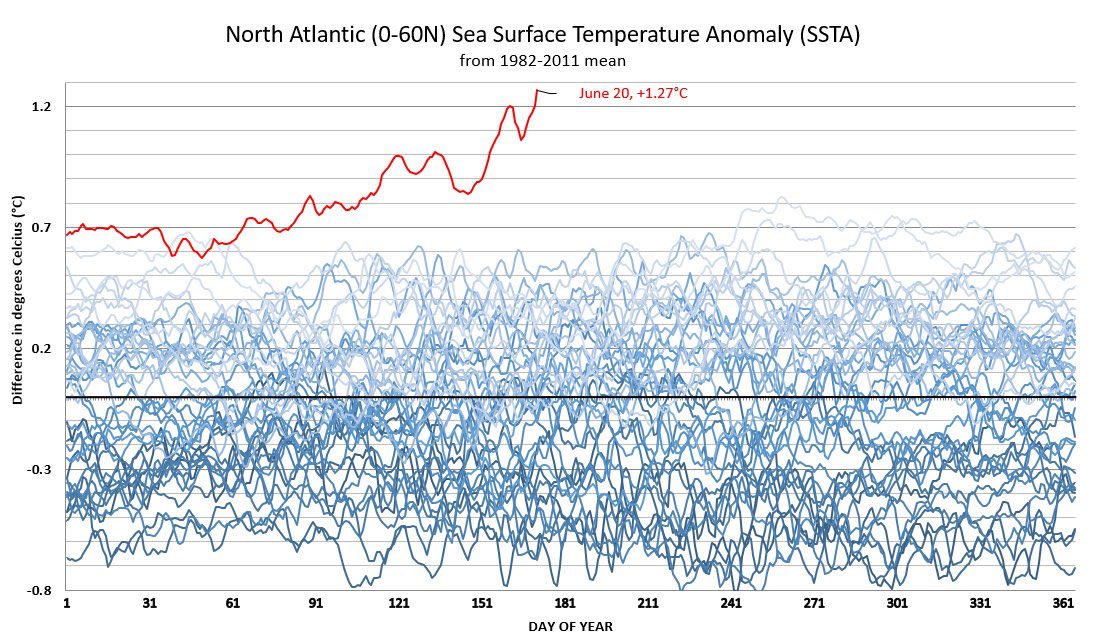
This is absolutely bananas.
There is NOTHING like this on the instrumental record. Its likely impact is probably immeasurable.
But is it leading our news bulletins & on newspaper front pages?
Nope.
Seeing so many empty posters & missing authors at #CVPR2023 is heartbreaking - how many? 20%? Many PhD students worked hard but this absurd visa system jeopardized their chance to proudly present their work. I know that PCs @CVPR took action but this was largely insufficient… 1/
I am looking for a postdoc in Computer Vision.
We have several exciting projects in the field of Digital Pathology, where we aim at predicting treatment response from Whole Slide Images (WSI).
WSI are huge and complex, containing hundreds of thousands of individual cells.
🥇🥉🥉Elle l’a fait ! Après avoir terminé cinq fois sur la deuxième marche du podium en coupe du monde, Oriane Bertone remporte sa première victoire à Prague. Flavy Cohaut et Mejdi Schalck décrochent le bronze !
👉 https://t.co/q0nnLL5tMb
📷 Jan Virt - IFSC
ÅNGSTRÖM-RESOLUTION FLUORESCENCE MICROSCOPY. Can we do structural biology with an optical microscope? Yes!
Check out how we resolved *single bases of DNA* and much more using fluorescence microscopy, out today in @Nature!
https://t.co/i9bGl2Vq40
@JungmannLab@MPI_Biochem
🙂Au Collège de France, les #enseignements sont #gratuits & libres d’accès.
🙂Certains le savent, d’autres l’ignorent.
🙂Que ceux qui le savent partagent ce tweet avec ceux qui l’ignorent 😉
https://t.co/nRfJOFSw9u
Very happy to share our latest preprint 🎉 "Fully transformer-based biomarker prediction from #colorectal#cancer histology". This is a massive collaborative study in >9000 patients which is led by @sophiajwagner: https://t.co/yXnBtQcUKU #AI (1/4)
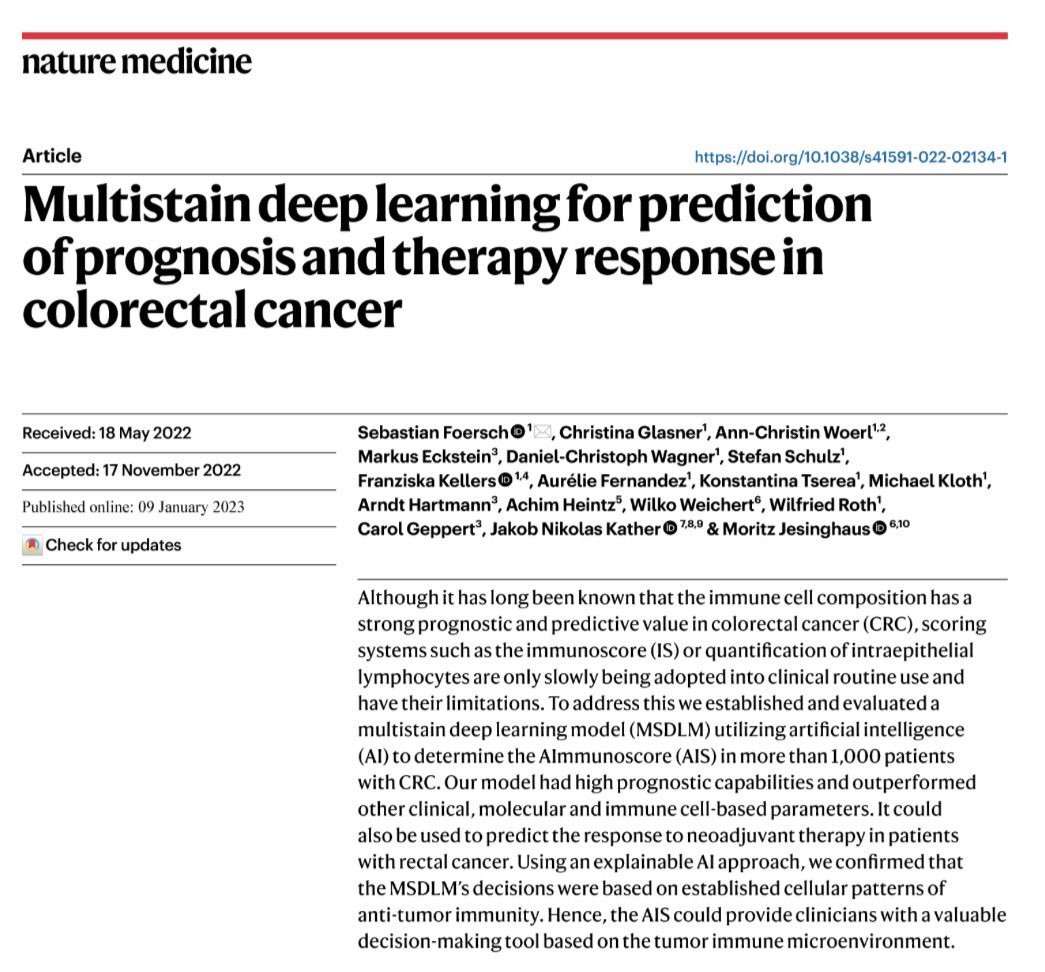
Happy to share our latest publication in @NatureMedicine 🩺🧬🔬 https://t.co/XYwdJSjIto. We designed a multistain deep learning model and trained, validated, and tested it on imaging data of different immune cell subtypes of over 1000 patients with #colorectal#cancer. Our …
Reinforcement learning from human feedback (RLHF) can teach LLMs a variety of interesting skills. As an example, Sparrow, a chatbot developed by @DeepMind, is taught (via RLHF) to support its factual claims by finding relevant information on Google... 🧵 [1/7]
We are excited to announce our new paper (preprint) in the field of computational pathology! We have investigated the potential of deep learning to assist in the classification of head and neck squamous lesions.