As an athletic director, people often ask why I am so passionate about sports, and my answer is simple: sports made me who I am. They gave me so much that I feel a responsibility to give that same experience to others.
Sports taught me how to compete, how to be accountable, how to be a good teammate, and how to pursue the Lord through the friendships I built on teams. They gave me the opportunity to be both a backup and a starter, and to understand the value of each role.
They taught me how to get in shape, how to work for something I wanted, the values of winning, and the lessons that come from losing. They also taught me how to give my best effort toward a greater cause even in moments when I thought a coach did not like me. Over time, I learned that coaches do not dislike players, they challenge them to bring out their best.
If the only value you see in sports is individual success, playing time, or a scholarship, you are not in it for the right reason. Of course those are great goals, but sports are much, much bigger than that.
Ultimately, sports gave me far more than wins and losses. They shaped my character and helped make me the person I am today.
3 Coaching Truths:
1. Culture isn’t what you say, it’s what you allow.
2. Leadership isn’t a title, it’s a responsibility.
3. Tough teams aren’t born, they’re built every day.
Great teams don’t happen by accident.
They’re built on purpose.
A bad coach tears people down. An average coach focuses only on results. A good coach teaches skills and systems. A great coach builds confidence and trust. An exceptional coach helps people believe in themselves at a higher level. And the best coaches impact lives long after the scoreboard stops mattering.
Winners chase toughness with the joy that builds it.
“I’ve got a competitive spirit. I love the grind. You’re going to get out what you put in. I strive to be a leader that builds that mentality of toughness and joy in the work and finding the reward in the work,” Molly Miller
Mark Few explains the process Gonzaga uses to work on mental toughness and adversity.
"We spend probably 25-30% of the athlete's time now on mental."
Then he explained what that looks like: "We do this thing called PGMs - Personal Growth Mondays."
"We start every Monday with this Personal Growth Monday. Staff, myself, coaches aren't allowed in there. It's just the players and Travis Knight, our strength coach and mental coach."
They invest the time every week. You can't let the mental game be an afterthought.
"They can dive into a myriad of anything that's currently happening or that they've requested...Processing pressure. Processing expectations. Lack of confidence. Hitting adversity. Handling success."
The best teams train the mind, the body, and develop the person.
Your mind is affected by your daily thoughts, habits and unconscious biases.
Mental fitness helps you build resilience and thrive.
Without investing time in mental fitness, managing stress, anxiety, and challenges becomes harder.
(🎥 Walker Webcast)
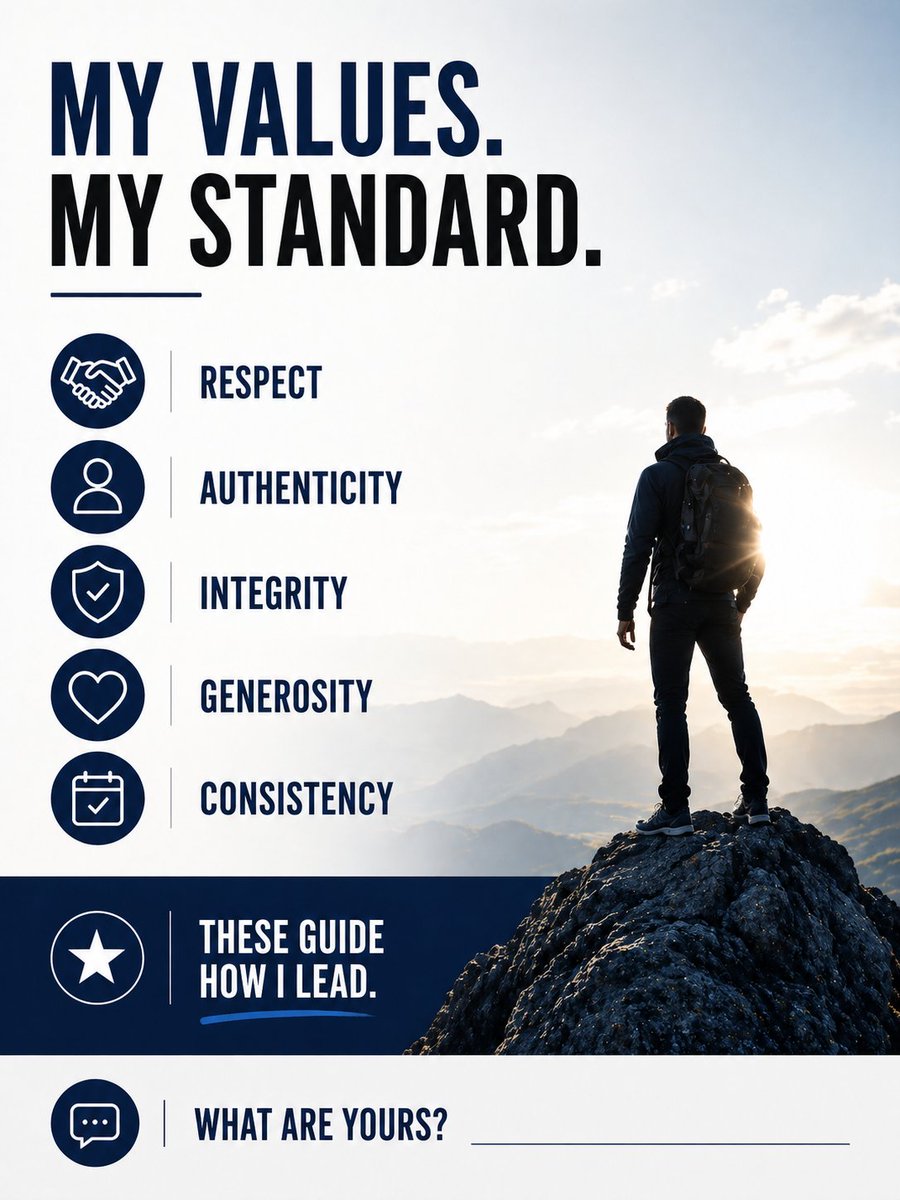
Your core values aren’t what you say— they’re what you show.
Here are mine:
1. Respect – Every person matters. Every voice counts.
2. Authenticity – Be real. Be you. Always.
3. Integrity – Do what’s right, especially when it’s hard.
4. Generosity – Give more than you take.
5. Consistency – Greatness lives in your daily habits.
These aren’t just words—they’re non-negotiables.
They guide how I lead, serve, and show up every day.
What are your core values? And more importantly... how do you live them?
As an AD, one of the biggest challenges is understanding what athletes and parents truly want. Everyone says they want to win, but too often the communication I receive is centered around why practice is being missed, why workouts can’t happen, or why the commitment isn’t possible.
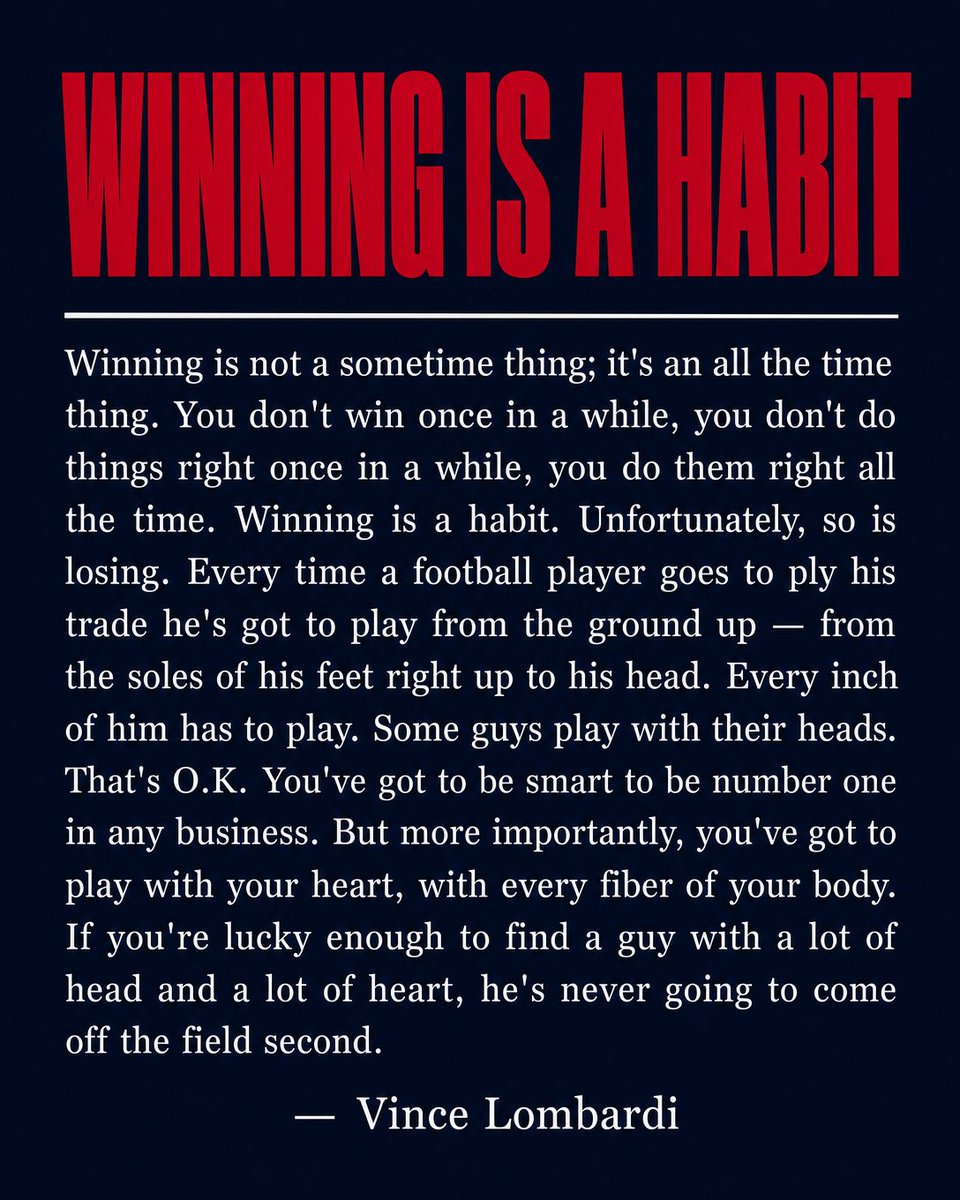
Winning is rarely about what happens on game day, it’s built in the unseen hours of preparation, consistency, and sacrifice. You cannot claim to want success while consistently avoiding the work required to achieve it.
Too often, “we want to win” really means “we want the rewards of winning without the discomfort of earning it.” When that gap exists, the blame often shifts to the coach instead of the habits.
Great programs are built when athletes, parents, and coaches all align in understanding that commitment comes before results. Wanting to win and being willing to do what it takes to win are two very different things.
"Everybody wants to win.
Everybody doesn't necessarily want to prepare to win.
You have to learn to love the process that will put you in a position to achieve greatness."
Winning is public.
Preparation is private.
And most of the time, the private work decides the public result.
Coach K on accountability and holding everyone, including your star players, to the standard.
"It's called accountability. Holding a player accountable to play up to their individual potential."
You can't hold someone to a standard you and they haven't defined.
You don’t hold players accountable to you. You hold them accountable to the version of themselves they said they want to become.
Step 1: Define who they want to become.
Step 2: Create a shared agreement on the standard.
Step 3: Then coach them to it, every day (not just when it's easy).
📹: Pat McAfee Show
Dan Campbell: "Grit is when you have the ability to overcome adversity in any situation."
"The ability to push through it, mentally, physically, to overcome."
Grit isn't talent or luck.
You can't buy it or inherit it, but you can build it.
Here's how to develop grit:
Which stage is your team?
1. Forming 🤝
2. Storming ⛈️
3. Norming 📊
4. Performing 🏆
Many teams never get to the Performing stage because of two reasons:
1. They get stuck in the Storming Stage.
2. They don't establish or enforce high enough Standards in the Norming stage.
"Excellence is success over time..
When you're a college player your whole goal in life is to play in the NFL so you have this built in motivation..
Some players lose their motivation because they just wanted to play in the NFL rather than being great in the NFL" ~ Coach Saban #PMSLive
John Wooden emphasized choosing friends based on character and respect. He said, "Show me your friends, and I'll show you your future". He believed in cultivating friendships through sincerity, effort, and looking for the best in others, while avoiding those who do not share positive values. To excel as an athlete, search for people who have their priorities where you have yours.