New clinical guidelines for iron deficiency from ASH aim to help identify cases that may otherwise go undiagnosed. Updated ferritin thresholds support earlier, more accurate diagnosis. Learn more: https://t.co/yUyjruMzzG @BloodPortfolio
2026 Dyslipidemia Guidelines: Key Updates in Cardiovascular Prevention
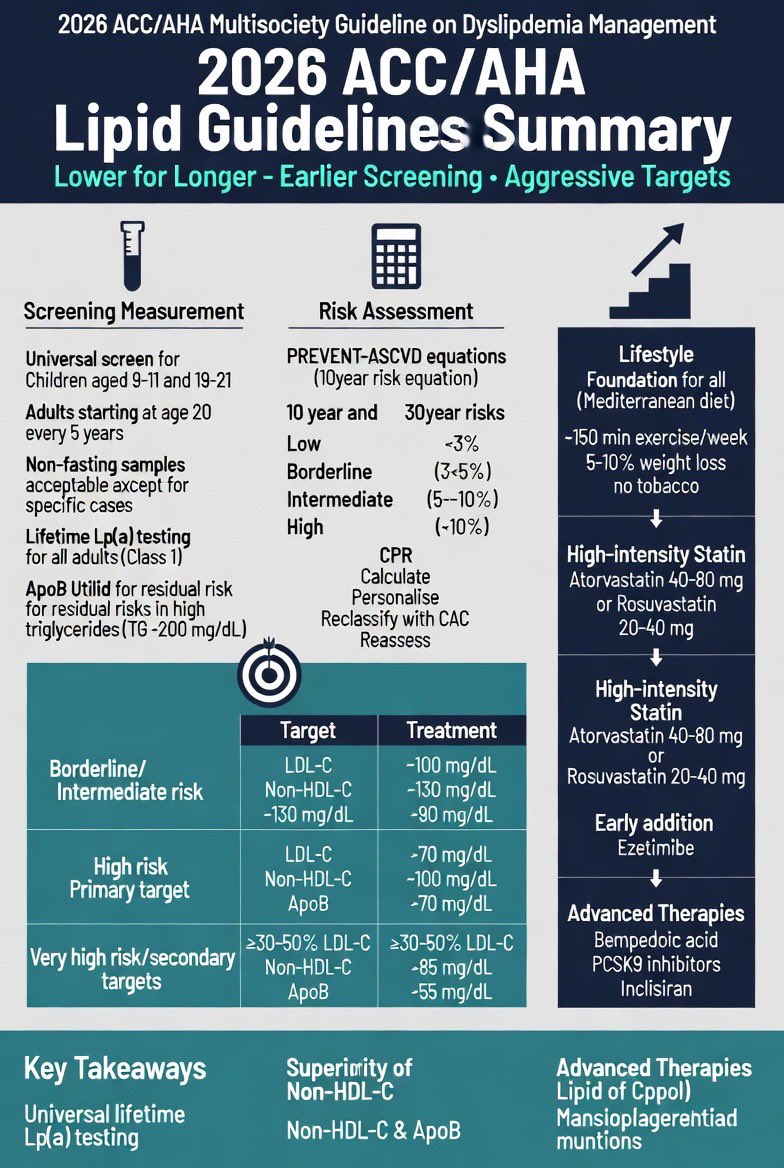
On March 13, 2026, the ACC/AHA Multisociety Guideline on the Management of Dyslipidemia was released, replacing the 2018 cholesterol guideline. The update broadens the focus from cholesterol alone to overall dyslipidemia, including LDL-C, triglycerides, and emerging markers like lipoprotein(a), with a central goal: earlier and more personalized prevention of ASCVD.
Major Highlights
1. New Risk Calculator
The PREVENT-ASCVD risk equation replaces the older pooled cohort equations for adults 30–79. It often estimates lower and more accurate risk, and also introduces 30-year risk assessment for younger adults.
2. LDL-C Targets Return
Clear lipid goals are reintroduced:
•<100 mg/dL for borderline/intermediate risk
•<70 mg/dL for high risk
•<55 mg/dL for very high risk
The principle: “lower for longer” to reduce lifetime exposure to atherogenic lipids.
3. Routine Lp(a) Testing
For the first time, Lp(a) measurement at least once in a lifetime is recommended for all adults to identify genetic cardiovascular risk.
4. Greater Role for CAC Scoring
Coronary artery calcium (CAC) scoring is emphasized for decision-making.
A CAC score of 0 may delay statins, while higher scores strongly support treatment.
5. Earlier and Broader Treatment
Statins and other therapies (ezetimibe, PCSK9 inhibitors, bempedoic acid, inclisiran) are recommended earlier in high-risk individuals, including those with diabetes, CKD, or strong family history.
6. Lifestyle Still Comes First
Healthy diet patterns, regular physical activity, and weight control remain the foundation of dyslipidemia management.
The Big Picture
The 2026 guideline emphasizes earlier risk detection, lower lipid targets, and lifelong prevention—aiming to reduce cumulative lipid exposure and ultimately prevent atherosclerotic cardiovascular disease before it develops.
I just entered to win a dream trip for two to Switzerland with @TourRadar . Alpine views, epic peaks & unforgettable moments. Enter now! #Switzerland#AdventureSimplified https://t.co/WJS66uh0pI
💪 We are here with our first Symposium from March 19–20, 2026,in Paris where the Resuscitation Experts will discuss three key topics; Ventilation, Harnessing AI and Emerging Technologies to Save Lives Worldwide, ECPR 2026 Update.
✅ Don't miss this key event and meet the European Resuscitation community at Secours Expo in Paris.
💙 Register by clicking the direct link here
👉 https://t.co/rlyt11SYqw
❤️ All the information about the event, including the Preliminary programme, is here on the ERC website.
👉 https://t.co/Gb6uNGdGSv
#ERC #SecoursExpo #resuscitation #EmergencyCare #savelives #ERCSyposium #CPR
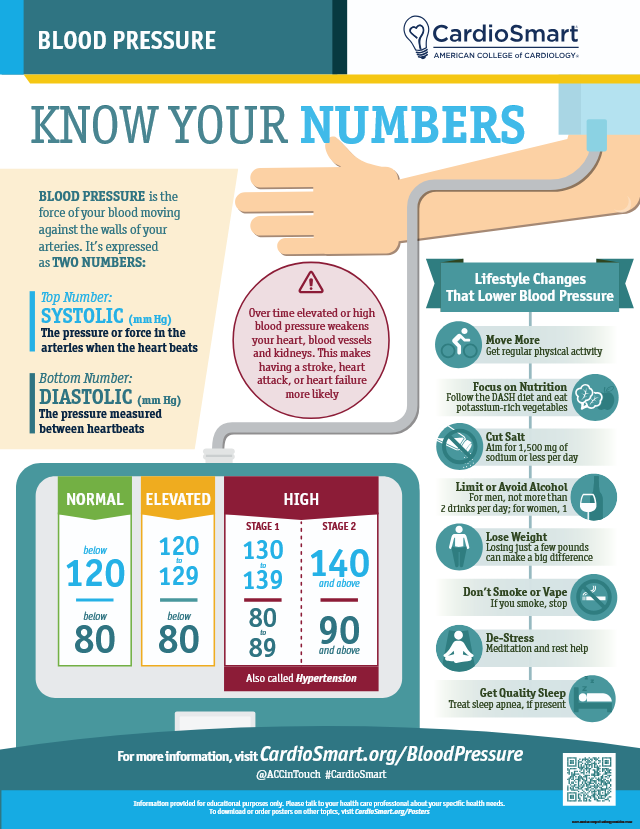
Intensive blood pressure (BP) treatment, targeting office systolic BP to <120 mm Hg, produced modest benefits to health-related quality of life among hypertensive patients with high cardiovascular risk. https://t.co/Qn3Bwt9xYY
#GWICC#AHS2025#ACCIntl#JACC#Hypertension#QoL
2025 ACC scientific statement on Inflammation & #CVD, chaired by Dr. @ProfMensah, reviews residual inflammatory risk, screening & management, and new anti-inflammatory strategies. A clear view of where the field stands today & where it’s heading https://t.co/0qFgOYK1A1 #JACC