マジで僕はめちゃくちゃ時代に置いていかれています。
それでも存じ上げております超絶人気な方々の名前がROCK IN JAPAN FESTIVALの同日に数多く並んでいます。
そんな超絶人気な方々を観にいらしたお客様に四星球を観ていただくためには今から何をしたら良いですか?
お詳しい方、ご教授願います!
When the exhibition of a world-renowned architect is cancelled on the day of opening by local government of @PrefTokushima
Junya Ishigami is not merely a prominent Japanese architect. He is one of the most internationally recognised architectural figures of his generation.
Known for projects that blur the boundary between architecture and landscape, Ishigami has attracted a devoted global following through works ranging from the cave-like House & Restaurant in Japan to experimental structures and landscape-based projects in China and Europe. He represented Japan at the Venice Architecture Biennale in 2008, later winning the Golden Lion for Best Project at the 2010 Venice Architecture Biennale — one of architecture’s most prestigious international honours. He was also the youngest-ever recipient of the Architectural Institute of Japan Prize at the time, and later received distinctions including the Swiss Architectural Award and the OBEL Award.
His work has been exhibited internationally, including a major solo exhibition at the Fondation Cartier pour l’Art Contemporain in Paris, while in 2019 he was selected to design the annual Serpentine Pavilion in London — a commission widely regarded as one of the most significant platforms in contemporary architecture.
It was therefore with considerable shock that many in Japan’s architectural community learned that an exhibition devoted to Ishigami’s work in Tokushima had been cancelled on the very day it was due to open — reportedly following intervention by the prefectural government.
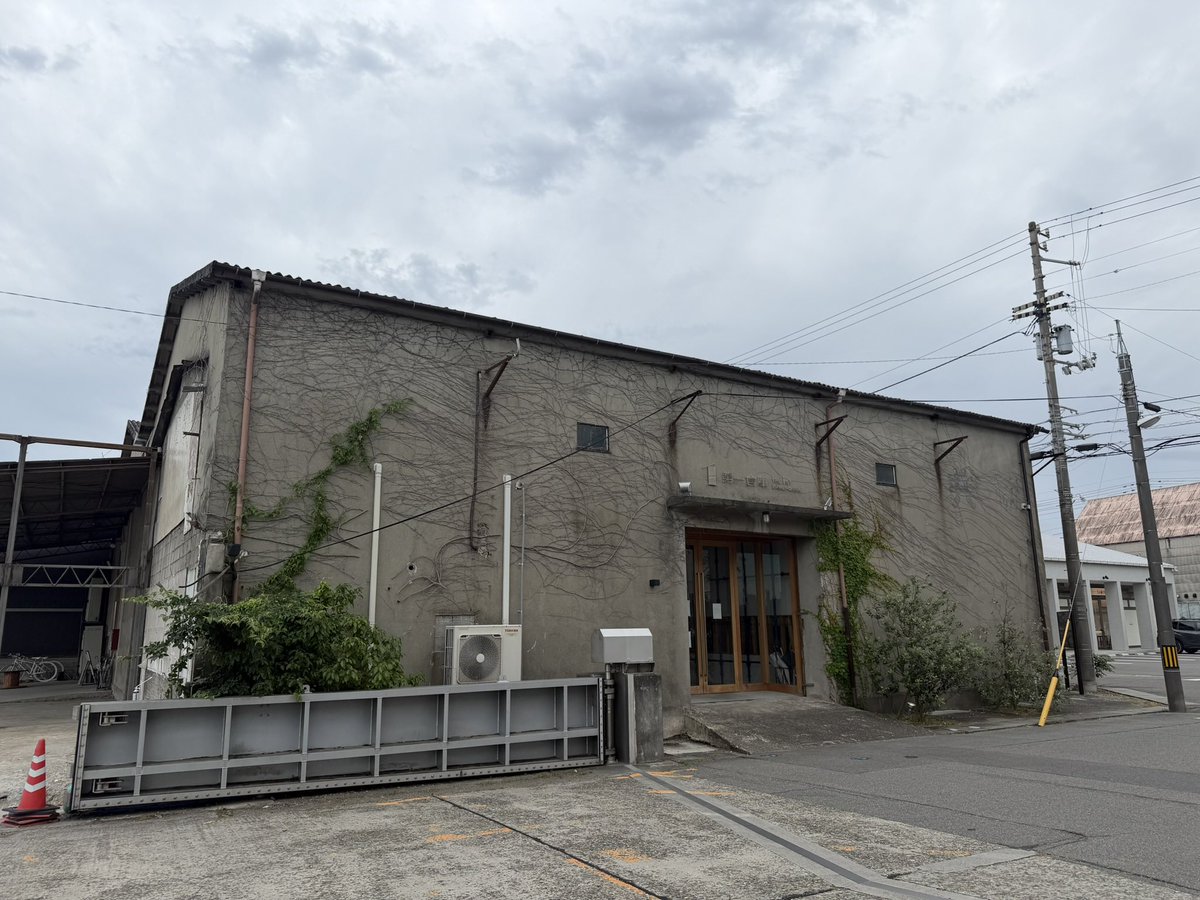
The exhibition, organised by the Tokushima regional section of the Japan Institute of Architects (JIA), was scheduled to open on 1 June at Daiichi Soko in Tokushima City. It was intended to present models, drawings and design materials from Ishigami’s proposal for the Tokushima Culture and Arts Hall, a major public project that had already progressed through basic and execution design. According to Architecture Photo, approximately 2,000 execution drawings had been completed.
The project itself had been commissioned through a public competition. The winning team consisted of Kumagai Gumi, Junya Ishigami + Associates, IAO Takeda Architects, Act Environment Planning, PS Mitsubishi and Nomura Construction. The scheme was originally planned for the site of the former Tokushima City Cultural Centre.
However, following a change in political leadership, Tokushima Prefecture reconsidered the project. Rising construction costs became a central issue, and the prefecture ultimately shifted its policy, abandoning the original site and pursuing a new hall proposal elsewhere. Official prefectural documents confirm that the original project had advanced through basic and execution design before being subjected to review and eventual reconsideration.
Against that backdrop, the JIA exhibition sought to present the completed design work to the public.
Yet shortly before opening, the exhibition was halted.
According to statements released by Ishigami’s office, the organisers were informed that the exhibition could not proceed because of a request from Tokushima Prefecture. Ishigami’s office stated that the request came immediately before the opening and that it had not received a sufficient explanation for the decision.
Reporting by JRT Shikoku Broadcasting indicated that the prefecture had contacted the body managing the venue several days before the opening. The broadcaster quoted prefectural officials as arguing that, because the venue stood on prefecture-managed land, holding an exhibition focused on the former hall proposal could create confusion regarding the prefecture’s current policy direction.
What has transformed the incident from a local administrative dispute into a national architectural controversy is the nature of the material being suppressed.
The exhibition was not centred on an unrealised private proposal, nor on a speculative conceptual project. It concerned the design documentation of a publicly commissioned building that had already progressed through an advanced stage of development using public funds.
As a result, the central issue is no longer simply whether Tokushima should build Ishigami’s hall.
Rather, it is whether a public authority should be able to prevent the public display of architectural work commissioned for a major civic project because that work no longer aligns with the government’s current policy position.
The prefecture maintains that its concern was confusion over official messaging. Critics cited in Japanese media, however, have characterised the intervention as an abuse of administrative power and a potential infringement of freedom of expression.
Whatever one’s view of the hall itself, the episode raises broader questions about transparency, public accountability and the status of architecture within democratic decision-making.
Buildings may be cancelled. Policies may change. Governments may revise priorities.
But when a completed public design can no longer even be exhibited, the controversy ceases to be solely about architecture. It becomes a question of how a society chooses to confront — or conceal — the record of its own decisions.