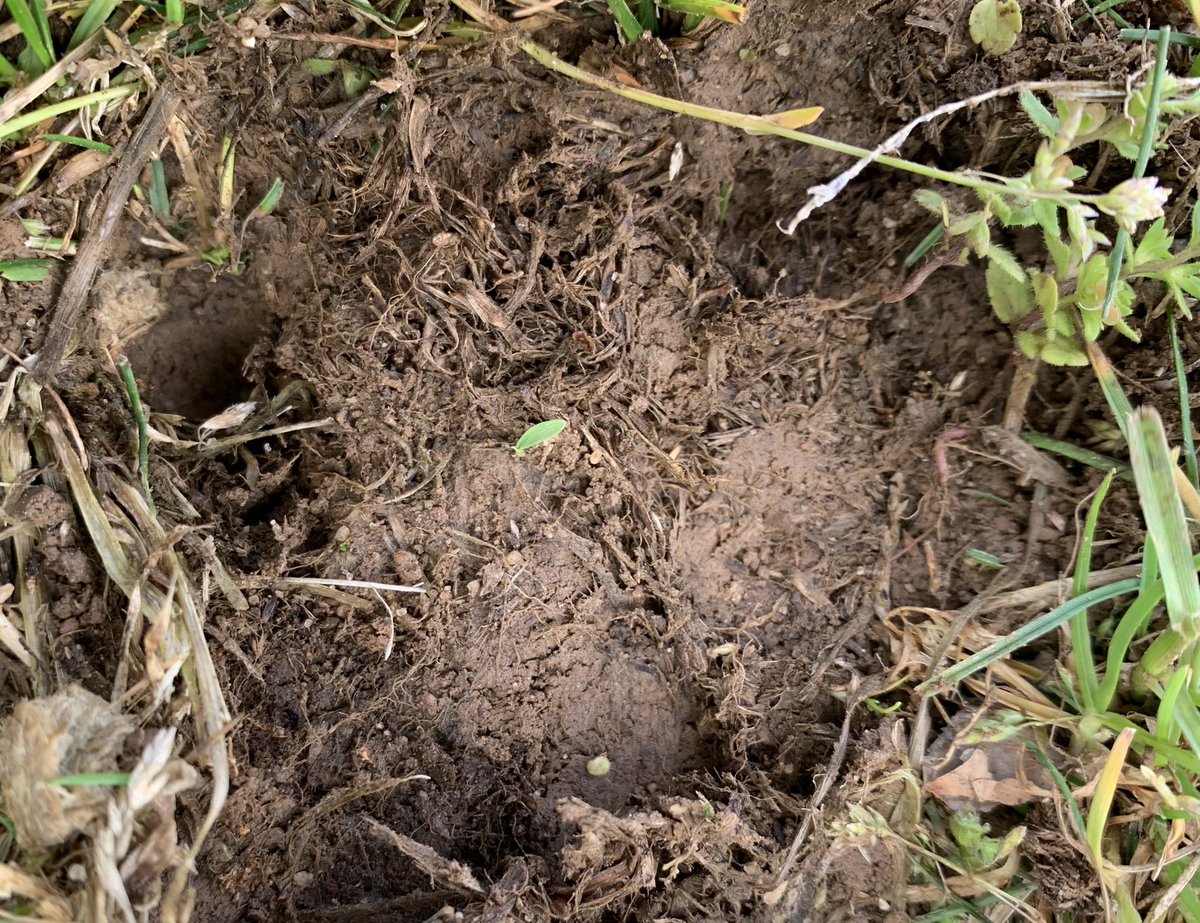
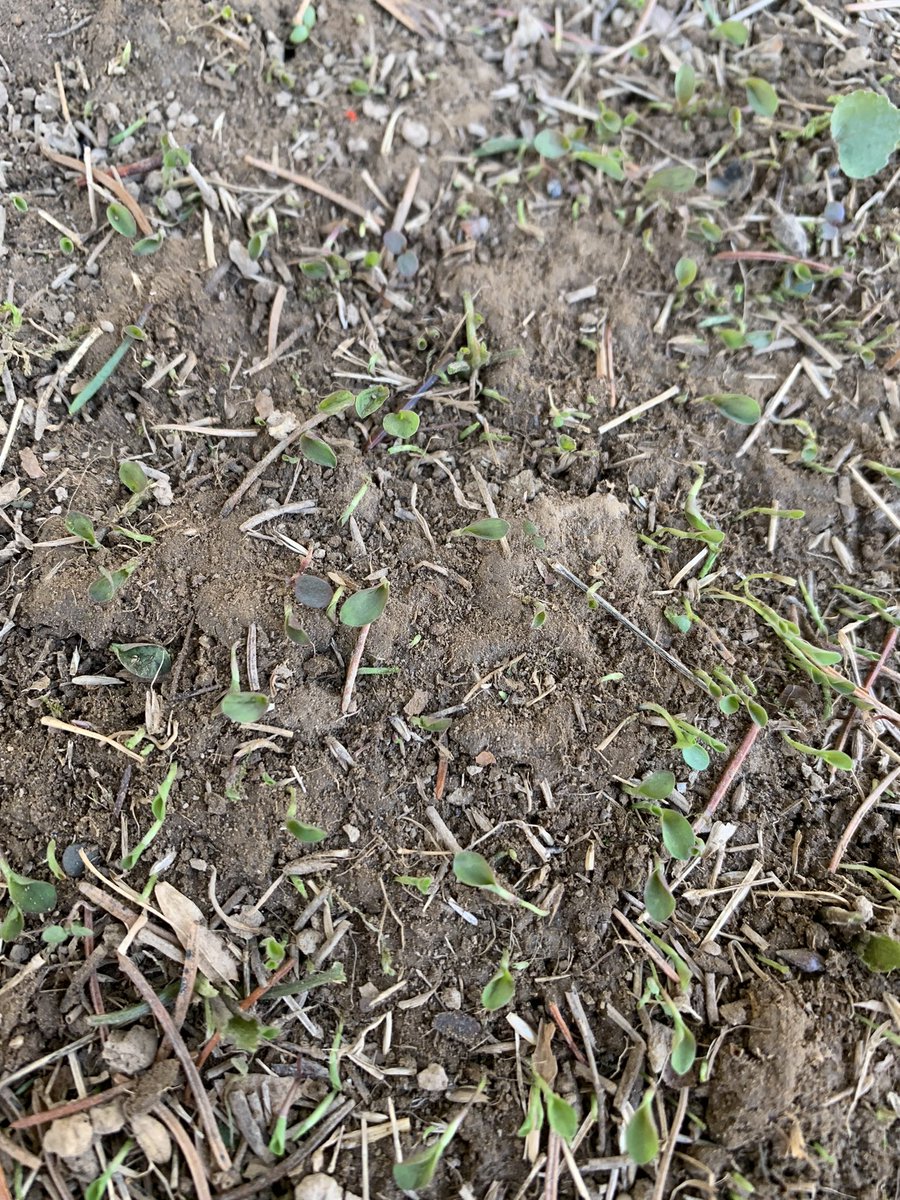
I think this is a first for me. Dollar spot on crabgrass. A client had it as well. Common denominator for both = lots of rain, humidity and recently treated with quinclorac.
One of the most read papers from 2023!
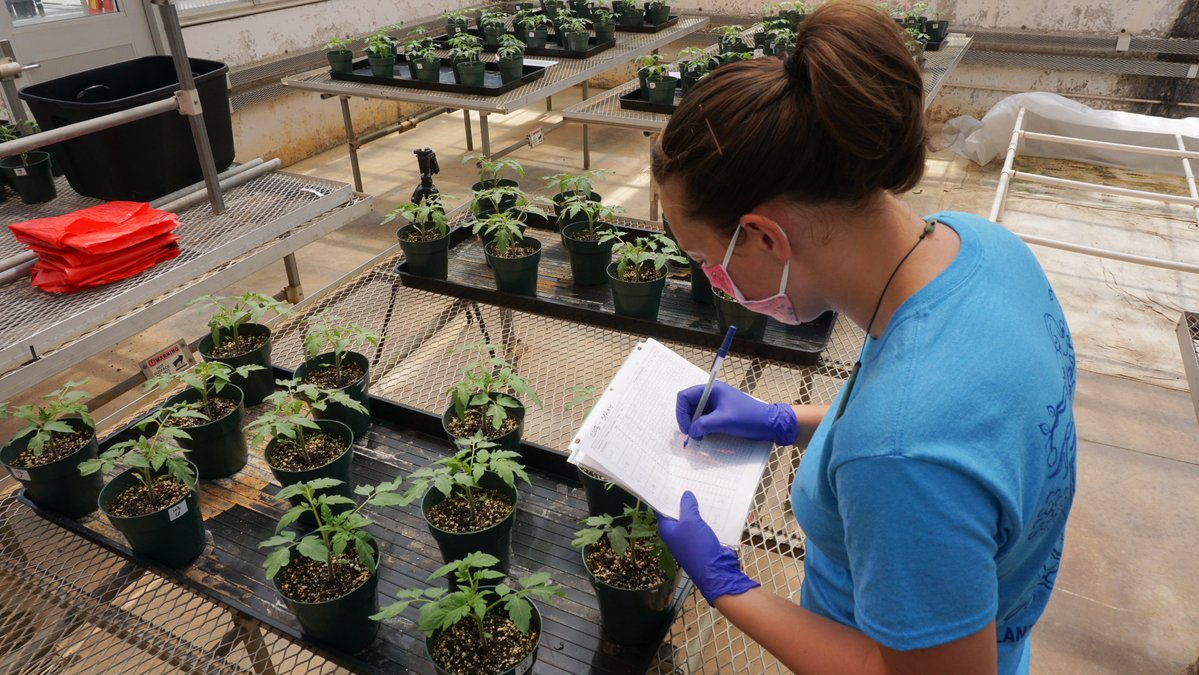
@hanareiaehau and @k_hockett explain how they used a passaging approach to develop #phyllosphere microbial communities that suppress bacterial speck of tomato.
🔓 Read this Editor’s Pick: https://t.co/AuCdTmbG81
@psuPPEM
#Congratulations to our 2022-2023 Rutgers Professional Golf Turf Management students who earned their two- year certificates! Are you interested in following a similar career path? Find out how inside! #RutgersOCPE#GolfTurfManagement https://t.co/gLdegMzrgl
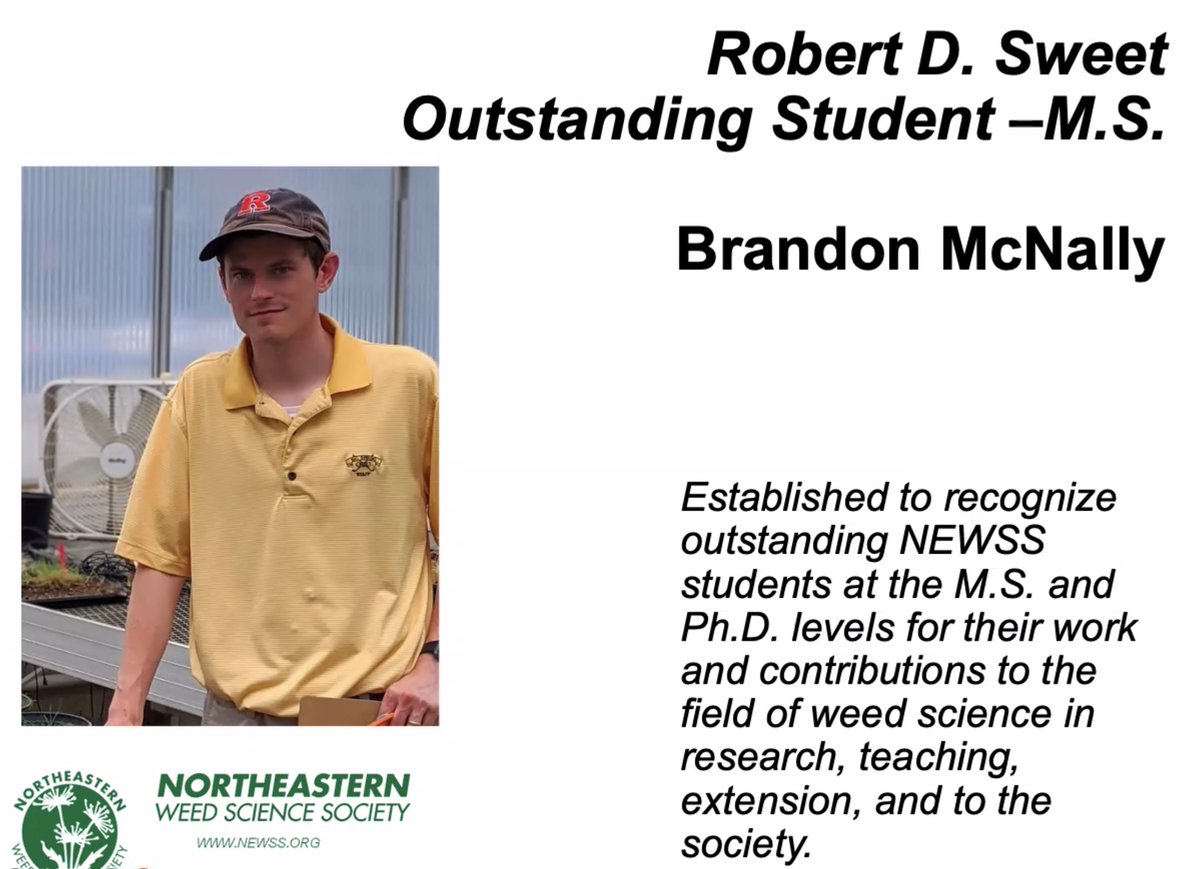
Brandon McNally (@McNally_Brandon) was recognized for his outstanding work while at @RUturfCenter. Brandon continues his career at Purdue with @PurdueTurfDoc. Congratulations Brandon!
In the latest @PATurf magazine, @PSUTURFEXT discusses taking grass weeds out of non-mowed fine fescues with ACCase-inhibiting herbicides – https://t.co/d05jkadGw5
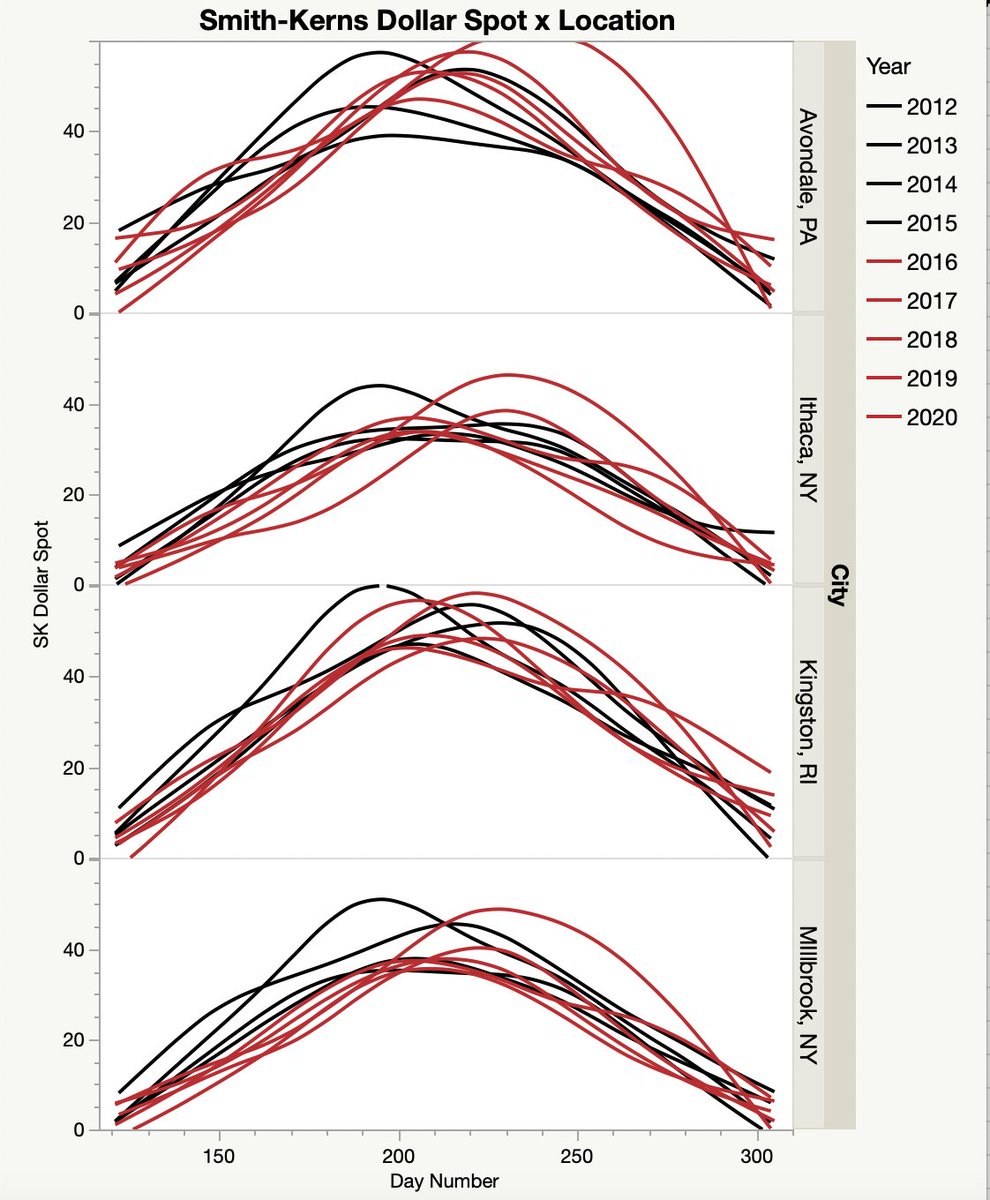
Interesting that $ spot pressure seems to have shifted later in the year. Red lines (recent years) peak later and are lower in the Spring relative to black. Thoughts? Aligning with field observations? @uwpaul@kernsJim@rjbuckwheat@iTweetTurf@UTTurfPath
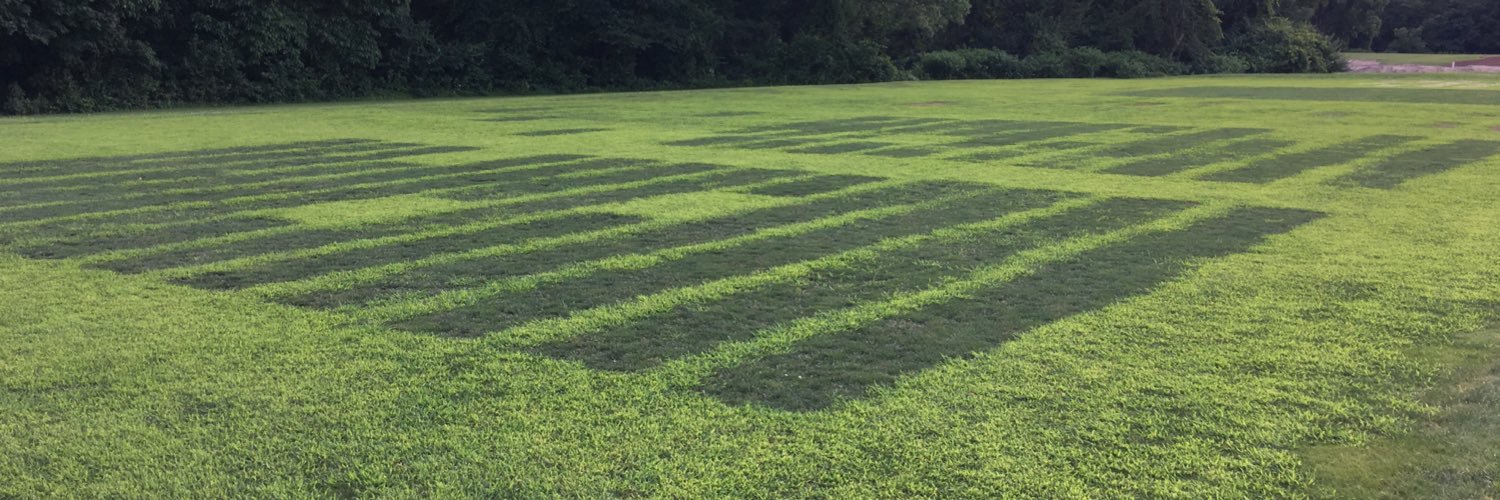
This phenomenon is not new but still interesting to document and share. With the evolution of microbiomes and dollar spot during the season, susceptible cultivar (bottom) turned “resistant” toward the end of season but the resistant cultivar (top) started to not doing its job.