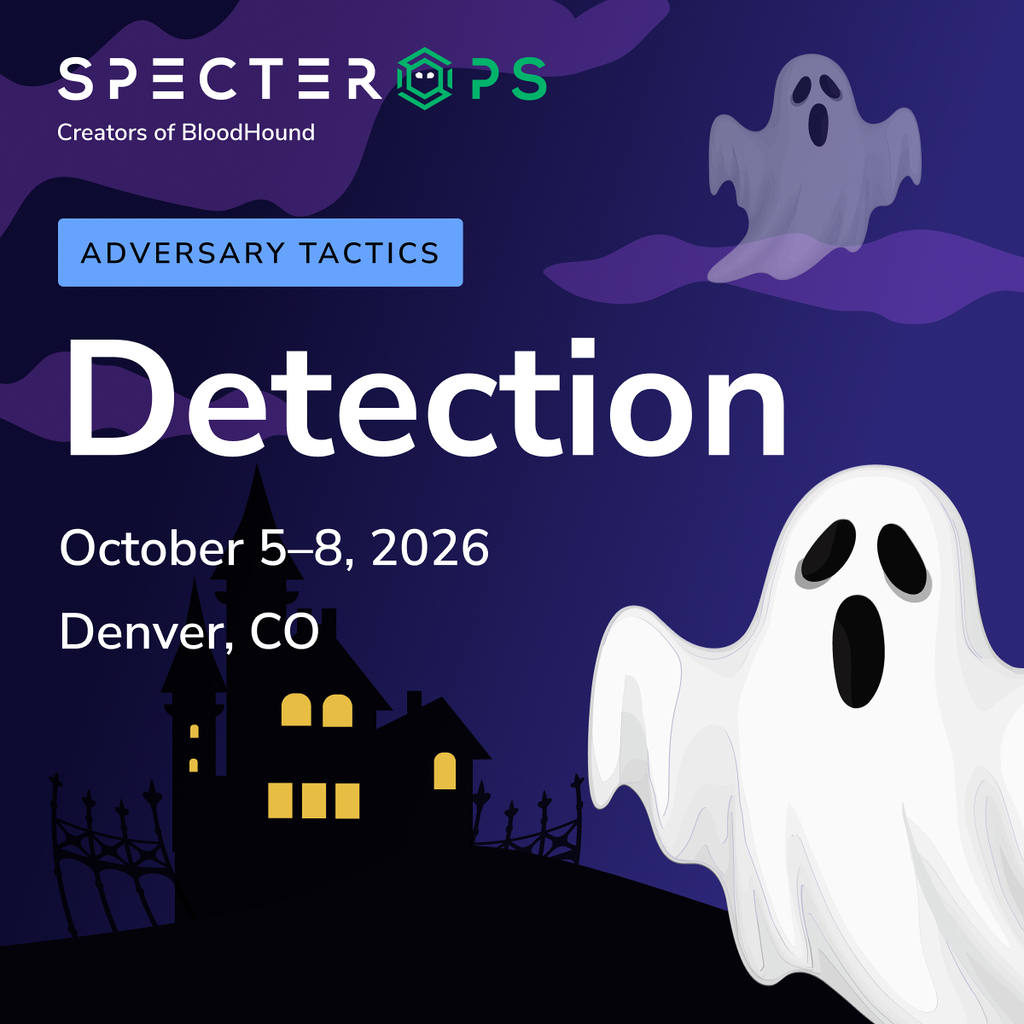
Your detection program is only as strong as what it catches.
At #SpecterBash, our Detection course digs into adversary behavior and TTPs to build sustainable detections across toolsets. Less alert fatigue. More signals that matter. 👻 Learn more: https://t.co/aPi6KVhdIw
BurpSuite is a must-know tool for hackers, pentesters, and bug bounty hunters.
In this tutorial, we’ll dive into fuzzing—injecting random data to uncover vulnerabilities like SQL injection & XXE.
https://t.co/4l7EcY2bFq
Jev can sit between a proposed tool call and real execution.
• Split real intent from untrusted web junk first
• The agent only proposes. Never runs
• Sanitize and verify authorization and validate every argument
• Jev scores risk and uncertainty. Not chat
• Deterministic policy: allow, block, or send to review
• Scoped tools run last, least privilege
The result is minimal hallucinations.
Your pilot group for a new security baseline already exists: the devices that have upgraded.
With OS version filters, the rollout drives the policy instead of chasing it. No groups to maintain.
https://t.co/5IBeEidQcB
#MSIntune#Windows11
Attackers are using malicious Terraform providers to deliver Go malware through HashiCorp’s registry.
The malware uses Ethereum smart contracts and Slack as dual C2 channels and can execute Go or JavaScript commands.
Inside the supply-chain technique: https://t.co/1Ki1E04mPq
In testing AWS AgentCore Harness default configurations, we found prompt injection can leverage the shell tool to access plaintext credentials in process memory. Operators can mitigate these risks by restricting default tools and enforcing least privilege: https://t.co/MwjQe618HP
Device Code phishing continues to evolve with EvilTokens, a framework built to bypass MFA. Microsoft details how it tricks users into approving rogue OAuth requests to authorise attacker-controlled sessions and steal tokens. https://t.co/zYpv2JkHS6
🏦 UNC6671 ACTIVITY UPDATE 🚨
New infrastructure continues to suggest possible phishing/vishing activity with an apparent focus on insurance and financial-services brands.
Time to refresh staff awareness around unsolicited calls, MFA requests and credential prompts.
‼️ Next.js patched a critical ImageResponse flaw that can lead to server code execution.
"CVE-2026-94545" affects 16.2.0 through 16.3.5 on Node.js when attacker-controlled values reach generated SVG. The fix is 16.3.6.
Inside the bug: https://t.co/IGeKx2BVmC
We recently found a new RCE chain affecting the Node.js ImageResponse implementation in Next.js.
Vercel has published CVE-2026-94545. Next.js versions from 16.2.0 through 16.3.5 are affected. Upgrade to Next.js 16.3.6.
I'll share more details soon, once the remaining upstream advisories are out!
Credit also to @ragrocks77, who discovered this together with me
Post: https://t.co/zX7dJ6WIoj
Cisco Talos is proud to introduce CAIRN, a new metadata-first research toolkit designed to scale the hunting and classification of AI-integrated malware without defenders needing to download binaries: https://t.co/MZZO3qYS8p
Sekoia uncovers Exvicy, a new ClickFix MaaS copied from ErrTraffic. It leverages hacked WordPress sites and fake Cloudflare prompts to trick users into executing malicious PowerShell payloads. https://t.co/lKQxQABCai
‼️WordPress "Comment2Shell" vulnerability (CVE-2026-93485) can turn an anonymous comment into server code execution through a logged-in admin session.
The chain starts as stored XSS, fires when the page loads, and can use the admin’s session to upload a web shell.
Details → https://t.co/P2xcw3nsrX
SideCopy is now targeting the education sector. Trellix details the threat actor's new attack chain using weaponised LNKs and mshta.exe to execute ReverseRAT directly into memory. https://t.co/OPZ5CqjaxQ
Reported
hxxps[://]entry-code-cdn[.]codes
(but also a good demo of using network protection in defender!)
(this was done on purpose)
#Malicious#URL#WebSiteCompromise#SupplyChain
𝗔𝗴𝗲𝗻𝘁𝗶𝗰 𝗧𝗵𝗿𝗲𝗮𝘁 𝗛𝘂𝗻𝘁𝗶𝗻𝗴 𝗘𝘅𝗽𝗲𝗿𝗶𝗺𝗲𝗻𝘁𝘀 - 𝟮
Continuing with the same setup (one-shot, single agent with no skills or anything)
This time, I chose a bit tricky TTP: Registry Run Keys / Startup Folders. There was a suspicious, actually malicious, registry run key present. There was one indicator that the agent could reason and identify the malicious entry by running additional queries.
The prompt: "Hunt for Registry Run Keys / Startup Folder".
2 separate runs, two different results. In both runs, the malicious registry key was present in the query results, but the agent didn't reason well in the first one (GPT-5.6-Sol was used). Why? I think this is a problem.
My other observation was that the agent would run queries, check results, and run additional queries in an iterative way. However, it didn't make use of joins or other data analysis methods.
To be continued...
#ThreatHunting #AgenticThreatHunting


![UK_Daniel_Card's tweet photo. Reported
hxxps[://]entry-code-cdn[.]codes
(but also a good demo of using network protection in defender!)
(this was done on purpose)
#Malicious #URL #WebSiteCompromise #SupplyChain https://t.co/L8JS5LhWt4](https://pbs.twimg.com/media/HSuUfUqXwAAk2RM.jpg)












![UK_Daniel_Card's tweet photo. Reported
hxxps[://]entry-code-cdn[.]codes
(but also a good demo of using network protection in defender!)
(this was done on purpose)
#Malicious #URL #WebSiteCompromise #SupplyChain https://t.co/L8JS5LhWt4](https://pbs.twimg.com/media/HSuUrjmW8AAxBIH.jpg)


