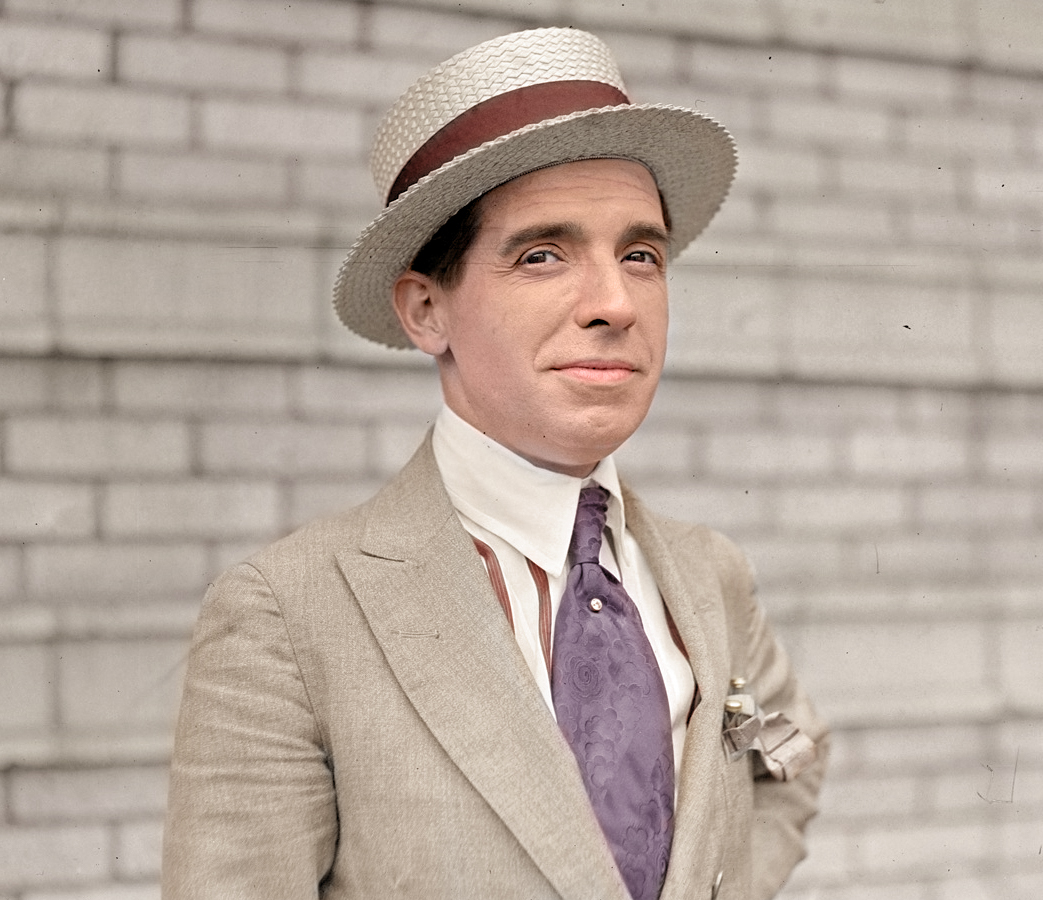
They interviewed the founder of Dubai, Sheikh Rashid, about his country's future.
He said:
"My grandfather rode a camel, my father rode a camel. I drive a Mercedes, my son drives a Land Rover, and my grandson will drive a Land Rover, but my great-grandson will have to ride a camel again...”
"Why?"
“Hard times create strong men, strong men create easy times. Easy times create weak men, weak men create hard times. Many won't understand, but we need to raise warriors, not parasites
The whole team was there to celebrate the try! This #PaarlGim team really played for each other this season and it showed again yesterday. Great team culture. One more game….and it is a big one #PaarlInterschools
This is #13 going over for try #50 in a #PaarlGim jersey for his #FirstXV. Now that is something special, and by all accounts Markus Muller is not finished yet… incredible season so far!
📢 Speaker Announcement!
Alex Zabbia of Synercore Food Holdings joins the Africa Food Summit at The Africa Food Show! Don’t miss the chance to hear from one of the industry’s leading voices.
Book your delegate seat - https://t.co/kcenofS8dE
#AfricaFoodSummit#BeverageTech
No try awarded, yet the ref was on the wrong side and did not even go to his touch judge for his opinion? Well done to @gimnasiumpaarl players for the way they just got on with the game. Tough encounter in Paarl!
8 biggest scam artists in history:
1. Charles Ponzi - The original Ponzi scheme, Charles was born in Italy in 1882 & immigrated to the United States in the early 1900s, where he embarked on a series of dubious ventures before devising his fraudulent scheme.
In the late 1910s, Ponzi promised investors a 50% profit within 45 days or 100% profit within 90 days, exploiting the idea of arbitrage involving international postal reply coupons. When a person received a letter from overseas, they also received an IRC that they could redeem to send a reply. Ponzi zeroed in on the idea of buying IRCs in one country & exchanging them in a different country, where the value was higher.
He lured investors with the promise of doubling their money within a few months. However, Ponzi’s scheme was unsustainable & based on a flawed premise. Instead of investing in postal reply coupons, he used new investors’ money to pay returns to earlier investors, creating a facade of profitability. This structure relied solely on an influx of new investments to sustain payouts.
The scheme unraveled in 1920 when investigative journalists and financial authorities began to question the legitimacy of Ponzi’s operations. As the flow of new investors dwindled, Ponzi could no longer meet the escalating demands for returns. Eventually, his fraudulent scheme collapsed, causing devastating losses for thousands of investors.
Ponzi was convicted on federal and state charges of fraud and scammed investors out of an estimated $7 million, reported The Telegraph. However, some sources estimated investors’ losses as high as $20 million.
@premrugbytweets@BlindsideBox Hi @BlindsideBox, I have placed an order on the 4th September still haven’t received the order. Please advise as I have stopped receiving updates from your mail address? Thank you