Author: trying to work out what we're doing here. Latest books: The Edges of the World, Cry of the Wild, Being a Human, The Screaming Sky & Being a Beast
This evening at 5:30pm. Join us in our air-conditioned events space, 'The Benjamin Henry Room' for this talk by @tweedpipe in conversation with @dan_kieran
Last tickets are now available here https://t.co/QRWW3N6o1T
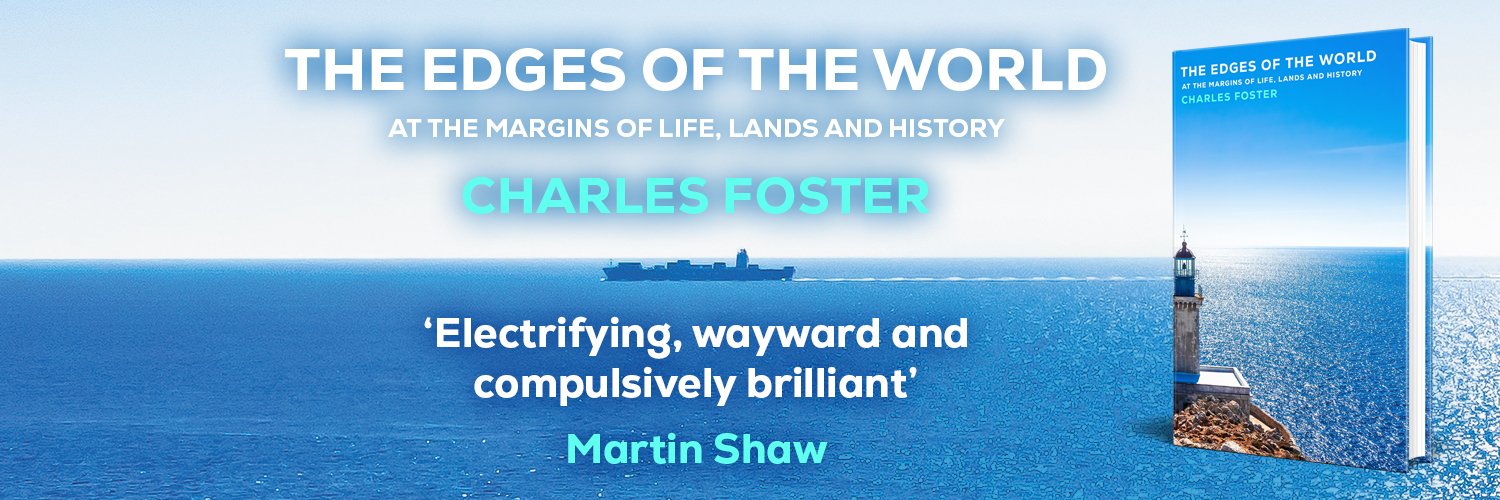
This coming Monday at 5:30pm, @tweedpipe will be with us at @blackwellbooks to discuss his brilliant and inspiring new book, 'The Edges of the World'.
Charles will be in conversation with @dan_kieran
Book your place here https://t.co/QRWW3N6o1T
COMING SOON: Pets & their People explores why humans keep animals close, and what our evolving relationships with pets may reveal about ourselves.
🗓️ 11 March – 27 September 2026
📍 Weston Library
🎟️ Free admission
Find out more: https://t.co/YteAsNbrBf
The new 2026 Barry Scholars Cohort for study at the University of Oxford:
https://t.co/vKoHyJnOUz
My congratulations to you all! Coverage from
Princeton: https://t.co/0Nwmg8a8eo
Florida: https://t.co/uwT9HEdXqz
Uncommon Ground is the new home for conversations that matter!
Have you listened to our first 2 episodes with Richard Dawkins & Rowan Williams and Alex O’Connor & Glen Scrivener?
Subscribe on podcast or video now 👉 https://t.co/G02IvZ2NLl
PS I’m loving being back in the moderator seat! So many more great shows to come in this first season 😄
Our very own Walter de Staplecat features in the @bodleianlibs’ latest exhibition, Pets & their People. 🐾
Curated by Exeter College Supernumerary Fellow Charles Foster (@tweedpipe).
🗓️ 11 March – 27 September 2026
📍 Weston Library | Free admission
#ExeterCollegeOxford
Fish caught in the Mediterranean Sea in 1561 said to have been adorned with tattoo-like marking on its skin that looked like images of ships — from Adriaen Coenen’s huge 16th-century treatise on fish. See more from this remarkable book here: https://t.co/63wTBZWLAu #FishFriday
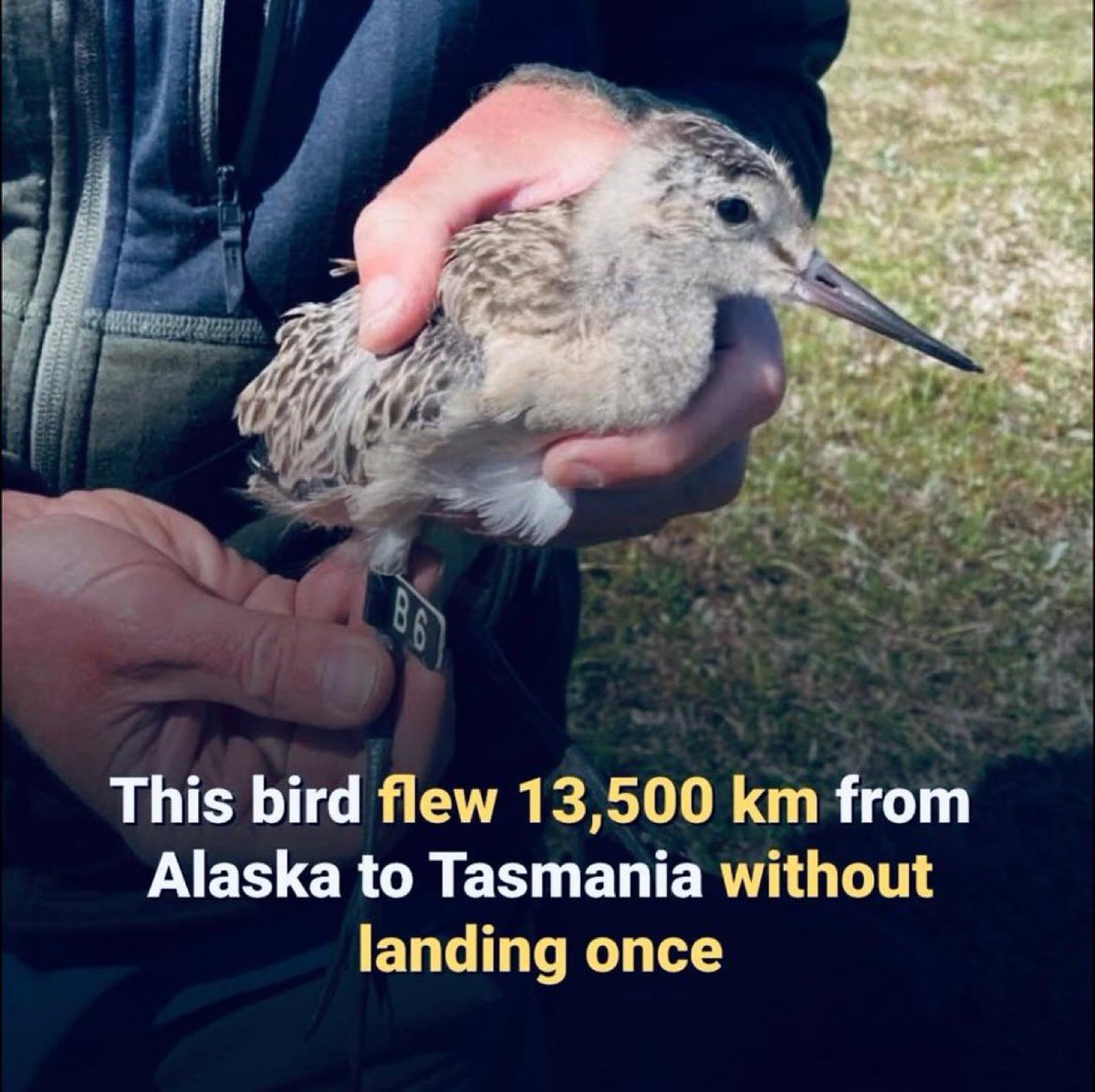
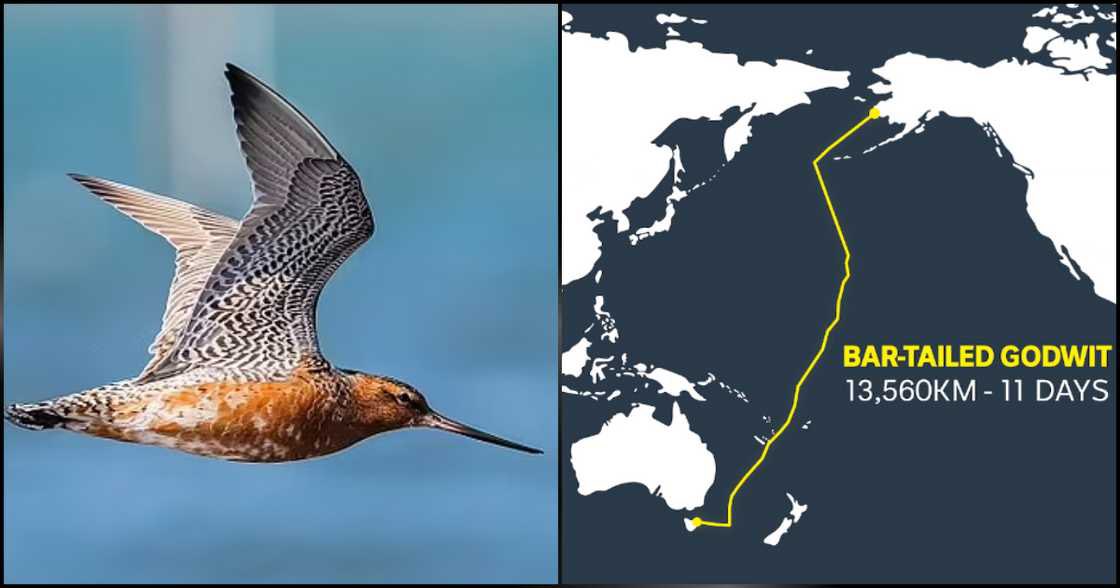
🚨 JUST IN: A migratory bird just shattered world records — flying 8,425 miles (13,560 km) NON-STOP across the Pacific without landing once.
The bar-tailed godwit doesn’t stop to eat, drink, or sleep during its migration across the Pacific Ocean. Its journey from Alaska to Australia takes roughly 11 days of continuous flight, covering over 13,000 kilometers through storms, headwinds, and open ocean with zero land beneath it the entire time.
Before departure, it does something almost surgical to its own body. It shrinks its digestive organs down to almost nothing, converting the stomach, intestines, and liver into raw fuel. The bird essentially eats its own gut to make room for fat reserves that will power its wings for nearly two weeks straight.
The brain doesn’t fully sleep either. Half of it stays active while the other half rests, alternating in shifts mid-flight at altitude over the open Pacific. The godwit is simultaneously unconscious and navigating with magnetic field sensitivity that no human instrument in the 18th century could replicate.
What makes this genuinely staggering beyond the physical record is the navigational precision involved. The bird leaves Alaska and arrives in New Zealand with accuracy that would embarrass early GPS systems. It reads Earth’s magnetic field, atmospheric pressure gradients, star positions, and potentially quantum-level compass mechanisms inside its eye that literally let it see magnetic field lines overlaid on its visual field.
Evolution spent millions of years building an aerospace navigation system inside a 300 gram animal.
We spend billions engineering machines that do what this bird does on instinct, fat reserves, and half a sleeping brain.
The longest recorded non-stop flight by a commercial aircraft is around 20 hours.
This bird does 11 days.
Without a runway.